Artemis Astronauts Showcase UT Geology Roots
Jackson School of Geosciences emeritus distinguished senior lecturer helped train every new class of NASA astronaut hopefuls since 2009, including all four of the moonfaring Artemis II crew.
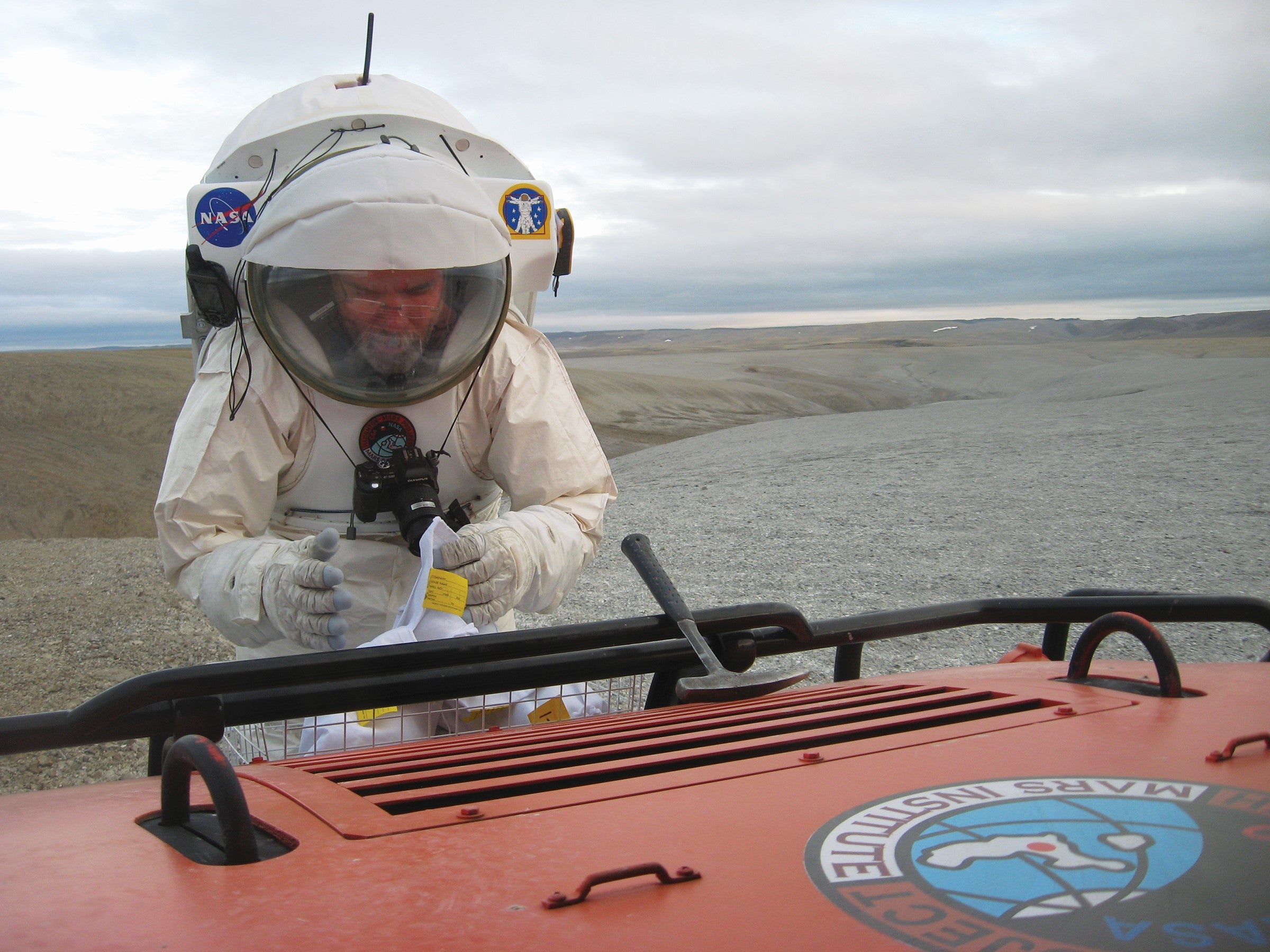
Mark Helper, who led the UT Geology Field Camp for 37 years, designed and taught the five-day field exercises that astronaut recruits were required to take.
The Artemis II crew safely splashed down last week after successfully flying by the far side of the moon, making them the first astronauts to travel back to the moon in over half a century. But years before they captured the world’s imagination with their historic space flight and pictures of the Earth rise over the far side of the moon, they were trained in field geology by a professor who put generations of Longhorn geologists through their paces.
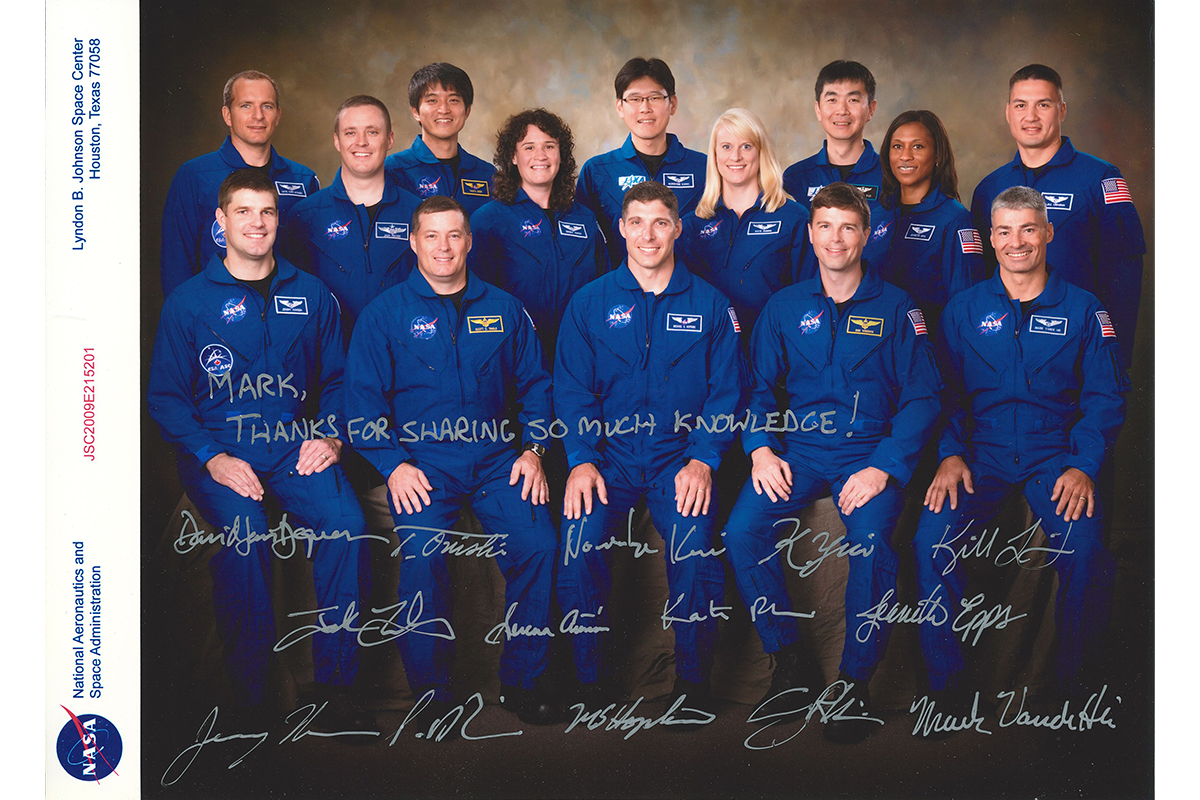
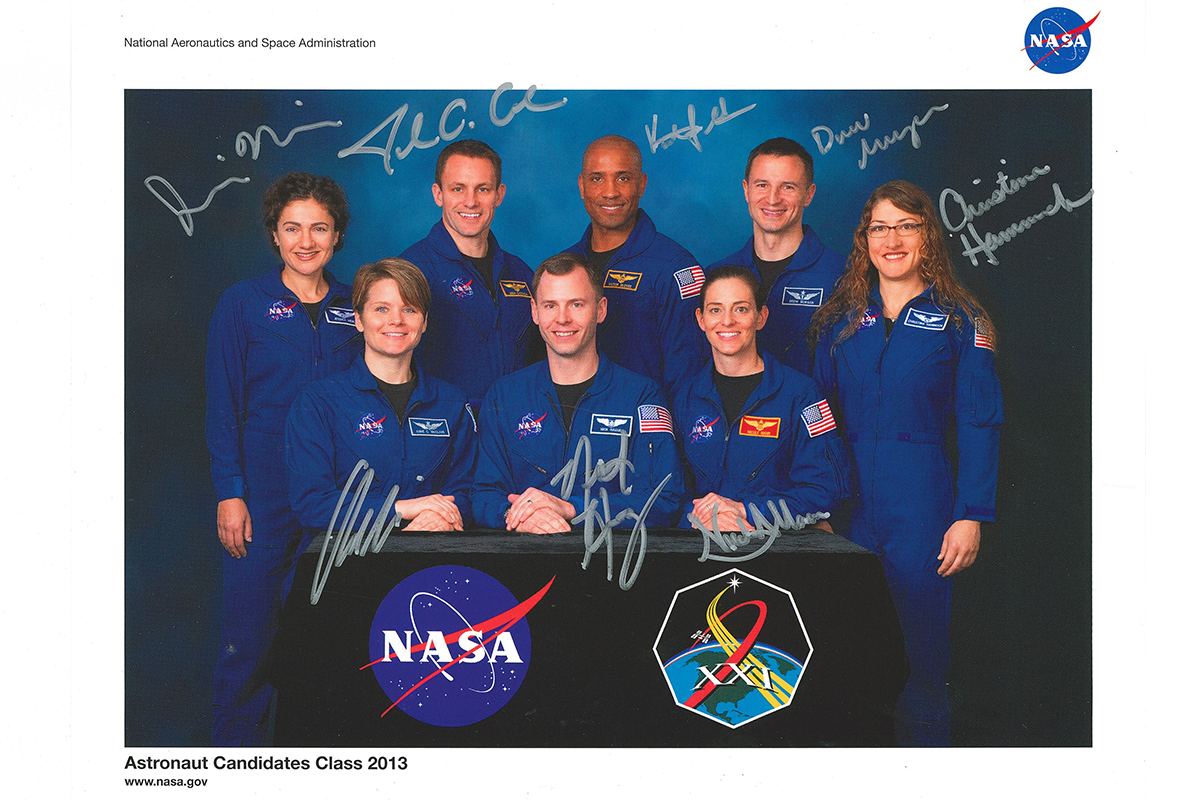
Mark Helper, now an emeritus distinguished senior lecturer at The University of Texas at Austin Jackson School of Geosciences, helped train every new class of NASA astronaut hopefuls since 2009, including all four of the moonfaring Artemis II astronauts: Commander Reid Wiseman, pilot Victor Glover, and mission specialists Christina Koch and Jeremy Hansen.
While the geosciences might not necessarily jump to the forefront of people’s minds when discussing space missions, exploring moons and planets fundamentally involves geology.
Helper said he felt a sense of immense pride watching the Artemis II fly-by and listening to his former NASA students put some of the skills they learned in the field to work.
“I was a bit like a proud parent listening to Victor and Reid talking about and describing what they were seeing,” he said. “To have your very best students and see them being successful — based a little bit on what you’ve taught them — that’s incredibly satisfying.”
NASA selects a new astronaut candidate class about every four years. Each astronaut class undergoes 18 months of training before graduating to join the Astronaut Corps. That training covers basic spaceflight operations, International Space Station systems, spacewalks, robotic arm operations, flight certification, and other skills — including field geology. In the Artemis II crew, Wiseman and Hansen were part of the 2009 class, and Glover and Koch were part of the 2013 class.
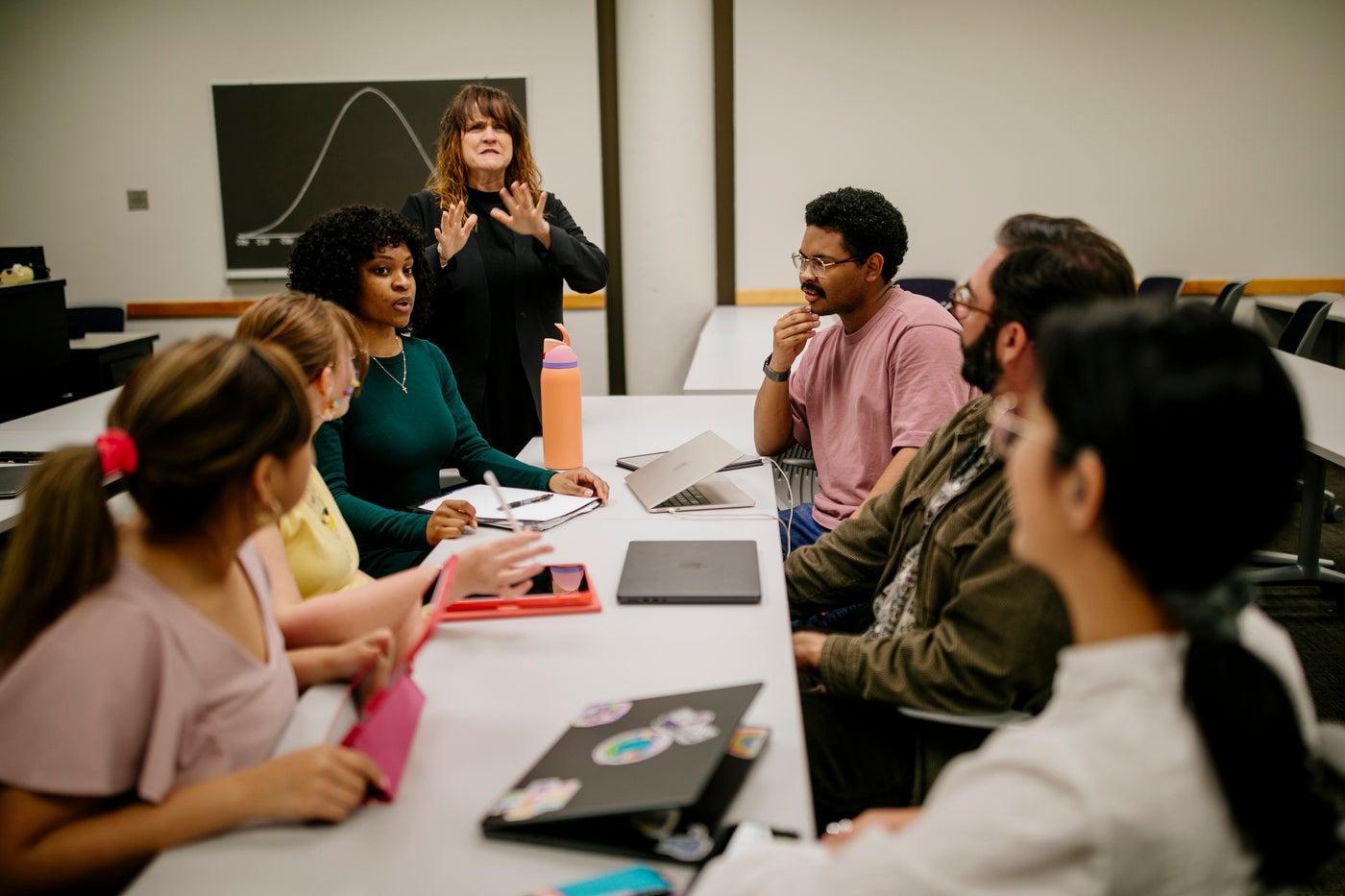
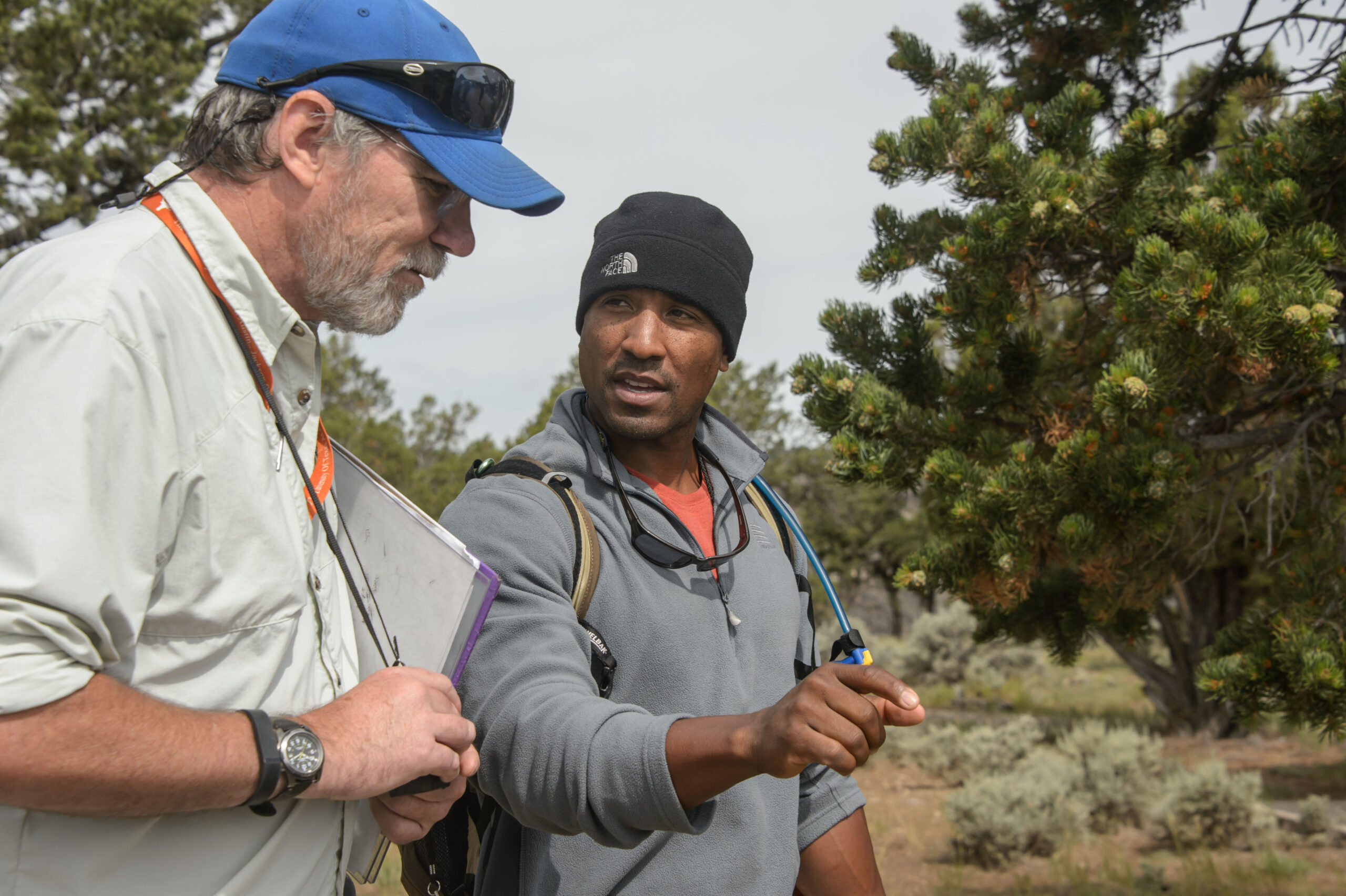
Helper, who led the UT Geology Field Camp for 37 years, designed and taught the five-day field exercises that astronaut recruits were required to take. The field work, which comes after a week in the classroom learning the basics of geology, took place along the upper Rio Grande, outside Taos, near the tiny town of Questa, New Mexico. It involved many of the same geologic mapping and field data collection exercises that Jackson School undergraduates tackled during the school’s flagship field camp.
Squeezing the knowledge of how to map and interpret geologic history into such a short time represented a unique challenge, but Helper said the astronauts in training are all truly exceptionally talented students.
“It’s quite remarkable to work with them,” Helper said. “They pick up things so quickly, and they remember things so well. It’s kind of scary. The other thing that’s quite remarkable is in those two classes, none of them had any geoscience background at all — zero.”
Helper said he worked very closely with Glover during his training and has kept in touch since. He listened with particular interest to Glover’s observations that he relayed to NASA Mission Control Center in Houston.
“His descriptions were technically quite sound,” Helper said. “I mean, they’re really good. I thought, ‘Wow, he’s learned some things since he was with me.’”
Helper is the latest in a long line of UT geologists who have helped NASA astronauts understand what they are looking at on alien worlds (as well as when peering back on Earth). It started in 1964 with professor William “Bill” Muehlberger, who served as the principal investigator for field geology for the Apollo 16 and 17 moon missions and spent 40 years training NASA astronauts. Muehlberger also had the distinction of having the largest moon rock ever brought back from the lunar surface named in his honor by Apollo 16 astronaut Charlie Duke.
Helper was last in the field with NASA in 2022 and thinks that was probably his last training mission, although he is leaving the possibility open to do more. Without him, there are no longer any UT faculty members involved in the NASA geology training, but Jackson School alumnus Ryan Ewing is now involved in the program.
“You pass the torch to a younger generation of geologists,” Helper said. “I’m really pleased to see the young group of trainers we have now.”
Helper’s field geology training of Artemis II crew, and other Artemis program astronauts, is part of a proud history of UT Geology involvement with NASA missions. For more on how UT geologists have helped NASA missions, read “From Earth to the Moon.”