Mindful eating: Thanksgiving nutrition advice
Nutrition expert Monica Meadows from the Department of Human Ecology explains how to eat smart and savor your food this holiday.
This story first appeared on the Texas Science Web site.
The 140 or so pilgrims and Native Americans who feasted at the first Thanksgiving might have been appalled by the cornucopia of fat-laden food that Americans devour on the modern-day holiday.
During a three-day harvest celebration in the fall of 1621 in Plymouth, Mass., the early Americans likely dined on dried berries, corn, venison, clams, wild turkey and fish such as cod, sea bass and eel.
Fast forward to the 21st century. These days, the typical Thanksgiving fare consists of turkey, stuffing, mashed potatoes, gravy, cranberry sauce and pumpkin pie.
Add all that up, and the Thanksgiving meal of modern times is a buffet of calories and fat. In fact, the average American typically gobbles up enough fat on Thanksgiving to equal three sticks of butter, according to the Calorie Control Council.
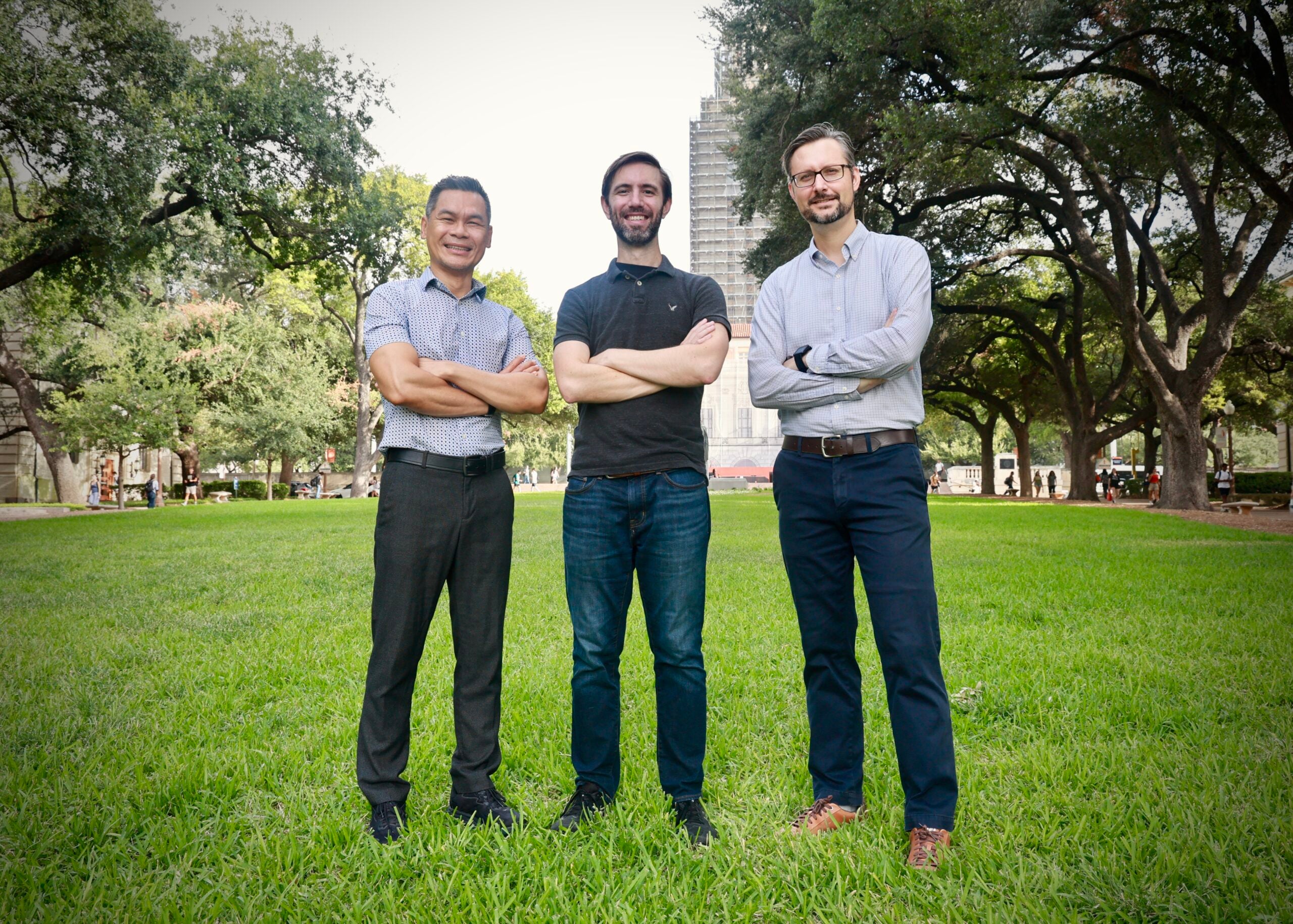
Monica Meadows Photo: Beatrice Murch Dr. Monica Meadows, a nutrition expert at The University of Texas at Austin, pegs the calorie count for Thanksgiving Day at anywhere from 1,500 to 6,000. The American Council on Exercise estimates a standard Thanksgiving meal comprises 3,000 calories, with another 1,500 calories tacked on during the day for beverages and before- and after-meal snacking.
Despite those stomach-stretching numbers, Meadows, a registered and licensed dietitian who is a lecturer in nutritional sciences in the university’s Department of Human Ecology, says you don’t have to give up that extra helping of mashed potatoes or that second piece of pumpkin pie at Thanksgiving. You can take steps on and around the holiday to help ensure you don’t wind up feeling like a Macy’s Thanksgiving Day Parade float. One key to healthier eating at Thanksgiving is being mindful of what you put on your plate and put in your mouth, Meadows says.
Thanksgiving fare is special food for a special occasion, and Meadows says people shouldn’t shy away from savoring it.
“You don’t want to deprive yourself,” she says. “But you don’t also have to participate in a lot of mindless eating.”
How can you best put your mind to eating better at Thanksgiving? Meadows suggests you:
- Adjust your recipes. For example, reduce the amount of butter that’s whipped into the mashed potatoes, and substitute low-fat milk or buttermilk for whole milk.
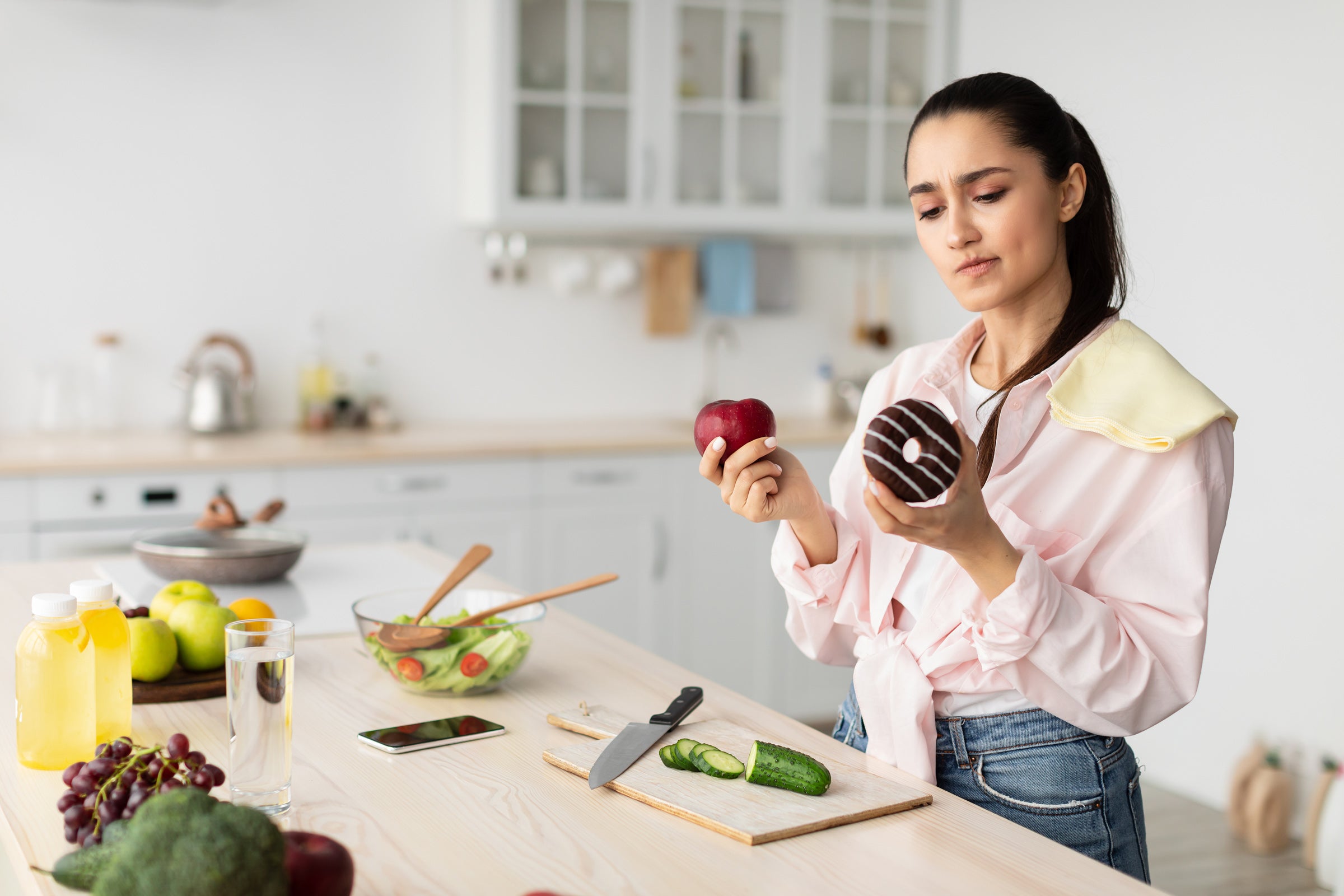
- Grab a smaller plate. Instead of using a dinner plate, put your food on a salad plate. “Our eyes do a lot of the shopping when we’re going to any sort of buffet setup,” Meadows says. “If you use a smaller plate, you’re generally satisfied with what you get.”
- Pay attention to portion size. Fill half your plate with vegetables — salad with low-fat dressing or steamed veggies — before you plop on the higher-calorie food, Meadows says. By the way, green bean casserole doesn’t quite qualify as a vegetable; it’s chock-full of fat. (Learn more about portion control.)
- Munch on fruits and vegetables as appetizers. Snacking on chips, dip and crackers easily can rack up another 500 to 1,000 calories at Thanksgiving, so “spoil your appetite” by nibbling on fruits and vegetables before you sit down at the dinner table, Meadows says.
- Peel off the skin. Cook the turkey in the skin to lock in moisture, but remove it before you eat the meat, Meadows says. For those “who just can’t turn away from that lovely golden brown skin,” she says, be aware that a significant amount of turkey fat is found in or just under the skin, so fine-tune the rest of your meal accordingly.
- Keep the serving dishes away from the table. You’re bound to chow down less if the food is served in one spot and the dinner table is in another spot, rather than all of the food being spread across the dinner table, Meadows says. “At least if you’re going to go back for seconds,” she says, “you have to think about it. It’s not a mindless grab across the table to get those extra calories.”
- Pick pumpkin. If you’re going to treat yourself to a slice of pie, pumpkin is the wisest choice, Meadows says. While a slice of pumpkin pie packs about 300 calories and 14 grams of fat, it’s lighter in calories and heavier in nutrients such as vitamin A and fiber than its dessert cousins. A piece of apple pie is crammed with about 400 calories and 20 grams of fat, she says, but pecan pie takes the cake at about 500 calories and 27 grams of fat per slice.
- Minimize grazing. Store the leftovers right after the meal, Meadows says, so you limit the temptation to taste one more bite of mashed potatoes or one more spoonful of green bean casserole.
- Monitor the beverages. Drink water or artificially sweetened iced tea instead of sugary soda or other beverages loaded with calories, Meadows says. If you decide to sip some egg nog, realize that one cup contains 340 calories and 19 grams of fat. As a trade-off, some people might down a cup of egg nog but skip the apple pie. Others might partake of the egg nog and apple pie but take a walk afterward. “And some people will say, ‘It’s Thanksgiving — get off my back,’” Meadows says with a laugh.
If you opt for the “get off my back” route, remember that a 160-pound person must run a moderate pace for four hours, swim for five hours or walk 30 miles to burn off a 3,000-calorie Thanksgiving meal, according to the American Council on Exercise. (Find out your ideal daily caloric intake.) You can help offset the Thanksgiving gorging by boosting your activity level before and after the holiday, Meadows says, and carefully weighing your food choices on the few days sandwiched around Thanksgiving.
Relish the turkey and trimmings in moderation, but don’t feel like a turkey if you stuff yourself on Thanksgiving, Meadows says.
“I do not believe in the idea that you should have to restrict eating at special occasions,” she says. “But you need to be careful that you don’t start having special occasions on a very regular basis as an excuse to overindulge.”
Read the story in its original form. Original run date: November 2006.