Want to Motivate Students While Fostering Their Autonomy? New Research from UT Austin Can Help.
UT Austin researchers may have help for parents and educators attempting to locate that sweet spot between giving students enough direction to succeed and allowing them the autonomy to set and follow goals.
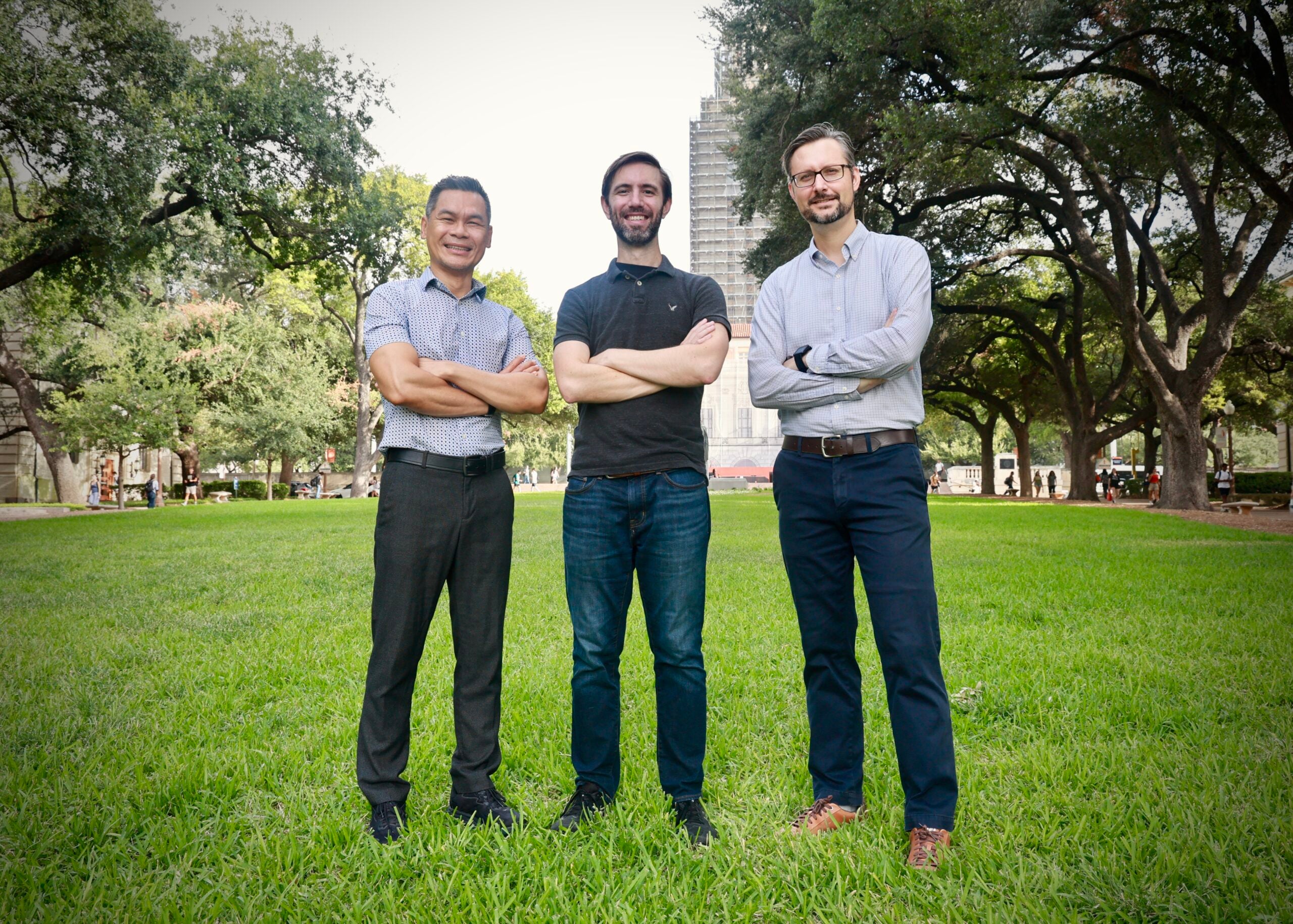
Image Credit: Lead Author and Educational Psychology Doctoral Candidate Jin (EunJin) Seo

AUSTIN, Texas – Researchers from The University of Texas at Austin may have some help for parents and educators attempting to locate that sweet spot between giving students just enough direction to succeed and allowing them the autonomy to set and follow their goals.
Too much external direction can demotivate students, but if enough isn’t given, they can flounder because they lack the skills and ability to set self-motivating goals. But according to Jin (Eunjin) Seo, an educational psychology doctoral candidate in the College of Education and lead author of a new study that tackles the issue, if-then action plans can help.
“Our research suggests that when educators teach students to form specific if-then action plans, students are better able to achieve goals that they have set for themselves, as compared to when they don’t supplement their goals with specific plans,” says Seo.
It’s a finding that adds to the body of knowledge about student motivation.
“Much of the previous research shows the motivational benefits of fostering autonomy and choice in educational settings,” says co-author Marlone D. Henderson, an associate professor of psychology in the College of Liberal Arts. “Yet other research has also shown that students often fail to achieve goals that they set for themselves.”
Failure to reach self-set goals is a familiar problem for many people, notes Seo. “Think about how many times you failed to continue working on your New Year’s resolutions, which has no social pressure ascribed by others,” explains Seo.
If-then action plans can be effective by specifying a concrete time and place to work toward a goal, as well as how to prevent common distractions the goal pursuer anticipates. For example, a student who wants to increase time exercising, writing, or connecting with family might create the following:
- I will go to the gym right after my class ends at 3:15 p.m. on Monday, Wednesday and Friday. If my friends want to hang out during the planned time, then I will put my phone on silent during my workout.
- Every morning after taking a shower, I will sit down at my desk and write one page of my final paper for a course before having my breakfast. I expect that my roommate may disturb me during this time. In order to prevent this distraction, I will tell my roommate in advance about my writing plan and wear earphones to block any unexpected sounds.
- Every time I drive to work, I plan to call one person among my family members and friends to improve my social relationships. I worry that I will often forget to do this. To prevent forgetting to call someone, I will set an alarm on my phone to give myself a reminder when I get into my car.
“Ultimately, this research is about teachers and educators finding ways to best motivate students to learn and do well in school, while at the same time empowering students to do things independently that will ultimately help them master skills and knowledge,” says Seo. “In this way, parents and teachers can help students reap the motivational benefits of feeling empowered from choosing their own goals, while also reaping the benefits of actually achieving their goals by setting specific actions plans.”
For educators and parents, it’s like having their cake and eating it too.
UT College of Education educational psychology graduate student Rebecca Steingut and University of Southern California Associate Professor Erika A. Patall were also co-authors on the study, which was published in The Journal of Experimental Education.