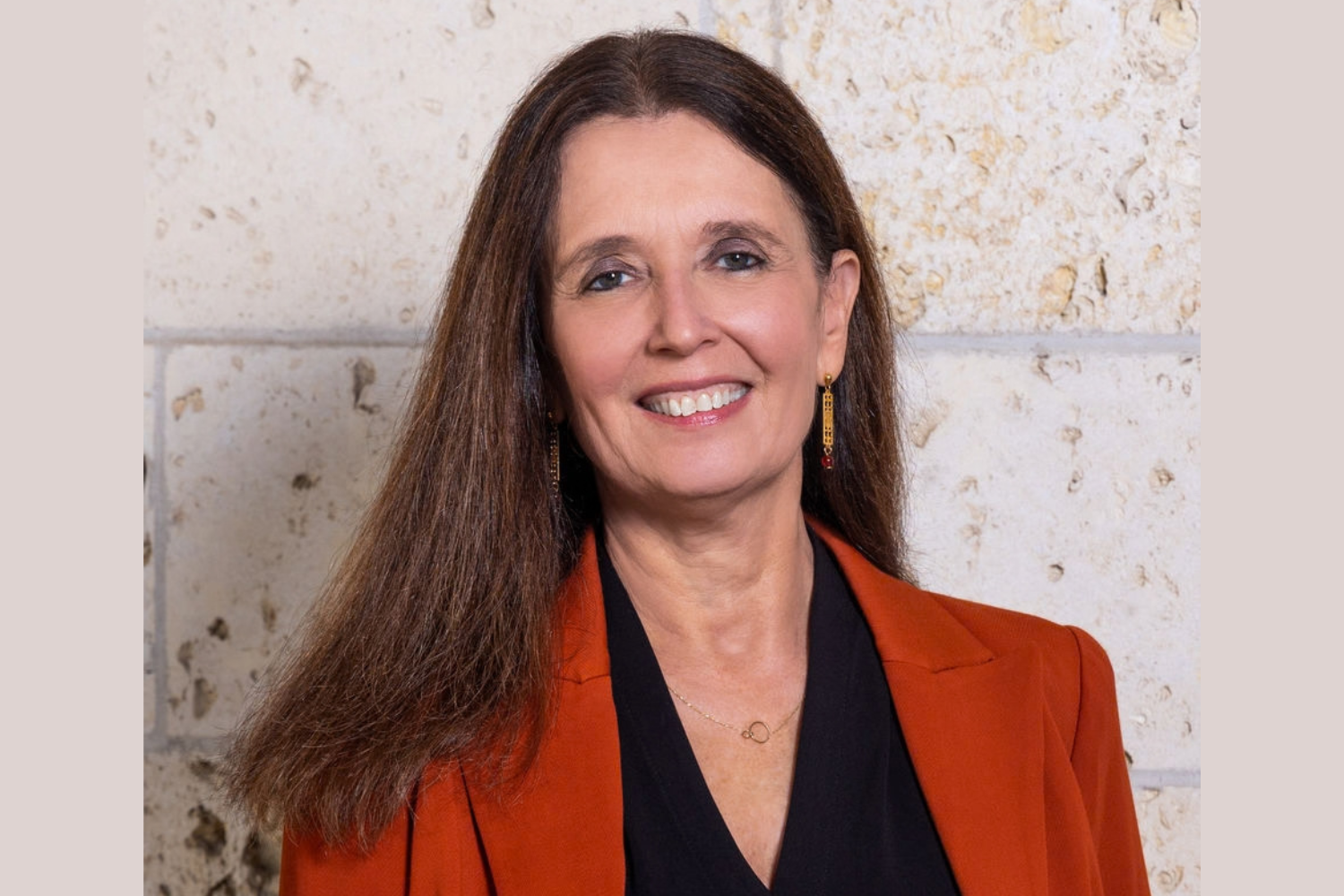
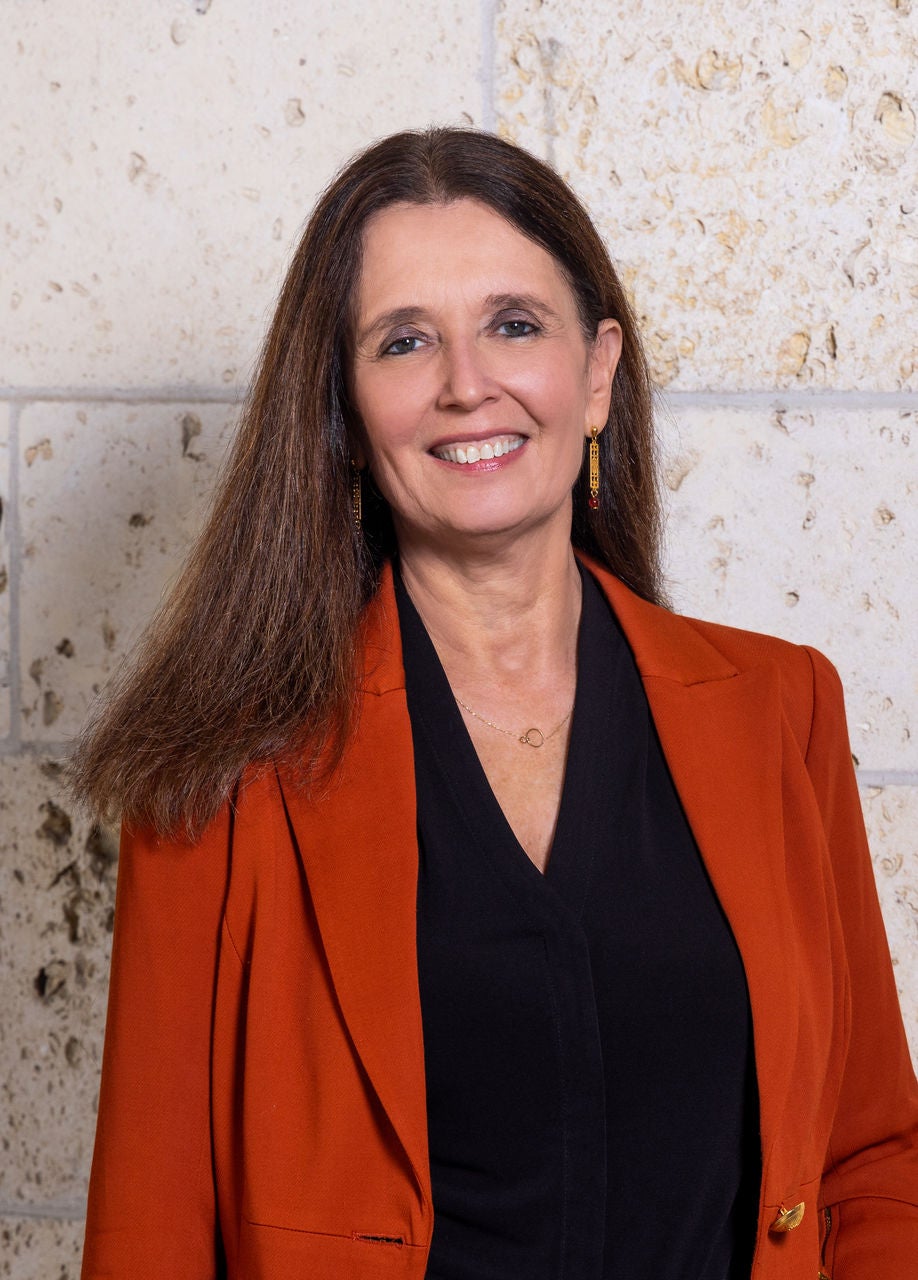
The University of Texas at Austin has named Claudia F. Lucchinetti, M.D., executive vice president for medical affairs and the UT Dell Medicine health system.
Lucchinetti, an internationally recognized neurologist, will continue to serve as dean of Dell Medical School and lead the University’s medical enterprise. Her elevation reflects both the impact of her leadership and the University’s commitment to expanding access to advanced care for Texans while developing new approaches to health and care that will improve lives across the country.
“Dr. Lucchinetti is the right person to establish UT Austin as a global leader in academic medicine,” said President Jim Davis. “She has the vision, experience and drive to bring together integrated patient care, research and medical education in a way no other leader can. Elevating her role is a crucial step in building a world-class health system for Texas and beyond.”Lucchinetti came to Texas in 2022 after nearly three decades at Mayo Clinic, where she was chair of the Department of Neurology, dean of clinical and translational science, and a member of the board of trustees. At UT, she is advancing a vision for a new model of academic medicine that draws on the University’s strengths to rethink how care is delivered and help Texans live longer, healthier lives. A centerpiece of that vision is UT Dell Medical Center, which The University of Texas System announced in 2023.
Opening in 2030, UT Dell Medical Center will unite patient care, research and medical education with advanced technologies to help clinicians deliver more precise, proactive and personalized care. Planning and design reflect Lucchinetti’s approach to academic medicine — connecting care across the home, community, clinic and hospital.
Major philanthropic commitments from Michael and Susan Dell and Tench and Simone Coxe further underscore the momentum behind UT Dell Medical Center and confidence in Lucchinetti’s leadership. At the same time, Dell Medical School continues to attract nationally recognized physicians, researchers and innovators to Austin.
“Our ambition is to set a new standard for academic medicine,” Lucchinetti said. “We have the capabilities of an extraordinary university and a rare opportunity to rethink how care works from the beginning. We can design it around a person’s life, act earlier to preserve health, and learn from every encounter. What we build here should help shape how medicine is practiced across the country, with scientific discovery and human connection working together to help people live healthier lives.”
Lucchinetti draws on decades of experience as a physician-scientist, connecting the care of patients with neurological disease to research aimed at improving diagnosis and treatment. Her contributions to medicine’s understanding of multiple sclerosis earned her the John Dystel Prize in 2016 — one of the field’s highest honors — and established her as a leading voice in academic medicine.