UT Celebrates Naming of Architecture Library for Alumnus and Texas’ First Black Architect John S. Chase
As the first Black graduate of The University of Texas at Austin’s School of Architecture, John S. Chase helped open doors for generations of architects. Now, the library that serves Longhorn architects and planners bears his name.
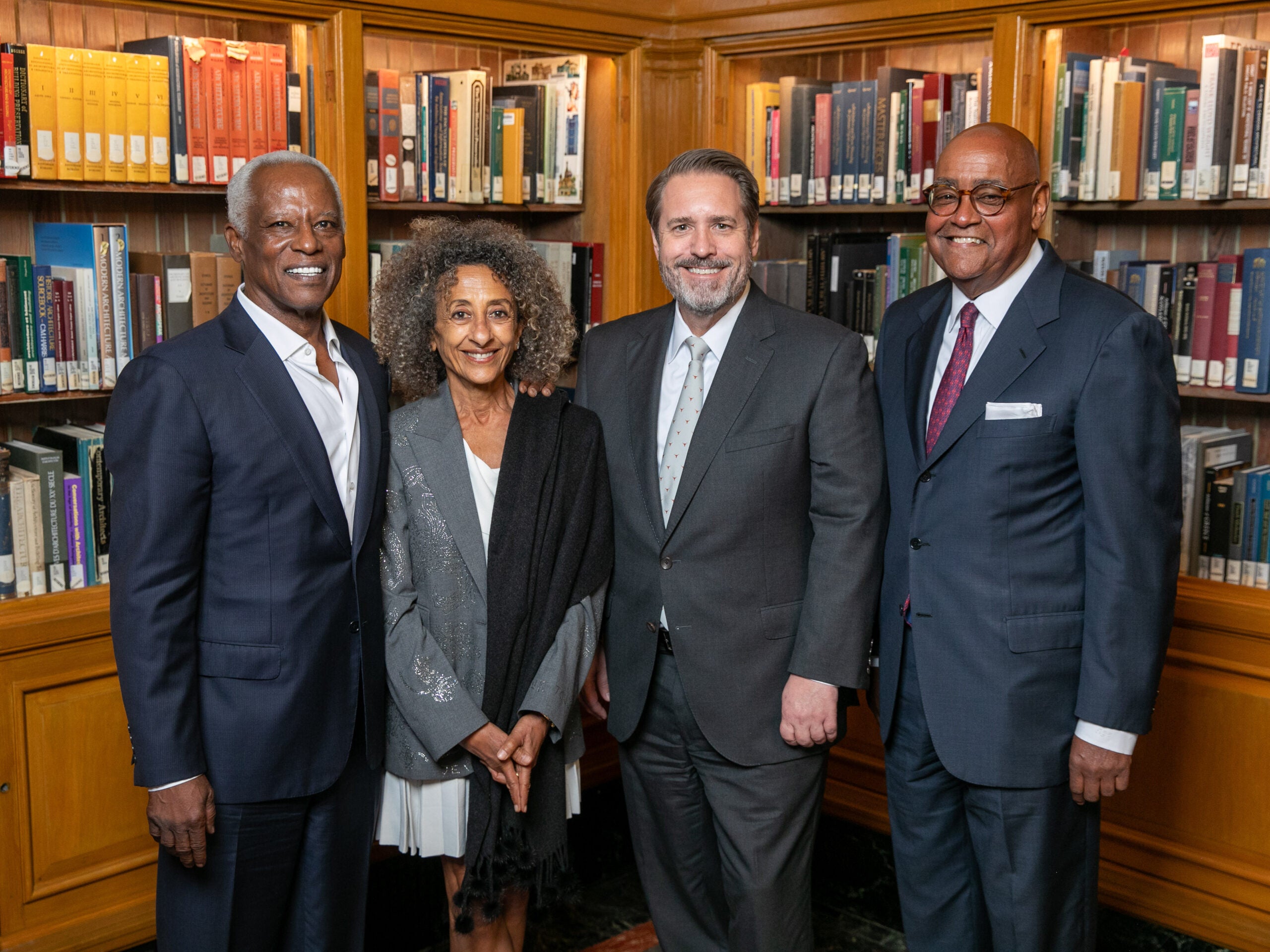
Left to right: Anthony “Tony” Chase, Dina Al-Sowayel, UT President Jim Davis and Harris County Commissioner Rodney Ellis.
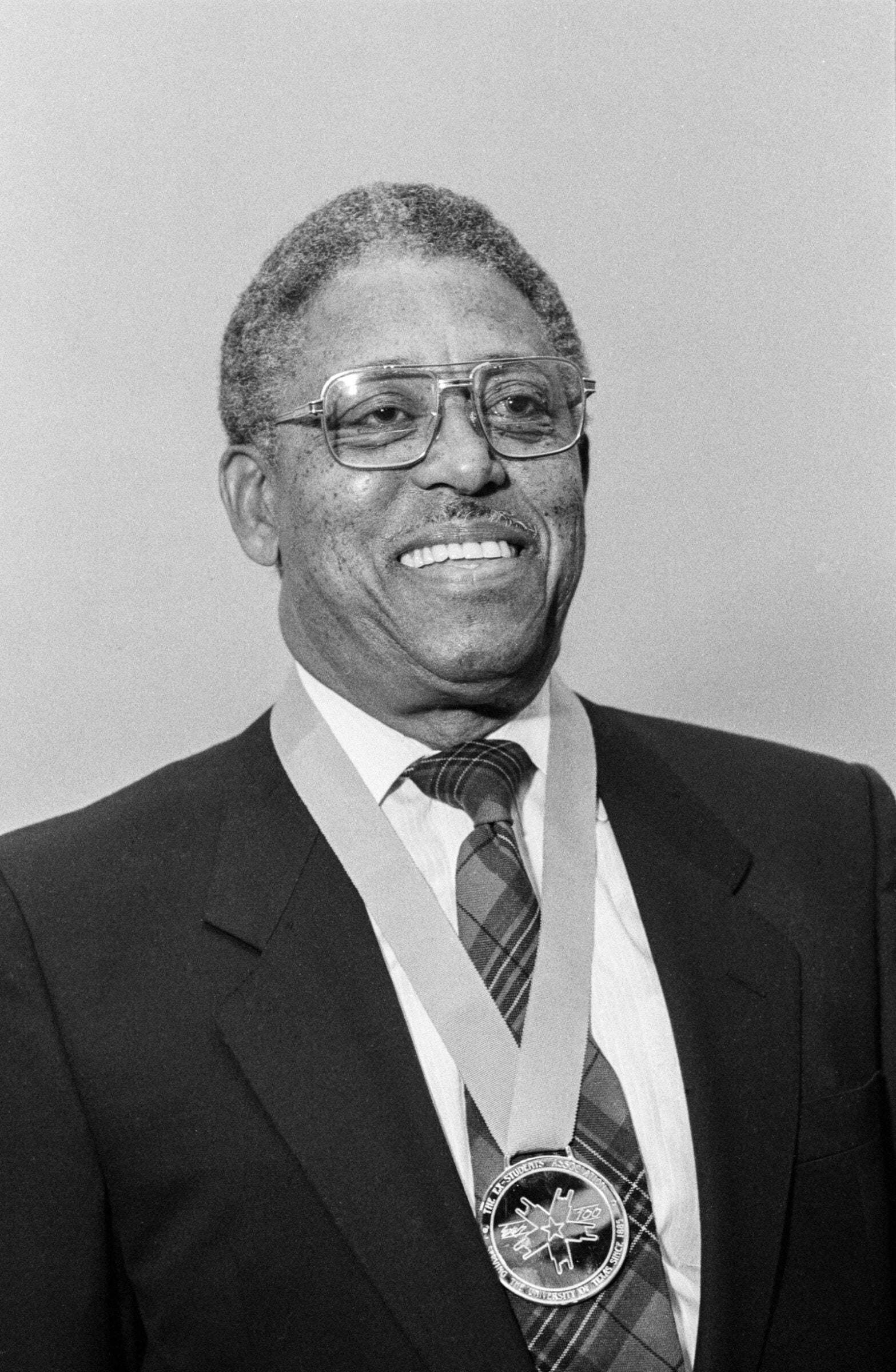
The University celebrated the dedication of the John S. Chase Architecture and Planning Library on Oct. 22, honoring the pioneering alumnus who became Texas’ first Black licensed architect. Chase enrolled at UT just two days after the U.S. Supreme Court’s landmark 1950 ruling in Sweatt v. Painter challenged segregation in higher education. He earned a Master of Architecture in 1952 and built a career designing bright, minimalistic spaces that were community centered.
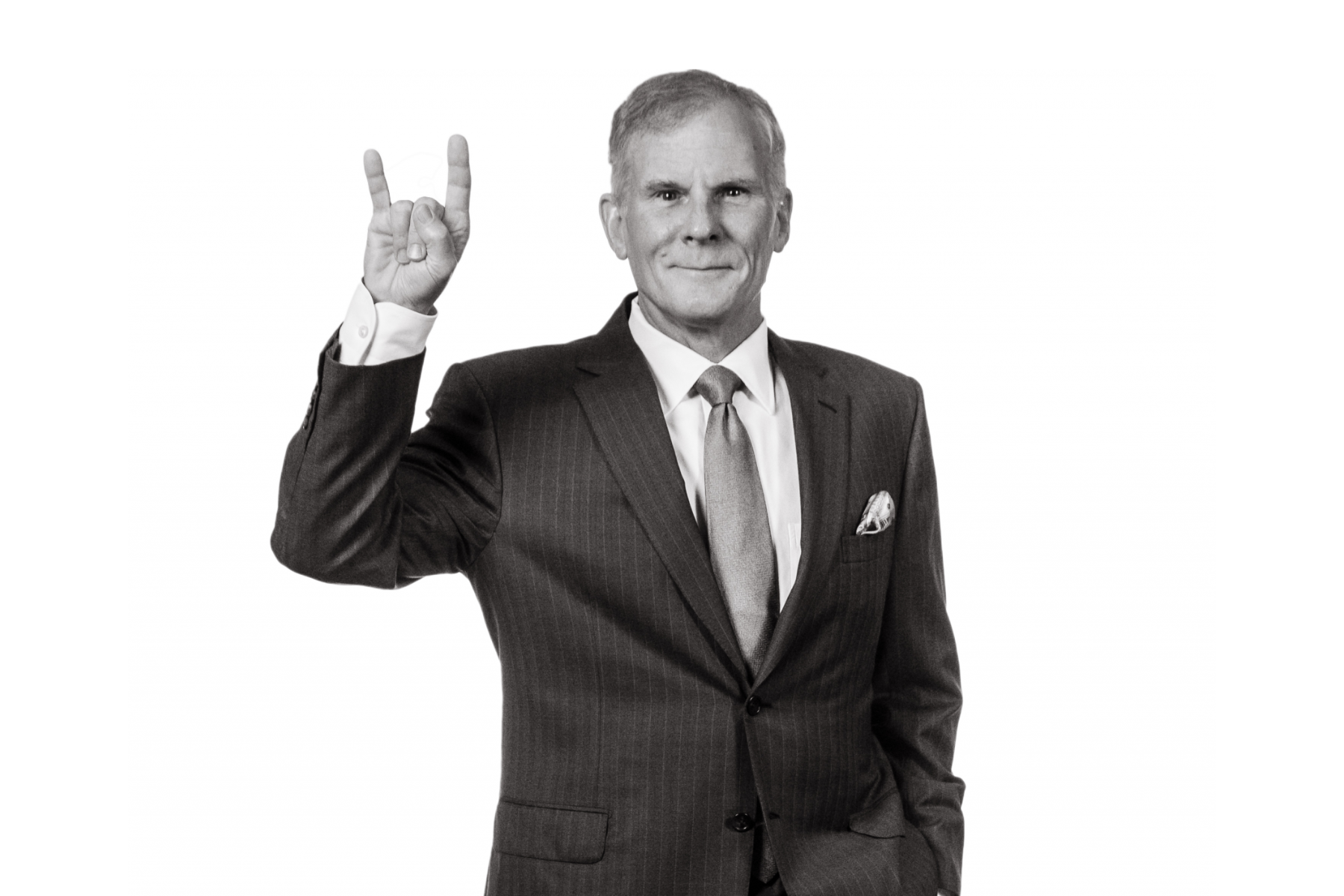
State, local and University leaders attended the dedication, including UT President Jim Davis, Regent Jodie Jiles, Provost William Inboden, Senior Vice Provost and UT Libraries Director Robert H. McDonald, School of Architecture Dean Heather Woofter and Harris County Commissioner Rodney Ellis.
The Chase Library naming was made possible through a transformational $5 million gift from Chase’s son, Anthony “Tony” Chase, and daughter-in-law Dina Al-Sowayel. The gift includes a previously announced $1 million pledge establishing two new endowments for UT Austin’s School of Architecture.
“John Chase’s story is an important part of the story of our University and our state,” said UT President Jim Davis. “He broke barriers throughout his remarkable life and career, and he also gave back to this University and created opportunities for those who came after him. Now his name will be part of a place where generations of Longhorns will learn, explore new ideas, and prepare for their future. We are proud to honor his legacy and character in this important way.”
Chase’s career was trail blazing: He was the first Black member of the U.S. Commission of Fine Arts and first Black architect to join the Texas Society of Architects as well as the Houston chapter of the American Institute of Architects. He co-founded the National Organization of Minority Architects and earned Fellowship in the American Institute of Architects — the organization’s highest membership honor. Chase was also an active volunteer at his alma mater, serving as a member of UT’s Development Board and Commission of 125, and as the first Black president of the Texas Exes during 1998-99. He received the Texas Exes Distinguished Alumnus Award in 1992.
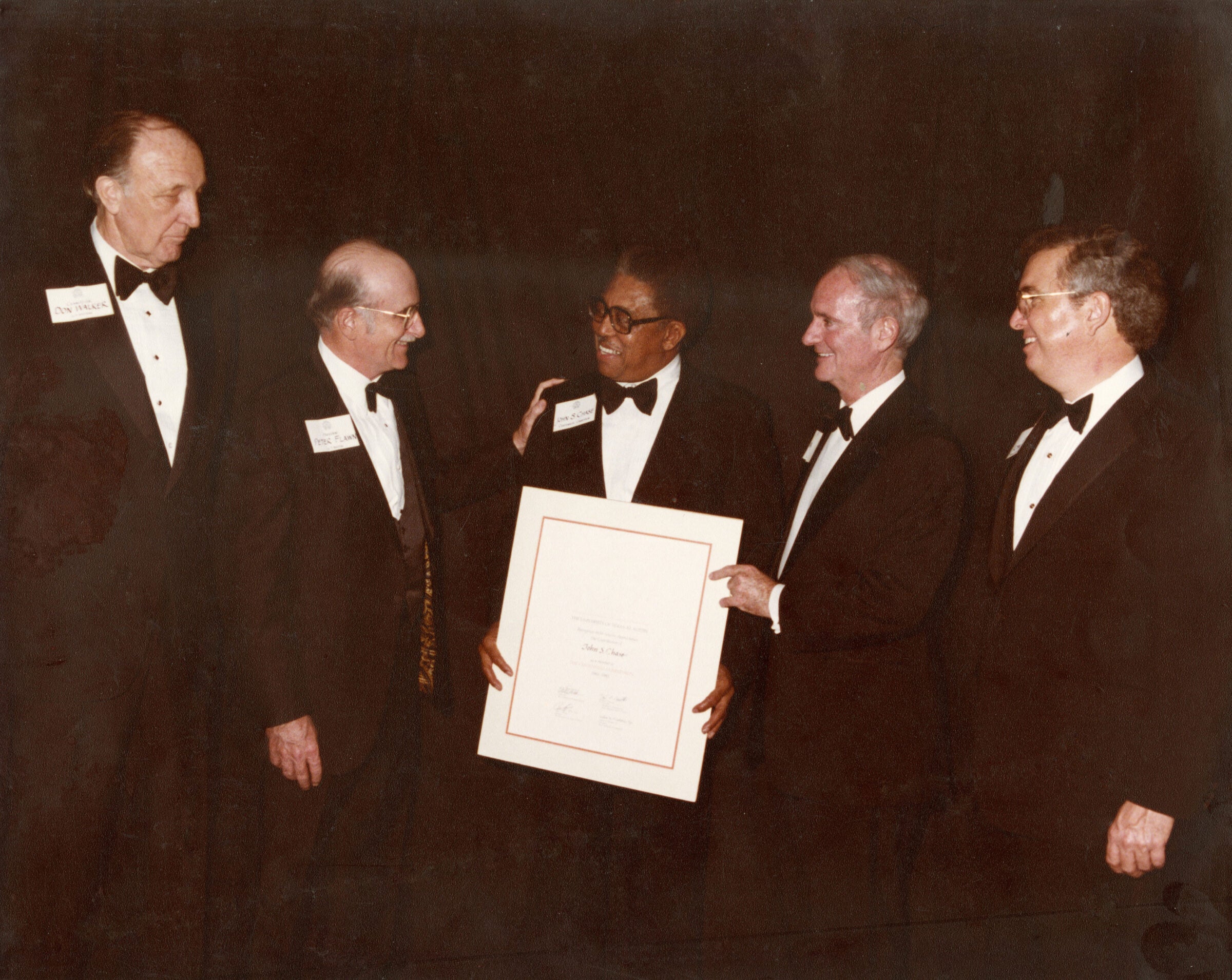
“Thanks to the Chase family’s generous support, we are helping to preserve John Chase’s contributions to the field of architecture and higher education on the Forty Acres and beyond,” said Senior Vice Provost and UT Libraries Director Robert H. McDonald. “As we continue to grow our world-class collections and programming, UT Libraries is honored to champion spaces and resources that bring people together and create opportunities for them to thrive, just as John Chase did throughout his life.”
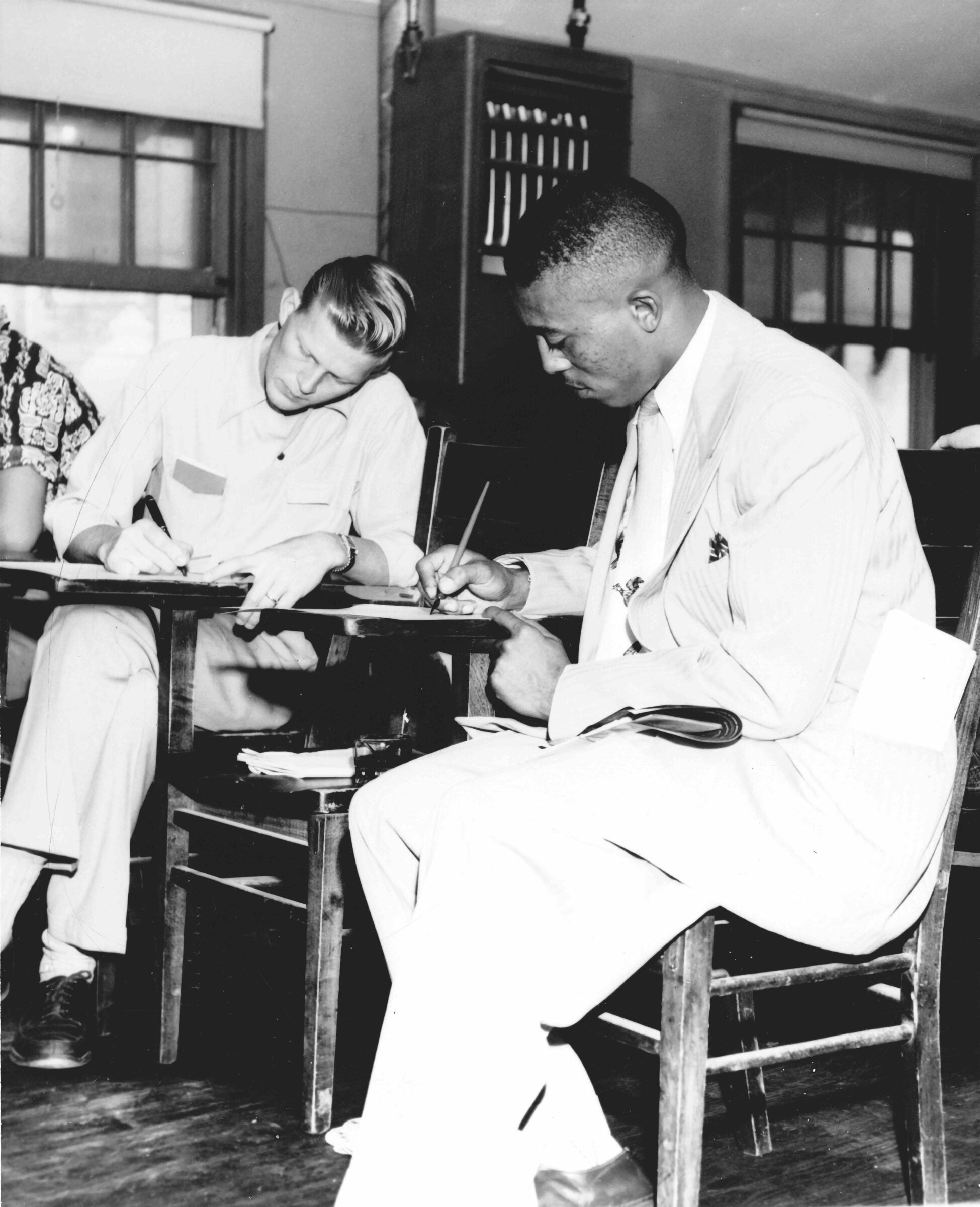
Chase’s architectural legacy is woven through Texas communities, including Houston’s Riverside Terrace neighborhood, where he built a home for his wife Drucie and their children John Jr., Tony and Saundria. Other early works include churches, single-family residences and office buildings for Black communities, several located in East Austin. In 1952, he designed the headquarters for the Colored Teachers State Association of Texas. UT acquired the building in 2018 and restored, updated and dedicated it as the John S. and Drucie R. Chase Building.
“As the first Black graduate from the School of Architecture, John Chase spent his career making room in the profession for the architects who came after him,” said Architecture Dean Heather Woofter. “His family has long carried that spirit forward, and Tony and Dina’s gift will support students and faculty for generations. We are deeply grateful to them for investing in the school where John Chase first imagined his future as an architect.”
From the late 1950s to the late 1990s, Chase designed 21 buildings, completed at least 15 renovations, and helped develop the campus master plan for Texas Southern University, where he also taught. On UT’s campus, Chase’s firm designed the San Antonio Parking Garage and Mike A. Myers Stadium and Soccer Field. In Washington, D.C., his notable projects included the Washington Technical Institute and the national headquarters of Links Inc. and Delta Sigma Theta Sorority Inc. His firm is known for almost 300 buildings or renovation projects.
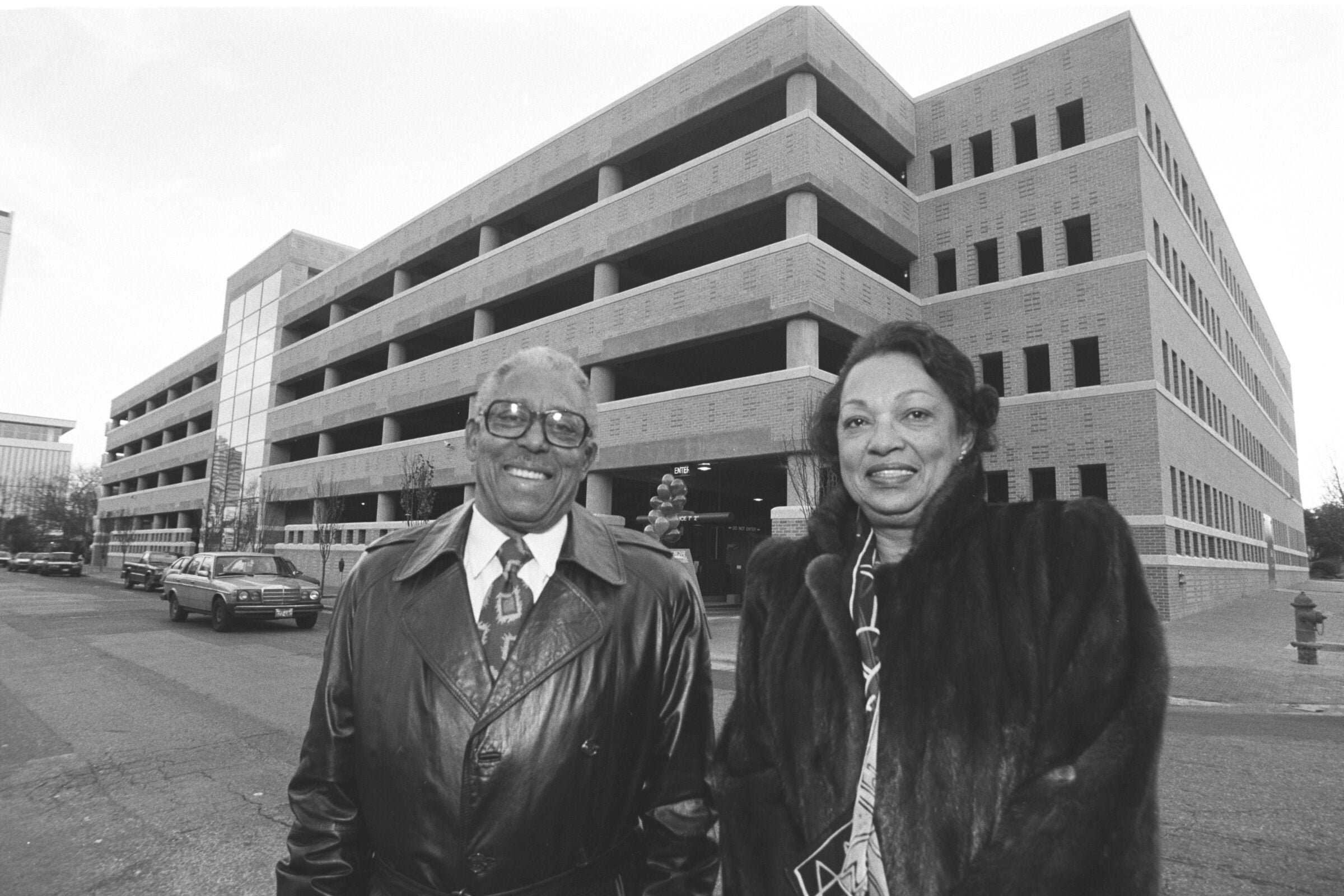
Many of Chase’s projects were built in Houston, where he relocated to start his own practice. Chase contributed to the George R. Brown Convention Center and the renovation of the Harris County Astrodome, two major venues for Houston’s civic, cultural and sporting life. Throughout his career, Chase used his position to create opportunities for others, hiring minority engineers, architects and draftsmen.
His lifelong commitment to public service and expanding opportunity continues to resonate across generations, including his own children and grandchildren. “My father always said, ‘A life is not important except in the impact it has on other lives,’” Tony Chase said. “Our hope is that having my father’s name and story of perseverance and positive change affixed to the architecture and planning library will inspire future generations of students, like my daughter Kat, who’s in her first year at UT, to broaden their awareness of what is possible.”

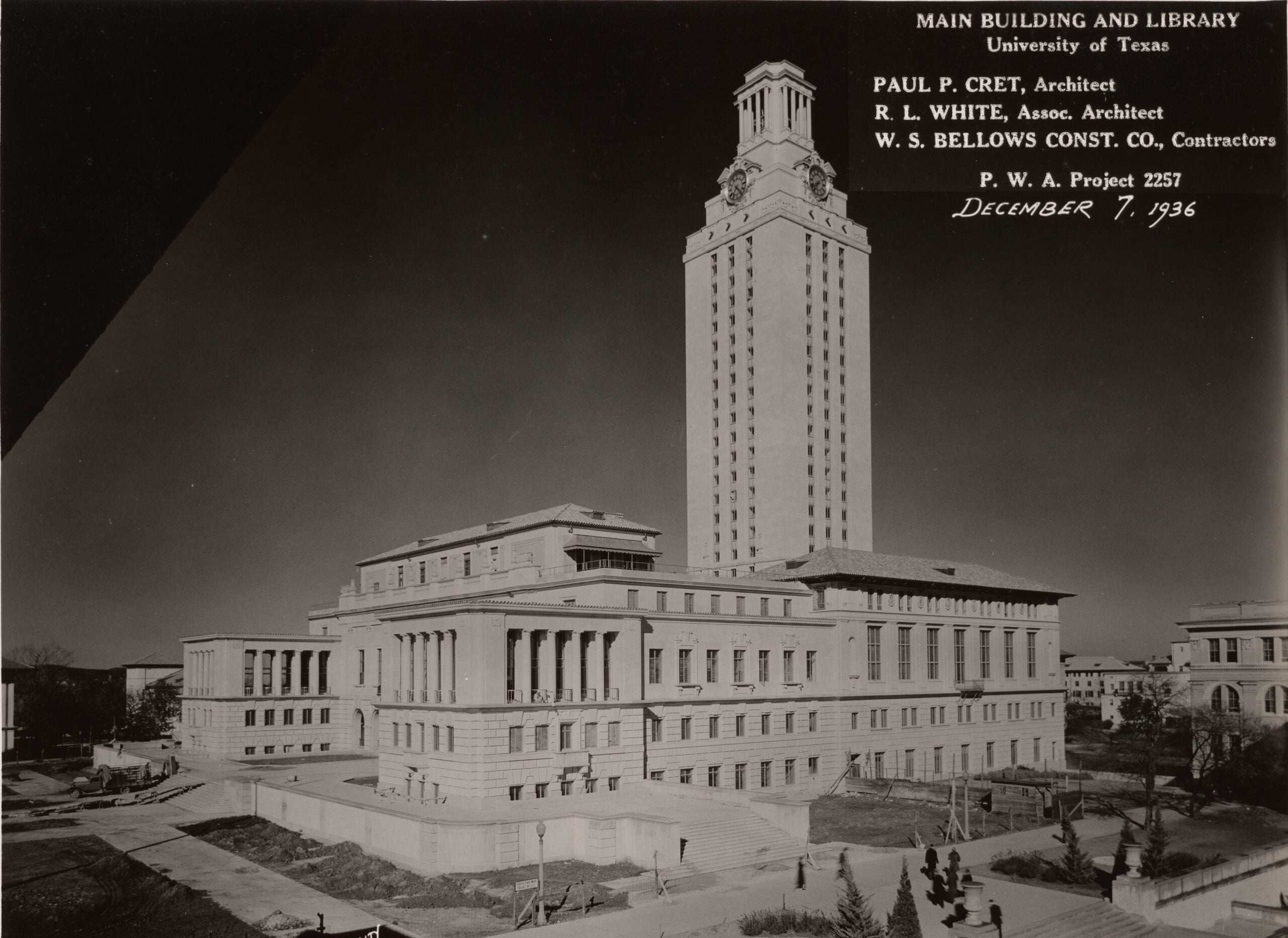
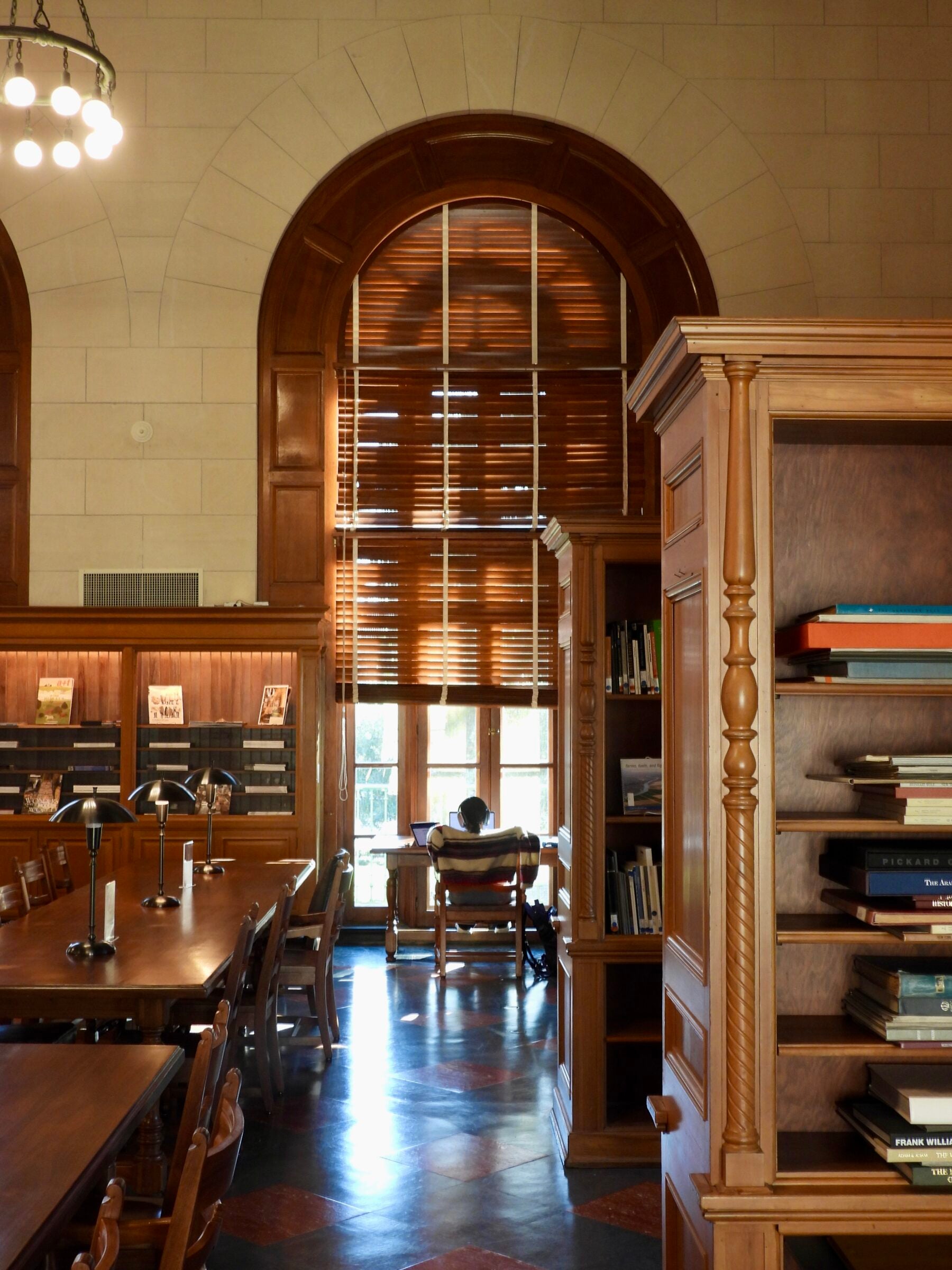
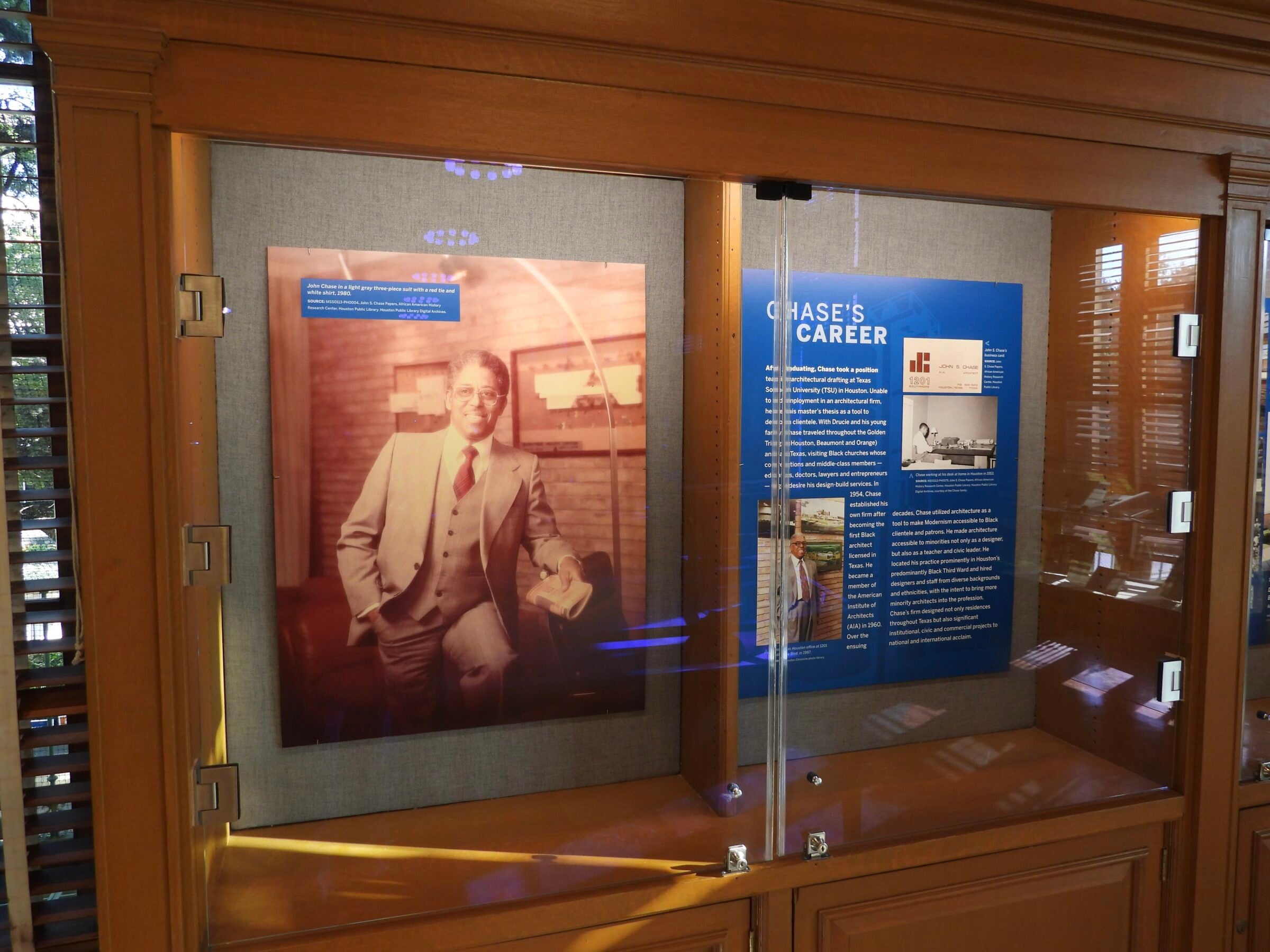
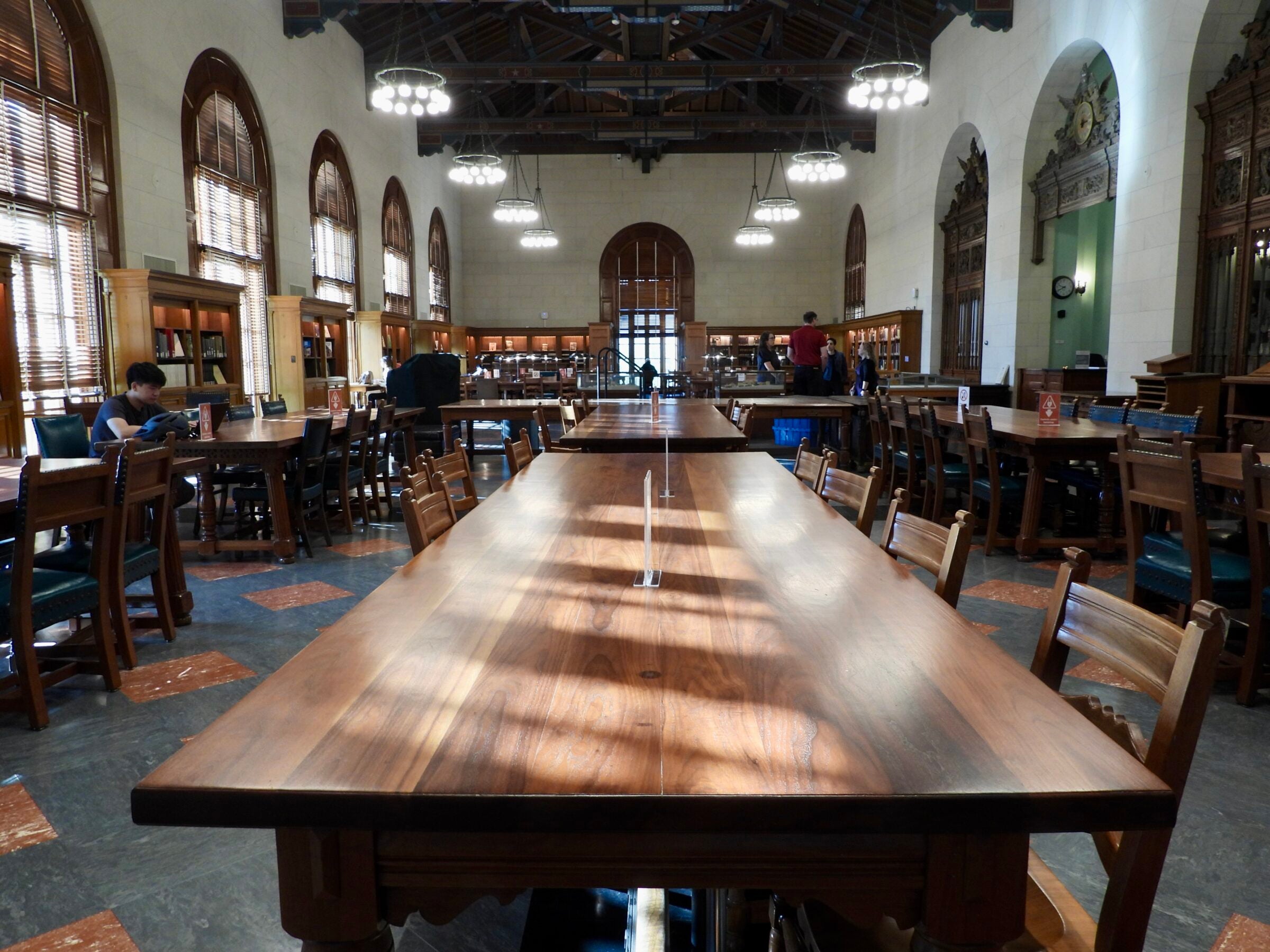
The John S. Chase Architecture and Planning Library is in Battle Hall — the newly renovated 1911 Cass Gilbert-designed building considered one of the campus’s architectural crown jewels. The library itself is a research hub for the multidisciplinary study of the built environment, with collections that are international in scope with a significant focus on architecture in Texas, the Southwest U.S. and Latin America. The Chase Library also houses the Alexander Architectural Archives, one of the largest architectural repositories in the country. “A Library for a Legacy: John S. Chase,” curated by assistant professor Tara A. Dudley with architecture librarians Katie Pierce Meyer and Beth Dodd, is currently on exhibit in the Chase Library reading room.
Tony Chase is the chairman and CEO of ChaseSource LP — a staffing, facilities management and construction firm he founded. He presently sits on the board of directors of LyondellBasell, Cullen/Frost Bankers Inc. and Nabors Industries. He also is a founder of Cricket Wireless, a former vice chairman of the Federal Reserve Bank of Dallas and an Eagle Scout. He is a life member of the UT School of Architecture’s Advisory Council. Al-Sowayel, now retired, was a professor and associate director of women’s studies at the University of Houston, where Tony Chase is a law professor emeritus. John Chase’s daughter, Saundria Chase Gray, is a graduate of the UT School of Law and serves on the UT Libraries Advisory Council.