Vanishing Act: Scientists Find Possible Clue to Disappearing Bees
A new study from UT Austin suggests that antibiotics could play a role in the mysterious disappearance of bees.
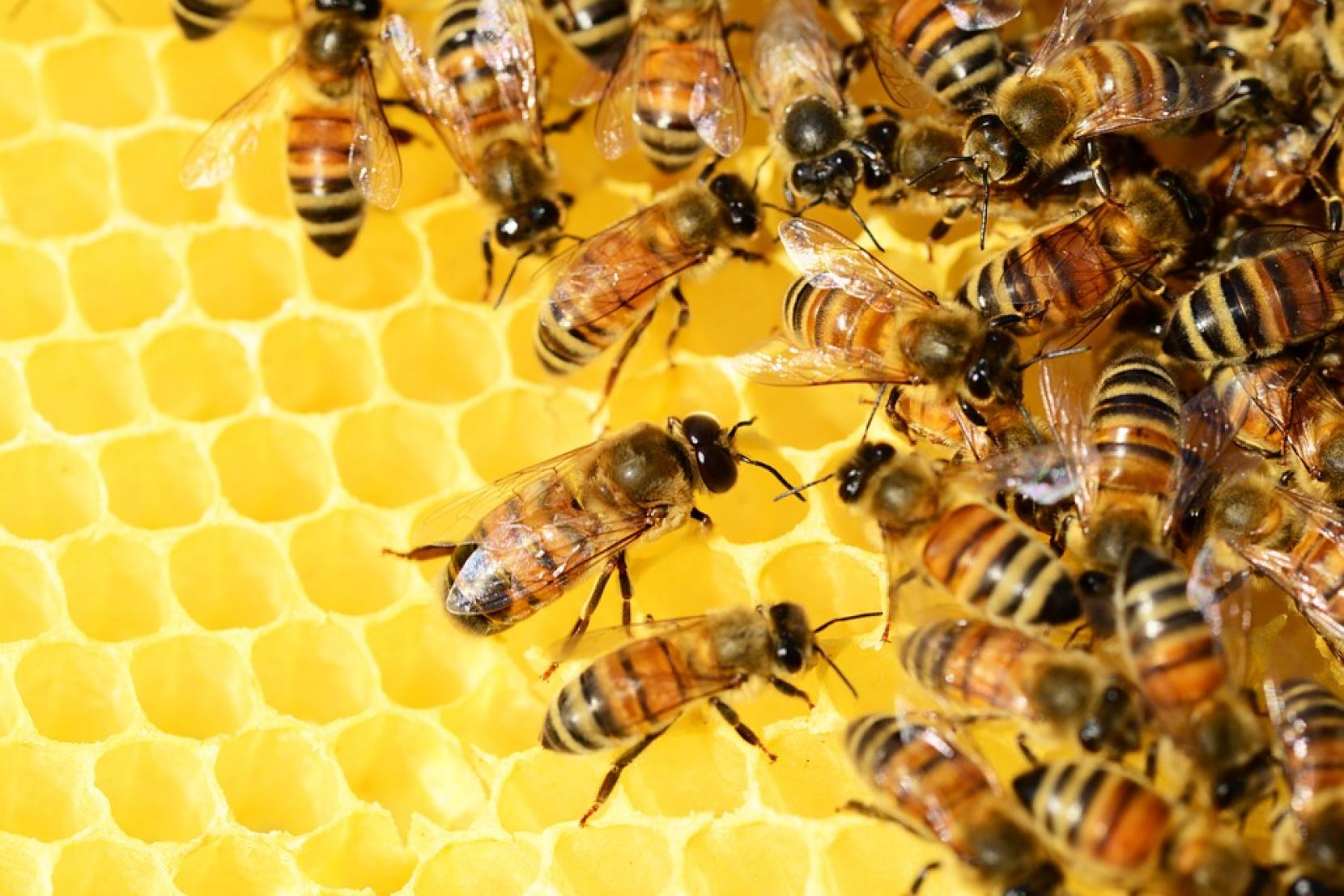
In the winter of 2004/05, many beekeepers across America went to check on their honeybee hives and were shocked to find most of the adult bees had vanished, leaving behind the queen and immature bees. Millions of bees mysteriously disappeared, leaving farms with fewer pollinators for crops.
Colony collapse disorder, as it was later dubbed, has continued to vex beekeepers year after year — and there’s still no effective solution. Explanations for the phenomenon have included exposure to pesticides, habitat loss and bacterial infections. But now, a new study from The University of Texas at Austin suggests that antibiotics could play a role.
In large-scale U.S. agriculture, beekeepers typically apply antibiotics to their hives several times a year. The strategy aims to prevent bacterial infections that can lead to a widespread and destructive disease that afflicts bee larvae, called foulbrood.
“Our study suggests that perturbing the gut microbiome of honeybees is a factor, perhaps one of many, that could make them more susceptible to declining and to the colony collapsing. Antibiotics may have been an underappreciated factor in colony collapse.” -Nancy Moran, professor of integrative biology at UT Austin and co-author of the study published March 14 in the journal PLOS Biology.
To learn more, read the press release: “Overuse of Antibiotics Brings Risks for Bees — and for Us”