Longhorns Strengthen Texas Cybersecurity From a New Home on Campus
UT’s Regional Security Operations Center opens a new office where students can gain hands-on experience protecting essential public services across the state.
Photo by Daemmrich Photography
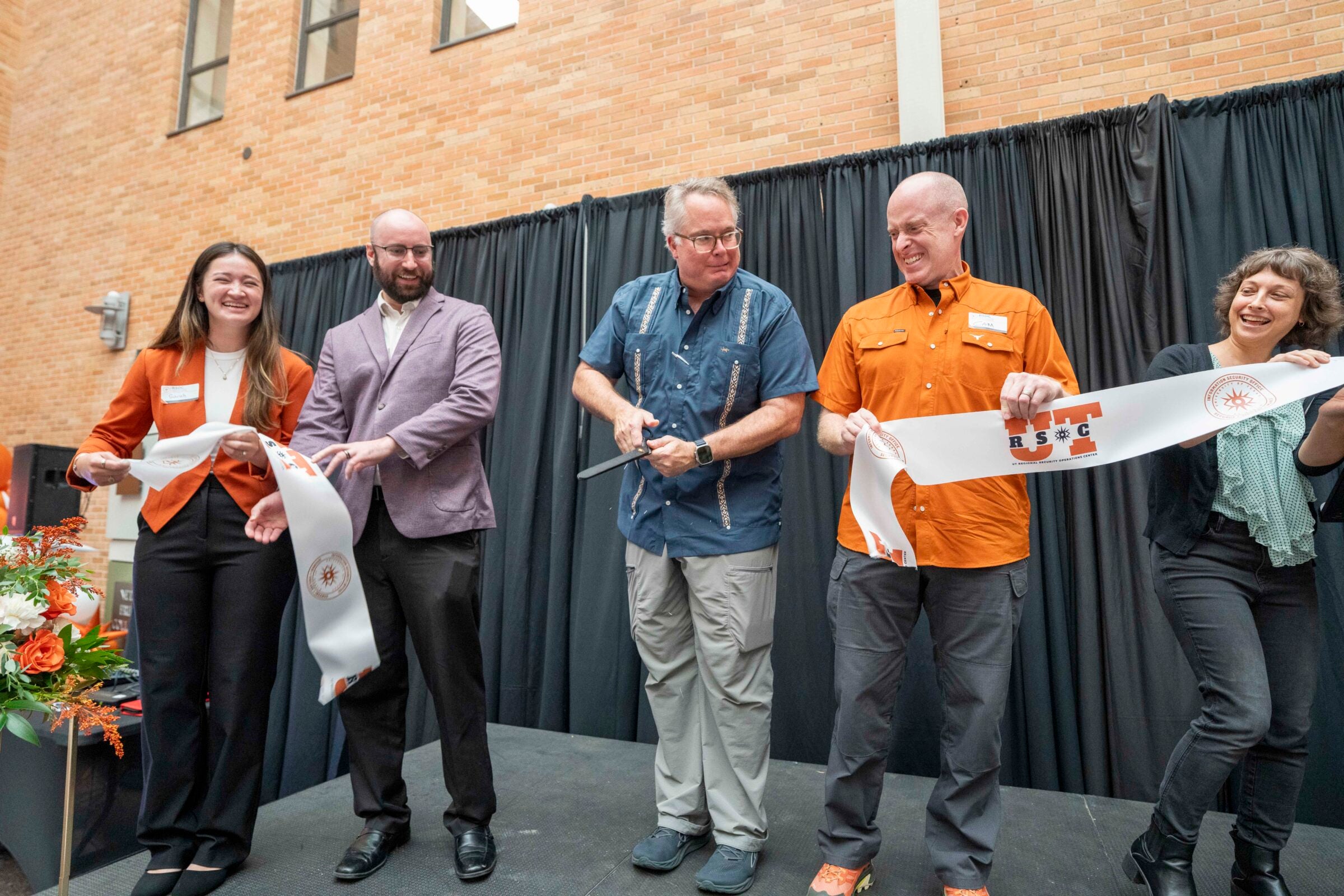
Oct. 1 marks the start of National Cybersecurity Awareness Month, and this year, the date also marked a milestone for Longhorns: the grand opening of the University of Texas Regional Security Operations Center (UT-RSOC) in the Perry-Castañeda Library.
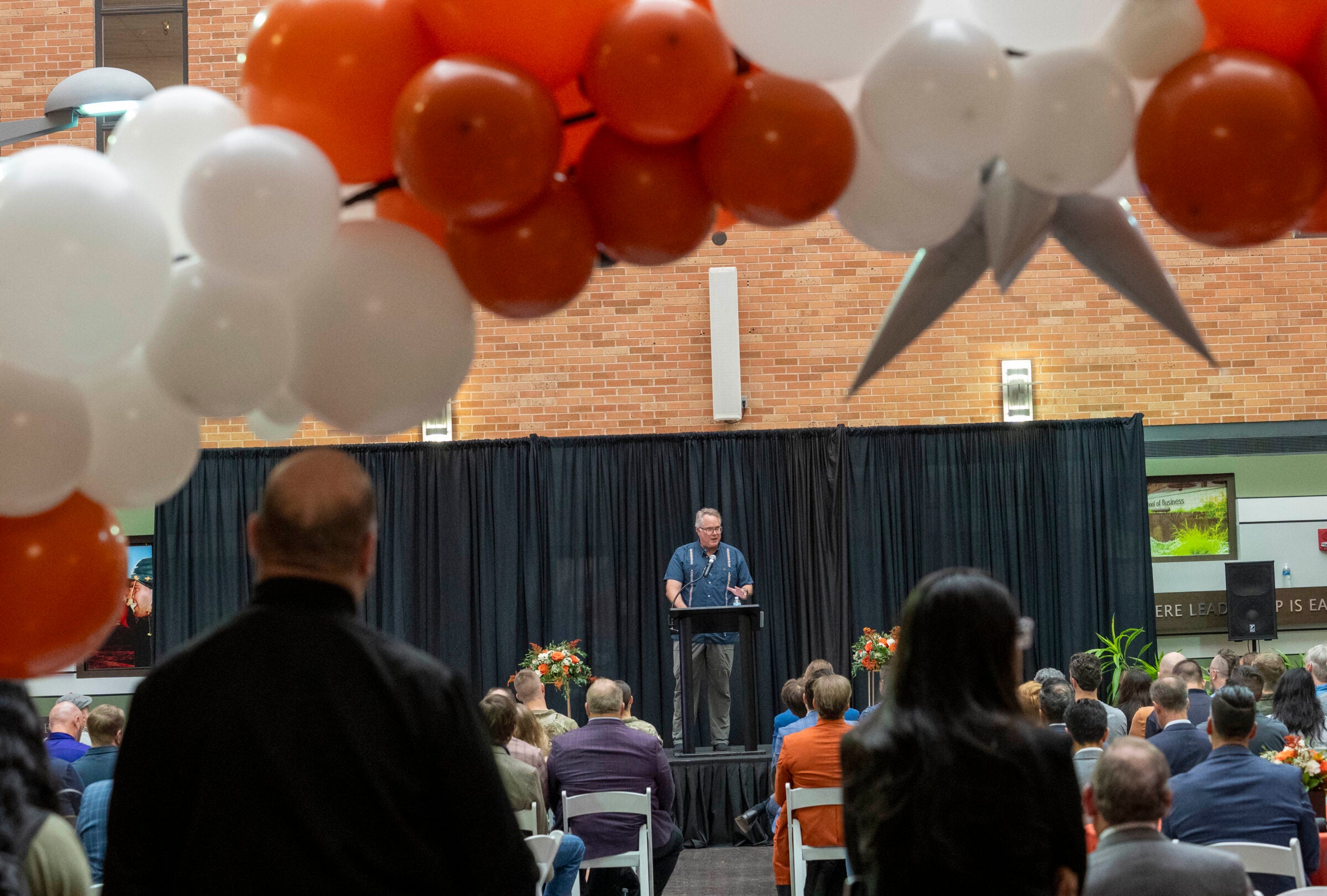
Chatter and the smell of coffee and pancakes filled the air of the McCombs School of Business as students, faculty members, state representatives and cybersecurity clients gathered for a ribbon-cutting ceremony.
“Today is the opening of a new space — it’s a celebration of a mission that has been underway for over two years,” said Jeremy Carter, manager of UT-RSOC.
In 2024, UT-RSOC began operating under UT Austin’s Information Security Office in partnership with the Texas Cyber Command. The center is part of a state network of regional security operations centers with the mission of providing free cybersecurity services to local government and educational institutions.
Funded by the State of Texas, UT-RSOC supports over 3,300 local institutions including school districts, municipalities, counties and public utilities.

Senate Bill 475, passed in 2021, created funding for regional security operations centers from a state initiative to provide cybersecurity services to public sector organizations across Texas. In 2019, 23 Texas cities (most of them small and rural) were affected by coordinated ransomware attacks over a 24-hour period. It became the first statewide emergency caused by a cybersecurity event.
Timothy James “TJ” White, chief of the Texas Cyber Command, said the attack exposed a hard truth that remains true today.
“Small towns, counties, school districts and other critical infrastructure are facing modern cyber threats largely on their own and alone,” White said. “They don’t have the reservoir, the resources, and expertise to win.”
White said regional security operations centers, like UT-RSOC, were the solution to the state’s cybersecurity vulnerabilities.
“From real-time monitoring to incident response, students work alongside local organizations to close these capability gaps and to strengthen our state’s team,” White said. “The entities consistently report that the UT-RSOC is their principle or only means of success. … To put it plainly, they are extremely grateful that they have a whole team of Longhorns covering their backs.”
A Winning Formula
UT-RSOC is a blend of operational excellence and workforce development. The center is known for its innovative cybersecurity solutions, but it’s also a training ground for the next generation of cybersecurity experts.
Students work side by side with professional staff members, gaining hands-on experience by providing real-time monitoring, incident response, policy support and educational outreach to the center’s clients. The center employs 78 student analysts who complete 300 hours of training before they begin serving clients.
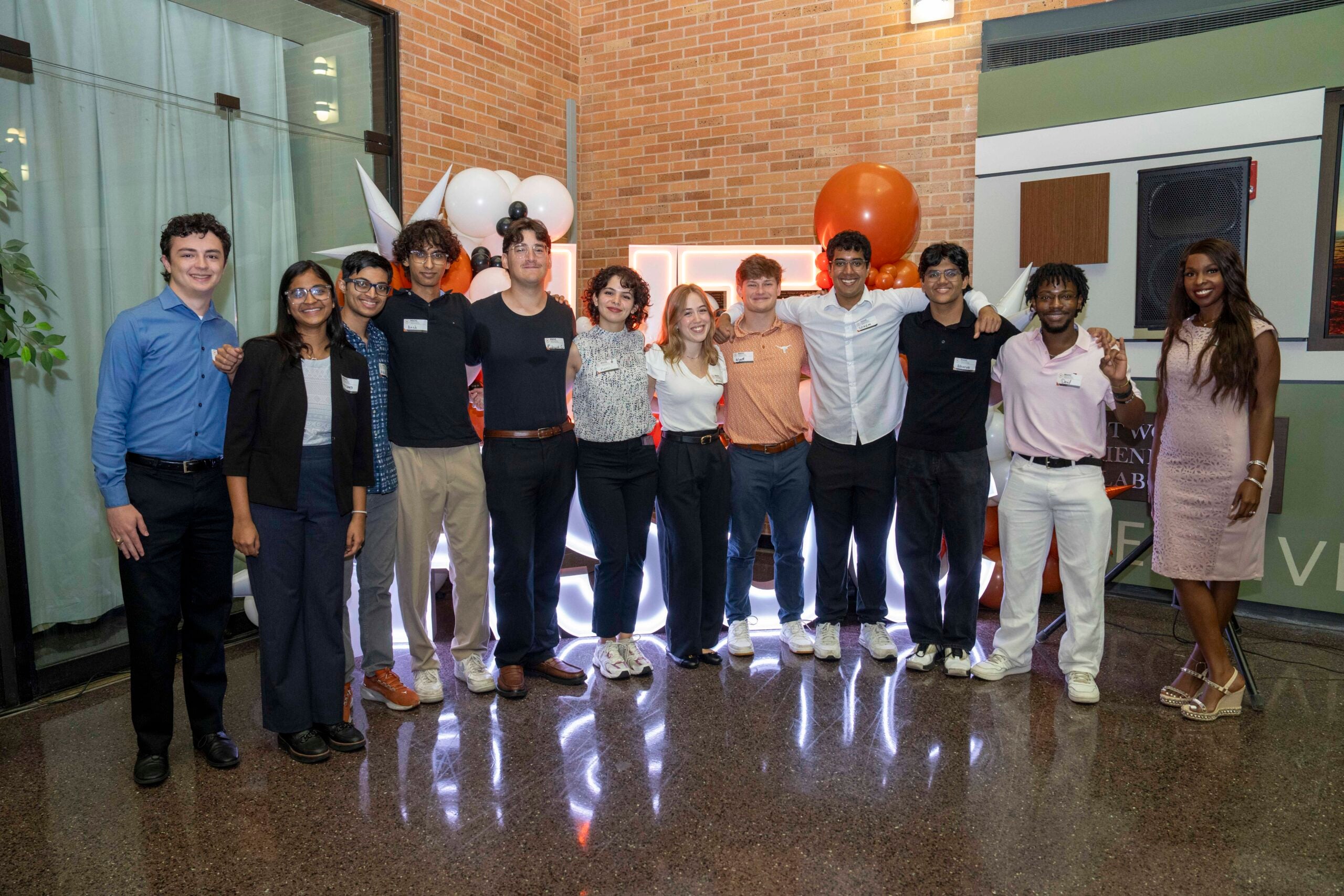
After working for more than a year and a half at UT-RSOC, sophomore computer science major Robert Childers became a manager for the center’s support team. He said working at the center has helped him master report writing, where he translates complex technical topics, like security incidents, for the everyday people that UT-RSOC serves.
“Honestly, the work really pays for itself because you kind of see change throughout the entirety of Texas, and you’re changing the entire landscape of cybersecurity when working this job,” Childers said. “It is so fruitful to see the changes you make, seeing these organizations be more proactive about responding to incidents. The work we’re doing here is truly changing the world.”

Any student at UT can apply to work at UT-RSOC, and Carter said having students from a variety of backgrounds is one of the center’s strengths.
Sophomore Maisie Nomura joined UT-RSOC in Summer 2025 before her freshman year started.
Nomura said staff members at UT-RSOC have been instrumental in supporting her goals and helping her figure out what she wants to do after graduation.
“When I told [Carter] I was interested in going to law school and expanding my career options, he connected me with 10 different people,” Nomura said. “He really helped me network and gain confidence to explore whatever I wanted to do.”
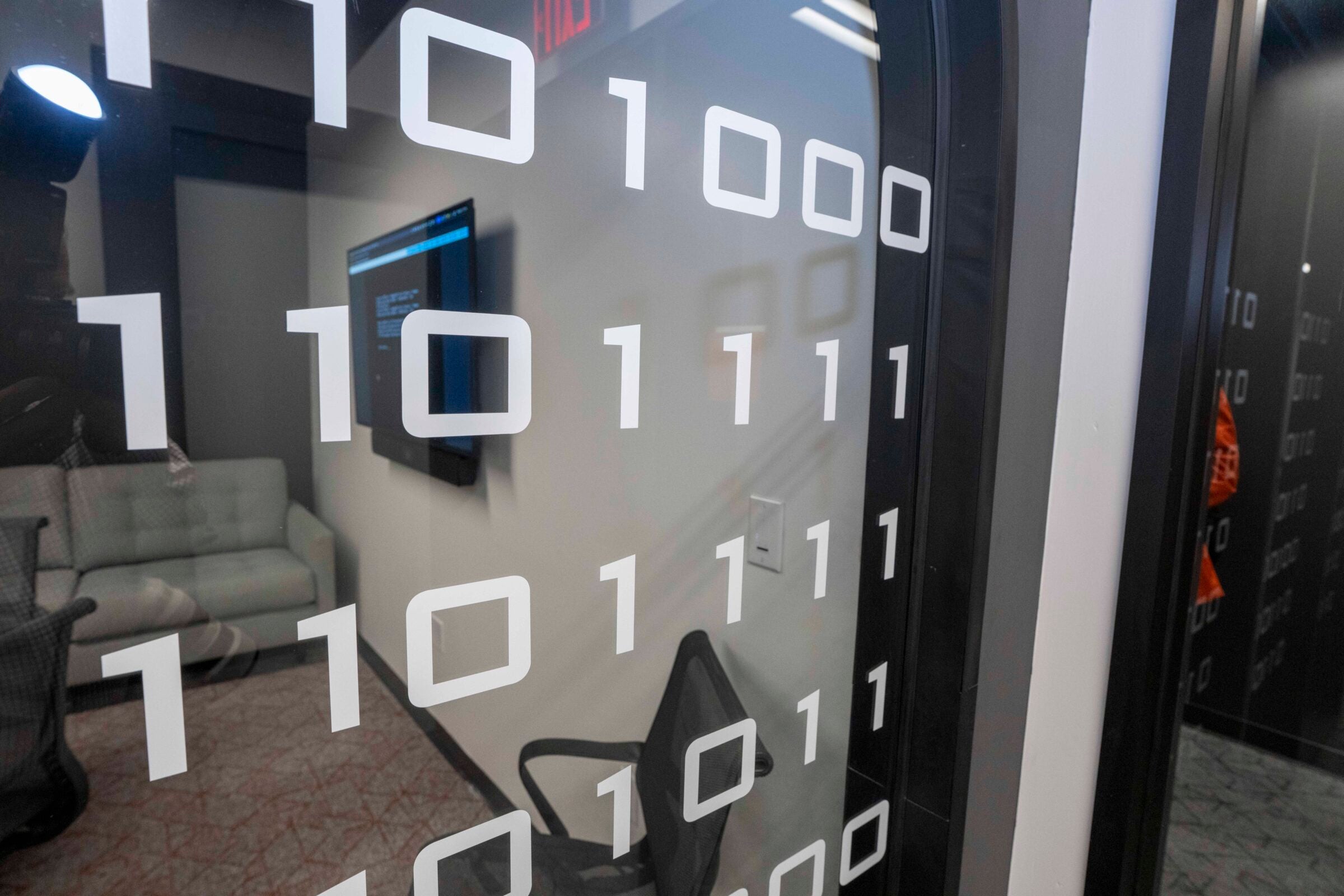
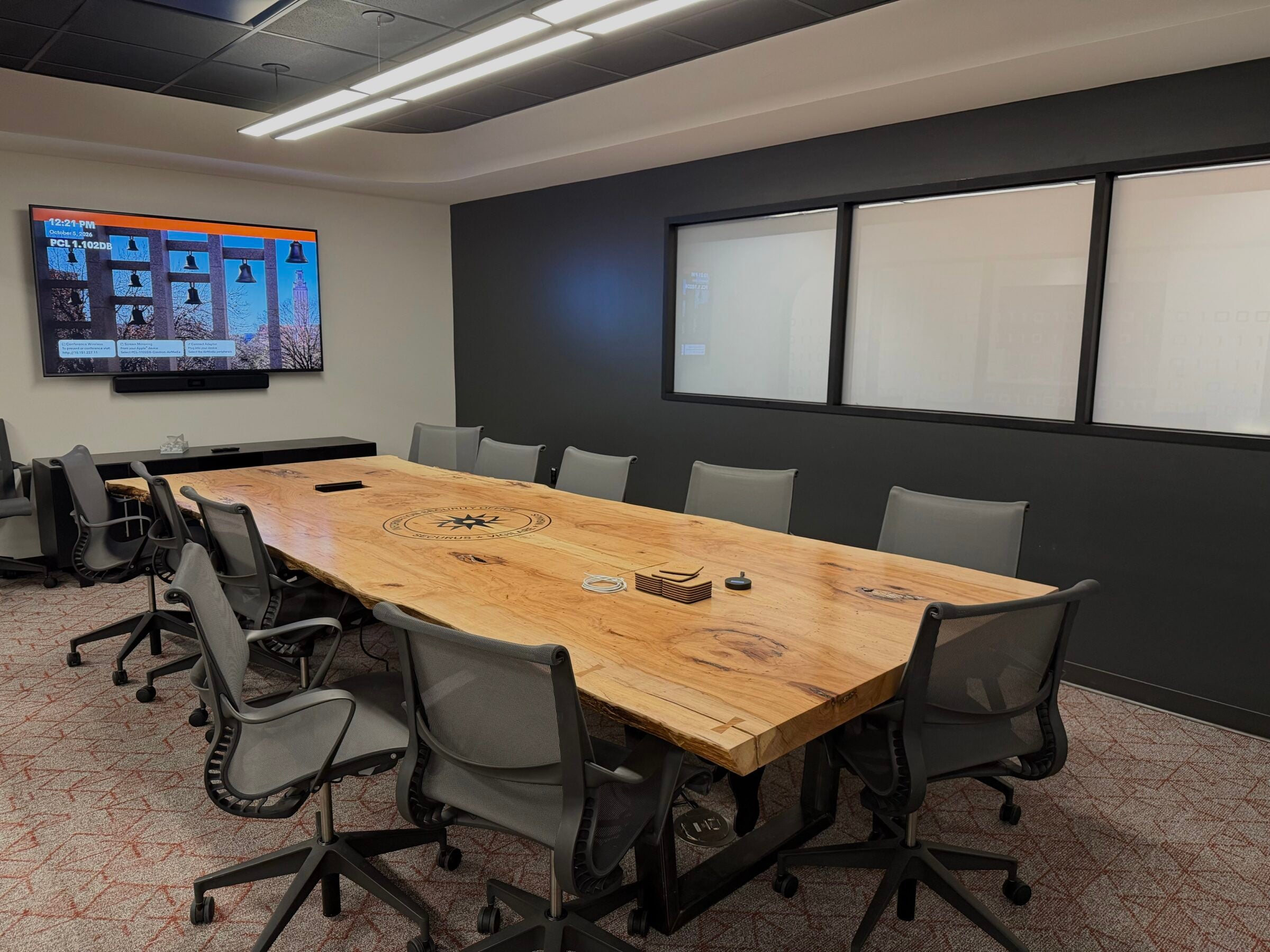
Students began working in UT-RSOC’s new office in the PCL in June. Before, students worked asynchronously from any location and sometimes visited the UT-RSOC’s previous office in the mall below Dobie Twenty21.
“I love the new office,” Childers said. “It’s that kind of space where people just want to be there, and it’s a really big treat for us, as students, to have our own area to work in. … Now we can actually go in and talk to each other and have our own space.”
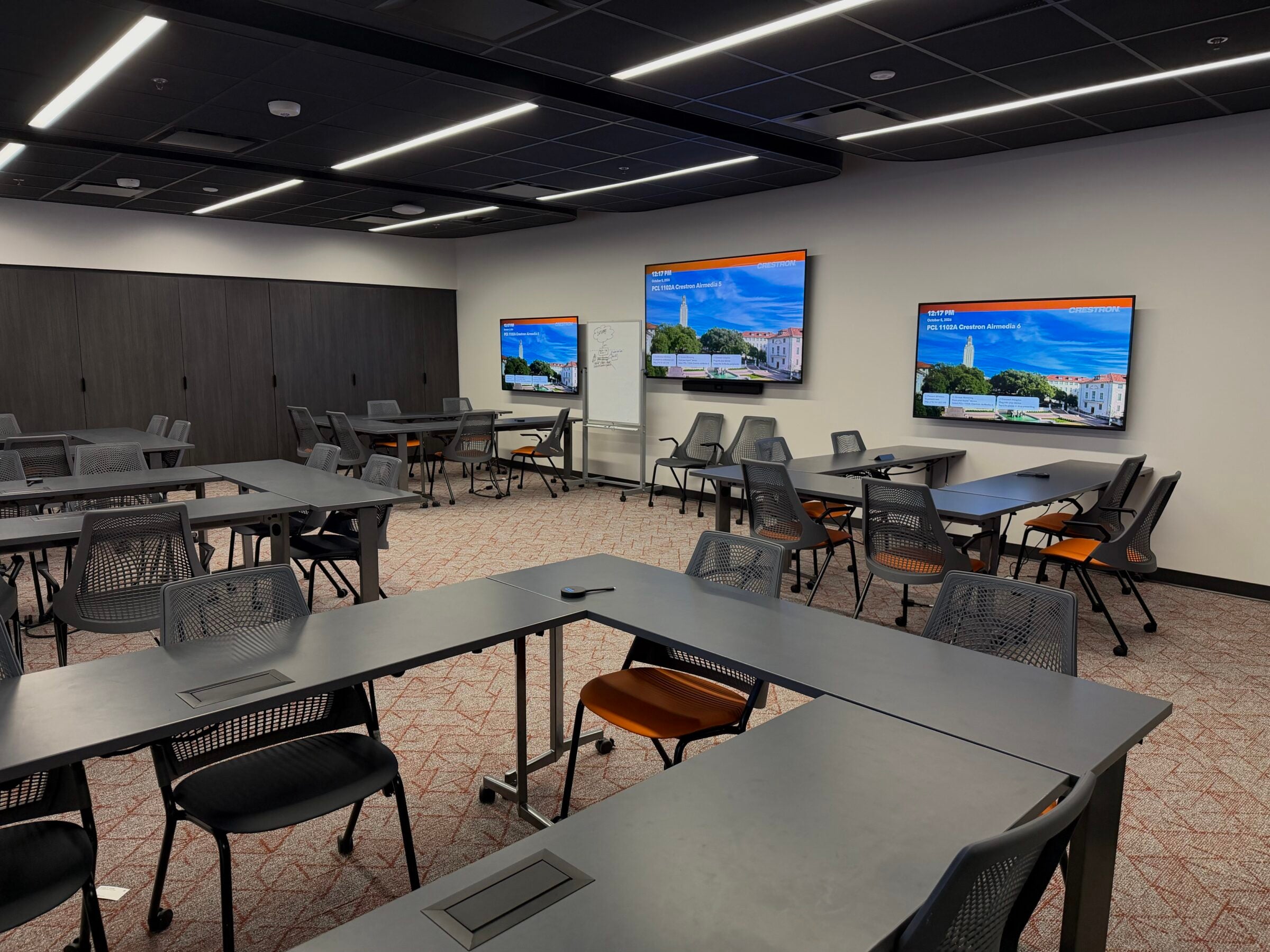
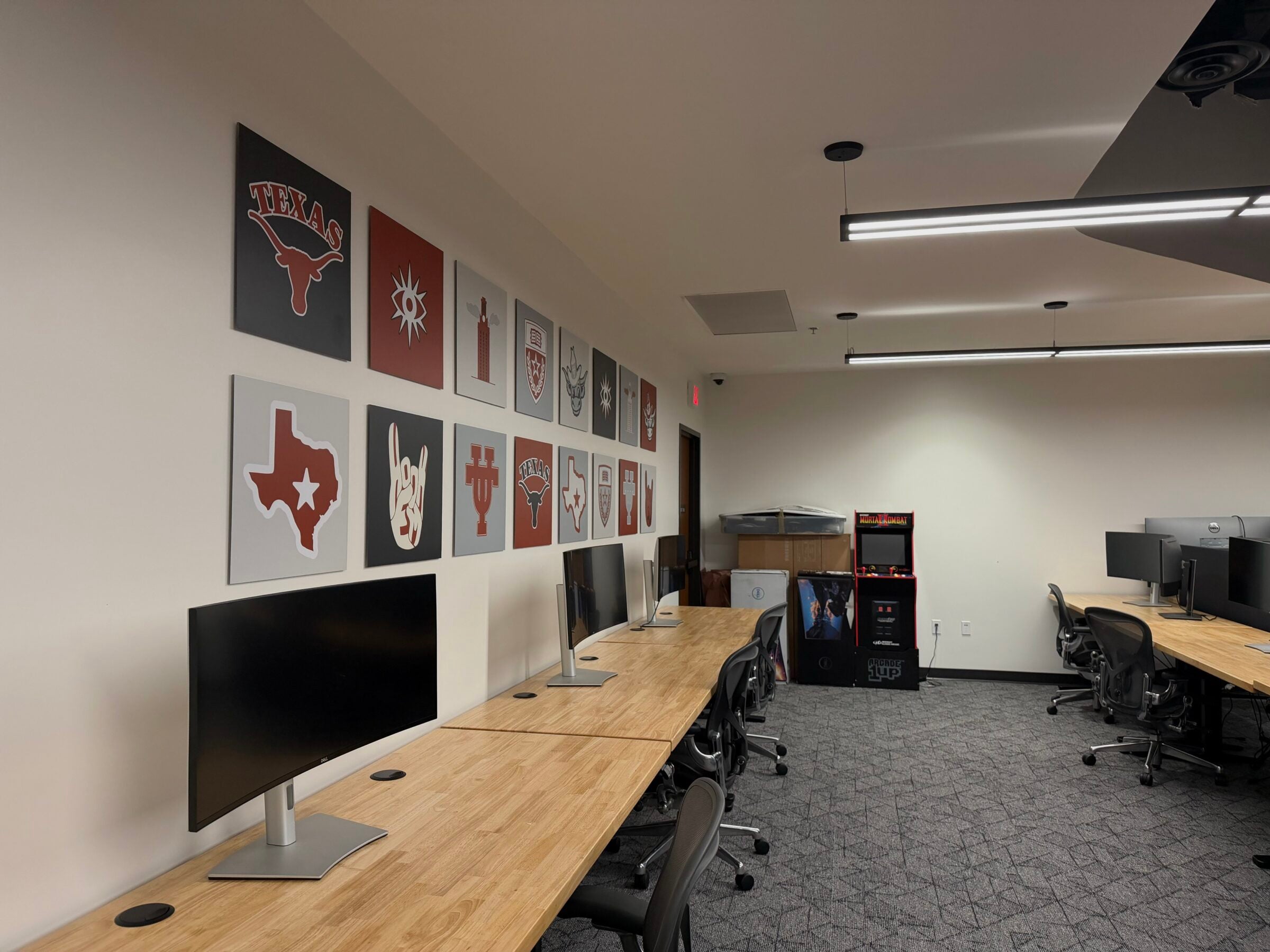
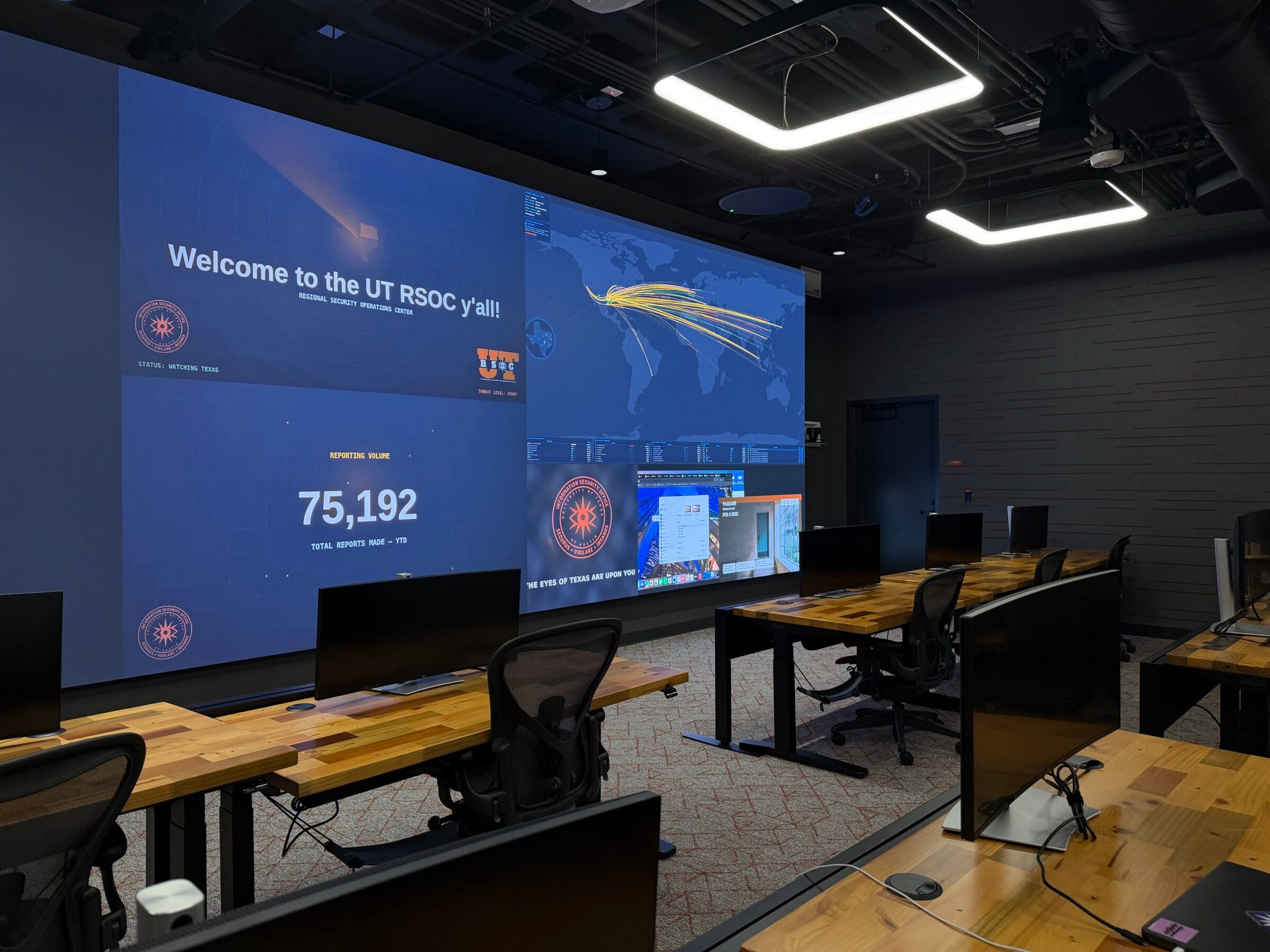
Along with the educational opportunities that come with working at UT-RSOC, students said making friends with other student employees is another perk.
“Most of us are either comp sci majors or interested in the field, so it helps you make connections with other peers,” Nomura said.
Homegrown Solutions
With Texas having the eighth-largest economy in the world, every sector of the state is dependent on cyberspace and the internet. White said recent estimates show as many as 40,000 unfilled cybersecurity positions in Texas, and the demand for talent to provide security, protection and defense is increasing.
“Texas takes pride in their homegrown solutions, and this RSOC program, particularly here in Austin, is a real opportunity to grow the talent to close this gap,” White said. “Incredible return on this investment.”
White said UT-RSOC students are fundamental in helping Texas develop world-class cyber capabilities.
“Our vision is a Texas that leads the nation in cyber readiness, where Texans are safe in a digital world and can trust that the essential services they rely on will remain secure,” White said. “The opening of this new RSOC facility in Austin is a vital piece to secure that future.”