Research
-
Engineers Receive $22.8 Million from DOD for Cross-Disciplinary Projects
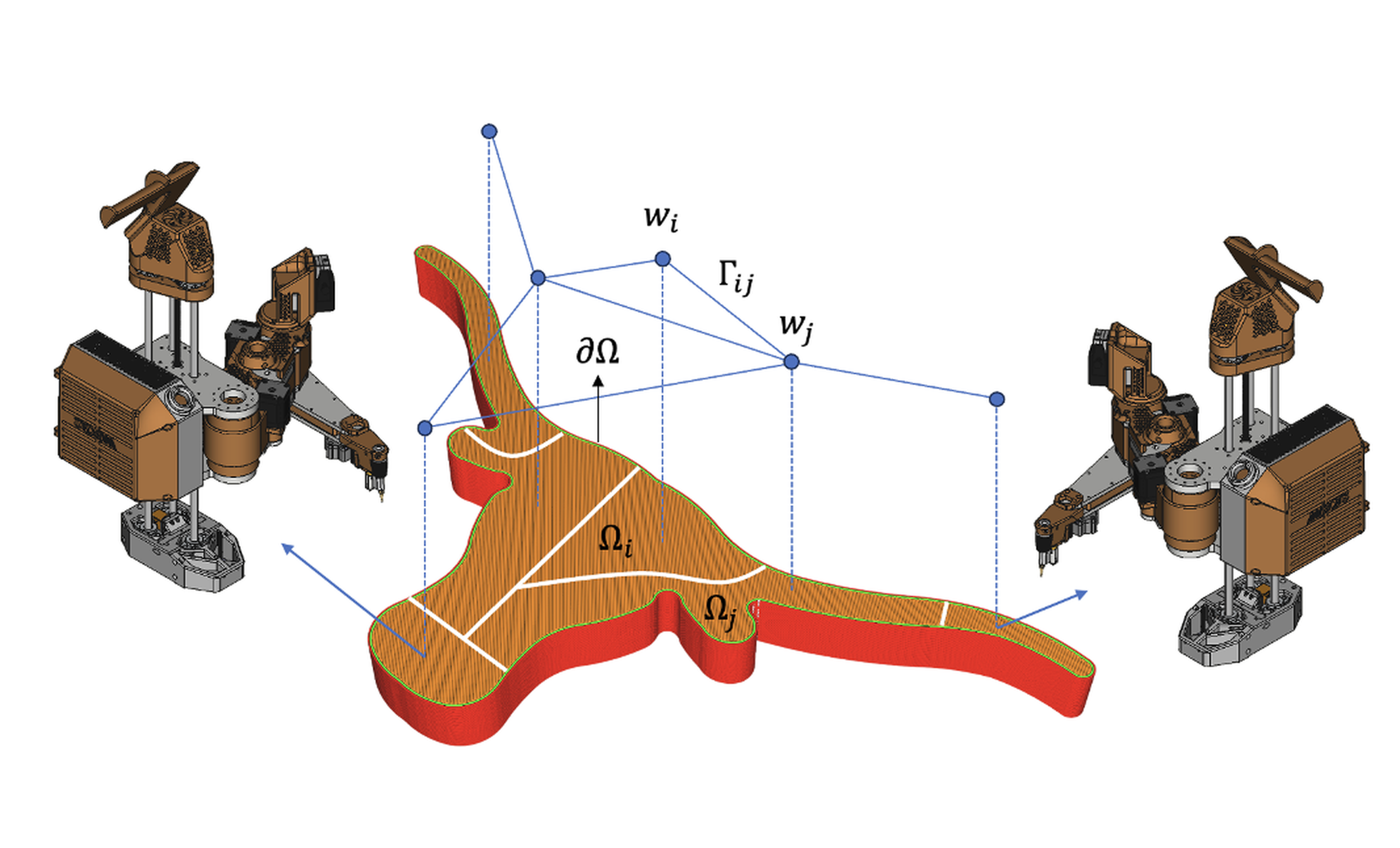
Three researchers in the Cockrell School of Engineering received federal grants totaling $22.7 million to help advance innovative technologies in energy, computing and nanoelectronics.
-
Bird Research Suggests calling Dinosaurs may have been tight-lipped
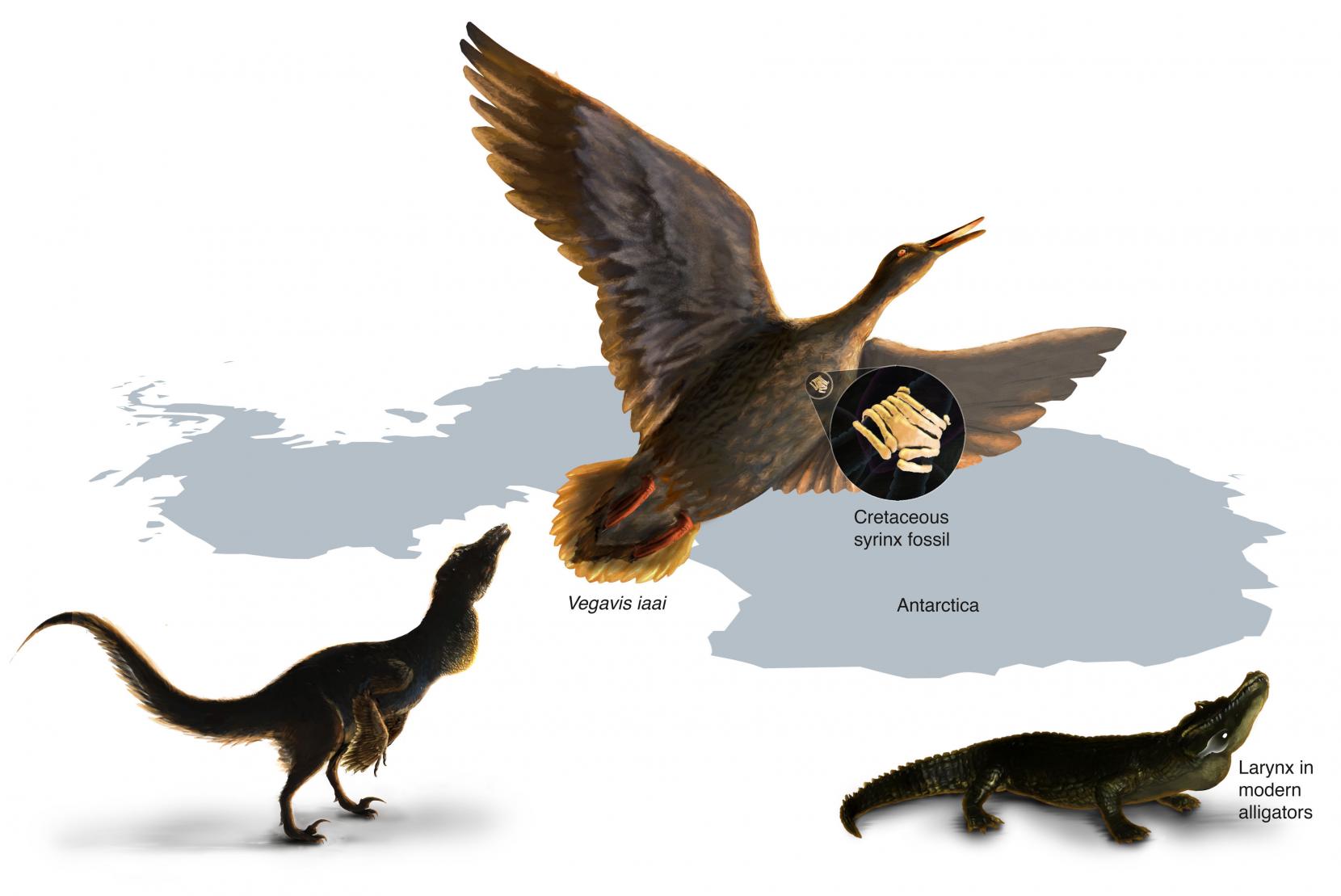
Dinosaurs often roar ferociously in movies, but new research suggests they may have actually cooed or mumbled with closed mouths.
-
California Droughts Caused Mainly by Changes in Wind, Not Moisture
Droughts in California are mainly controlled by wind, not by the amount of evaporated moisture in the air, new research has found.
-
Fossil Shows Ostrich Relatives Lived in North America 50 Million Years Ago
Fossils dating back 50 million years represent a species of a previously unknown relative of the modern-day ostrich, and could be key for understanding birds that once lived in North America.
-
Researchers Determine Fundamental Limits of Invisibility Cloaks
Researchers have been able to quantify limitations on the performance of cloaking devices which allow objects to become invisible or undetectable to electromagnetic waves.
-
Texas Voters Embrace Border Wall, Muslim Bans in Latest UT/Texas Politics Project Poll
A majority of Texas voters support stricter immigration laws, including building a wall on the Mexico border and disallowing Muslims from entering the U.S., according to the latest UT poll.
-
UT Texas Politics Poll: A Vote for Trump is a Vote Against Clinton
Texas voters support Donald Trump over Hillary Clinton, though many describe their choice as a vote against the opposing candidate rather than a vote for their chosen candidate..
-
Fix for 3-Billion-Year-Old Genetic Error Could Dramatically Improve Genetic Sequencing
New research published in Science could dramatically increase accuracy in genetic sequencing.
-
Rare, Blind Catfish Never Before Found in U.S. Discovered in National Park Cave in Texas
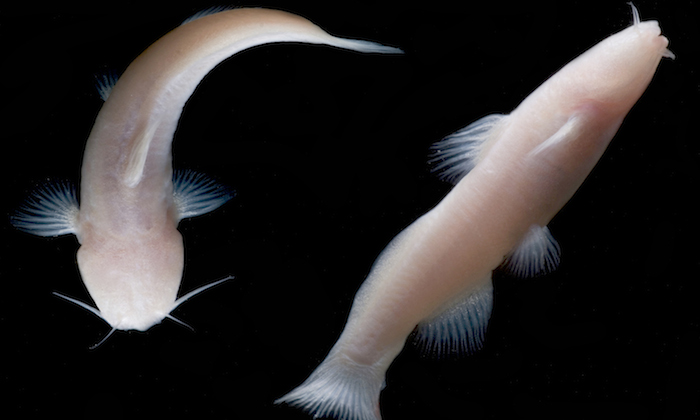
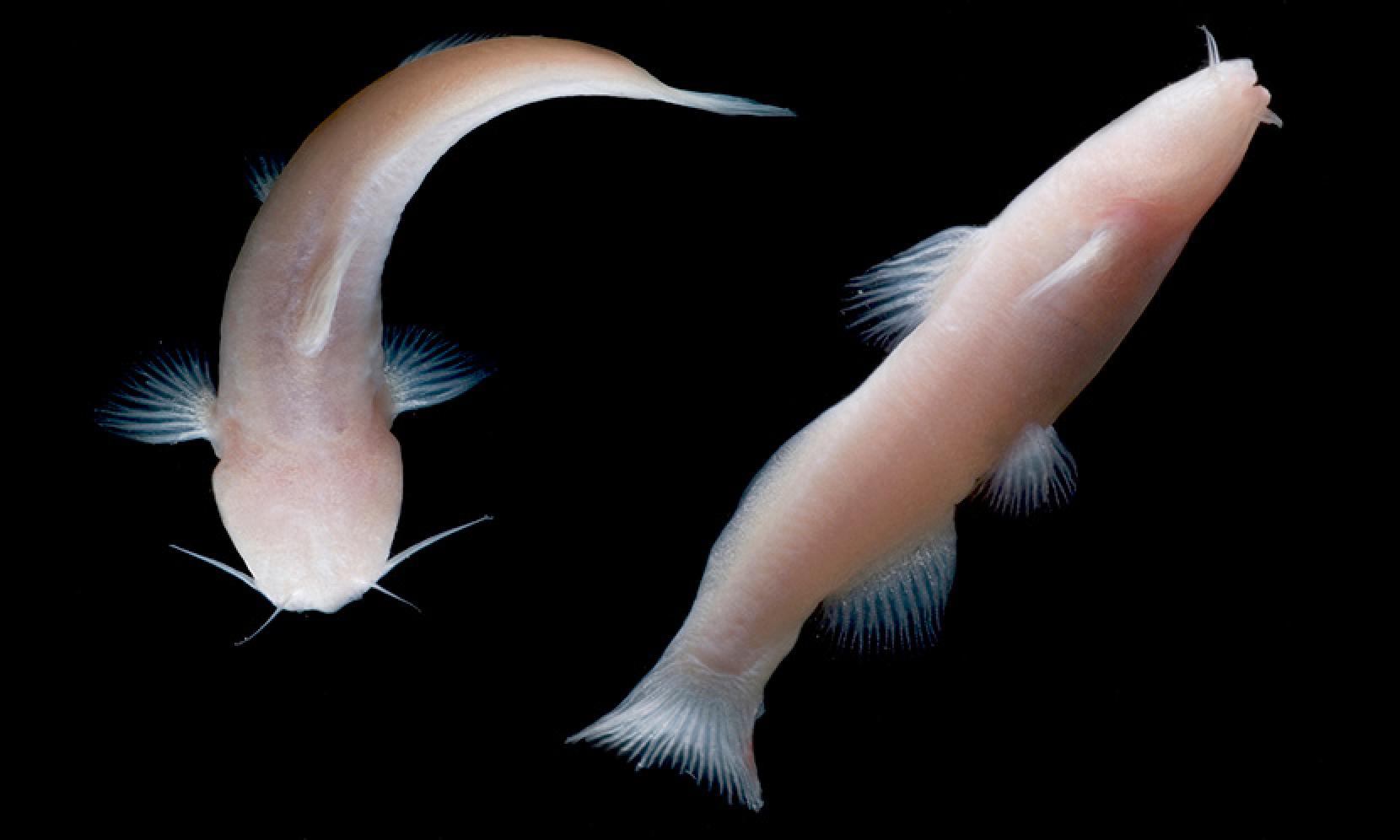
An extremely rare eyeless catfish species previously known to exist only in Mexico has been discovered in Texas.
-
New “GreenWeb” Tools Aim to Create an Energy-Efficient Web
Researchers have developed a new, open-source computer programming framework for websites to become more energy efficient and reduce battery usage on mobile devices.
-
Aerosols Strengthen Storm Clouds, According to New Study
Aerosol particles can increase the lifespans of large storm clouds by delaying rainfall, making the clouds grow larger, and producing more extreme storms when rain finally does come, according to new research.