

Research
-
Training global diplomats
A new multidisciplinary initiative will draw on research and teaching expertise from the LBJ School, College of Liberal Arts and School of Law.
-
LBJ School Launches New Multidisciplinary Initiative to Train Global Diplomats
In an effort to lead a renaissance among the next generation of diplomatic leaders and scholars, the Lyndon B.
-
Marketing emotion and micro-targeting through political ads
As part of our Elections 2012 coverage, visiting scholar Victoria M. DeFrancesco Soto reveals what the future holds for political ad campaigns this season.
-
Prophetic politics
As a part of our Elections 2012 coverage, Journalism Professor Robert Jensen discusses why we need to chart a healthy role for religion in public life.
-
Converting pessimism into hope
Undergraduate researcher Ben Weiss used a Senate of College Councils grant to further his studies of Zambia’s economic outlook.
-
Army focuses on university research
Undersecretary Joseph Westphal visited campus to explore advances in fields such as neuroscience, which could have an impact on the lives of veterans.
-
Army officials tour cutting-edge research
Lieutenant Colonel Joseph Kopser, Texas Army ROTC chair, discusses the campus visit by Undersecretary of the U.S. Army Joseph Wesphal and what it means for the university.
-
Can Romney reach the real South?
In our latest Elections 2012 video, Professor Paul Stekler discusses the results of Super Tuesday and what they mean for the November election.
-
Iridescent, Feathered Dinosaur Offers Fresh Evidence That Feathers Evolved to Attract Mates
A team of American and Chinese researchers has revealed the detailed feather pattern and color of Microraptor, a pigeon-sized, four-winged dinosaur that lived about 120 million years ago. A new specimen shows the dinosaur had a glossy iridescent sheen and that its tail was narrow and adorned with a pair of streamer feathers, suggesting the…
-
Microraptor suggests feathers evolved to attract mates
Julia Clarke, assistant professor of paleontology, discusses how a feathered tail on birds may have evolved as a function of communication and not of aerodynamics.
-
Origami-Inspired Paper Sensor Could Test for Malaria and HIV for Less than 10 Cents, Report Chemists
Inspired by the paper-folding art of origami, chemists at The University of Texas at Austin have developed a 3-D paper sensor that may be able to test for diseases such as malaria and HIV for less than 10 cents a pop.
-
After Super Tuesday: Bigger is better
Professor Jeremi Suri offers analysis on the Super Tuesday results and predicts what could happen next as the Republican primary action continues.
Latest News
-
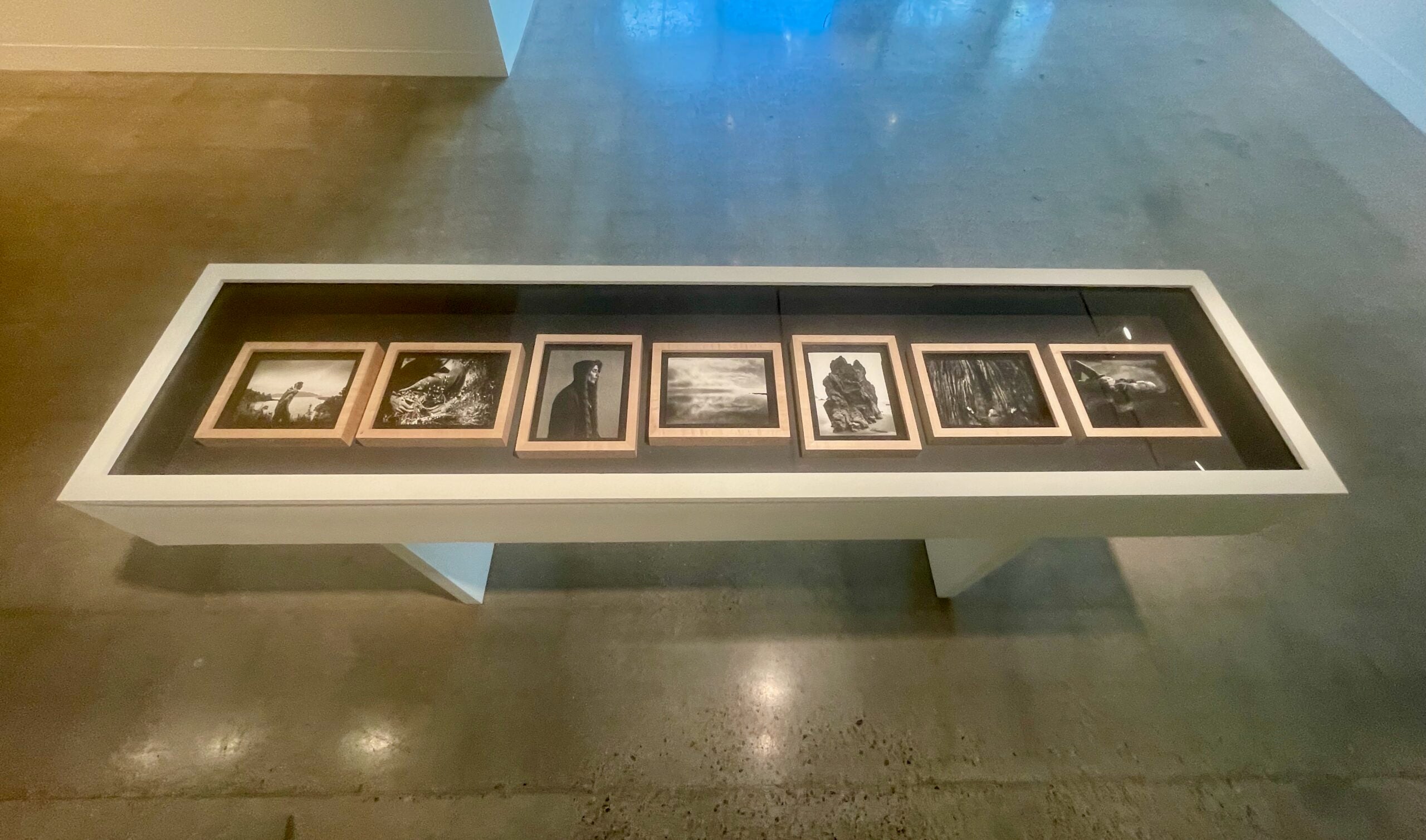
Alumni Exhibit Marks 60 Years of UT’s Photography Program
-
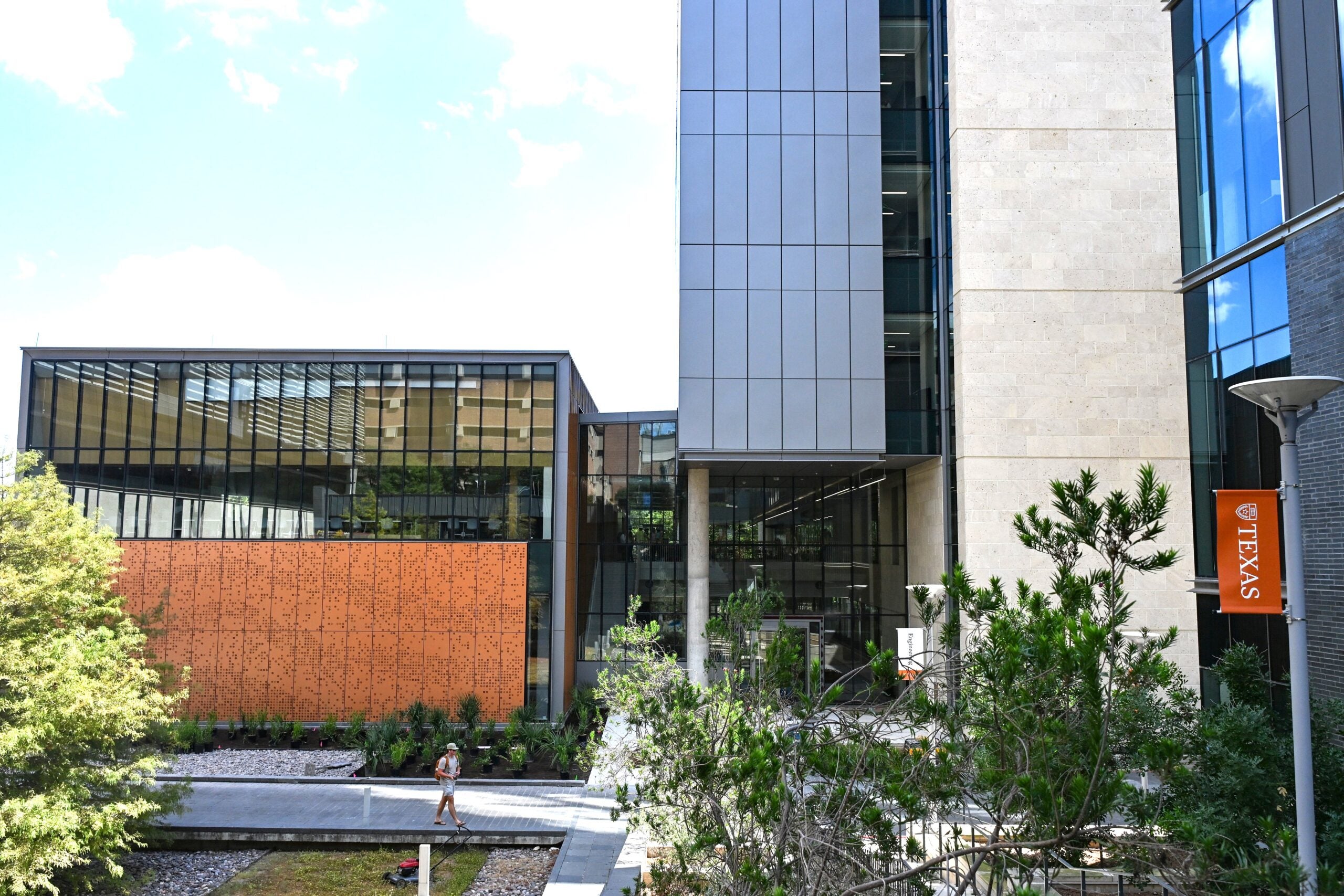
New Engineering Discovery Building To Prepare Future Leaders for Texas Industries
-
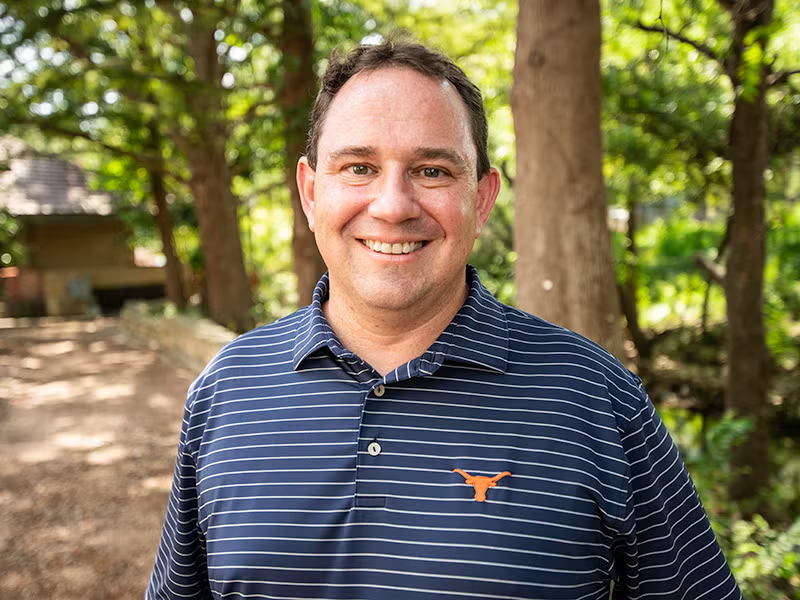 Cockrell School of Engineering
Texas Engineer Michael Webber Wins McGraw Prize in Education
-

Academic Medicine Raises the Bar for Pediatric Neuroscience Care in Austin