Research
-
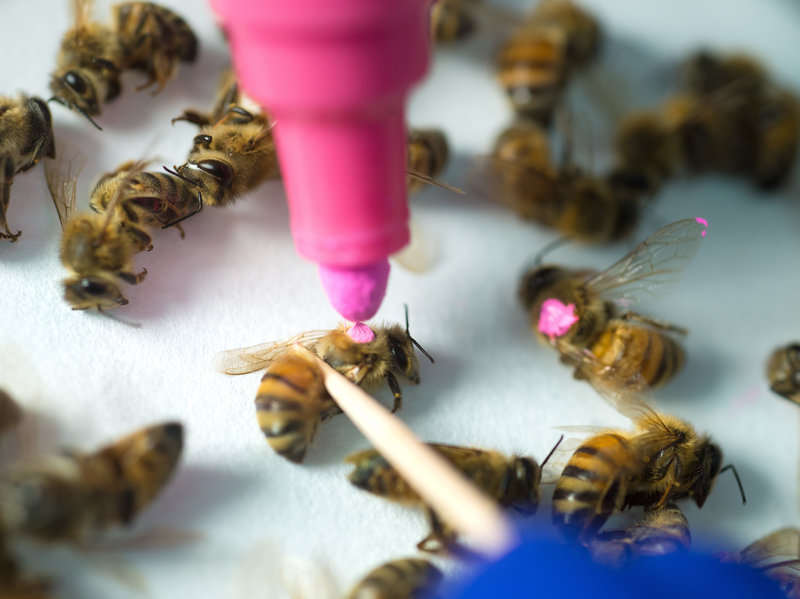
Common Weed Killer Linked to Bee Deaths
The world’s most widely used weed killer, Roundup, causes honey bees to lose some of their beneficial bacteria and are more susceptible to infection and death from harmful bacteria.
-

First-Ever Method for Controlling Nanomotors is Developed by UT Engineers
In a breakthrough for nanotechnology, engineers at UT have developed the first method for selecting and switching the mechanical motion of nanomotors.
-

UT Austin Scientists Help NASA With Global Ice-Measuring Satellite
Scientists from UT’s Applied Research Laboratories aid NASA’s latest satellite mission.
-

Business Genius Can Be Taught, Study Says
How did Steve Jobs do it? What about Whole Foods Market and Starbucks? These kinds of “breakout” success stories show what is possible when business leaders imagine into the future rather than re-enacting the past.
-

Galactic “Wind” Stifling Star Formation is Most Distant Yet Seen
For the first time, a powerful “wind” of molecules has been detected in a galaxy 12 billion light-years away, showing how the earliest galaxies regulated the birth of stars to keep from blowing themselves apart.
-
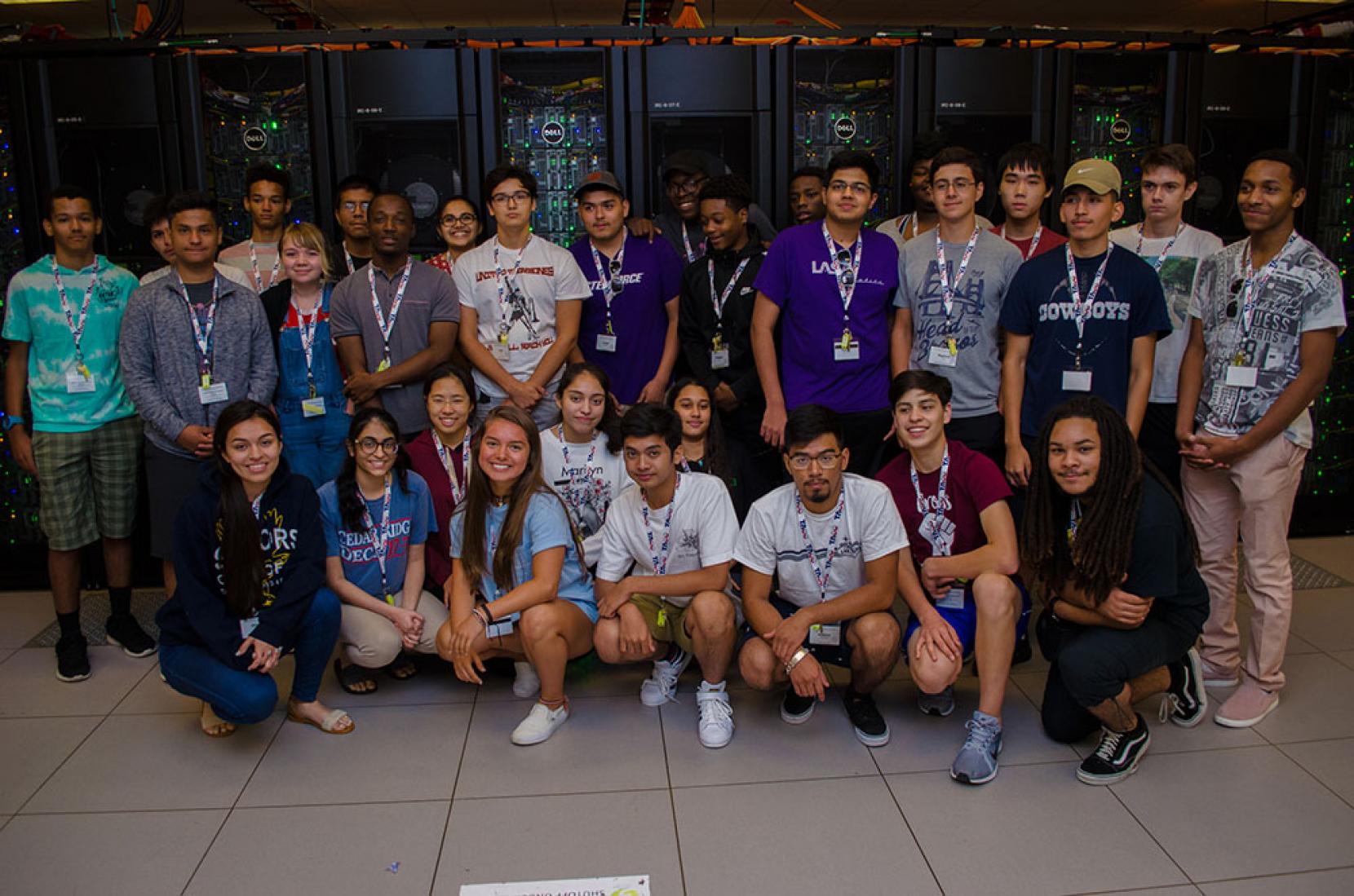
Texas Teens Become Citizen Scientists at UT Coding Camp
100 students came from across Texas to learn to code at UT’s J.J. Pickle Research Campus. They attended camps led by some of the best computer scientists and engineers in the world — most at no cost to them.
-
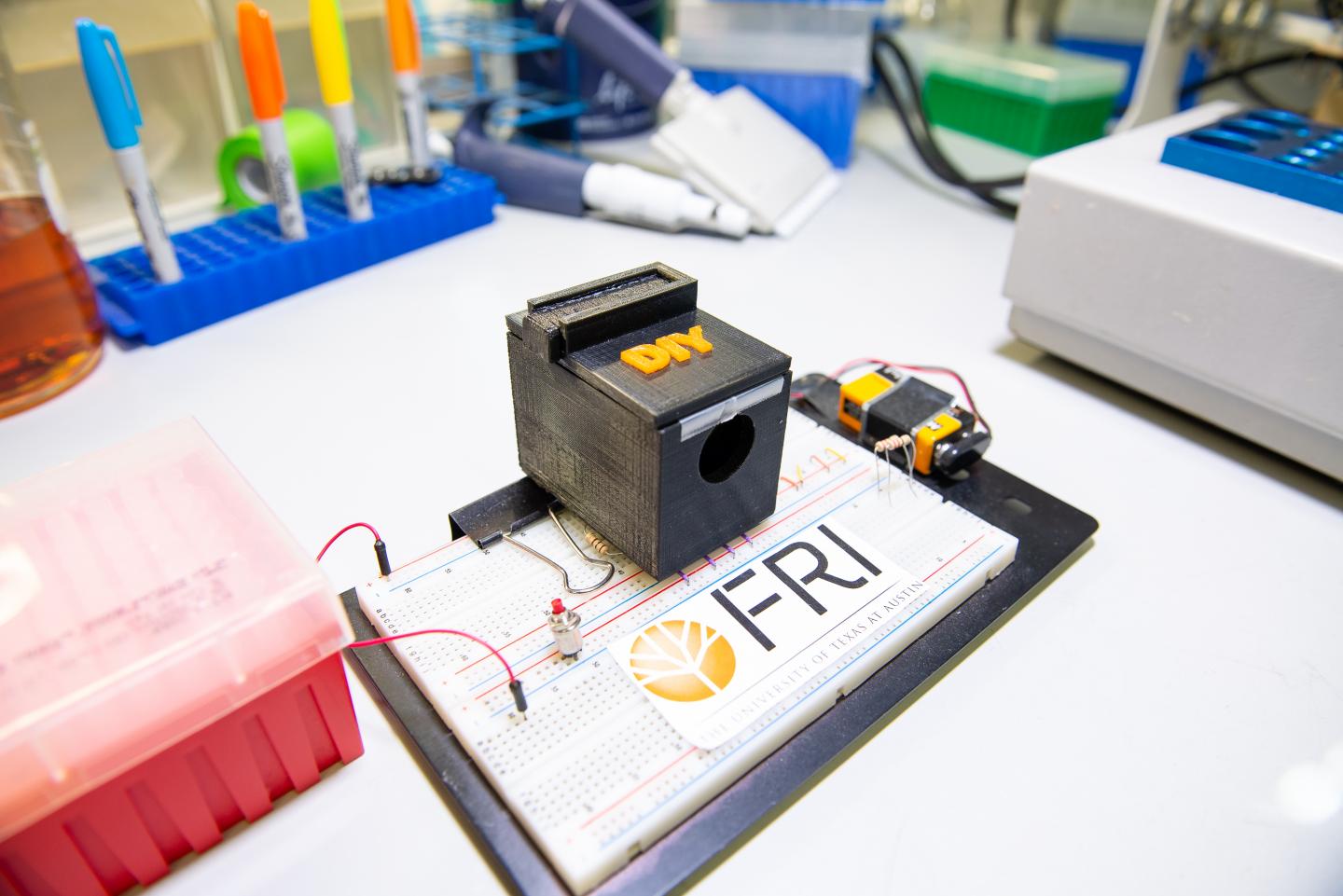
Simple Test Detects Disease-Carrying Mosquitoes, Presence of Biopesticide
A new diagnostic tool can quickly and cheaply identify whether a mosquito belongs to the species that carries dangerous diseases such as Zika virus, dengue, chikungunya or yellow fever.
-
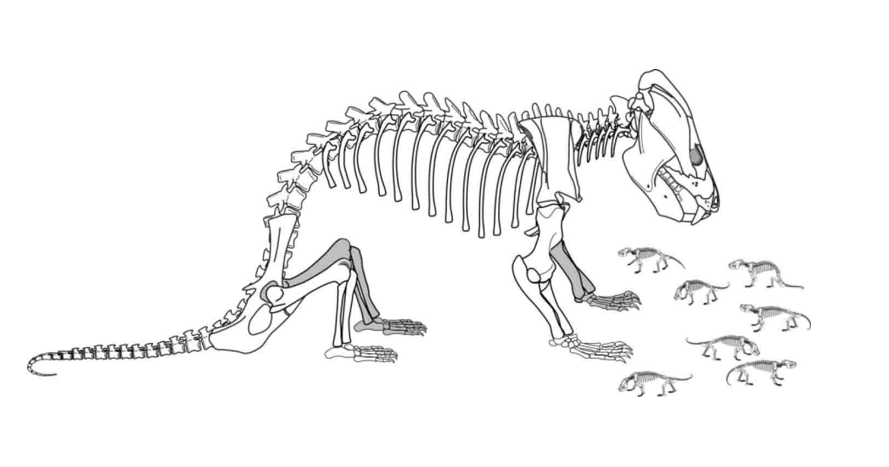
Mammal Forerunner that Reproduced Like a Reptile Sheds Light on Brain Evolution
A newly described fossil of an extinct mammal relative — and her 38 babies — is among the best evidence that a key development in the evolution of mammals was trading brood power for brain power.
-

New Texas Supercomputer to Push the Frontiers of Science
The National Science Foundation awards $60 million to the Texas Advanced Computing Center to build a new supercomputer that will be the fastest at any U.S. university and among the most powerful in the world.
-
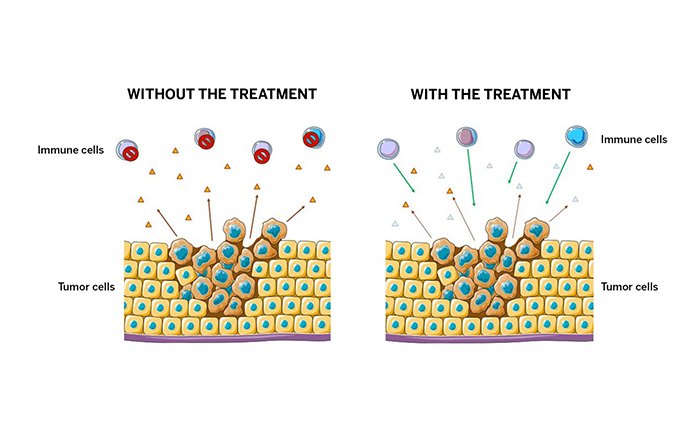
New Cancer Treatment Uses Enzymes to Boost Immune System and Fight Back
Researchers at The University of Texas at Austin have developed a new approach to treating cancer using enzyme therapy.
-

Three Previously Unknown Ancient Primates Identified
UT Austin biological anthropologists have described three new species of fossil primates that were previously unknown to science.