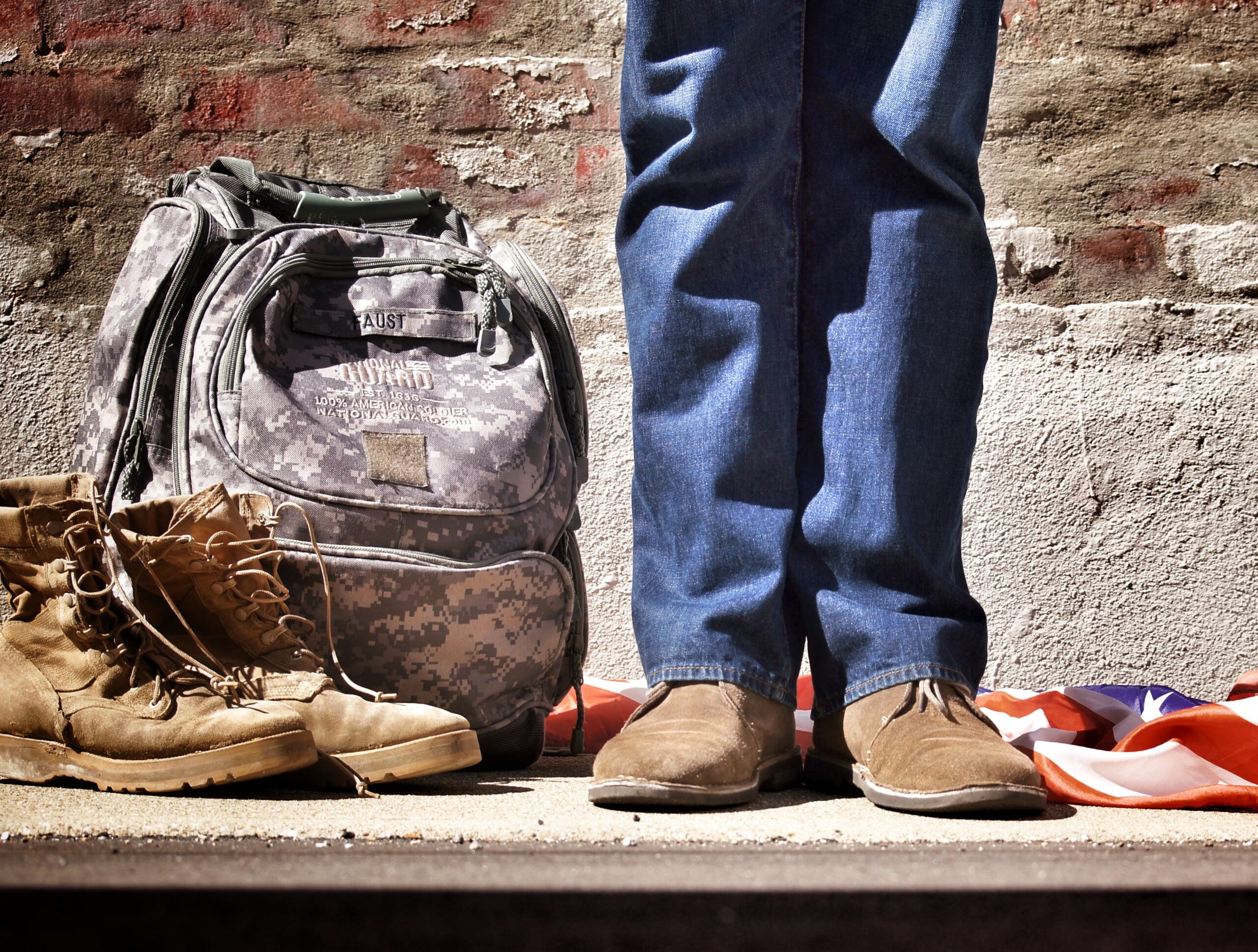
Photo by Benjamin Faust on Unsplash
AUSTIN, Texas — Veterans Day reminds Americans to be grateful to every person who has worn a military uniform and fought for our safety and security. We also should be reminded of our responsibility to create opportunity for the more than 37,000 deaf veterans enrolled as students in colleges and universities throughout the United States.
A new report from the National Deaf Center on Postsecondary Outcomes at The University of Texas at Austin finds that deaf veterans are not succeeding in college at the same rate as hearing veterans and are in need of more accommodations and support. This is happening at a time when more veterans than ever are experiencing hearing difficulties, which are the most prevalent disability they experience.
In the report, “Deaf Veterans at College: Undergraduate Enrollment and Degree Completion,” researchers at UT’s National Deaf Center analyzed data from the U.S. Census Bureau, Veterans Benefits Administration and U.S. Department of Education.
Among the 1.6 million veterans with a service-related disability, more than 67,000 American veterans (4.2%) have severe hearing difficulties, which may also include tinnitus. Of veterans in college, 2.6% are deaf; almost half of these deaf veterans (44%) also have additional disabilities.
Of the 37,000 deaf veterans enrolled in college, they are older than typical college students, take more developmental courses, are more likely to be enrolled in online programs, and do not complete a bachelor’s degree at the same rate as hearing veterans. National Deaf Center researchers found:
- The average age of deaf veterans enrolled in college is 38.8 years old, with an average of 9.7 years between high school and enrolling in college.
- 46.1% of enrolled deaf veterans have taken developmental courses, a higher percentage than hearing college students.
- Most deaf veterans are enrolled in associate’s and bachelor’s degree programs.
- 55.6% studying for an associate’s degree.
- 35.3% studying for a bachelor’s degree.
- 9.1% studying for a certificate.
- 24.0% of deaf veterans are enrolled in online-only programs, compared with 19.6% of hearing veterans.
Enrollment is only one part of the problem deaf veterans face as college students. The National Deaf Center report shows degree completion significantly lags for deaf veterans. Just 19.4% of deaf veterans complete a bachelor’s degree, versus 27.1% for hearing veterans.
However, women are more likely to have a bachelor’s degree, with 31.4% of female deaf veterans completing their degree, versus 18.4% of female hearing veterans.
Degree completion is important because employment rates among deaf veterans are higher with a bachelor’s degree: 72.4% of deaf veterans with a bachelor’s degree are employed versus 60.7% employment with only a high school diploma.
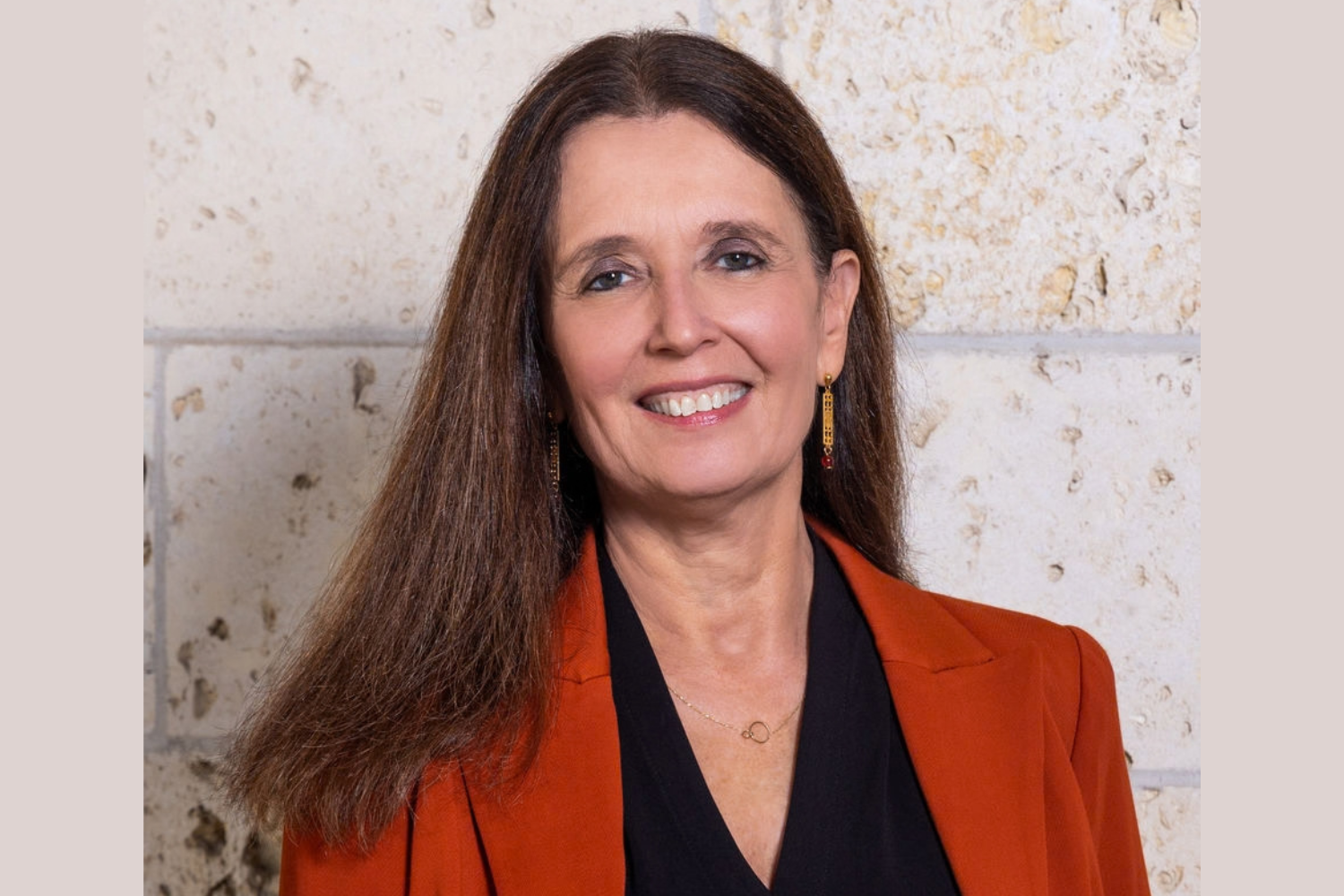
“Deaf veterans on campus are facing barriers to success, which is a critical issue that colleges need to know about,” said Stephanie Cawthon, director of the National Deaf Center and a professor in UT’s College of Education. “To become truly accessible, colleges and universities must provide accommodations that are as complex as the student body and create a culture in which access is about more than just accommodations.”
Veterans who become deaf later in life and enroll in college will need to learn how to navigate their new disability, the new normal of nonmilitary life, and an unfamiliar campus environment. Deaf veterans, like many deaf college students, often do not know about accommodations options, resources and tools available to them. To improve degree completion and assistance for this key student demographic, colleges and universities can support deaf veterans by:
- Collaborating with dedicated veteran liaisons on campus.
- Reaching out to veteran advocacy and support groups.
- Sharing information about available accommodations, such as sign language interpreters, note-takers, captioning, and even visual fire alarms and other emergency preparedness measures.
“Besides disability and veterans services offices on campus, resources are available for deaf veterans from a wide variety of organizations,” said Cawthon. “They can find support from the Department of Defense, learn about American Sign Language from the National Association of the Deaf, check out Accommodations 101 from the National Deaf Center, and connect with others at the Student Veterans of America.”