Faculty Members Awarded ‘New Directions’ Seed Funding To Explore Emerging Research Opportunities
Researchers at The University of Texas at Austin who are embarking on bold new research directions have been awarded seed funding from the Office of the Vice President for Research, Scholarship and Creative Endeavors.
The New Directions in Research seed grants are providing a one-time payment of up to $60,000 to help faculty members test initial concepts and gather preliminary data so that they can compete for larger, long-term external grants. The New Directions seed grants are designed to support faculty who are pursuing new lines of research that are aligned with evolving national research priorities.
The 11 projects selected for seed funding in May span a wide range of topics, including artificial intelligence and historical research, geothermal energy systems, microplastics, gravitational wave modeling, the human brain, dementia, family support interventions, marine nutrition, cardiac tissue repair, and critical mineral separations.
“New Directions seed funding recognizes that innovation often requires venturing into uncharted territory, and we’re proud to support our researchers as they do just that,” Vice President for Research Fernanda Leite said. “I’m excited to see how these investments will catalyze breakthrough discoveries across such a diverse range of disciplines.”
New Directions Recipients
Michael Baldea, McKetta Department of Chemical Engineering, Cockrell School of Engineering, will use methods he’s developed for optimizing chemical processes to design both materials and industrial processes simultaneously for critical mineral extraction, potentially improving efficiency and reducing costs.
Simon Brandl, Marine Science, College of Natural Sciences, will leverage his expertise in fish biodiversity to investigate how marine microbes produce essential vitamins and transfer them through ocean food webs — a critical gap in understanding how marine resources support human nutrition.
Erika Bsumek, History, College of Liberal Arts, whose research has focused on the American West and the impact of infrastructures, will investigate how historians can train AI to detect patterns in archival datasets while preserving the essential human role of interpretation.
Stephanie Grasso, Speech, Language and Hearing Sciences, Moody College of Communication, developed an automated speech analysis tool for rare language-led dementias and will adapt it to detect early Alzheimer’s disease in adults with Down syndrome, who face near-certain risk of developing the condition.
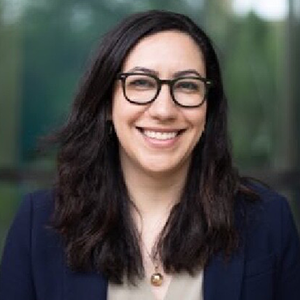
Jarrod Lewis-Peacock, Psychology, College of Liberal Arts, uses neuroimaging to study goal-directed behavior and will use computational modeling to investigate how the brain removes and updates information in working memory, a key process underlying learning and cognitive control.

Hailun Ni, Bureau of Economic Geology, Jackson School of Geosciences, has built expertise visualizing fluid flow through underground rock formations for carbon storage research and will adapt her sand tank laboratory to study heat transport in fractured geothermal systems, work that could improve energy extraction efficiency.
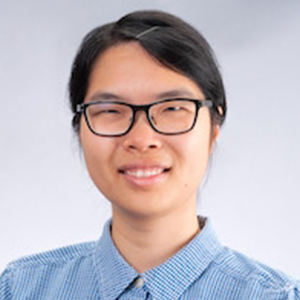
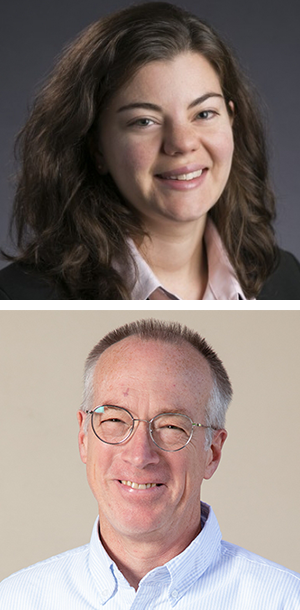
Erin Rodriguez, Educational Psychology, College of Education, has developed community-based coping skills interventions for families of children with asthma, and J. Mark Eddy, Educational Psychology and Kinesiology and Health Education, College of Education, has studied the outcomes of child- and parent-focused interventions. Together, they will develop an evidence-based intervention for parents, caregivers and family members of pediatric brain tumor patients in partnership with providers and patient families at Dell Children’s Medical Center.
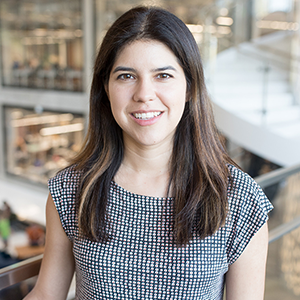
Adrianne Rosales, McKetta Department of Chemical Engineering, Cockrell School of Engineering, has designed synthetic hydrogels that mimic tissue properties and will work with decellularized heart tissue to develop strategies for strengthening these natural materials that can be used to repair the heart.
Deirdre Shoemaker, Physics, College of Natural Sciences, produces high-accuracy simulations of black hole mergers and will integrate machine learning to accelerate these computationally intensive calculations, potentially reducing weeks of supercomputing time for gravitational wave modeling.
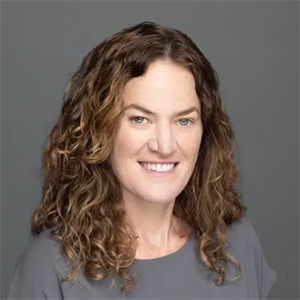
Jack Virostko, Diagnostic Medicine, Dell Medical School, has used AI-driven imaging to study pancreatic changes in diabetes and will investigate whether abdominal and brain imaging will provide insight into the brain-body connection and its dysfunction in diabetes and dementia.
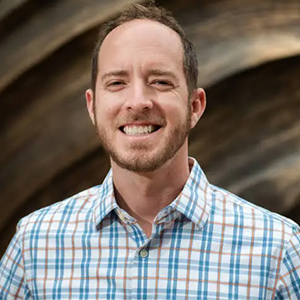
Yuebing Zheng, Walker Department of Mechanical Engineering, Cockrell School of Engineering, has developed laser-based technologies for nanomanufacturing and will investigate whether these photonic methods reduce the neurotoxicity of microplastics.