Founding Fathers and the Forty Acres
The University of Texas at Austin was founded more than a century after the United States. But there are more connections to the founders on the Forty Acres than you might expect.
On the occasion of America’s 250th birthday, we looked around the University of Texas campus for artifacts, portrayals and references to our nation’s founders. We didn’t have to go very far.
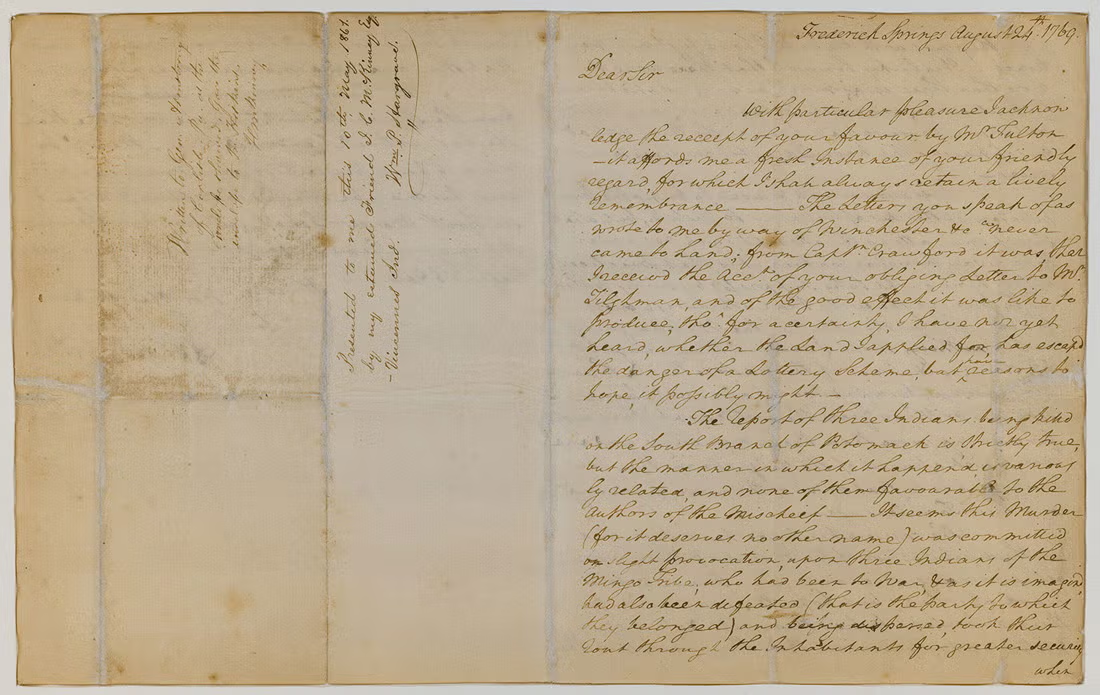
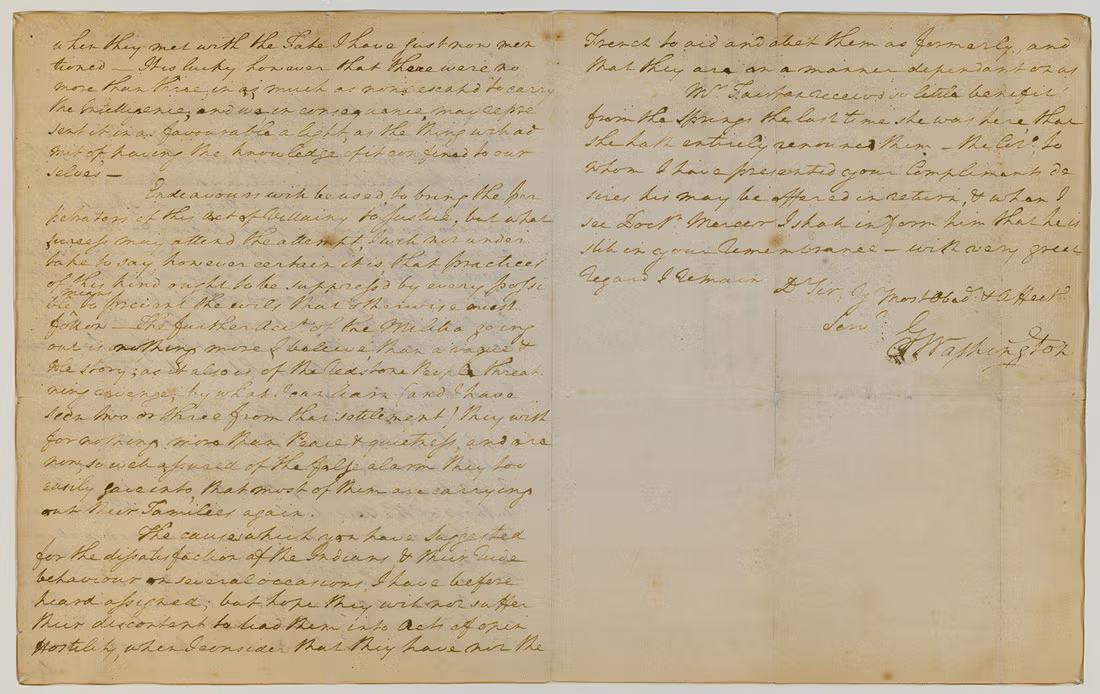
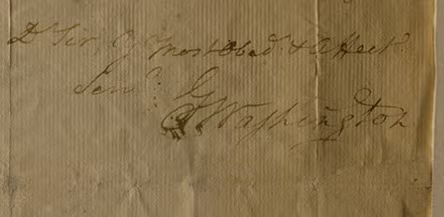
George Washington Letter
UT’s Dolph Briscoe Center for American History holds a letter written by George Washington. The letter, among the few to reside in Texas historical collections, according to the center, discusses the killing of three Indians by white settlers. It was acquired by the Briscoe Center in 2013 due to the generosity of Barron Kidd of Dallas. Washington discusses the murder (“for it deserves no other name,” he wrote) of three members of the Mingo tribe by settlers on the south bank of the Potomac. “The letter sheds light on Washington’s views on Indian relations, his moral character and his acute awareness of the public sphere,” the center writes.
The epistle was written to John Armstrong in August 1769. Washington was between wars and actively pursuing his financial and domestic interests.
Common Sense, printed 1776
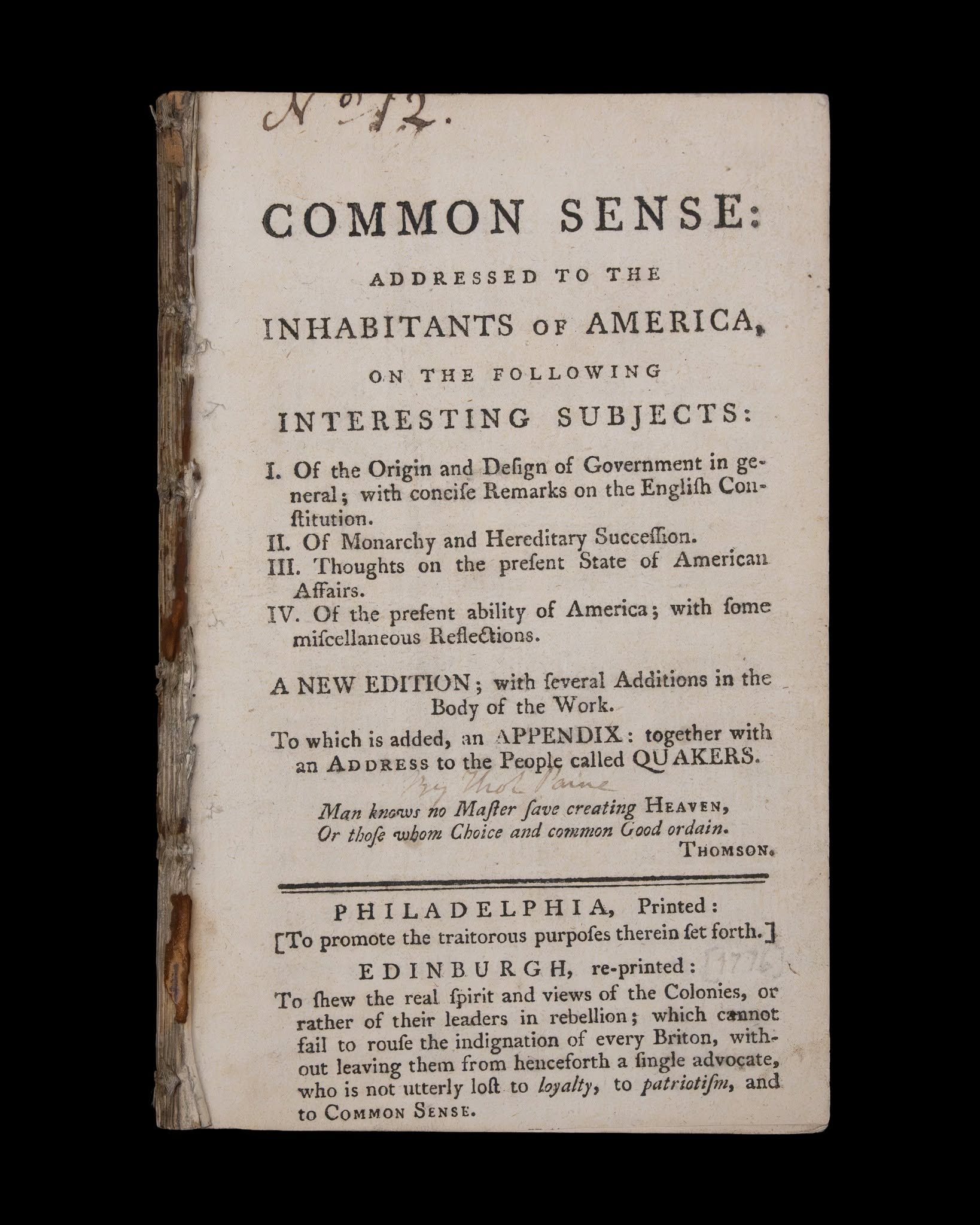
UT’s Harry Ransom Center owns a copy of Thomas Paine’s pamphlet Common Sense, published Jan. 10, 1776. In the pamphlet, Paine makes an impassioned call for America’s independence from Great Britain. Common Sense was an “early American printing sensation,” says the Ransom Center, estimated to have sold 120,000 copies in its first three months in print.
The pamphlet’s cover reads: “Philadelphia, Printed: To promote the traitorous purposes therein set forth.” And “Edinburgh, Printed: To shew the real spirit and views of the Colonies, or rather of their leaders in rebellion; which cannot fail to rouse the indignation of every Briton, without leaving them from henceforth a single advocate, who is not utterly lost to loyalty, to patriotism, and to COMMON SENSE.” (Harry Ransom Center Book Collection, E 211 P135 1776.
H.W. Brands
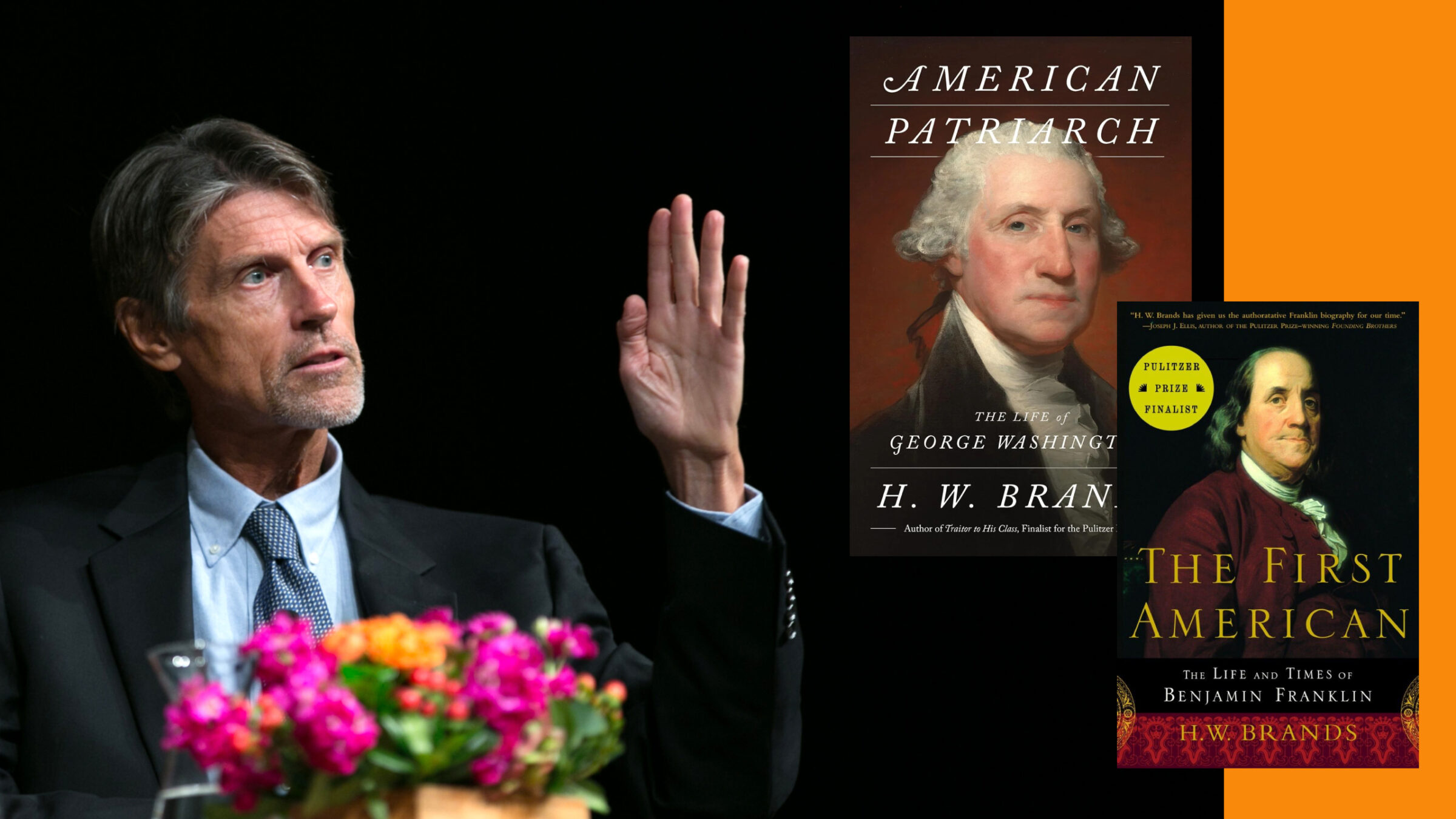
As one of the foremost experts in the world on American history, UT’s Jack S. Blanton Sr. Chair in History, H.W. Brands, is a one-man institution. He has authored 42 books, five of which are in-depth studies of the founders and the American Revolution. These include the biographies “American Patriarch: The Life of George Washington” (2026), “The First American: The Life and Times of Benjamin Franklin” (2000) and “The Heartbreak of Aaron Burr” (2012). Brands also has written “Our First Civil War: Patriots and Loyalists in the American Revolution” (2021) and “Founding Partisans: Hamilton, Madison, Jefferson, Adams and the Brawling Birth of American Politics” (2023). Additionally, Brands is a Texas Ex, having earned his Ph.D. at UT in 1985. He received the Distinguished Alumnus Award in 2012.
George Washington’s Hair
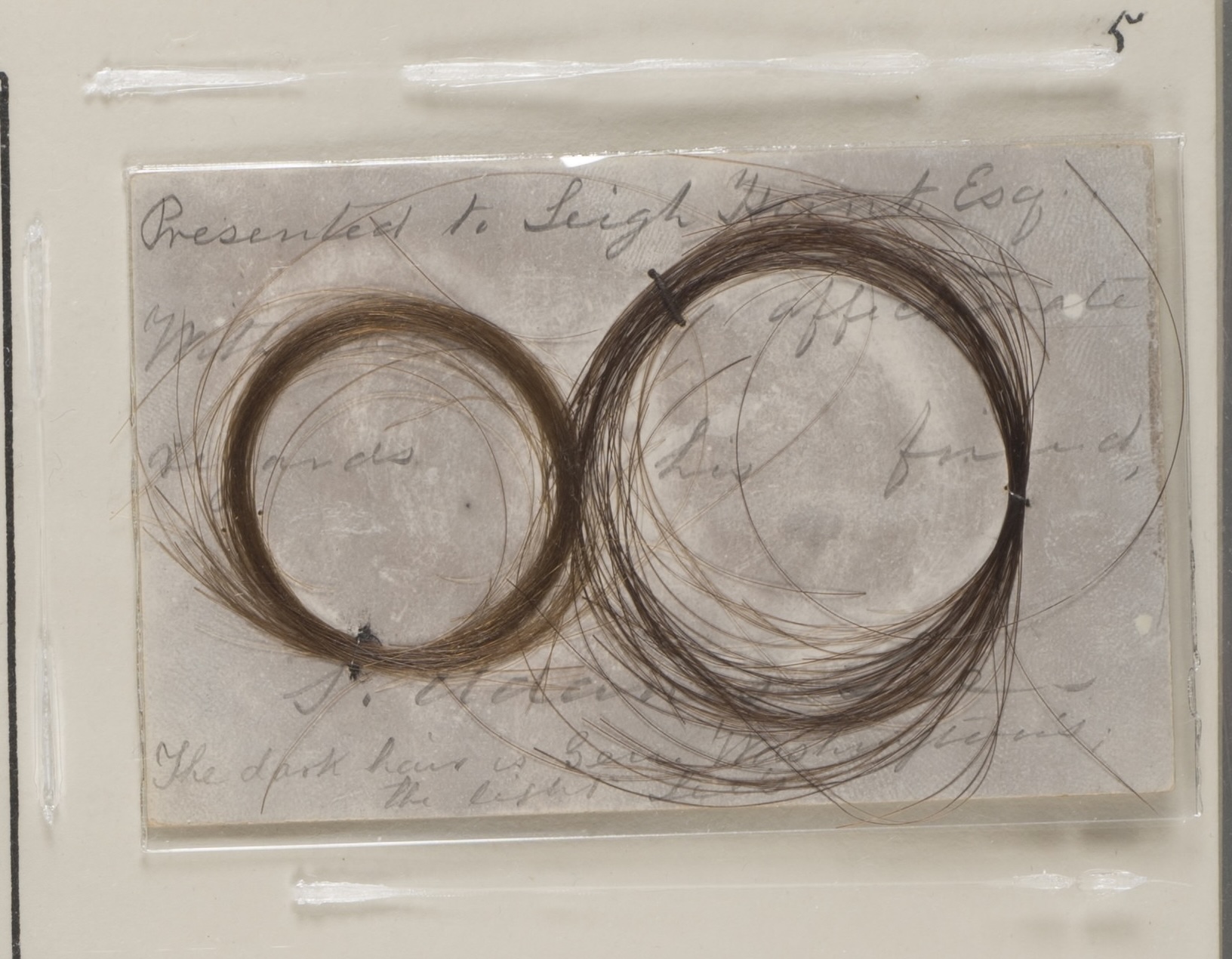
You read it right. Among the most popular “show and tell” items at the Harry Ransom Center is a collection of famous people’s hair compiled by the Romantic poet and essayist Leigh Hunt. It features locks from 21 authors and statesmen, including John Milton, John Keats and yes, George Washington. “The Victorians had a particular obsession with hair,” the Ransom Center writes. “In an age in which death was omnipresent, hair kept in lockets or bracelets was a way of remembering loved ones.”
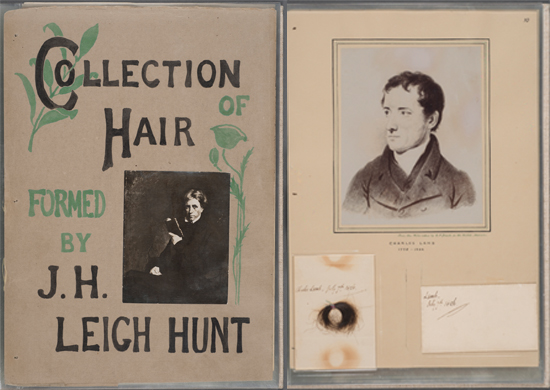
The hair collection stayed in the Hunt family until 1921, when it was sold at Sotheby’s to Miriam Lutcher Stark, who in turn gave it to UT. Stark was a philanthropist, ardent collector of art and rare manuscripts, and the mother of longtime UT regent H.J. Lutcher Stark. “Until the late 1990s, when the album was rehoused by the Center’s Conservation department, it was still possible to touch the hair of your favorite literary celebrity; today, one can only gawk,” says the Ransom Center’s website.
Thomas Jefferson Letters
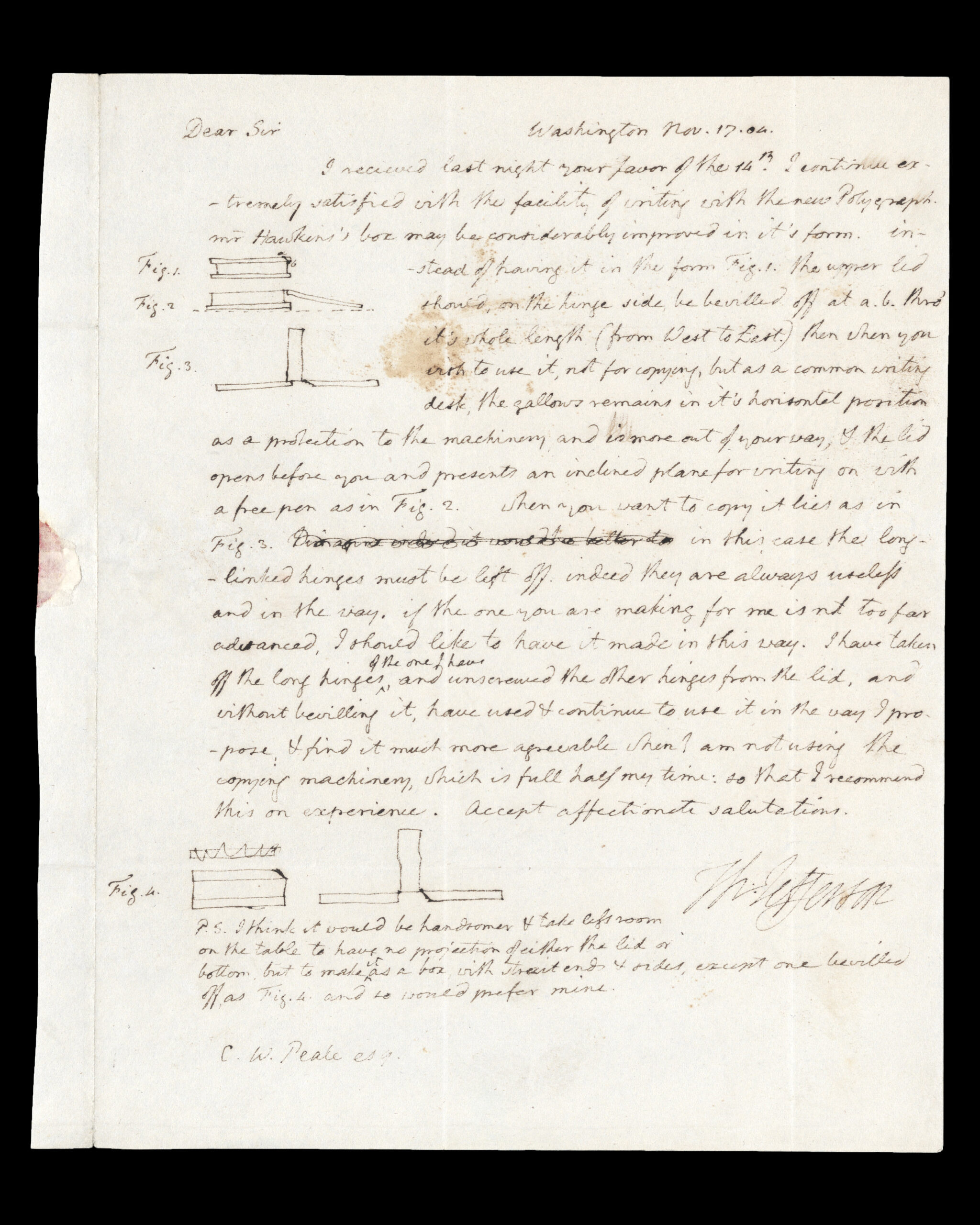
The Harry Ransom Center holds several letters from Thomas Jefferson: one from 1793 to Gouverneur Morris, another Founding Father, of New York, that mentions the American Revolution, and another (seen below) from 1804 to Charles Wilson Peale concerning improvements to the polygraph, a device used to duplicate letters. The center also has a collection of 31 letters and legal documents signed by each president from George Washington to Franklin Roosevelt.
George Washington Statue
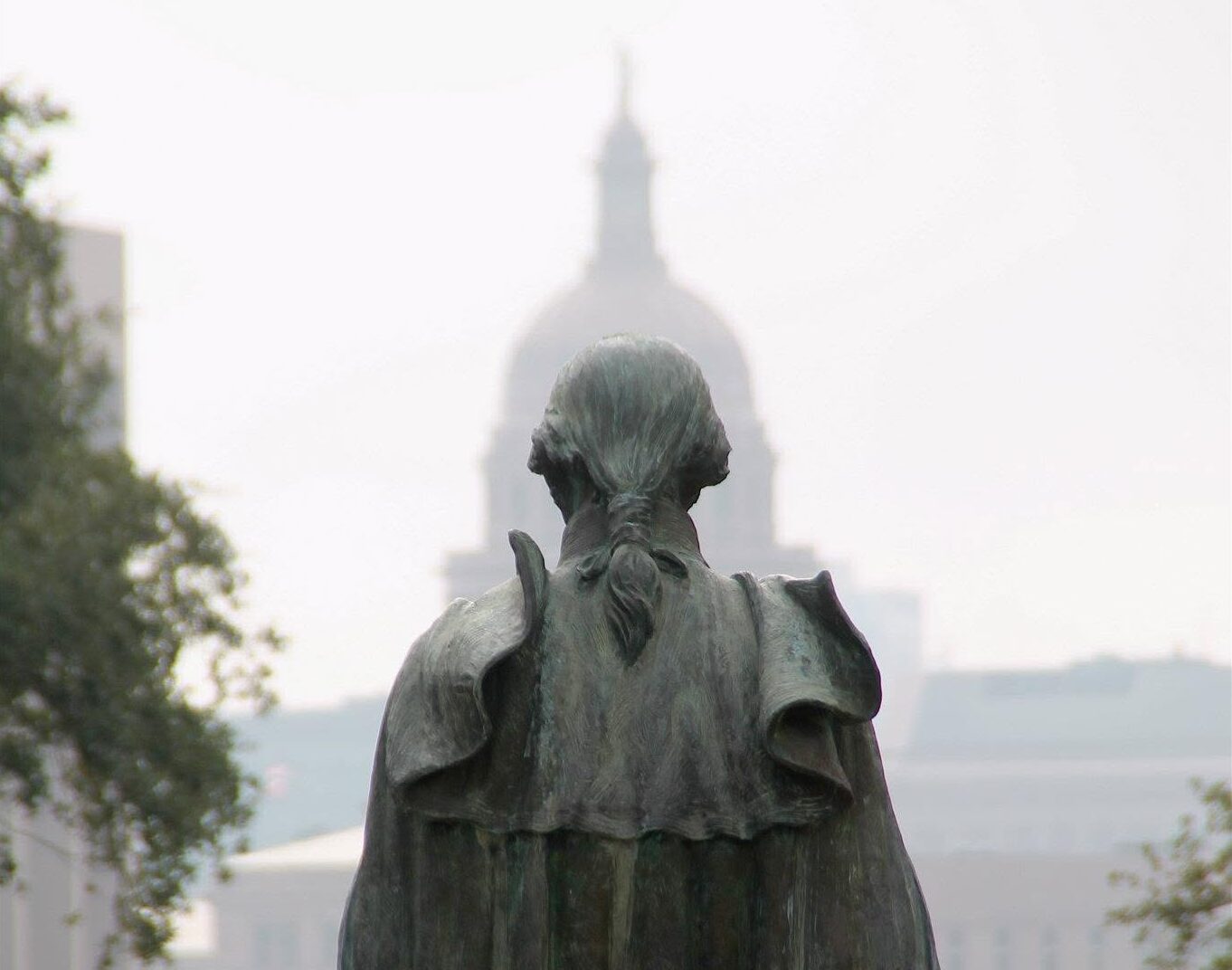
Anyone spending more than 10 minutes on the Forty Acres will have seen the impressive statue of the father of our country at the top of the South Mall. But how did it come to be there?
UT historian Jim Nicar writes on his blog “The UT History Corner”: “In 1924, a news report declared that Texas was the only state in the Union without a statue of George Washington. Surprised and dismayed, Frances [Campbell] knew she had to do something about it. The issue stayed in the back of her mind for years until discussions began within her [Daughters of the American Revolution] chapter on how best to observe the 200th anniversary of Washington’s birth, coming up in 1932.”
To mark the occasion, a large boulder was placed at the site to mark the spot where a future statue would go. This prompted humorous exchanges about the world’s first “monument to a monument” and President H.Y. Benedict’s incredulous note to professor William Battle, who was organizing the event, “I have to thank them [the DAR] for a boulder!” (The rock was moved two years later to allow work on the South Mall.)
But the Great Depression and World War II delayed the project beyond the lifetime of its original champion, and many years passed before others took up the cause. In 1955, the statue, created by 85-year-old Pompeo Coppini, was finished and placed at the head of the South Mall, centered and aligned with the Tower. It was still the first statue of President Washington in Texas.
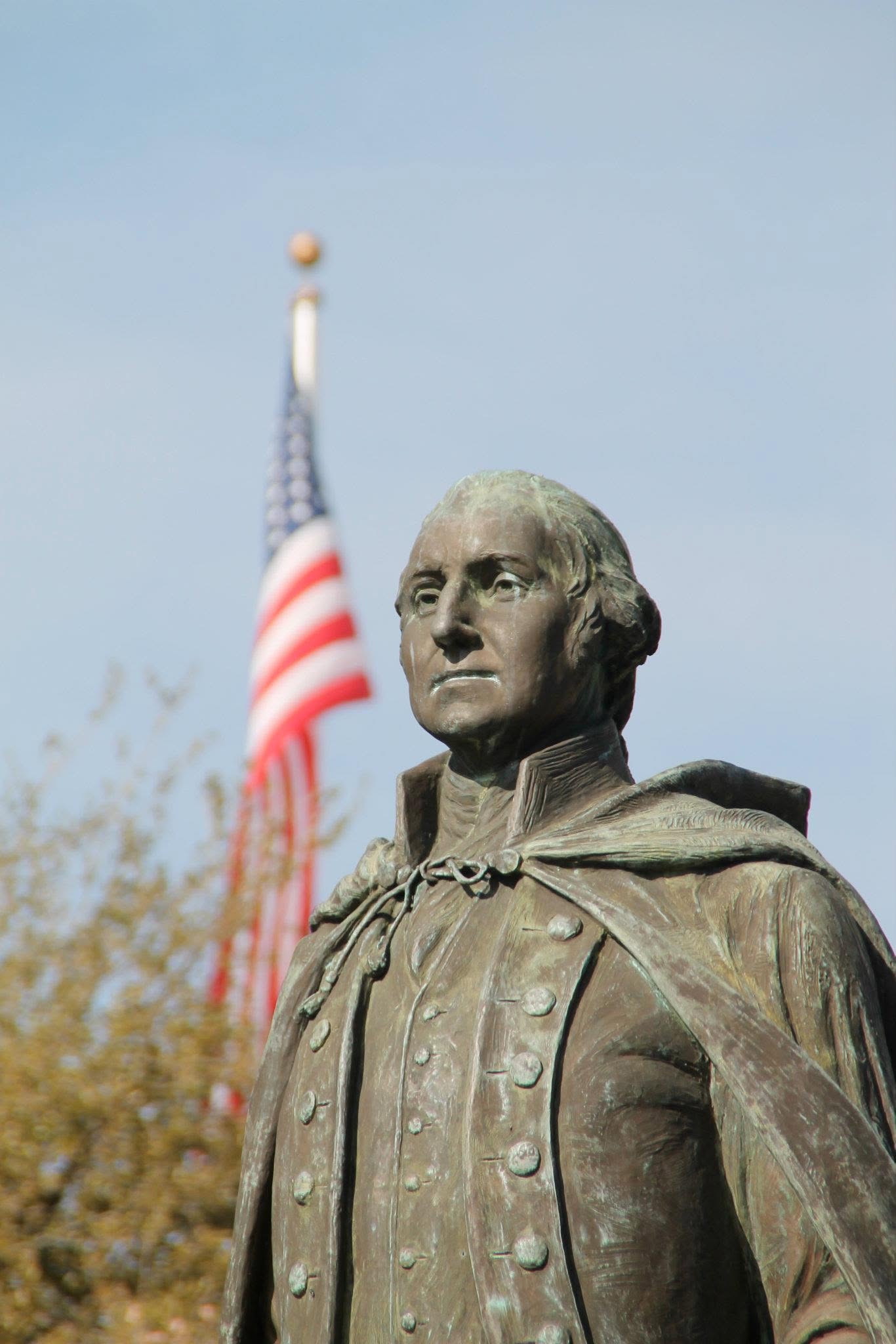
Thomas Jefferson Center for the Study of Core Texts and Ideas
The Thomas Jefferson Center for the Study of Core Texts and Ideas was founded in 2014 by professors Lorraine Smith Pangle and Thomas L. Pangle and is housed within the College of Liberal Arts.
The center named for the author of the Declaration of Independence and third president promotes and supports “great-books education” and the study of classic texts considered foundational to the United States. It is home to the Jefferson Scholars Program, in which undergraduates from colleges and schools across the University earn the Core Texts and Ideas Certificate. In addition to the study of foundational texts, the Jefferson Center promotes civic engagement and responsible citizenship.
UT’s new School of Civic Leadership also offers a major in Great Books Honors, in which students explore foundational texts centered on the classics of philosophy, literature, theology, science, art and political thought in an eight-course sequence.
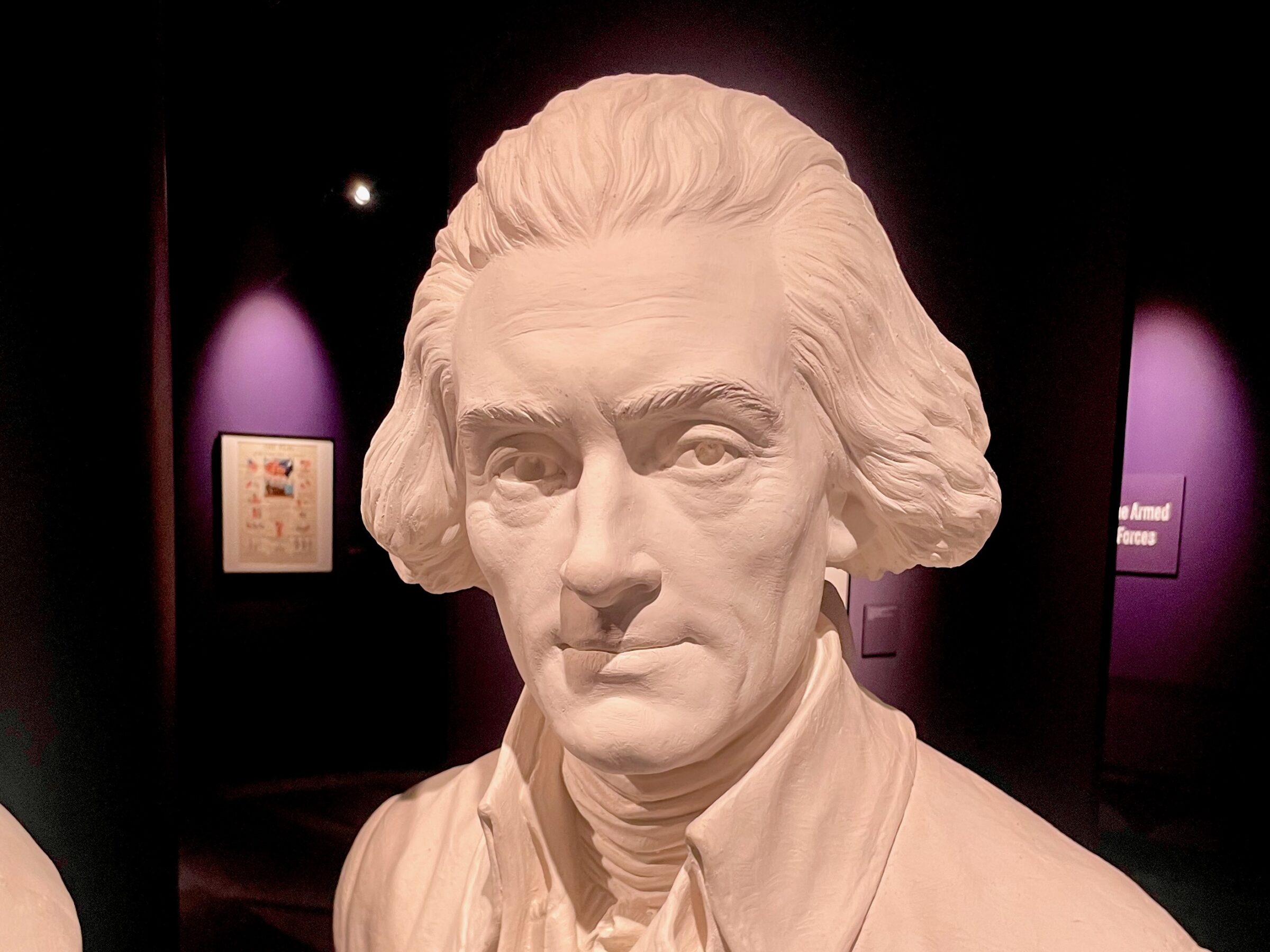
The Alexander Hamilton Society
Alexander Hamilton Society is a nonpartisan, national organization dedicated to promoting debates on foreign policy, national security and economic statecraft. The UT chapter is a highly recognized student organization and frequently partners with UT’s Clements Center for National Security and the LBJ School of Public Affairs to host guest lectures, panel discussions and career networking. UT’s provost, William Inboden, serves on its national Board of Advisers.
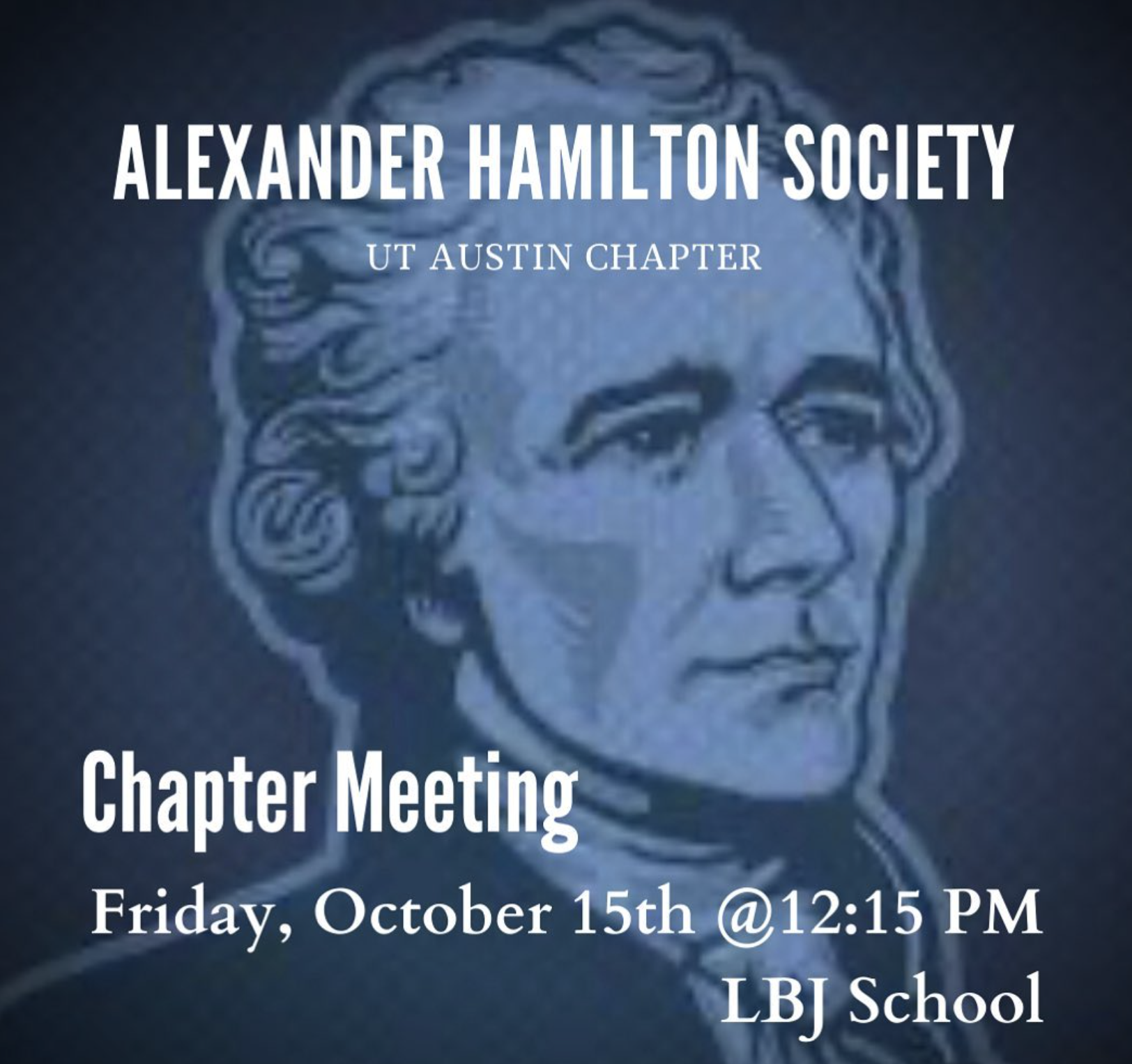
The Franklin Medal
Three UT Austin professors have won the Benjamin Franklin Medal, a prestigious science and engineering prize awarded by The Franklin Institute, more than 200 years old. Professor Yale Patt received it for his contributions to computer and cognitive science in 2016. The Cockrell School of Engineering has had two professors win it: John Goodenough won for the lithium-ion battery in 2018, and Bob Metcalfe won the medal in electrical engineering in 2024 for his “pioneering role in the design, development, and commercialization of Ethernet.”
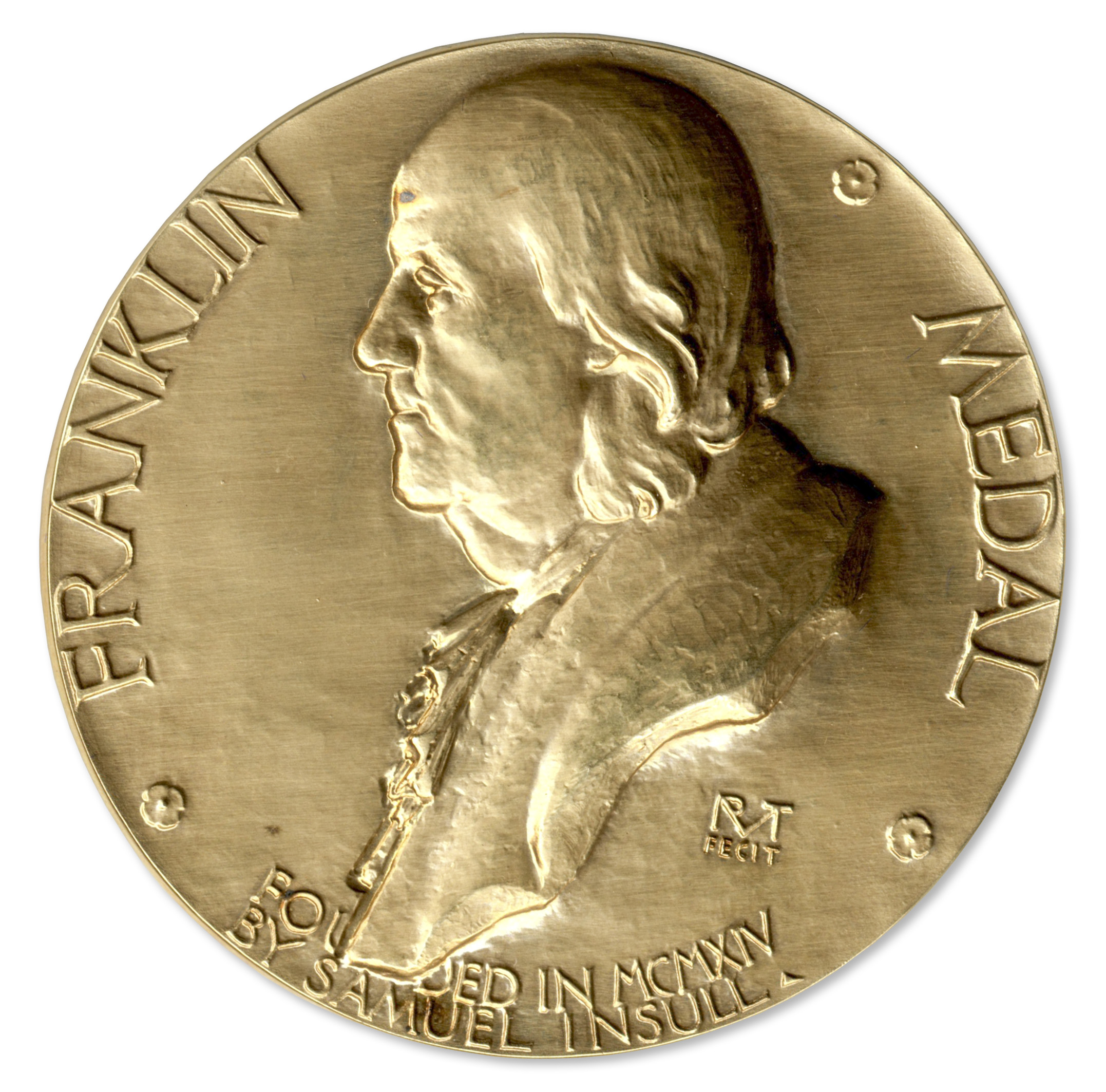
Benjamin Franklin in the Main Building
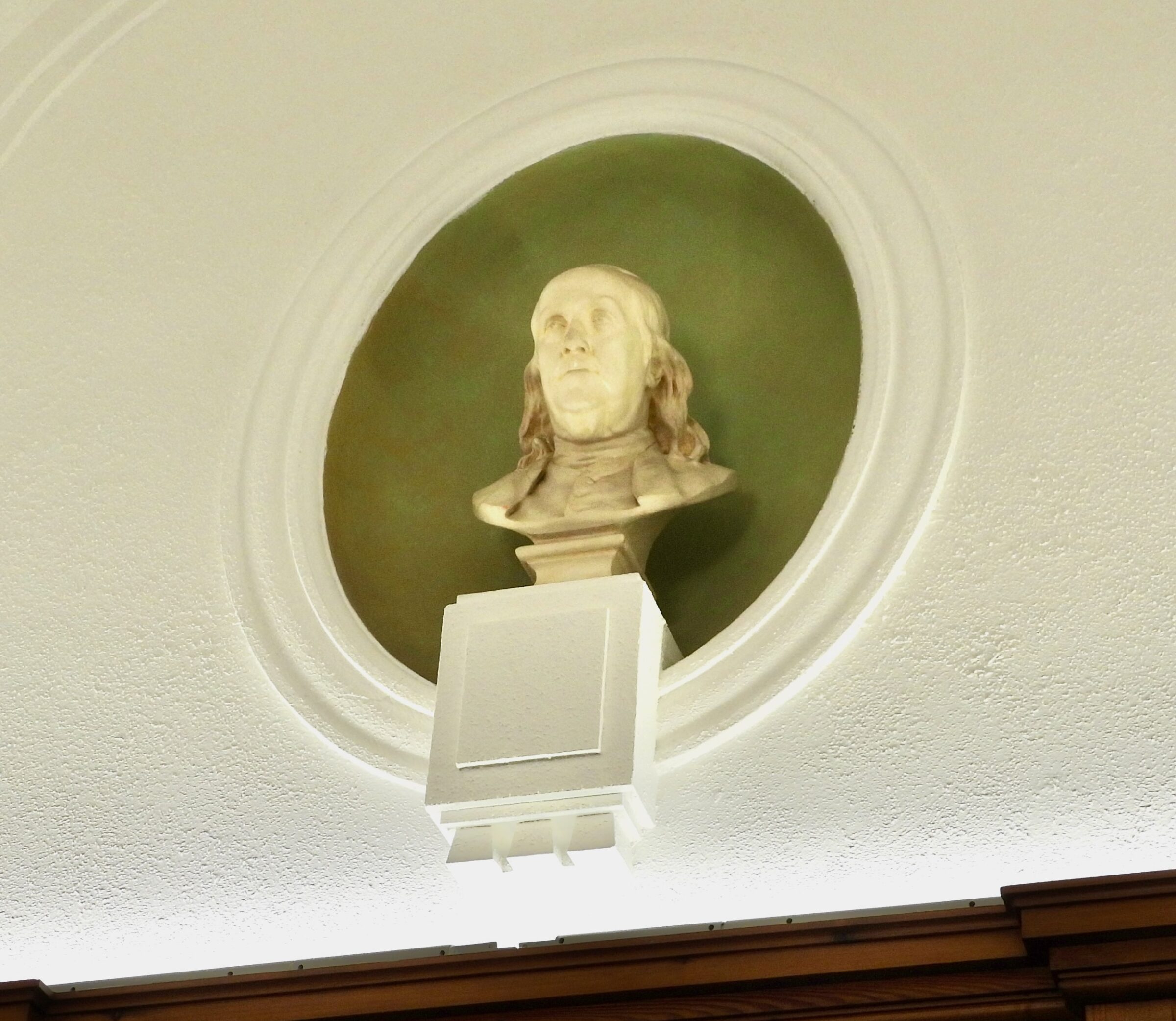
We’re not done with Franklin! One could be forgiven for not knowing there is a statue of Benjamin Franklin in UT’s Main Building. On the second floor, just west of the Lee Jamail Room (formerly known as the Regents Room) is a small reading room that once served as the office of the UT System’s chancellor. There, in high niches, there are three plaster busts. As the building was designed as a library, the busts are of three writers, one of which is Ben Franklin. The other two are Voltaire and Julius Caesar, who wrote important military histories. It now serves as a private meeting room. The room’s twin on the east side of the Lee Jamail Room, which now serves as the provost’s office, features busts of Shakespeare, Sophocles and Homer.