UT’s Lab that Engineers the Hidden Technologies Behind National Security and Everyday Life
From high-tech submarine sonar to GPS, UT’s Applied Research Laboratories has been powering the systems that protect and connect the world for 80 years and counting.
Quick Facts
- Applied Research Laboratories at The University of Texas at Austin is one of only 15 University Affiliated Research Centers in the nation and among the oldest, giving UT decades-long ties to the national security ecosystem.
- ARL:UT developed the high-resolution sonar systems installed on all U.S. Navy submarines.
- The lab has played a central role in GPS since its earliest days and is the long-term steward — keeping positioning and timing services accurate for military and civilian users worldwide.
- Austin’s first Fortune 500 company was born in the lab, helping to establish the city as a global technology hub decades before it earned that reputation.
- Over 4,000 students have trained at the lab, gaining hands-on experience on real national security projects.
Outside of defense and research circles, the Applied Research Laboratories at The University of Texas at Austin may not be a household name, but it is one of the most important laboratories in the country. From developing sonar systems that are installed on all U.S. Navy subs to leading GPS and satellite navigation research and global operations since these technologies began, the laboratory’s contributions underpin both national security and everyday life.
Across eight decades, many innovations and firsts have come out of the lab. Today, with over 600 researchers and 300 support staff members, ARL:UT is the largest nonmedical research institution in The University of Texas System and remains grounded in the mission that defined its founding — translating advanced research to solve specific, real-world problems while preparing the next generation of scientists and engineers to meet the challenges ahead.
“To meet the challenges of a rapidly changing world, our nation must continuously innovate. That requires a relentless focus on the future, which is exactly what ARL:UT has delivered for eight decades,” said Fernanda Leite, vice president for research. “The cutting-edge technologies developed at this laboratory have directly enhanced the capabilities of the U.S. military. Our nation is safer and better equipped because of the brilliant minds at ARL:UT who work every day to support our service members and protect our country.”
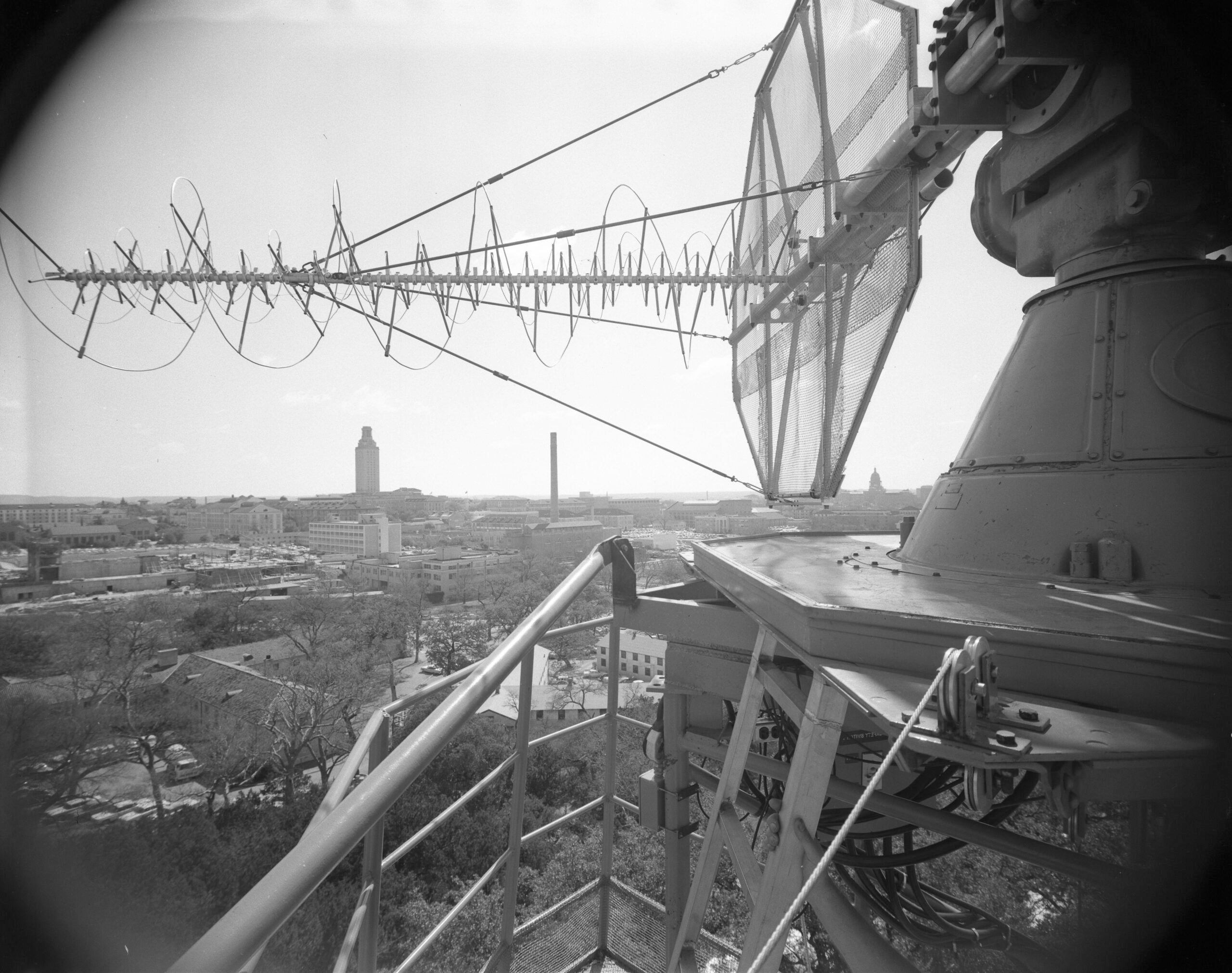
The laboratory is a Department of War University Affiliated Research Center, or UARC, one of the first of its kind and now one of only 15 in the nation, giving UT decades-long ties to the national security ecosystem. Tracing back to its origins in the 1940s, when it was known as the Defense Research Laboratory, ARL:UT helped build the nation’s technological and security capabilities through early work in radar, aeronautics and underwater acoustics. As a long‑term strategic partner, it has continued to evolve with changing defense and technology needs, focusing on mission‑critical problems that these specialized research centers are designed to address.
Core Expertise in Undersea Warfare, Surveillance and GPS
ARL:UT’s work is defined by areas of expertise that set it apart as a trusted national security partner — delivering mission‑critical sonar to the Navy and millimeter‑accurate precision, navigation and timing for GPS — and it is also at the forefront of information sciences through leading-edge research in cybersecurity, advanced information processing and quantum information sciences.
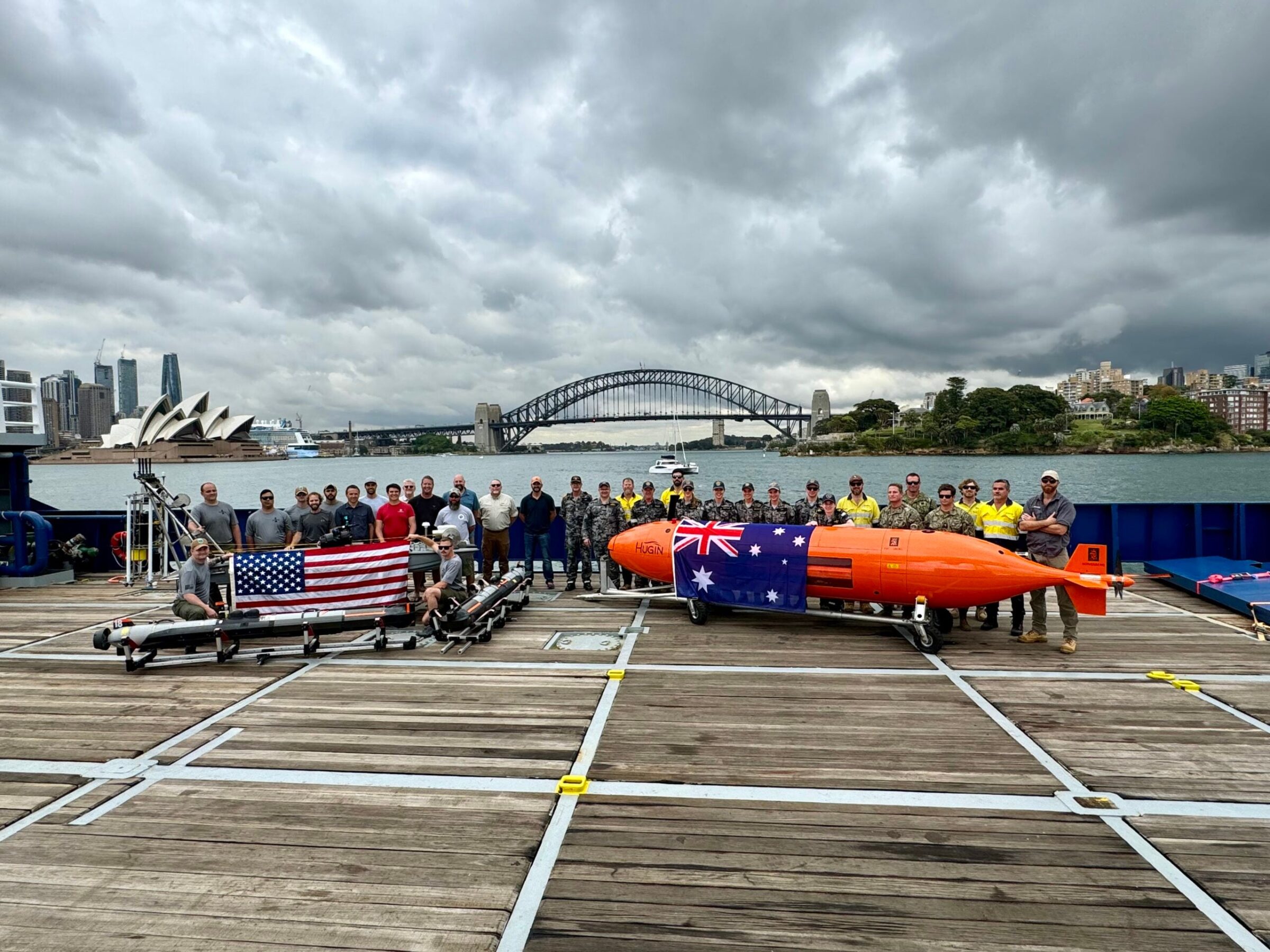
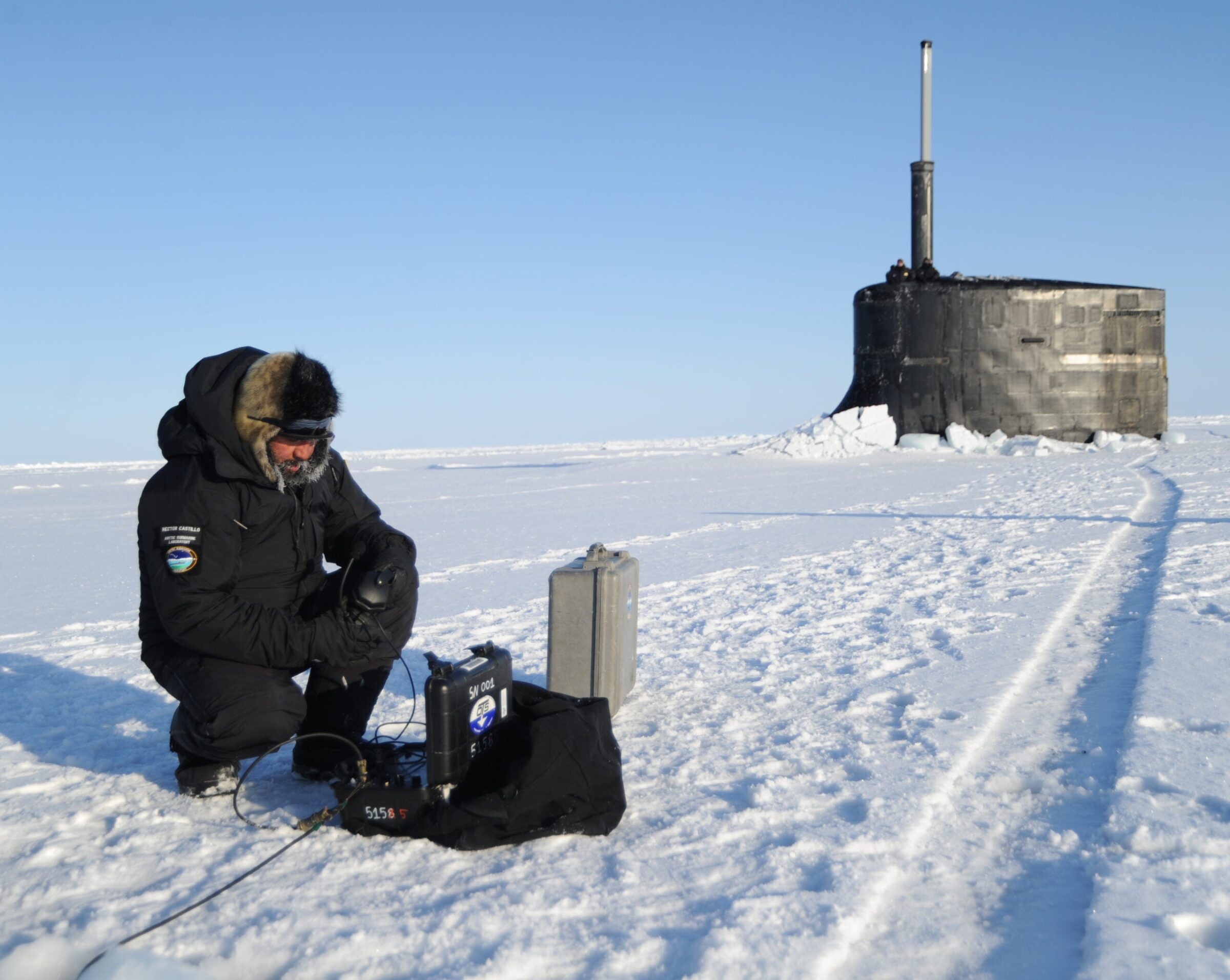
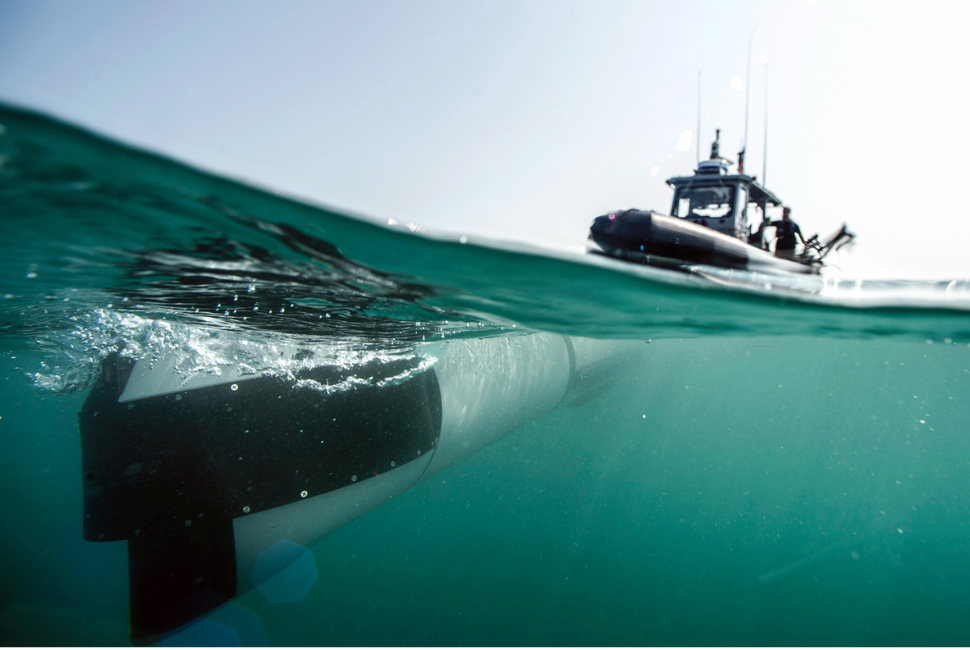
ARL:UT is a leader in sonar and underwater acoustics, developing high‑resolution systems and techniques that help submarines and underwater vehicles navigate safely, avoid obstacles and sea mines, and operate in complex environments such as under Arctic ice. Its researchers support undersea surveillance and warfare by enabling submarines, surface ships and unmanned systems to sense their surroundings and by detecting and tracking both surface ships and submarines, strengthening situational awareness in the maritime domain.
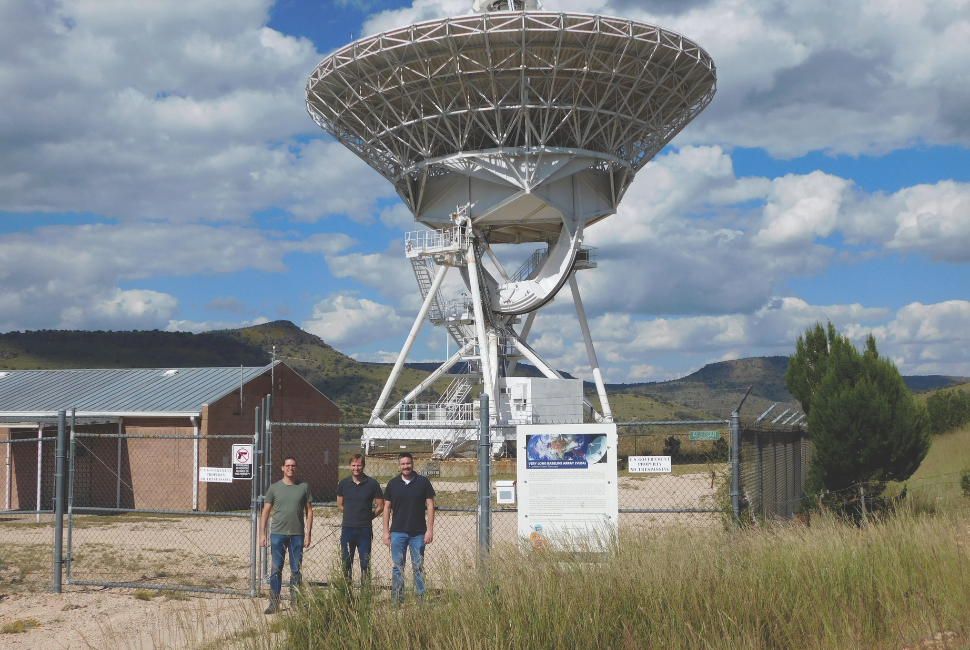
The laboratory also provides deep expertise in Precision, Navigation, and Timing — the capabilities that enable GPS systems to provide accurate time and locations needed in many important applications such as navigating to a destination. ARL:UT serves as the lifecycle engineer for the global GPS monitoring network, helping keep positioning and timing services accurate and reliable for both defense operations and civilian uses, from military missions to the map apps that guide people through cities and around traffic.
The lab’s long-term partnership with the Department of War is formalized through its UARC contract, which was renewed and expanded under a massive $1.1 billion contract awarded in 2017 by the Naval Sea Systems Command — the largest single award in UT history. About 60% of ARL:UT’s work is for the Navy, and 99% of its projects are for federal agencies across more than 200 active agreements. In early 2023, the lab also secured a $171.3 million contract modification for earth science support from the National Geospatial-Intelligence Agency focused on geophysical modeling and navigation.
“In many ways, University Affiliated Research Centers represent the crown jewels of the Department of War’s science and technology mission,” said Karl Fisher, ARL:UT’s executive director. “The emergence of other advanced military powers and the rapid pace of innovation — particularly in autonomy, networked systems and data — are driving the need for faster development and deployment of technologies that support national security. ARL:UT, together with UT, is ideally positioned to transform cutting-edge research into capabilities that directly address our nation’s most complex security challenges.”
Four Labs, One Mission: Solving Complex Security Challenges
ARL:UT’s capabilities are organized across four laboratories that span the seafloor to space and beyond.
- The Advanced Technology Laboratory develops underwater sensing and robotic systems that help the Navy navigate safely, detect threats, and extend operations into places that are difficult or dangerous for people to reach.
- The Environmental Sciences Laboratory investigates how sound moves through the ocean and atmosphere, helping the Navy improve sonar performance, understand changing environments, and detect and track activity over long distances.
- The Space and Geophysics Laboratory advances satellite navigation and geolocation technologies that help ensure GPS and other global navigation systems remain accurate, reliable and resilient, and maintain critical systems relied upon for transportation, communication, mapping and national security.
- The Signal and Information Sciences Laboratory develops technologies that help the military detect threats, make sense of complex data, and operate in rapidly evolving environments, with research spanning sonar, cybersecurity, artificial intelligence, robotics, quantum technologies, and hypersonics.
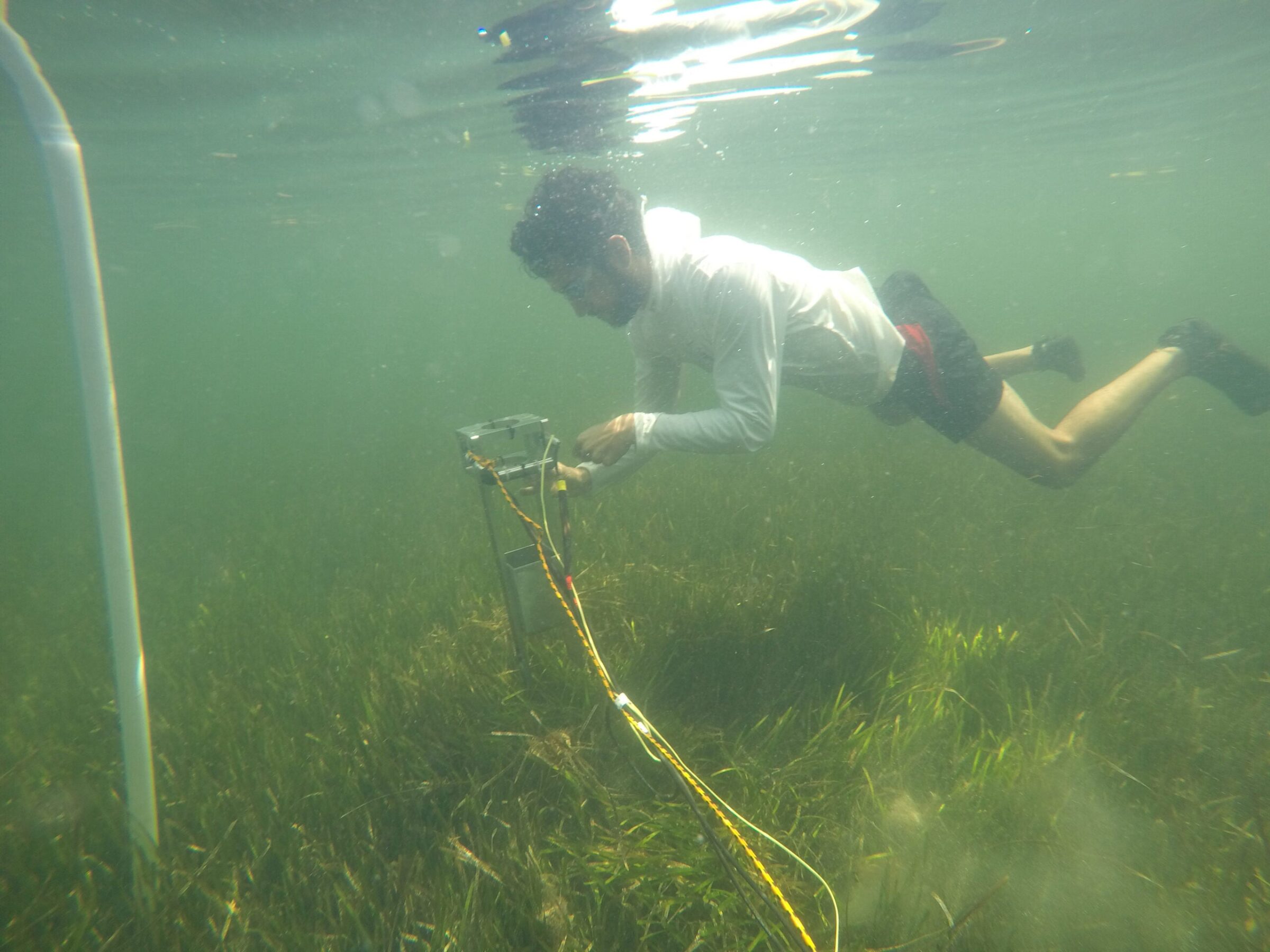
Many of these capabilities converge at specialized research facilities that allow scientists and engineers to test technologies in real-world environments. One of the most distinctive is in an unexpected place.
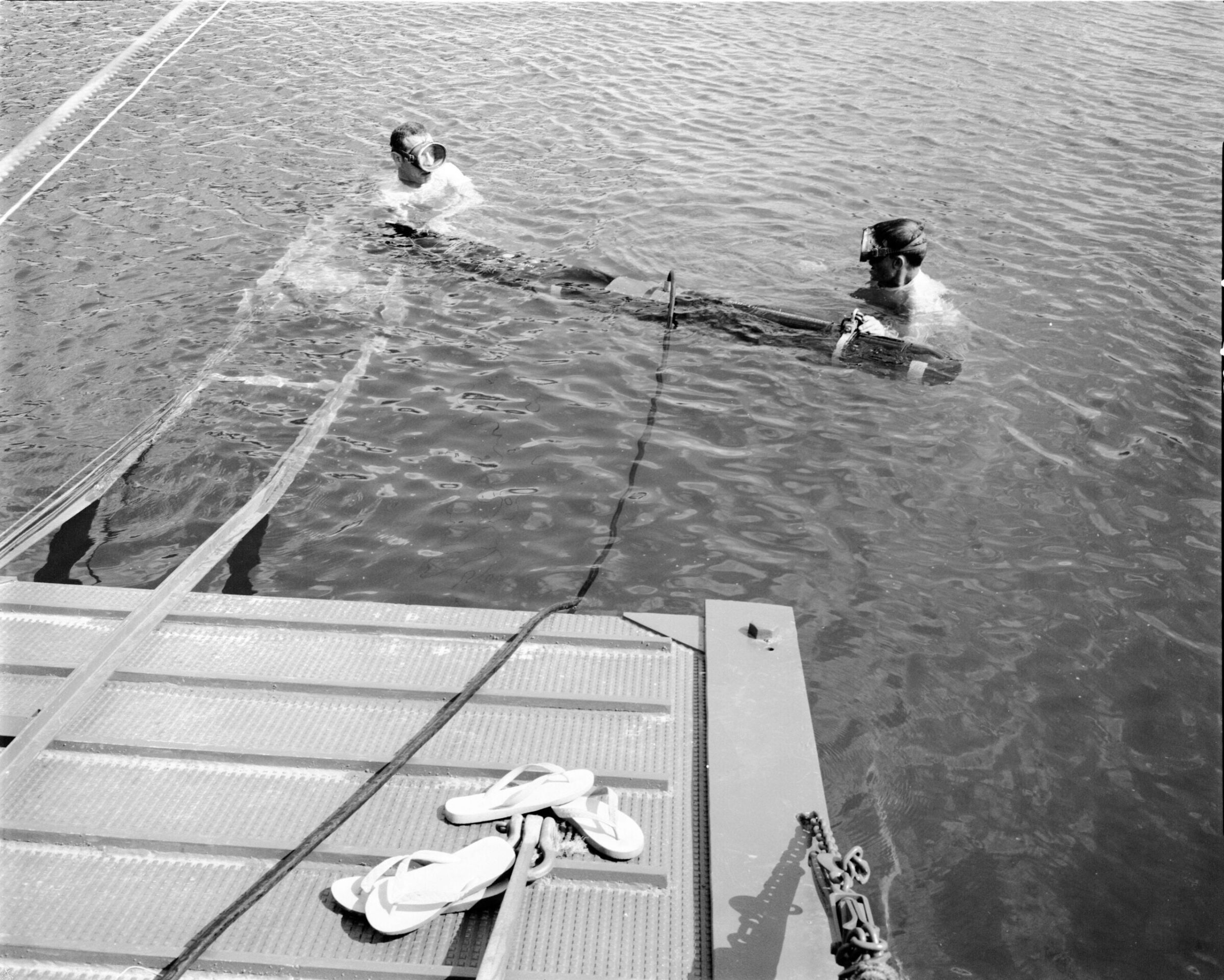
On Lake Travis — one of Austin’s most popular recreational lakes — ARL:UT operates a year-round proving ground for underwater acoustics research, sonar calibration and maritime technology testing: the John M. Huckabay Lake Travis Test Station. The site houses a 20,000-square-foot main barge, 2,500-square-foot auxiliary barge, various research vessels, and a dedicated and highly skilled research dive team, now celebrating 50 years of supporting ARL:UT’s critical work on Lake Travis and at sea around the world.
Main Campus Connections
ARL:UT maintains deep relationships with faculty and researchers across disciplines on main campus. The lab collaborates with acoustics researchers from the College of Natural Sciences, Cockrell School of Engineering and Moody College of Communication and co-leads a joint intelligence policy program with UT’s Strauss Center that explores legal issues related to emerging technologies — such as what happens when drones fly in public airspace and how to address concerns about unmanned autonomous vehicles operating in public waters.
The lab’s precision machinery, specialized welding capabilities, and test tanks also support faculty projects and external partners, creating a bridge between fundamental research and deployable systems.
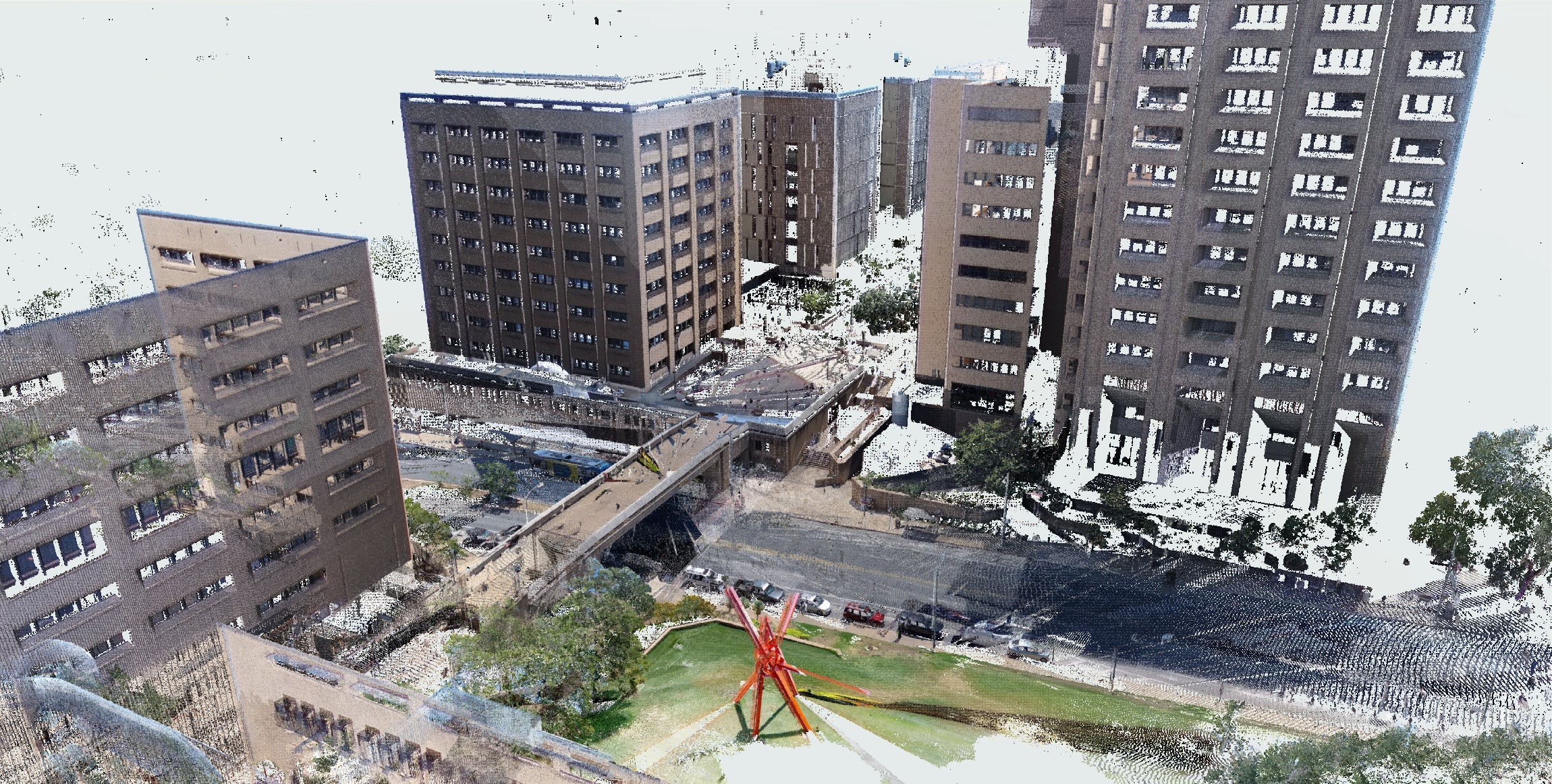
To formalize the advancement of defense research, the Office of the Vice President for Research, Scholarship and Creative Endeavors and ARL:UT jointly fund the Creating Connections for National Security Research program, which provides seed grants to pair main campus faculty members with laboratory researchers. These one-year projects focus on rapidly transitioning fundamental academic discoveries into applied defense technologies in areas such as AI, autonomous systems, and advanced sensors and often lead to long-term funding.
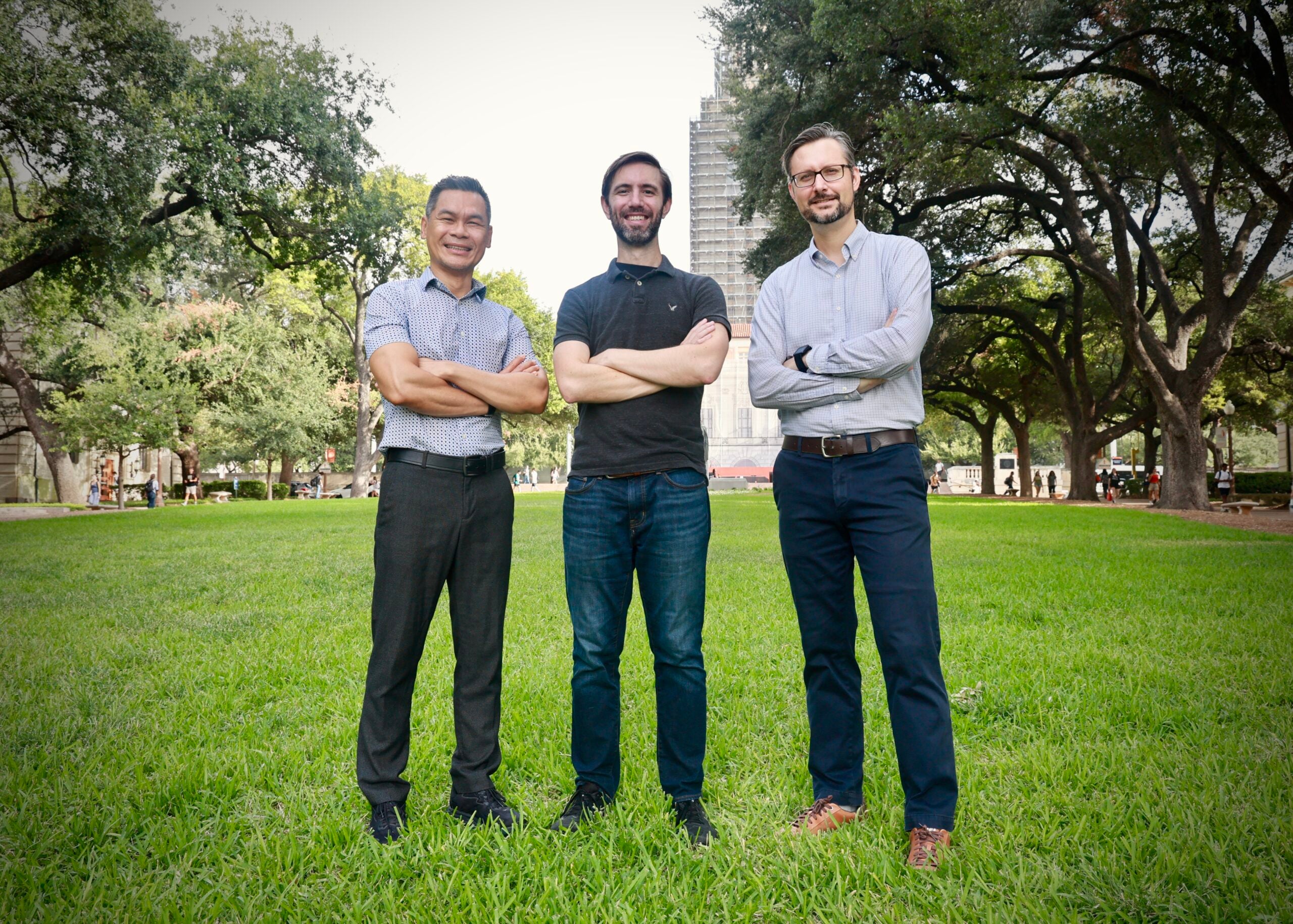
“ARL:UT helps at every stage — from the first conversation to real-world deployment,” said Mitch Pryor, mechanical engineering research professor, who is adapting autonomous capabilities for space, aerial and ground systems for use on underwater vehicles that can plan their own routes and aim their sonar to map the seafloor without a human at the controls. His team can then test these systems on real vehicles in conditions like those a Navy underwater vehicle would face.
“On the front end, the lab brings the right people to the table so discussions with sponsors are more direct and focused, which helps us understand the true problems and shape relevant task requirements,” Pryor said. “During the research phase, ARL:UT contributes deep field experience to keep our work grounded in practical needs. And on the back end, the lab provides a clear path to mature promising early-stage research and turn it into deployable capabilities.”
Born in the Lab: Austin’s First High-Tech Companies
As an early high-tech employer in Austin, ARL:UT helped shape the city’s industry development, company formation and economic growth.
“Not widely recognized is that the lab has had a significant impact on the city’s economy,” said Clark Penrod, who served for 18 years as ARL:UT executive director before retiring in 2018. “The hundreds of lab employees working and living in Austin and spin-off companies have had a major effect on local jobs, innovation and prosperity.”
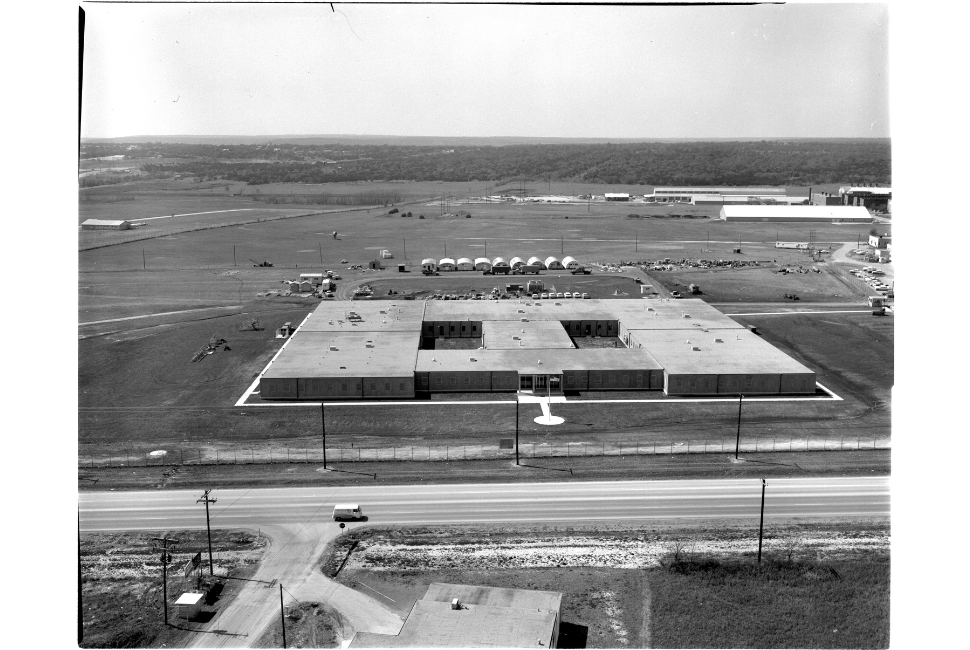
Emerging directly from a project for the U.S. Navy during the 1970s, former ARL:UT researchers James Truchard and Jeff Kodosky co-founded National Instruments. Motivated by the limitations of data collection tools available at the time, they developed LabVIEW, a groundbreaking programming language that transformed how engineers and scientists measure, test and control applications. Propelled by this flagship product, National Instruments grew into one of the world’s leading developers of virtual instrumentation for research and industry — and one of the largest companies whose origins are connected to UT.
Another company born in the lab, Tracor, traces its roots to Associated Consultants and Engineers, which was founded by ARL:UT researchers Richard Lane, Chester McKinney and Jess Stanbrough alongside UT mechanical engineering professor Frank McBee to commercialize cutting-edge Navy acoustics and sonar work. Headquartered near main campus, the company merged in 1962 to become Tracor Inc., drawing on UT graduate students as it grew into Austin’s first Fortune 500 company and a launchpad for local companies such as Radian Corporation. By rapidly commercializing University research, Tracor served as an early model that helped position Austin alongside Silicon Valley and Route 128 as a major high-tech research hub.
“Companies that grew out of the Applied Research Laboratories, like Tracor and National Instruments, were pioneers in bringing electronics and computer technology to Austin, now a global high‑tech center,” Truchard said.
The lab’s legacy of innovation extends beyond commercialized spin-offs to pioneering individuals who achieved remarkable scientific “firsts.” A prime example is Mary Beth Bennett, the first woman to earn both a B.S. and M.S. in electrical engineering at UT, whose groundbreaking 1970s research at ARL:UT proved that acoustic parametric arrays work in air, laying the baseline for today’s thriving acoustical spotlight industry. Over a 40-year career that earned her the lab’s highest technical honor, she traveled globally for naval research as a qualified P-3 air crew member and conducted critical ground sensor testing across the country.
Training the Next Generation
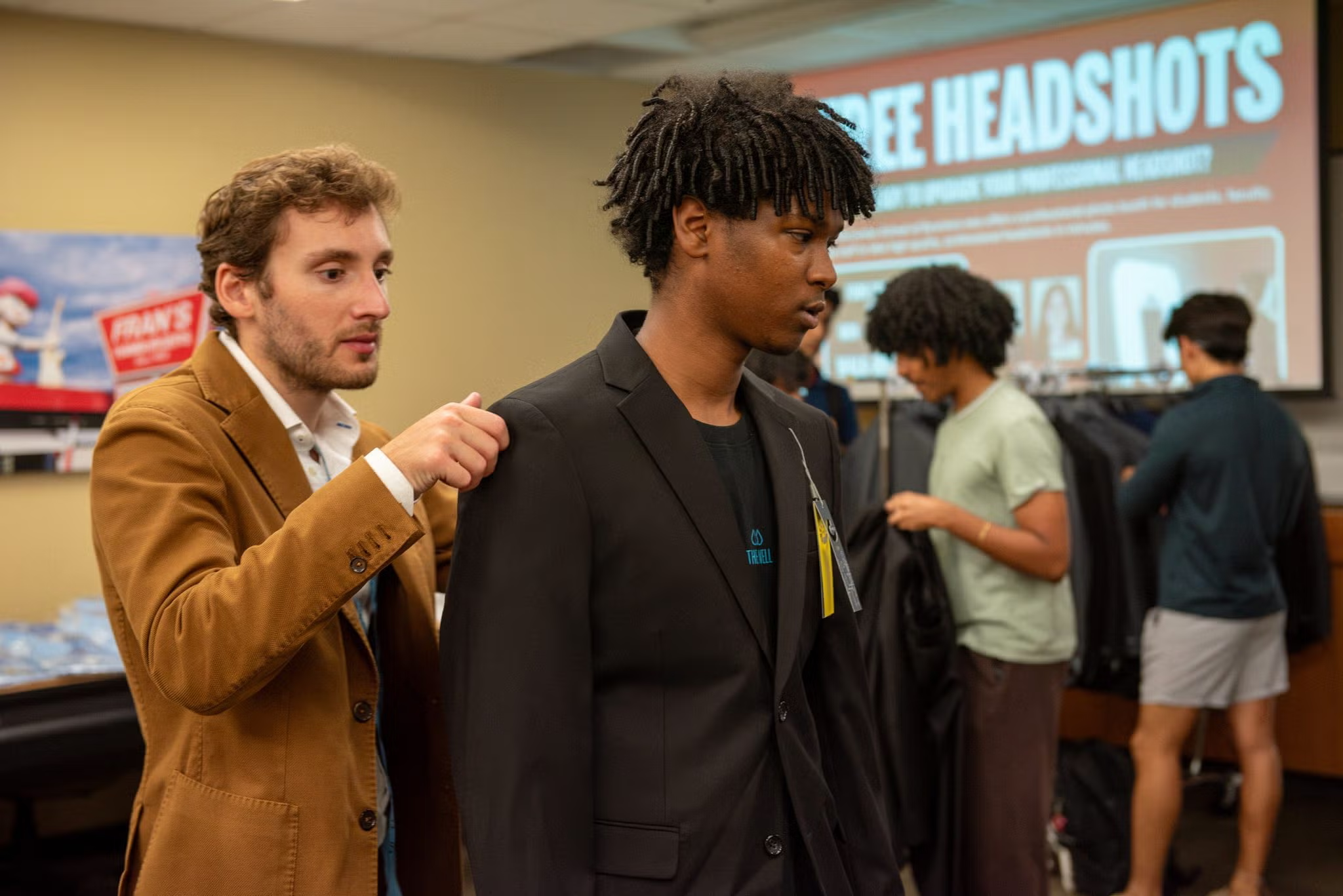
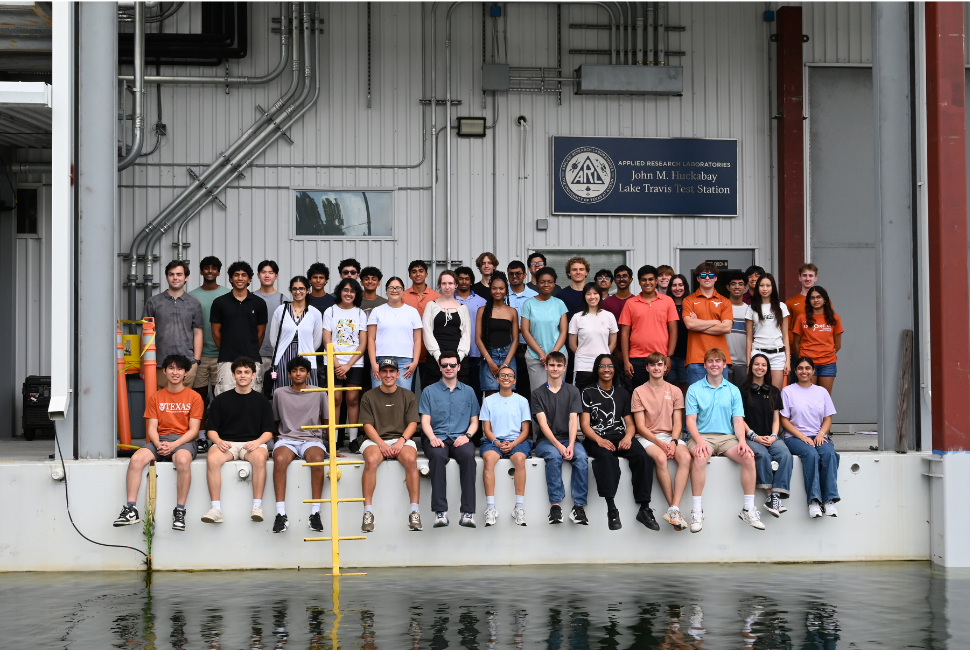
A powerful engine for talent development, the lab prepares students for mission-ready expertise as education and experiential learning are central to the ARL:UT mission. More than 4,000 students have gained hands-on experience there, contributing directly to real-world projects and taking on pivotal roles through undergraduate and graduate employment.
This pipeline begins as early as high school and adapts to multiple stages of a student’s academic journey. To spark early interest, ARL:UT runs programs such as the Quantum Computing Freshman Research Initiative for incoming high school graduates and the Science and Engineering Apprenticeship program for recent high school graduates, and it has developed quantum content for UT’s OnRamps dual-enrollment program.
For advanced students, the Honors Independent Research and Development (IR&D) Summer Internship offers paid, hands-on experience within active, sponsored research programs. Selected from top candidates recommended by the deans of the Cockrell School of Engineering and the College of Natural Sciences, these honors interns have the option to transition into part-time student employment during the school year, frequently launching full-time national security careers after graduation. Graduate research assistants also receive competitive compensation packages that include in-state tuition.
Even the lab’s former top executive began his career as a student employee. “I joined ARL in 1968 as an electrical engineering undergraduate working part time to cover educational expenses,” Penrod said. “After completing my M.S. and Ph.D. and serving on the UT faculty for several years, I returned to the lab, where I spent the rest of my career. One might ask what motivated my return to the lab, and then my long career there? In a few words, it was the opportunity to work on a very broad variety of challenging science and engineering problems — problems whose solutions resulted in meaningful contributions to our national security.”
Through ongoing collaborations with academic departments across campus, the lab advances the University’s missions of research, education and public service while helping cultivate the next generation of technical leaders.
“Ultimately, both ARL:UT and the University recognize that our shared success depends on investment in people,” said Fisher, the current executive director. “The enduring results of our partnership are well-trained graduates, a deeply invested workforce, and high-consequence research that continuously benefits the University, its students and the nation.”