Where Are They Now: Shana Caro and Colin Morrison
The Where Are They Now series revisits students and researchers shaped by opportunities made possible through the What Starts Here campaign.
The What Starts Here campaign is the most ambitious fundraising effort in the history of UT and the state of Texas, and it’s on track to be the most impactful fundraising campaign in public higher education when it closes in August. Philanthropic investments in students, faculty, research and experiential learning are already changing lives.
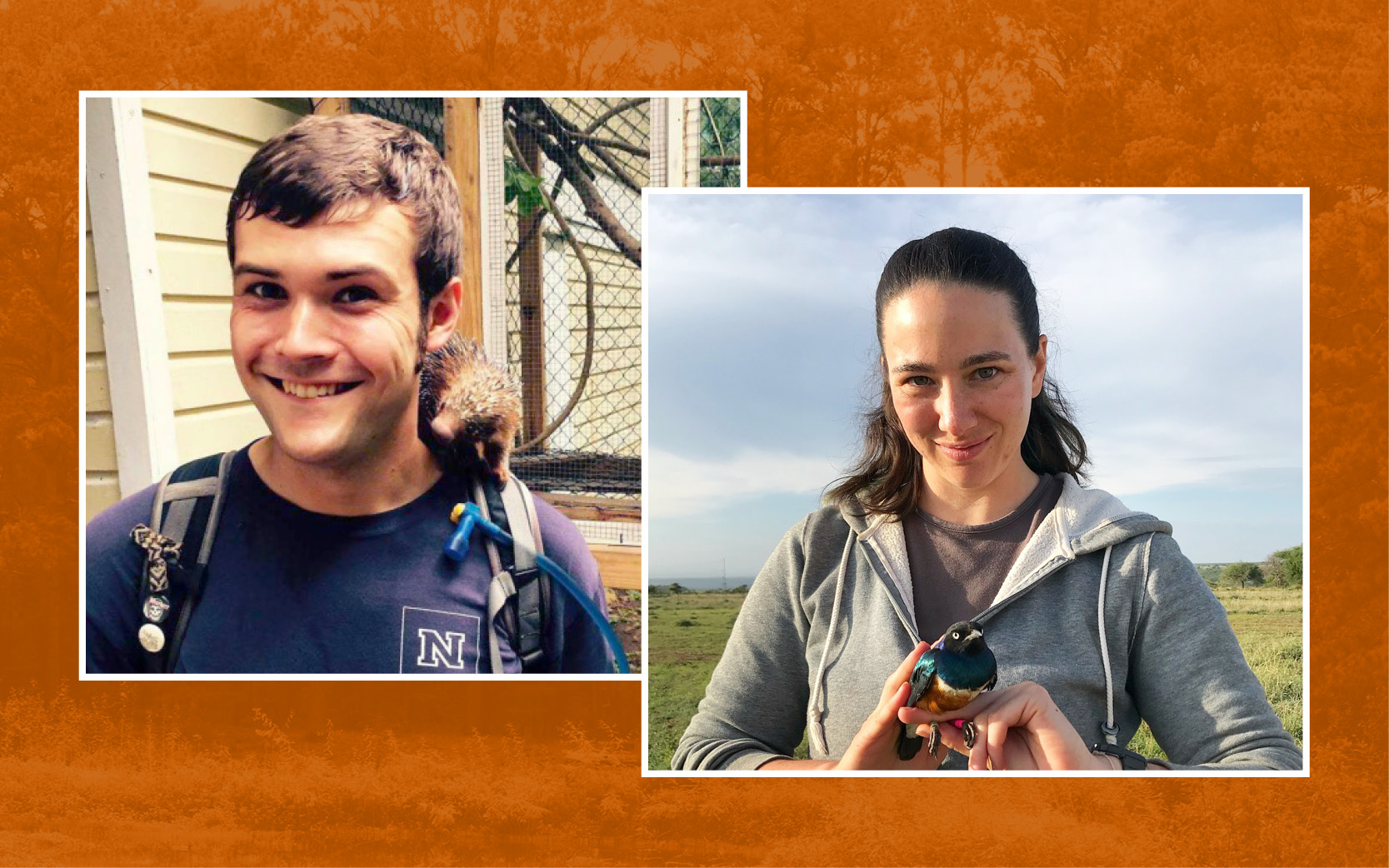
Four years after appearing in a What Starts Here campaign video, Stengl-Wyer scholar Shana Caro, Ph.D., and Stengl-Wyer fellow Colin Morrison, Ph.D. Ecology, Evolution and Behavior ’23, are building careers rooted in the same curiosity and field-based research that first brought them to Stengl Lost Pines Biological Station. Field stations like this one are a unique part of UT beyond the Forty Acres, offering students and researchers the opportunity to learn in living laboratories.
The station, made possible through a generous land and financial donation from Lorraine “Casey” Stengl, B.A. ’39, has become a cornerstone of field-based science at UT, giving researchers the space to study organisms in their natural environments across Texas ecosystems. To date, 176 students and researchers have received support through the Stengl-Wyer Endowment.
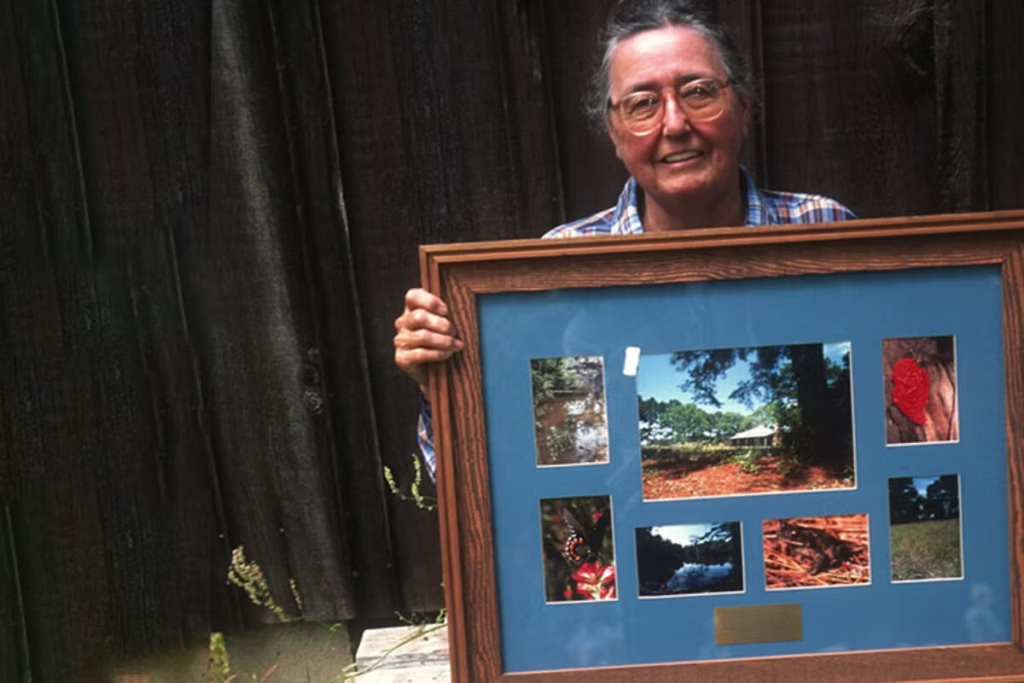
We wondered: Where are they now?
What started as field station research in Texas has evolved into a career in higher education and behavioral science for Shana, now an assistant professor of biology at Adelphi University, where she leads research focused on animal behavior, cognition and evolutionary conflict while mentoring the next generation of biologists.
“This is my dream job,” Shana says. “I get to teach a diverse set of motivated students while I do fascinating research on how birds think and make decisions.”
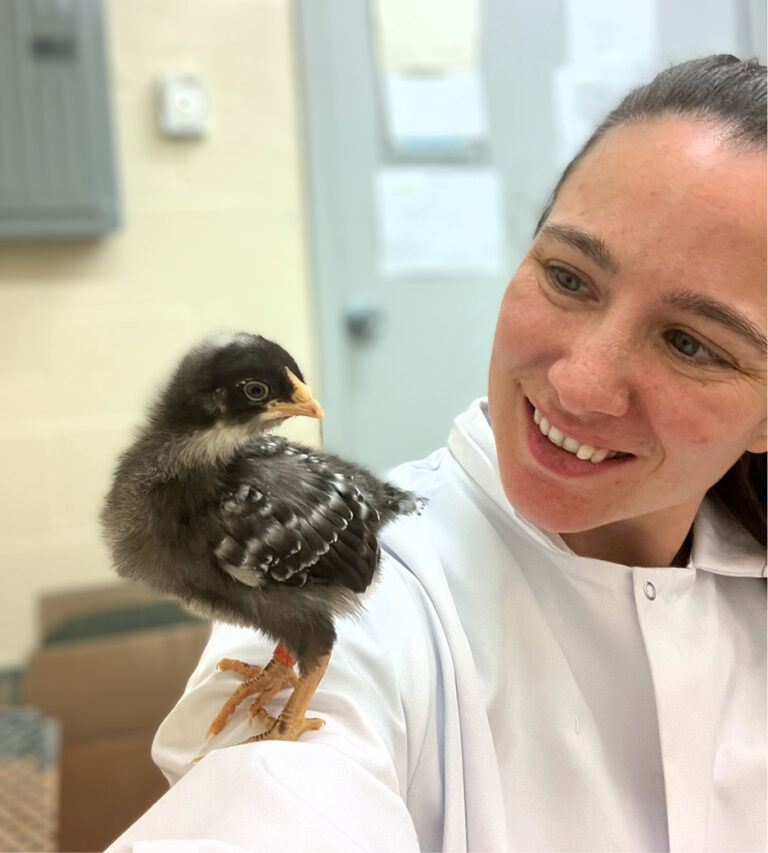
For Shana, the opportunity to do research as a Stengl-Wyer scholar was a turning point. “I came in as an evolutionary biologist, but I grew more interested in neurobiology, specifically how decisions are made, not just why they are made,” she says. That curiosity led to some surprising discoveries. “I’ve discovered that birds can be more or less confident in their choices and adjust their decision-making based on how difficult they expect a decision to be — just like humans.
“I will always be grateful to the Stengl-Wyer Scholars program for giving me the resources and time to explore new methods and directions in biology,” she says.
Colin’s graduate research took him deep into the ecological forces that shape Texas landscapes. He earned a doctorate from the College of Natural Sciences in 2023 and is now a research associate with the Invasive Species Research Lab at Brackenridge Field Laboratory, where his work remains centered on ecosystems, species interactions and biodiversity.
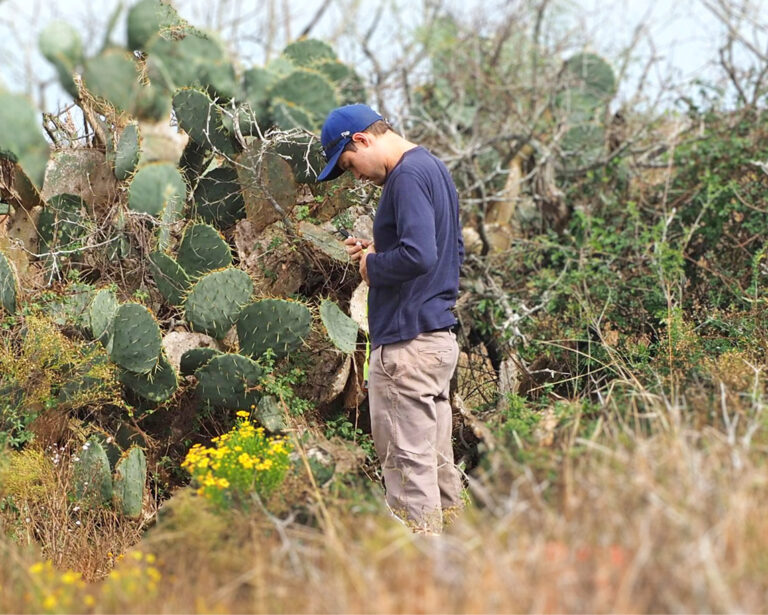
“As a research associate in the Department of Integrative Biology, my work focuses on understanding how interactions between plants, insects and their environments shape ecosystems, especially in the face of invasive species challenges,” Colin says. “I study everything from why insects are picky eaters to developing scalable management tools for invasive pests and weeds that affect wildlife habitats across Texas.”
The Stengl-Wyer Fellowship, he says, made it all possible. “It gave me the time, resources and intellectual freedom to pursue ambitious, curiosity-driven questions while also thinking about their broader impacts. That perspective continues to shape how I practice science and collaborate today.”
Remarkable individuals like Shana and Colin don’t need much, just the opportunity. The generosity of the Stengl-Wyer family and the collective effort behind the What Starts Here campaign help provide exactly that, and the ripple effects continue to reach far beyond the Forty Acres.
That network of living laboratories continues to grow across the state.
A recent gift made during the What Starts Here campaign is expanding UT’s reach all the way to West Texas. A 40-acre property near Terlingua and the Christmas Mountains was donated to the Jackson School of Geosciences by an anonymous donor, along with a $1 million endowment for maintenance and support. The property includes a home and a lab building that can serve as a base for field trips, camps and research, and it will join the Texas Field Station Network. The region is widely recognized as one of the most geologically significant areas in the state, offering world-class opportunities for hands-on teaching and scientific discovery.
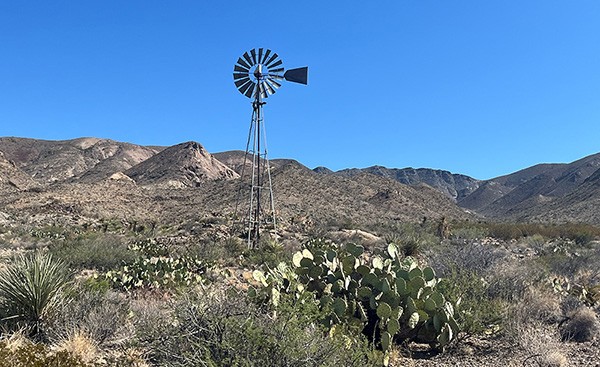
The West Texas property joins a network that has grown rapidly thanks to transformational philanthropy. In 2023, the Winn Family of Dallas made a $50 million commitment to launch the Texas Field Station Network and build the Hill Country Field Station. In just three years, the network has expanded from two to seven sites, bringing together landowners, conservation organizations and environmental philanthropists around a shared vision: protecting Texas lands and waters for future generations while generating scientific knowledge for the world.
If you would like to support the College of Natural Sciences or other Solutions of The Future, please consider making a gift as we enter the final weeks of the What Starts Here campaign.