
Engineering the Perfect Thanksgiving Plate
How chemistry can help your holiday turkey earn its place at the center of the table.
Thanksgiving dinner may be rooted in tradition, but making the perfect turkey involves a little modern science.
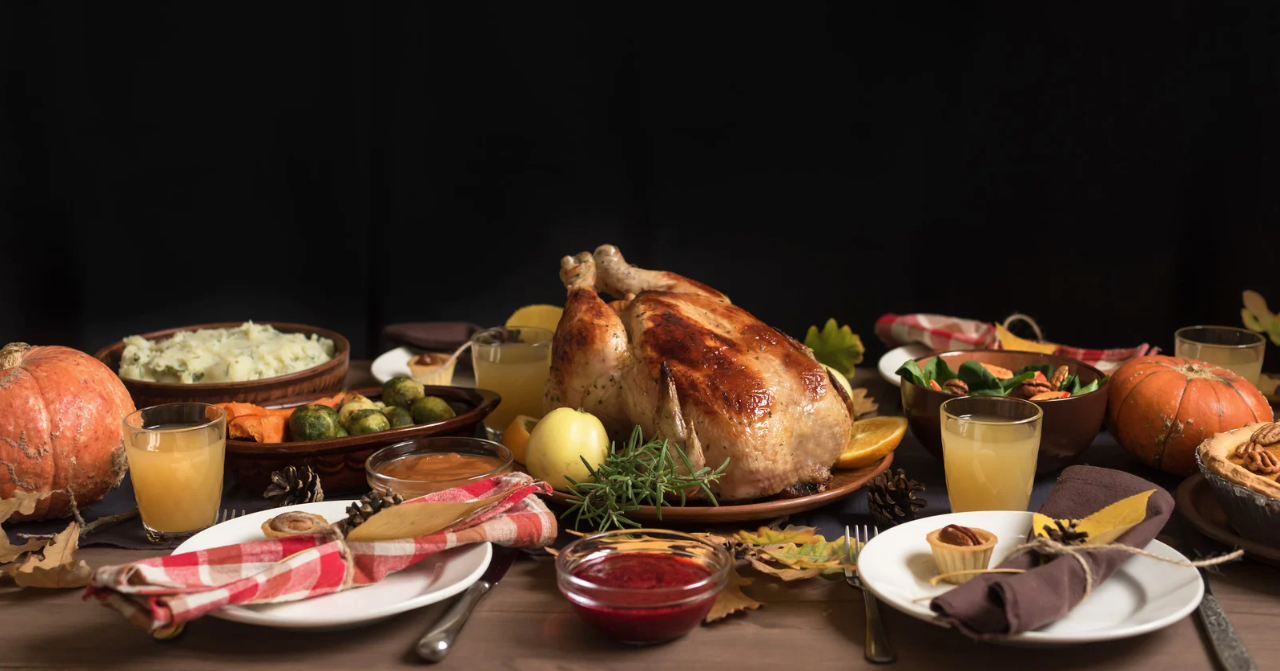
It starts with the Maillard reaction, one of the most important chemical processes in cooking. This reaction is responsible for much of the flavor, aroma and brown coloring we associate with roasted and baked foods. The process involves amino acids, the building blocks of proteins, and naturally occurring sugars found in foods including turkey. When heat is applied to these elements, the Maillard reaction begins, forming hundreds of new flavor and aroma compounds as well as the brown pigments that give cooked turkey its golden color. While the reaction accelerates around 280 degrees Fahrenheit, heat alone isn’t the only factor to consider.
If the turkey’s skin is too damp, much of the oven’s energy goes toward evaporating water rather than heating the surface of the meat. To prevent this, preparation becomes key. Dry-brining with salt seasons the meat and helps it retain moisture. In addition, leaving the turkey uncovered in the refrigerator overnight allows the skin to air-dry, creating better conditions for browning. Together, these steps help control moisture, giving the Maillard reaction the conditions it needs to develop that crispy, golden-brown crust.
From the oven to the dinner table, this Thanksgiving may offer a reminder that science and engineering have a place in even our most familiar traditions. Beyond the lab, these principles can make preparing a holiday meal as easy as pie. Happy cooking, Longhorns!