George Washington to John Lennon
In the final installment of the exhibit series ‘The American Experiment,’ UT’s Briscoe Center highlights its stunning range of historical artifacts.
In the fourth and final installment of “The American Experiment,” an exhibit series jointly curated by the LBJ Presidential Library and the Briscoe Center for American History celebrating America’s 250th anniversary, UT’s Briscoe Center displays a jaw-dropping array of artifacts, ranging from politics and war to invention to popular music. The exhibit will be on display through Jan. 10 on the LBJ Presidential Library’s 10th floor.
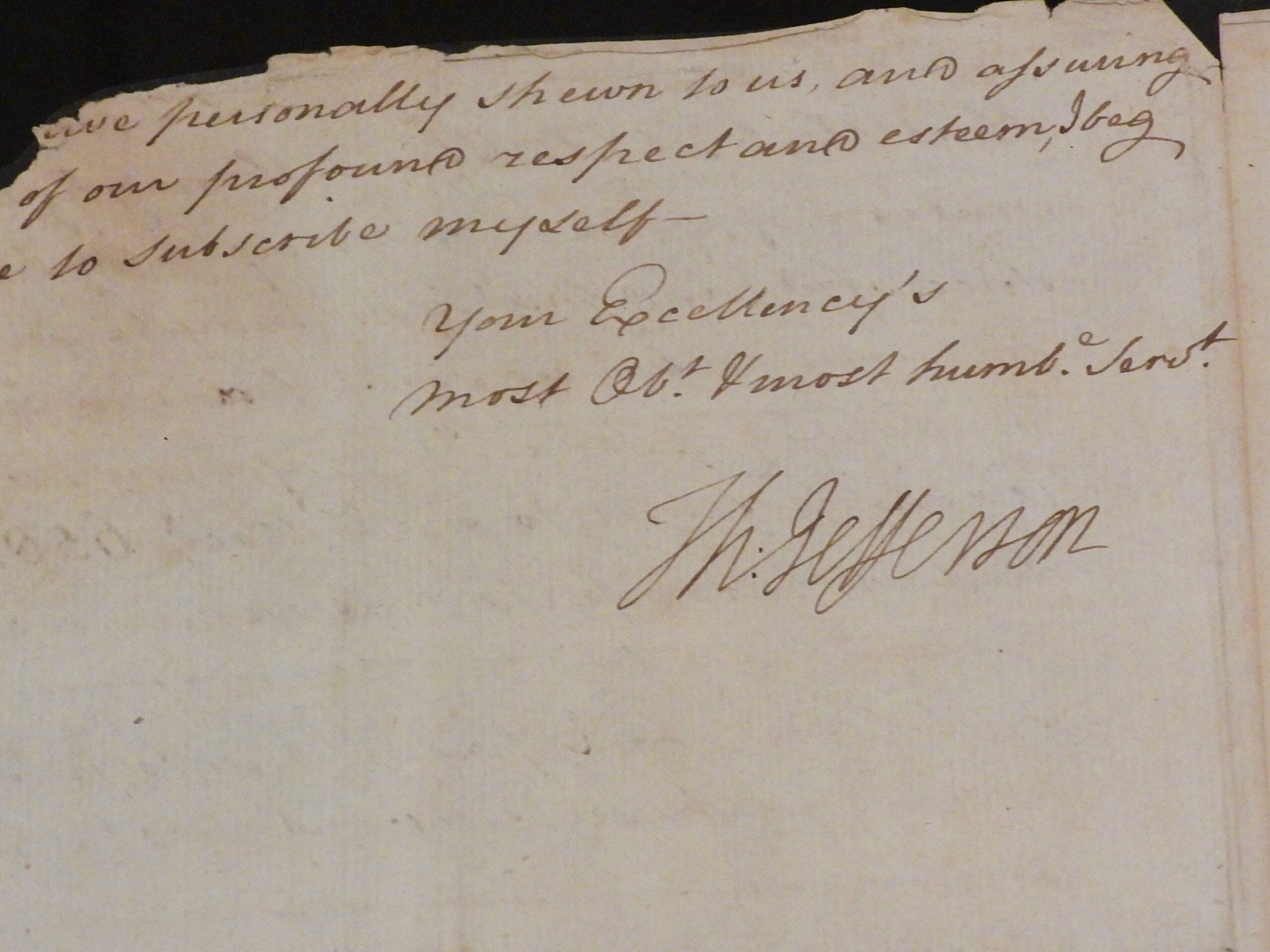
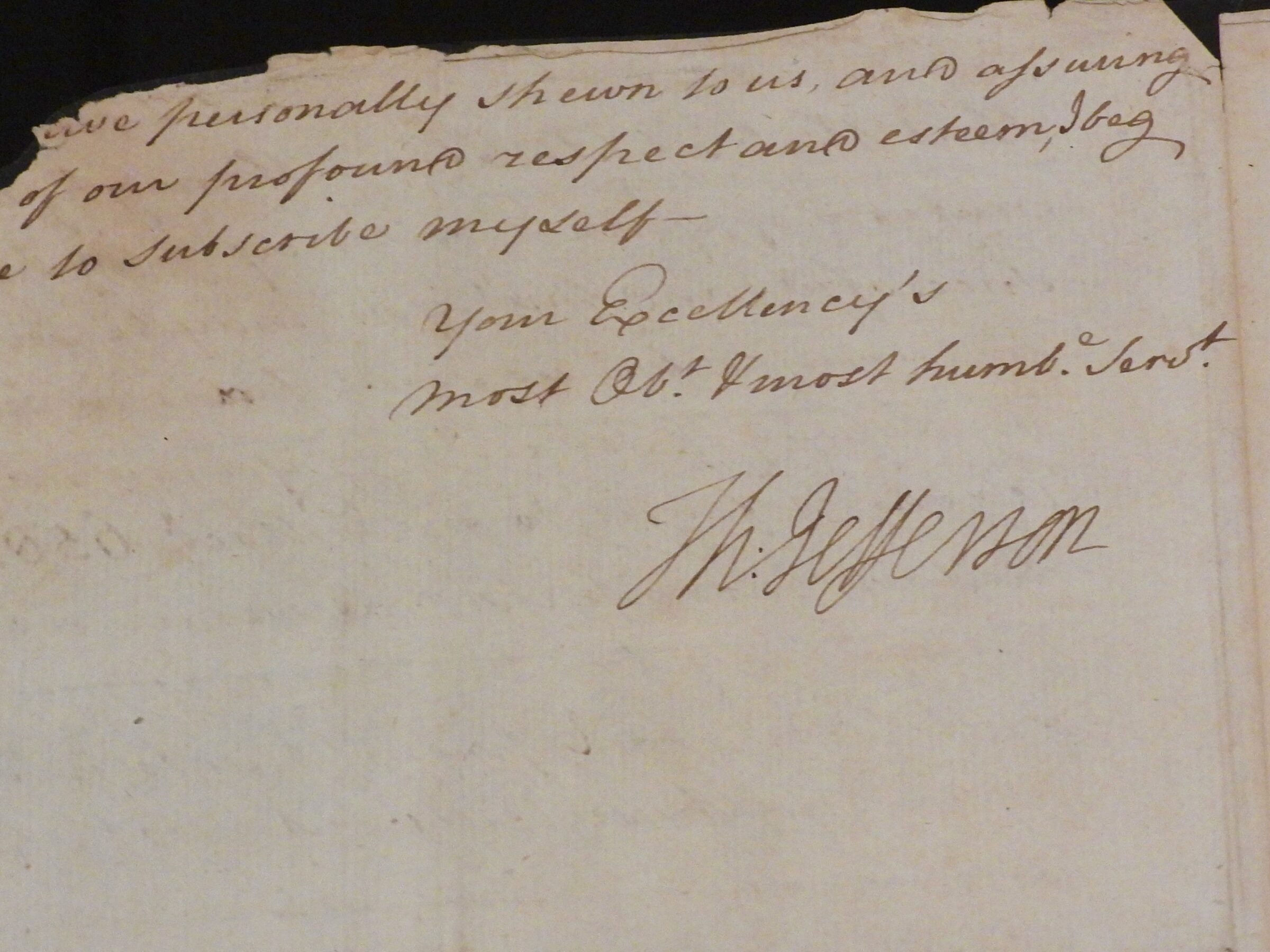
For starters, there are signed letters from four eventual U.S. presidents: Washington, Jefferson, Madison and Jackson. The center’s Edward Alexander Parsons Collection contains a 1779 letter from Thomas Jefferson, then Virginia governor, to Bernardo de Gálvez, the governor of Spanish Louisiana (and namesake of Galveston). That year, Gálvez was tasked by the Spanish king with running the British out of Mississippi, Alabama and Florida. He was successful in no small part because of longhorn cattle that had been sent from Texas to feed his hungry troops. (Hook ’em?) Jefferson thanks Gálvez and King Carlos for “adding to their [revolutionary] efforts, the weight of your powerful and wealthy Empire…” which has “given us, all the certainty of a happy Issue to the present Contest, of which human events will admit.”
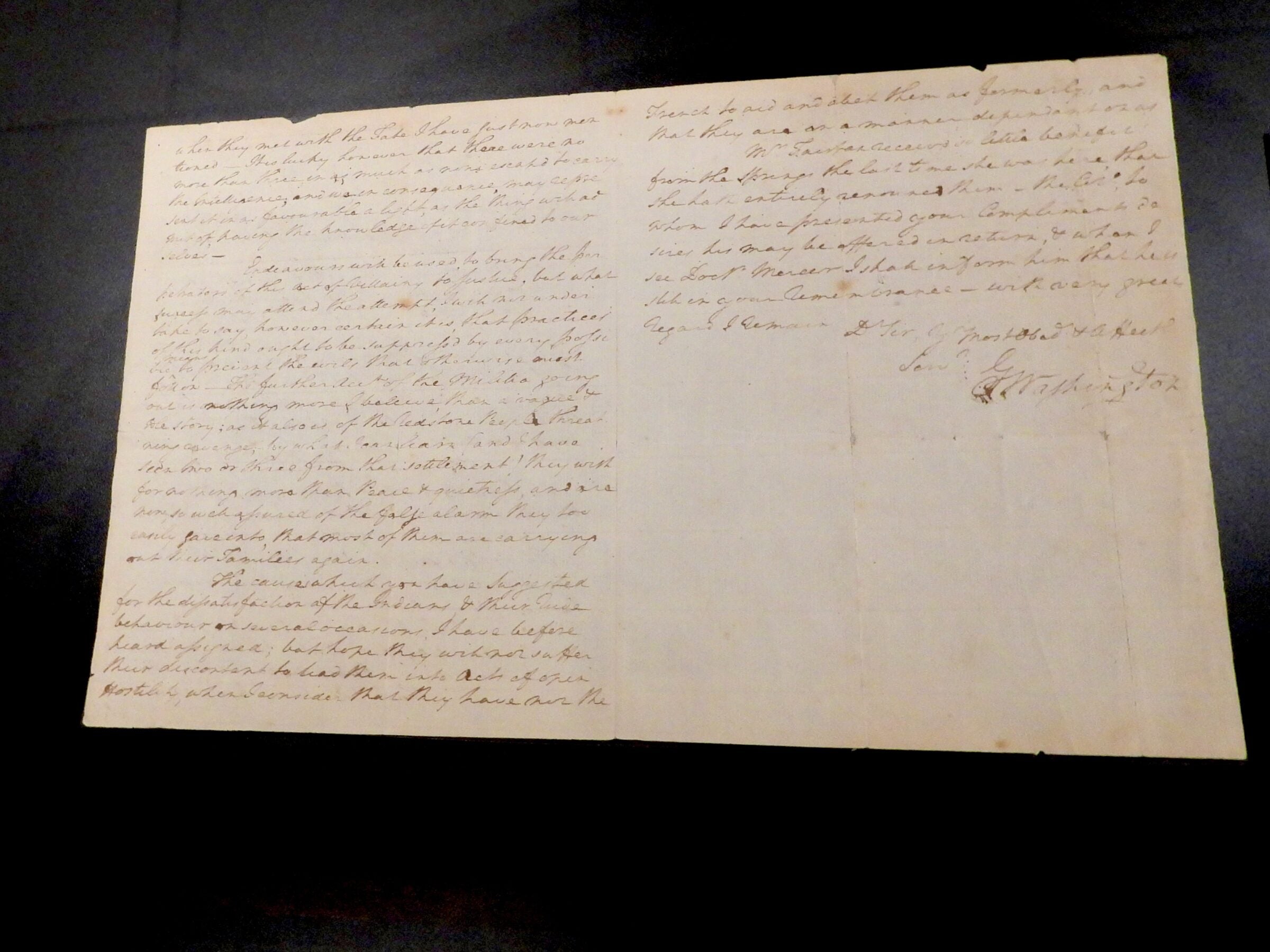
A 1769 letter from George Washington to Justice of the Peace John Armstrong discusses the murder of three members of the Mingo Indian tribe by white settlers on the south bank of the Potomac. Washington describes the incident as “villainy” and “mischief” and calls for such incidents to be suppressed by the government to prevent escalation “the evils that otherwise must follow… It is lucky however that … [no Indians] escaped to carry the intelligence, and we, in consequence, may represent it in as favorable a light, as the thing will admit of.”
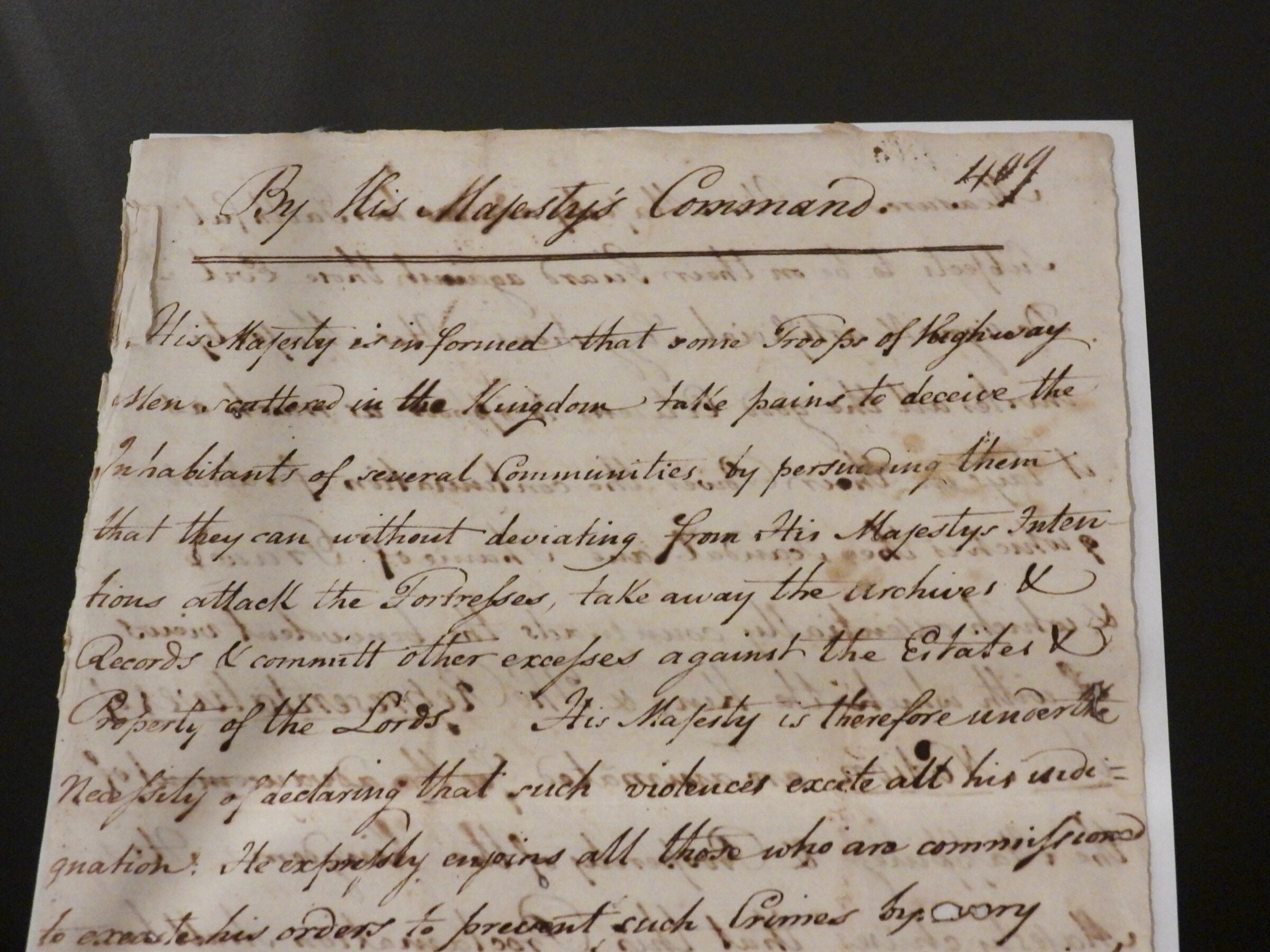
In a decree from Versailles in 1789, Louis XVI warned against anyone who would “attack the Fortresses, take away the archives & Records & commit other excesses against the Estates & Property of the Lords” in the Louisiana Territory, 14 years before it became part of the United States. It is part of the center’s Natchez Trace Collection.
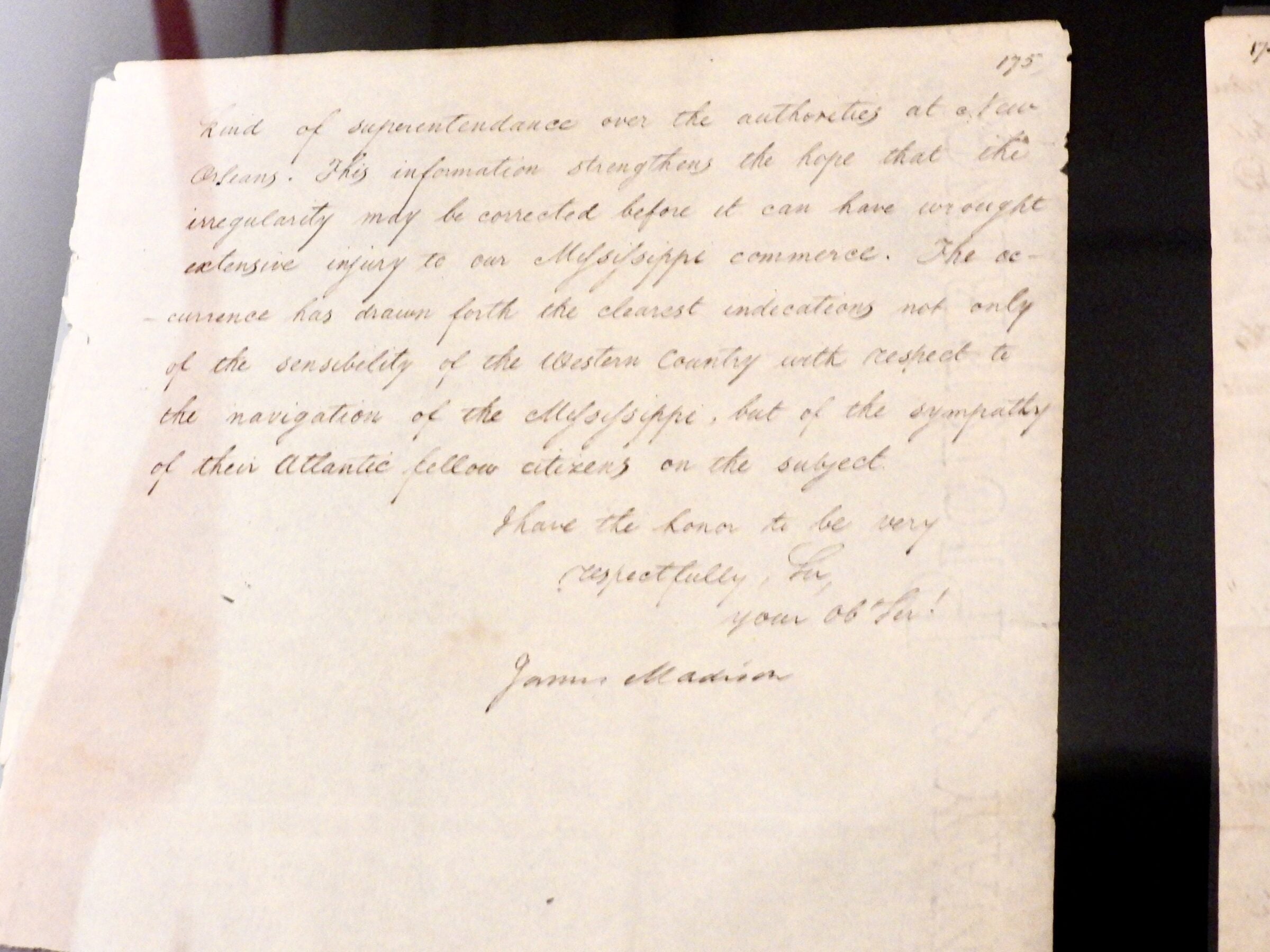
Nearby, an 1802 letter from James Madison to diplomat Rufus King discusses trade restrictions imposed by Great Britain and Spain.
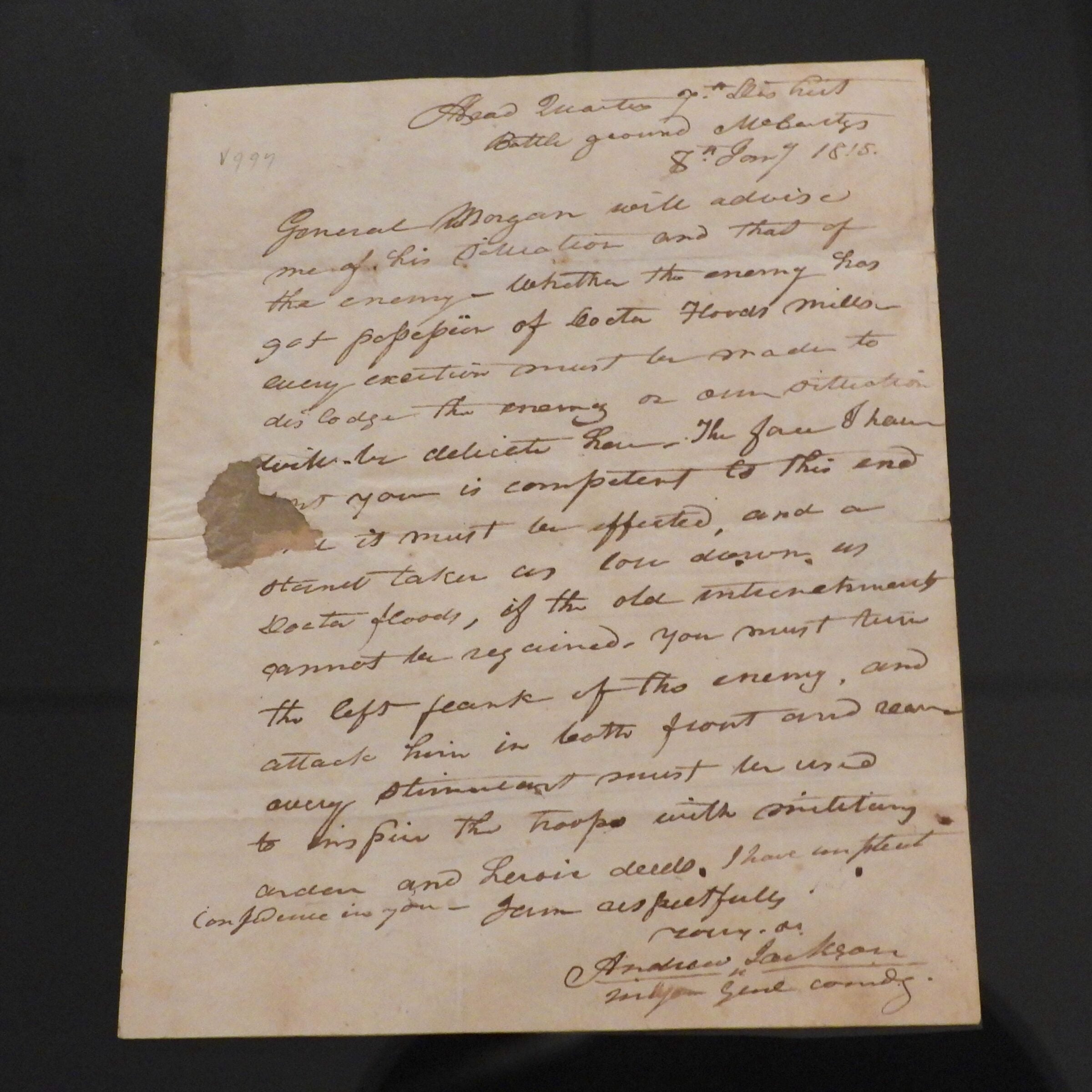
In an 1815 letter from Gen. Andrew Jackson to Gen. David B. Morgan regarding the Battle of New Orleans, the future president writes, “You must turn the left flank of the enemy, and attack him in both front and rear. Every stimulant must be used to inspire the troops with military order and heroic deeds.” Jackson’s defeat of the British at New Orleans made him a national hero, eventually propelling him to the White House 13 years later.
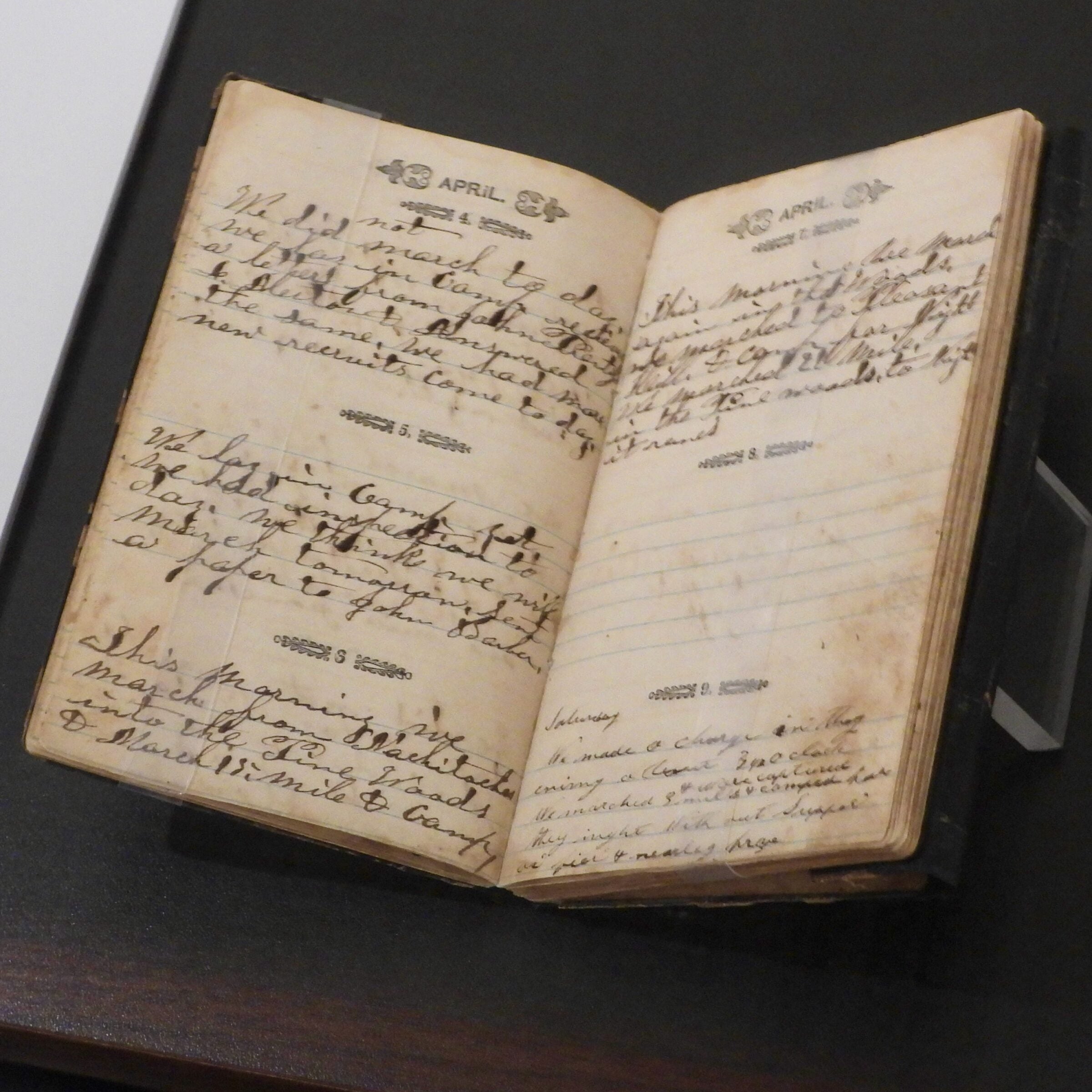
Union Cpl. Mahlon W. Barber kept a diary during the Civil War. When he died at Sabine Crossroads in Louisiana, his diary was picked up by a Confederate private, C.S. Durning, who began writing in it the following day. The poignant diary seen below is opened to the page showing where one life ended — April 8 is blank — and the opposing side picks up the narrative.
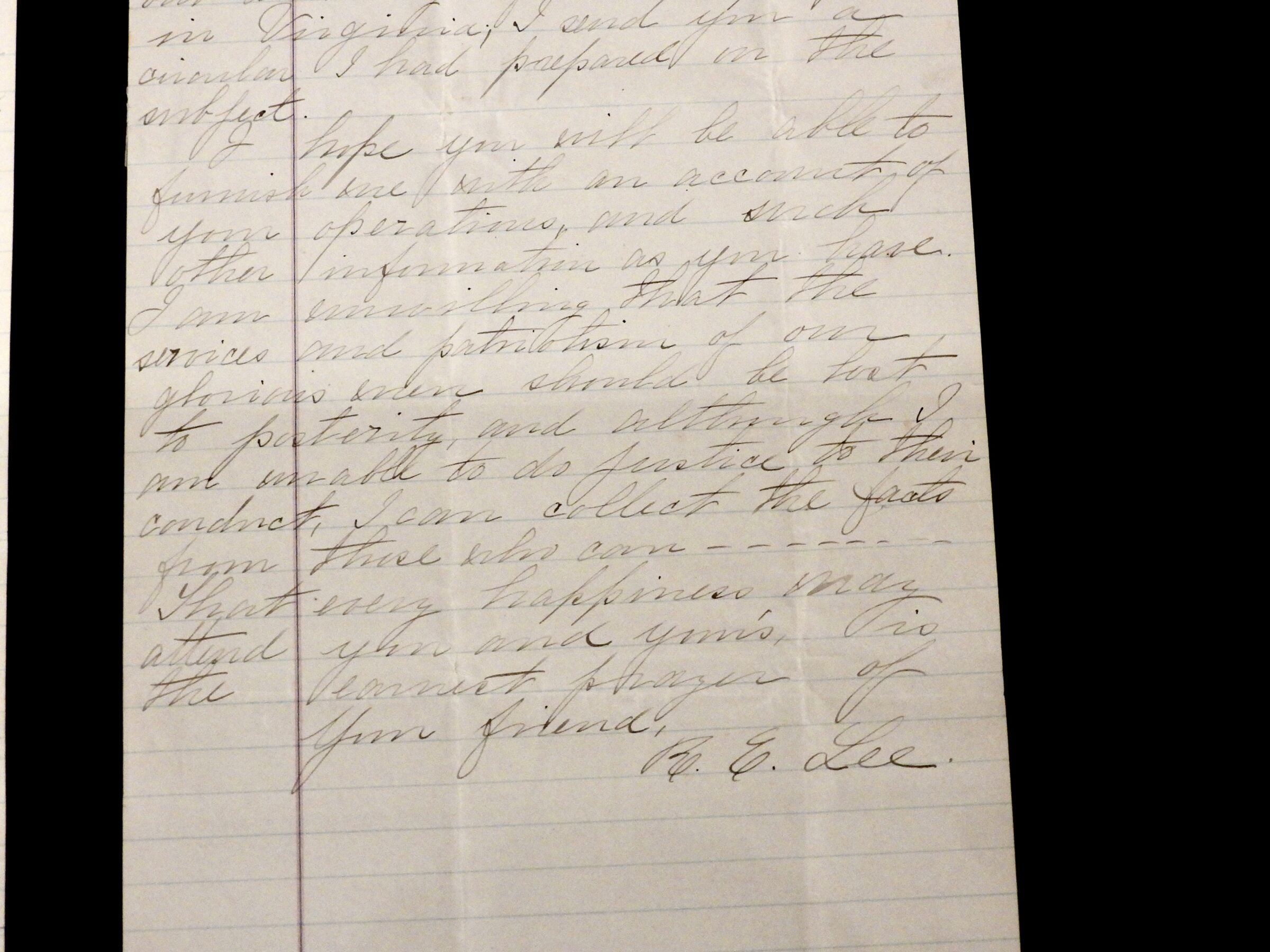
Next to it, a letter from Robert E. Lee to an unidentified general seeks to analyze the losses that led to the South’s surrender at Appomattox.
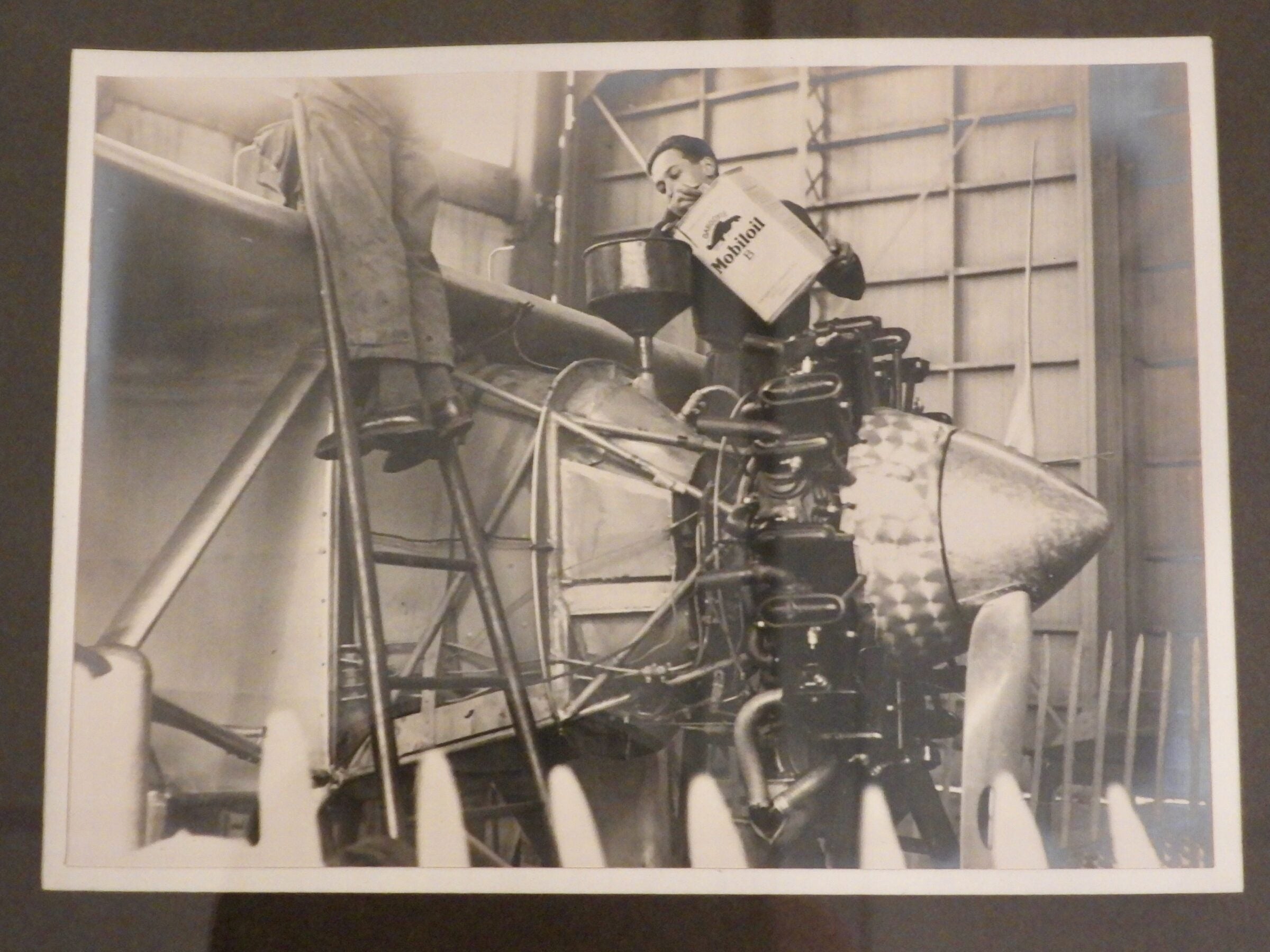
In Charles Lindbergh’s commemorative album from 1927, vintage prints show the preparation for his historic trans-Atlantic flight, including fueling up with Mobil gasoline. It is from the Briscoe Center’s ExxonMobil Historical Collection.
Robert Hunter was a medic in the U.S. Navy stationed on Guam during the final year of World War II. His 1945 diary covers his arrival on the island, his service there, and his eventual return home to Ohio. News of the war, including the bombing of Hiroshima and Nagasaki, is mixed in with descriptions of daily life on the base. On the page the diary is opened to, Hunter jots down: “New atomic bomb used against Japan. Got a swell letter from Cora.”
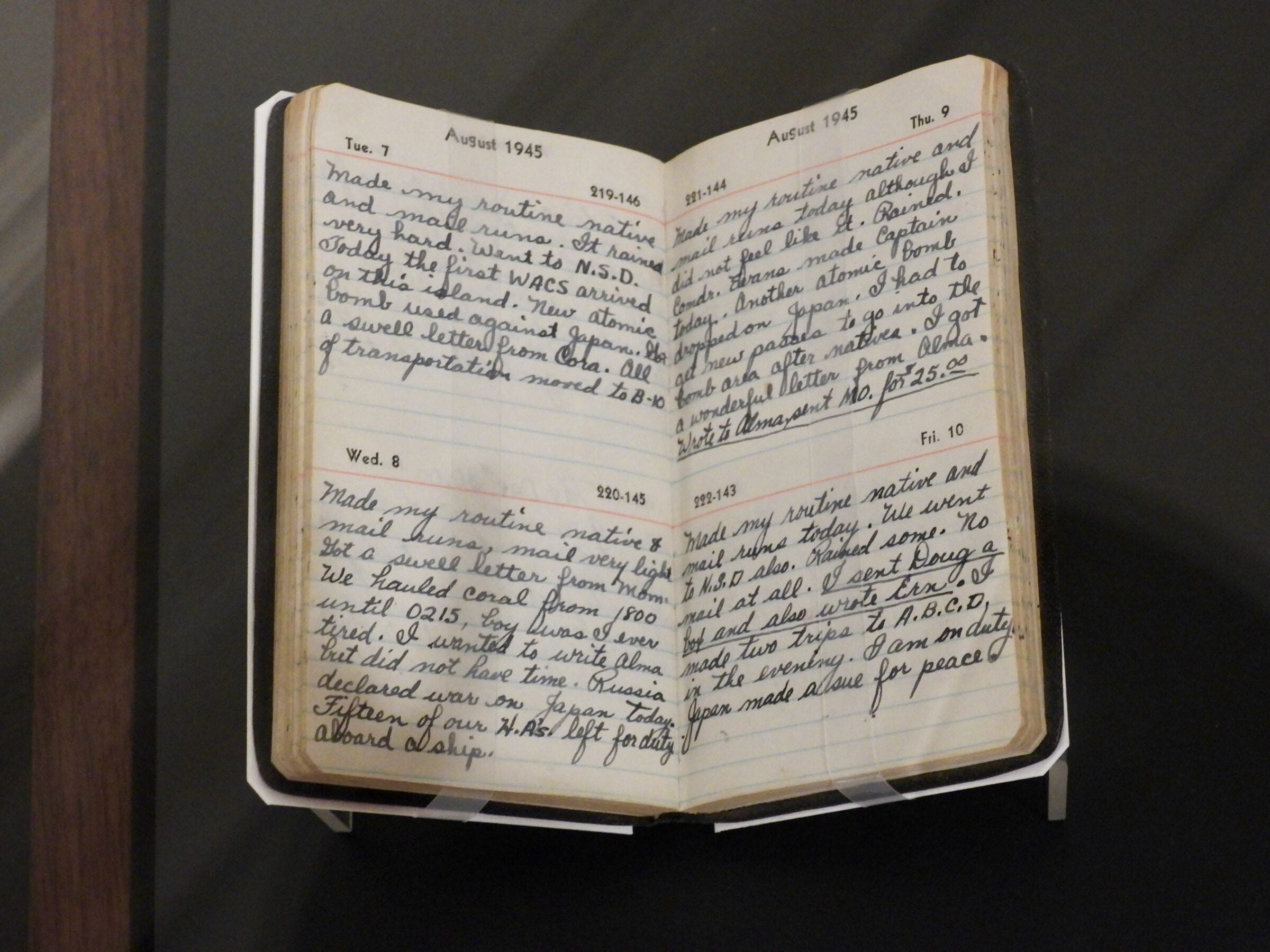
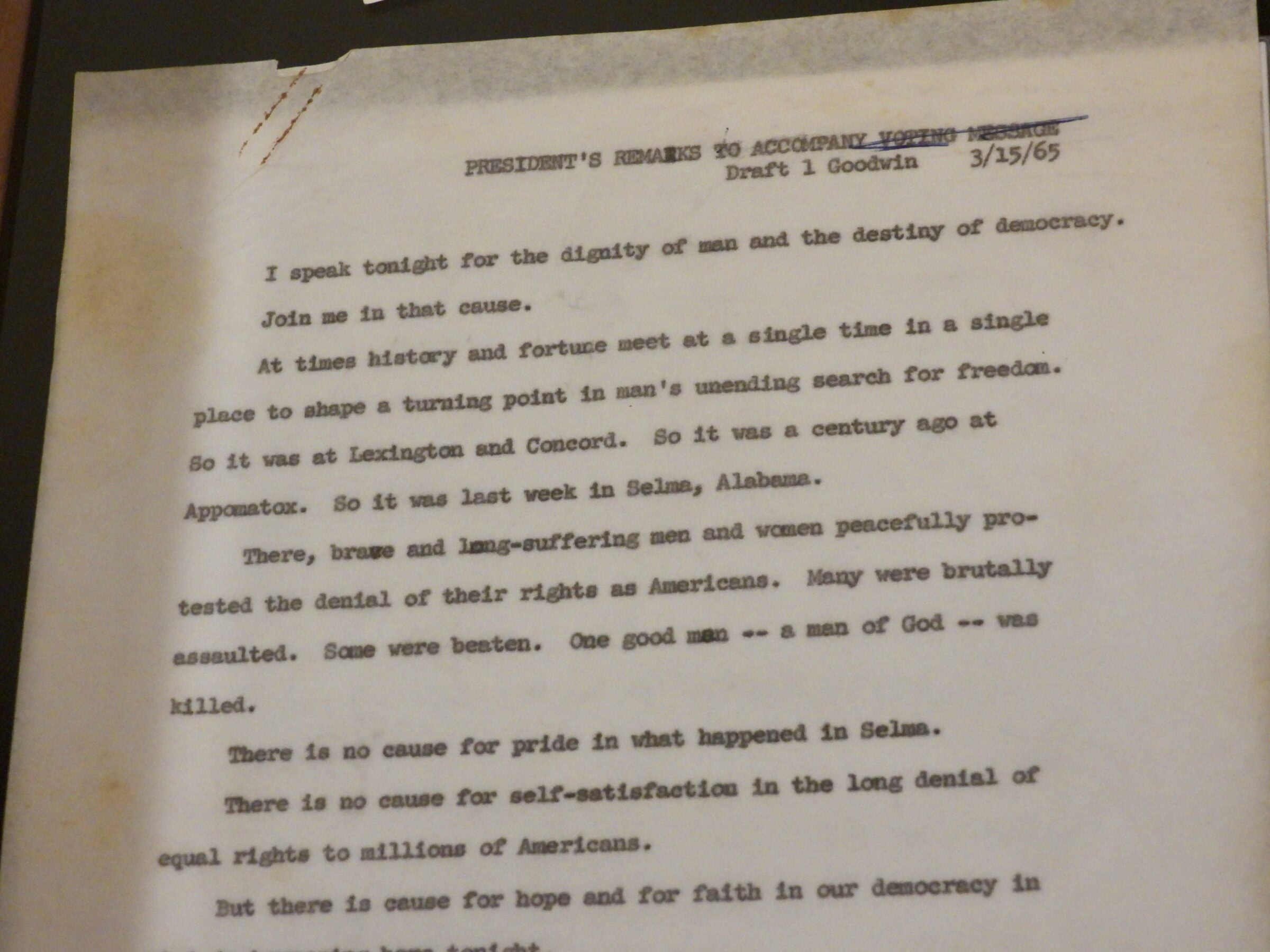
Three displays powerfully encapsulate the essence of President Lyndon Johnson’s administration and highlight the collection strengths of UT Austin and its synergy with the LBJ Presidential Library:
- On March 7, 1965, participants in the March for Voting Rights were beaten on the Edmund Pettus Bridge outside Selma, Alabama. Johnson scheduled an address to Congress exactly one week later and tasked Dick Goodwin with writing his speech, now known as the “We Shall Overcome” speech. Johnson asked Goodwin to turn the assignment around in 24 hours, causing Goodwin to sequester himself so that he could be interrupted only by the president himself. “I speak tonight for the dignity of man and the destiny of democracy,” the speech began. “Join me in that cause.”
- Nearby, in a moving July 1965 letter from Martin Luther King Jr. to Johnson on Southern Christian Leadership Conference letterhead, King says: “Paradoxically, it may well be that only a southerner who grew up and lived with the problem could end up the savior of our nation in this area. I am convinced that God has sent you to lead us out of this difficult and agonizing wilderness at such a time as this. While Lincoln will go down as the first Emancipator of the Negro people, I am convinced that you will go down as the president who issued the second and final Emancipation Proclamation, thereby making Emancipation more than a Proclamation but a real and meaningful fact of life.”
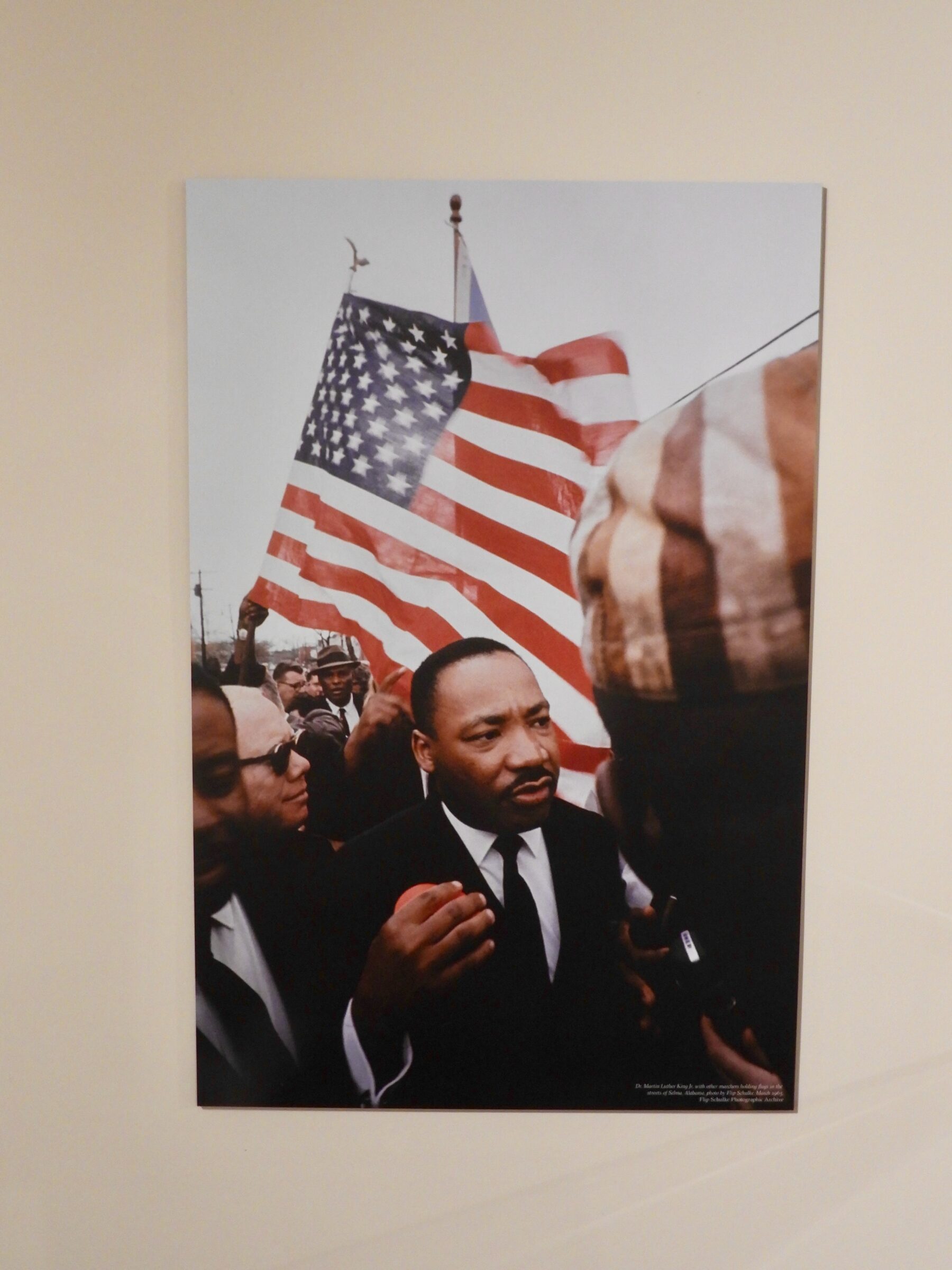
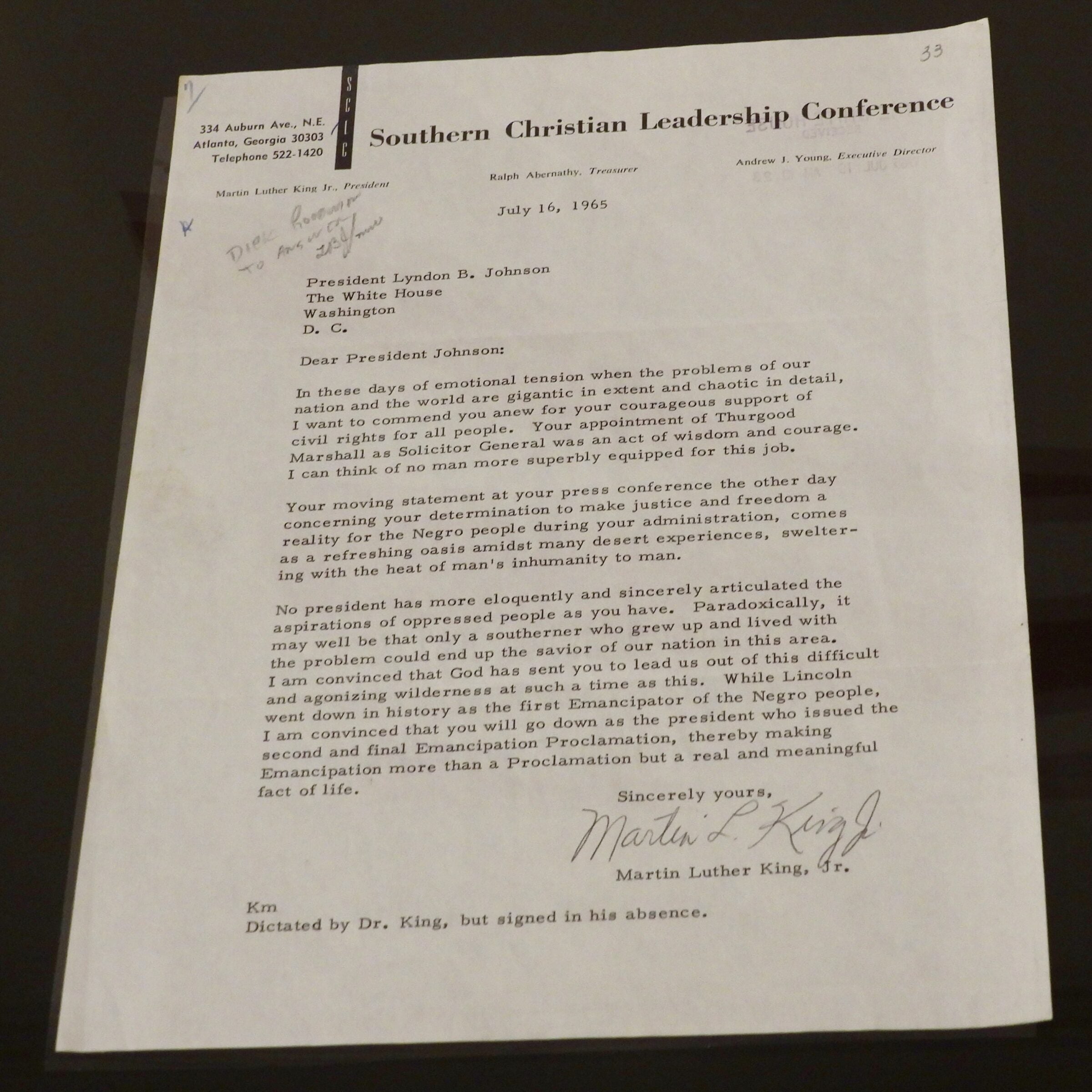
At left, Flip Schulke’s photograph of Martin Luther King Jr. on his final march to Selma in 1965 is view. Above, King’s letter to LBJ.
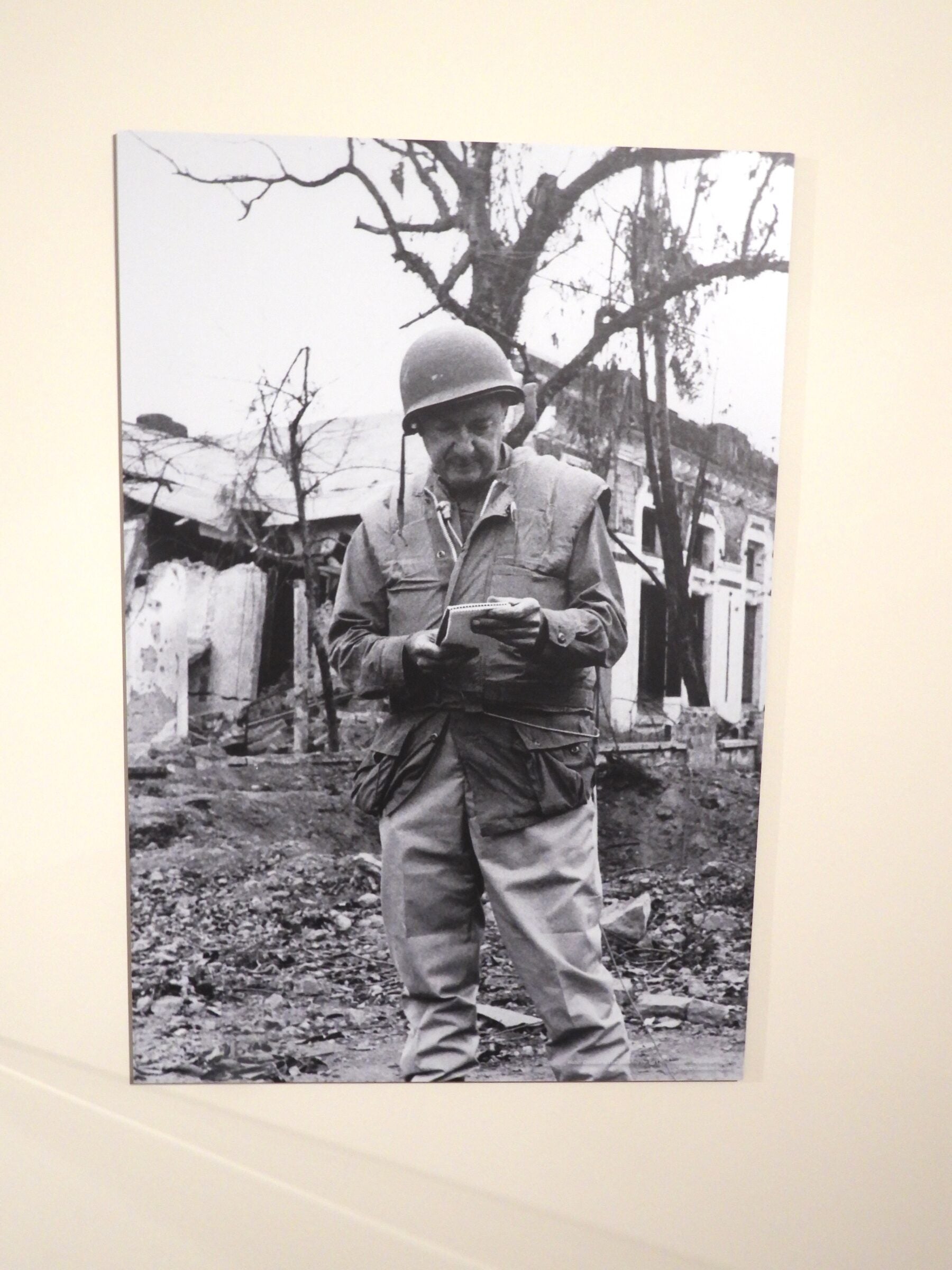
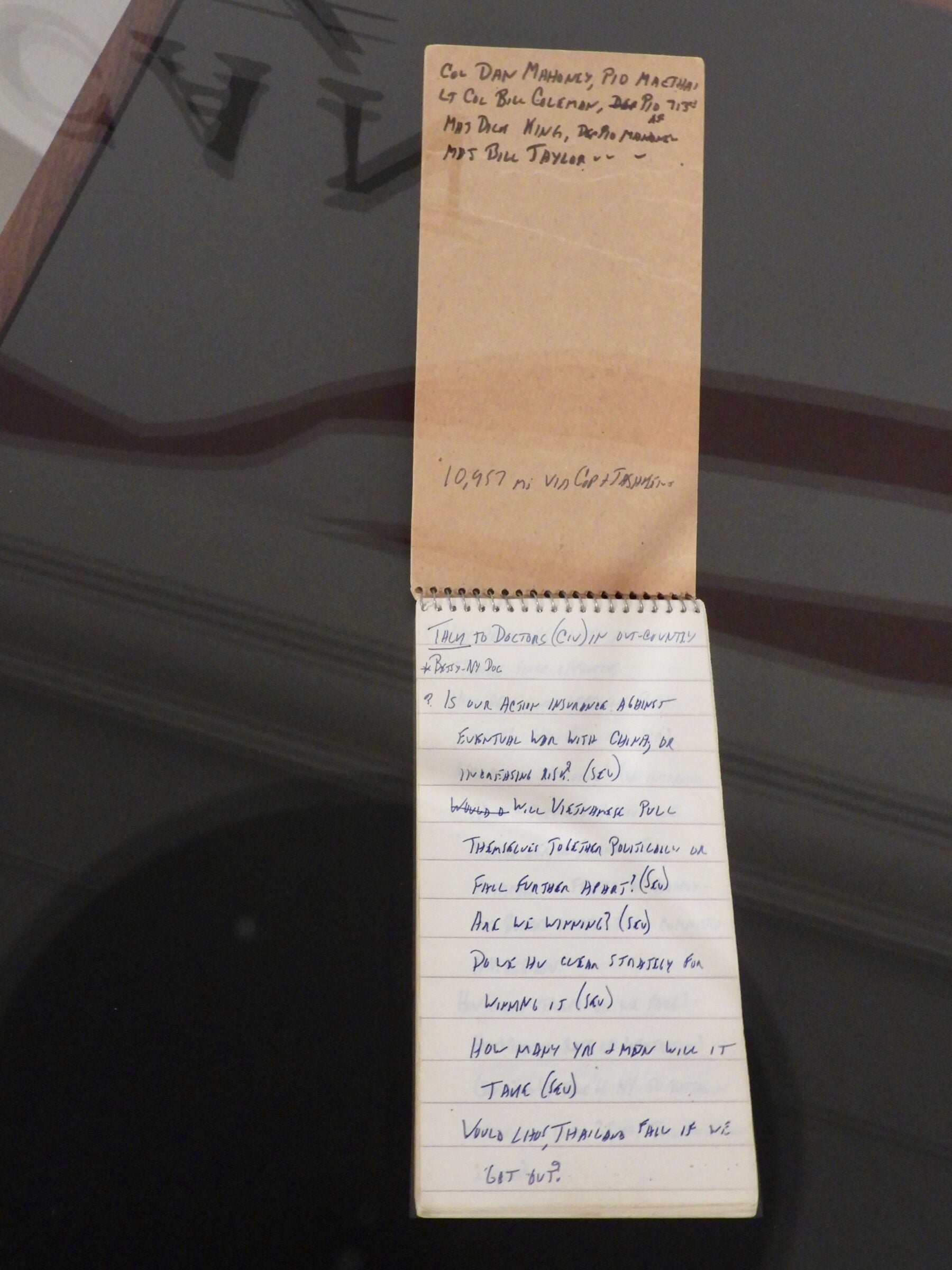
- Finally, from 1968, we see Walter Cronkite’s reporter’s notebook from the Vietnam War. The Cronkite Papers at the Briscoe Center include notebooks and scripts for CBS News broadcasts. It was famously Cronkite, a UT alumnus who worked on The Daily Texan, whose commentary spelled the end of popular support for the war when he opined, “It is increasingly clear to this reporter that the only rational way out then will be to negotiate, not as victors, but as an honorable people who lived up to their pledge to defend democracy, and did the best they could.”
The Briscoe Center emphasizes music as an essential part of its vast holdings in American history and contains 50,000 commercial and field recordings.
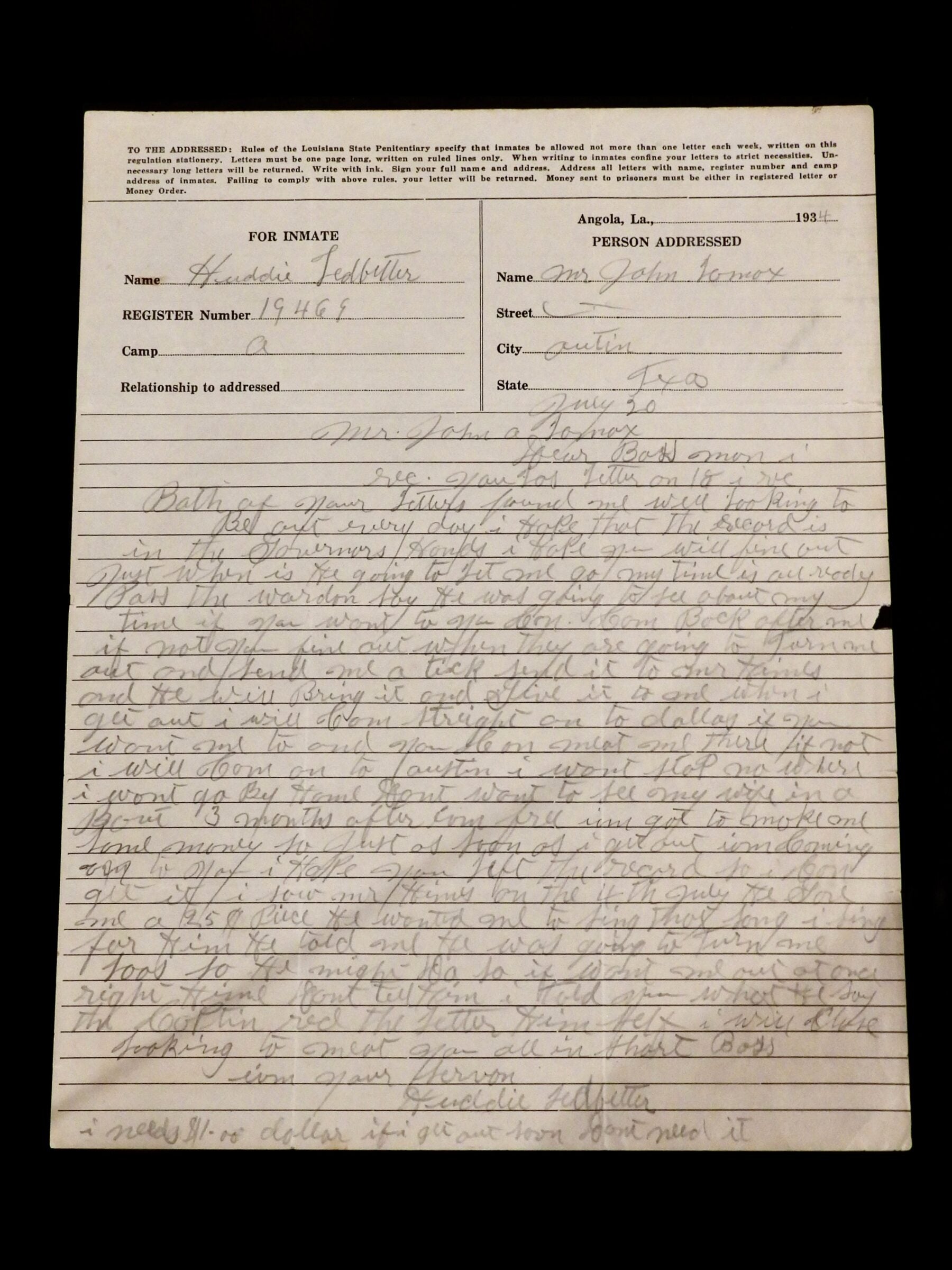
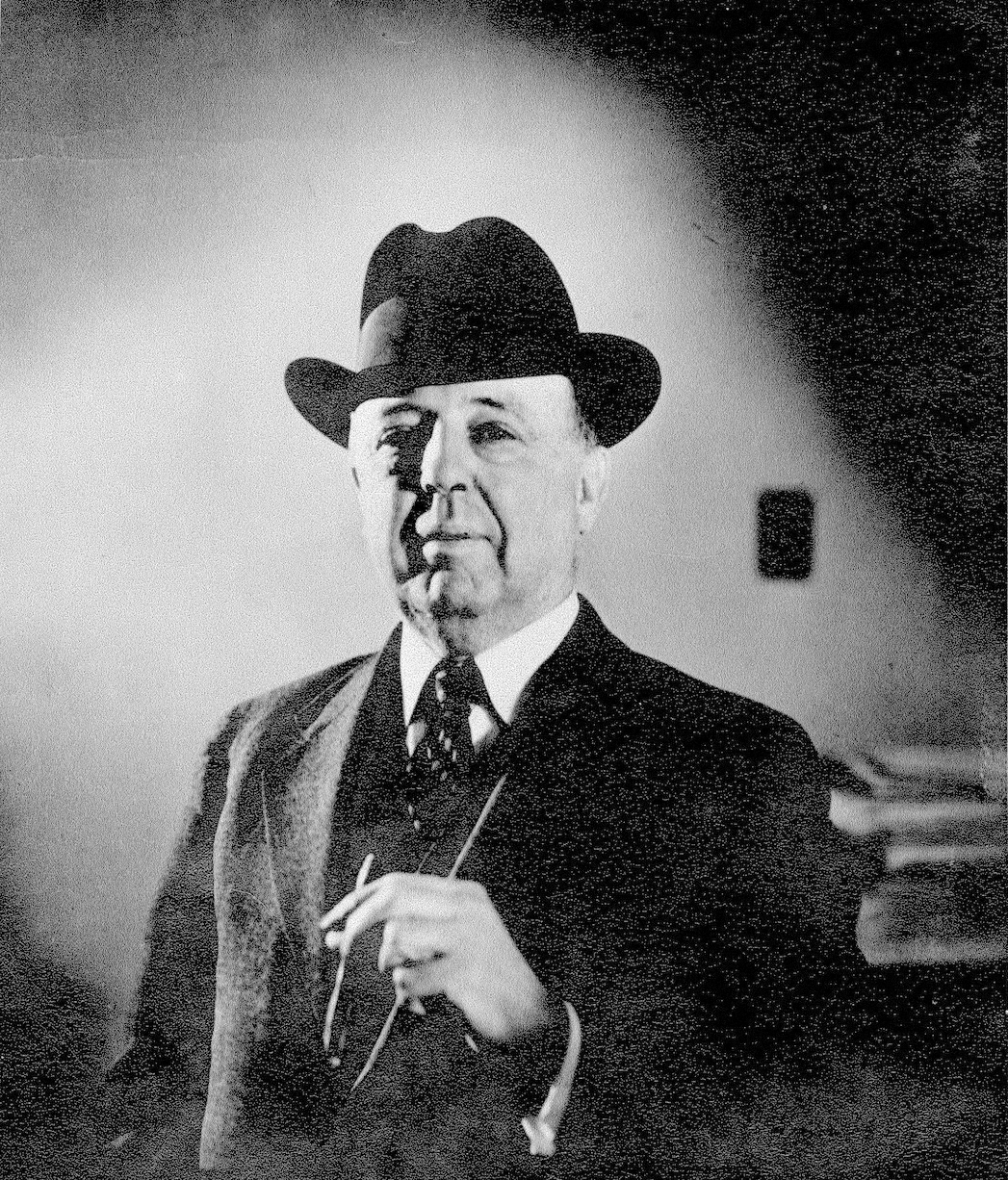
On display here is a 1934 letter from Huddie Ledbetter, a.k.a. Lead Belly, to John A. Lomax, the folklorist and song collector and early recorder who brought Ledbetter to fame. Lomax was also the first director of the Texas Exes (then known as the “secretary” of UT’s “Alumni Association”). In the letter, written from Angola Penitentiary, where Ledbetter was serving time for attempted murder and where the two first met, Ledbetter asks Lomax in Austin whether Louisiana Gov. Oscar Allen had received his recorded song yet:
“Dear boss man, both of your letters found me well. I am looking to be out every day. I hope that the record is in the governor’s hands. I hope you will fine [sic] out just when is he going to let me go.”
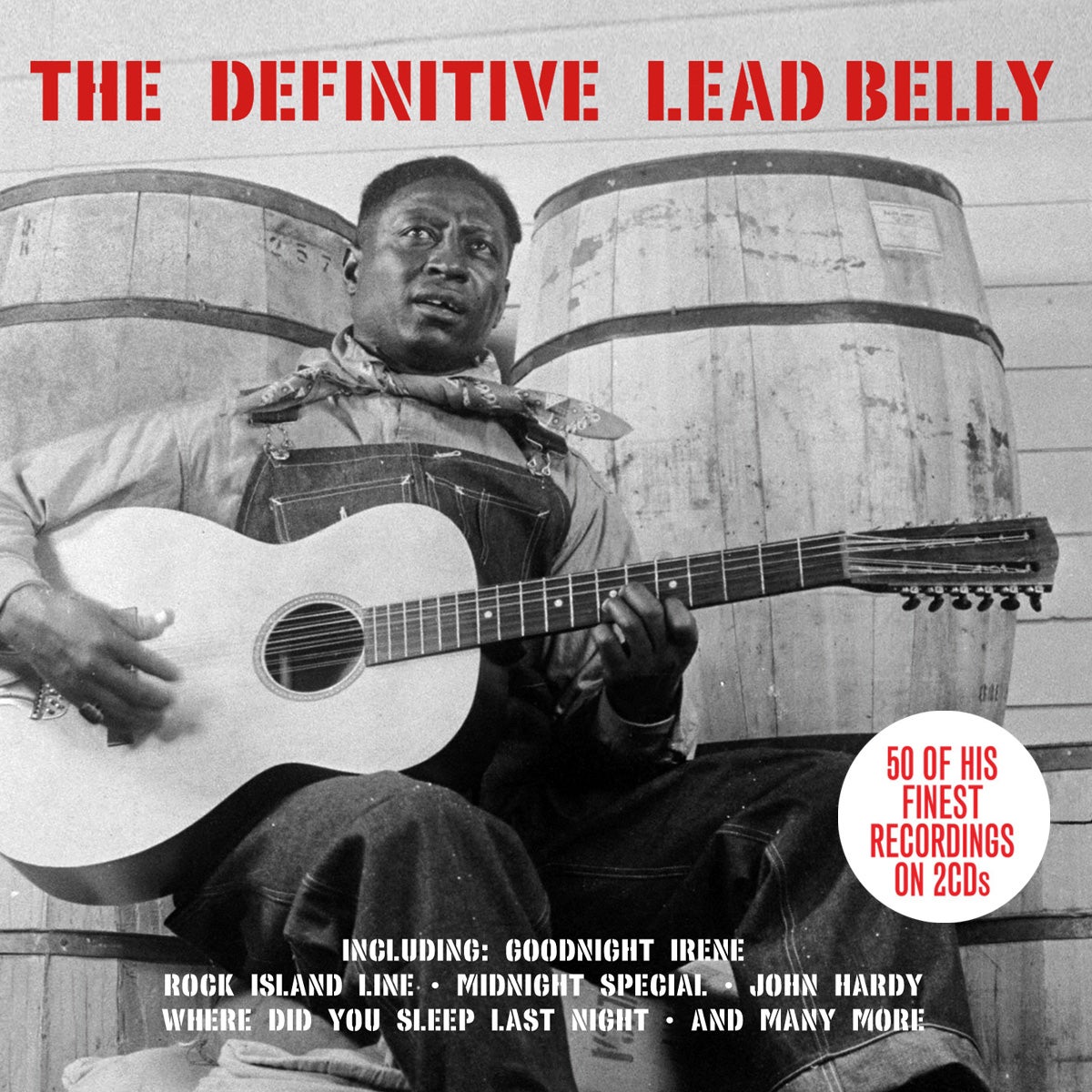
Above, Huddie “Lead Belly” Ledbetter, and at right, John A. Lomax
Sending the governor a record was worth a shot. In 1925, Texas Gov. Pat Neff had pardoned Ledbetter seven years into a 30-year murder sentence after Ledbetter had written and performed a song for him during a prison visit to Sugar Land. In “Governor Pat Neff,” Ledbetter sings “If I had you, Gov’nor Neff, like you got me, I’d wake up in the morning and set you free.”
Ledbetter indeed was released early for a second time. Though prison officials said it was for good behavior and had nothing to do with his song for Allen, Ledbetter and Lomax, who became a sort of promoter, played up the narrative of a convict who had sung his way out of prison, twice.
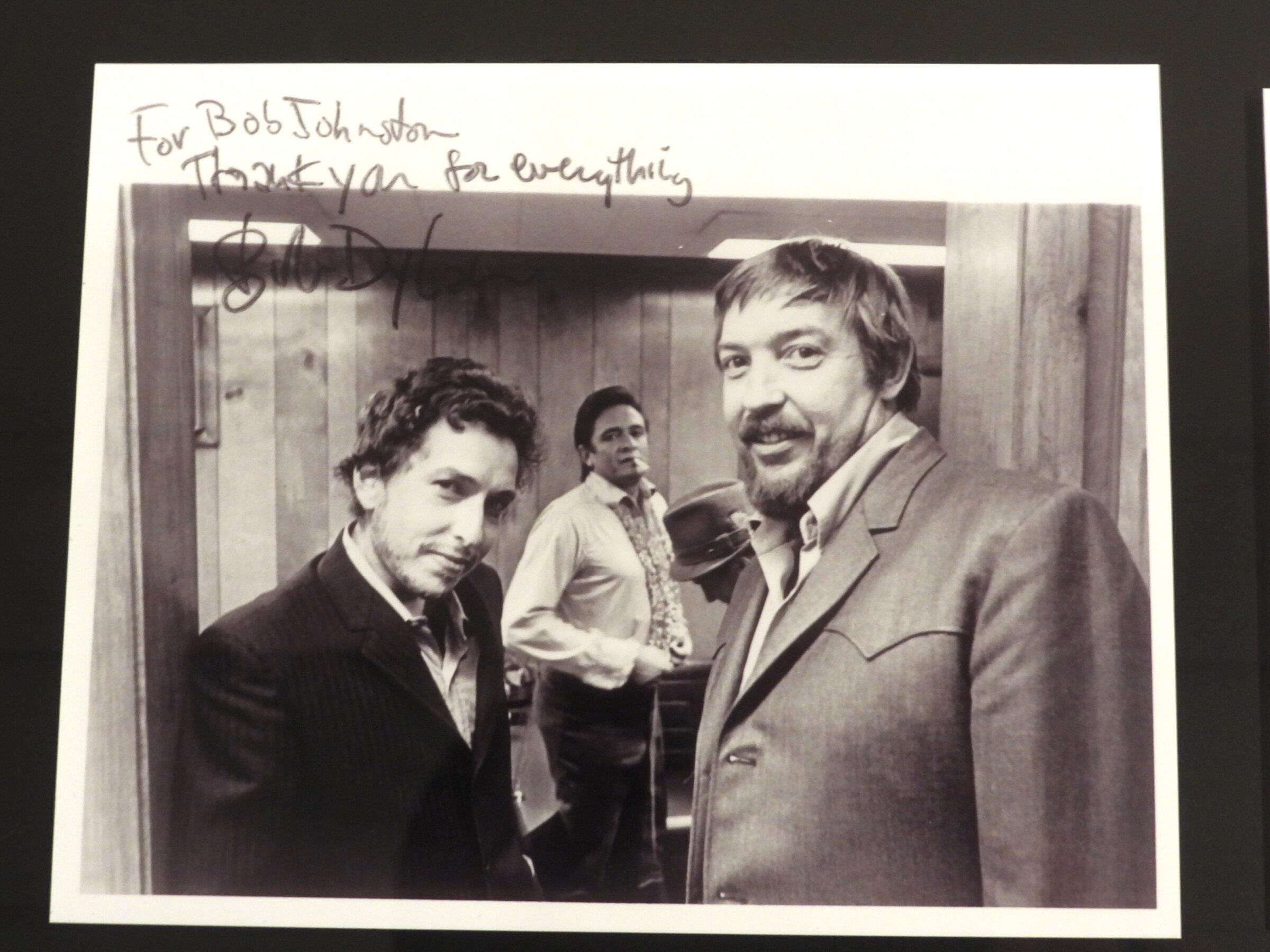
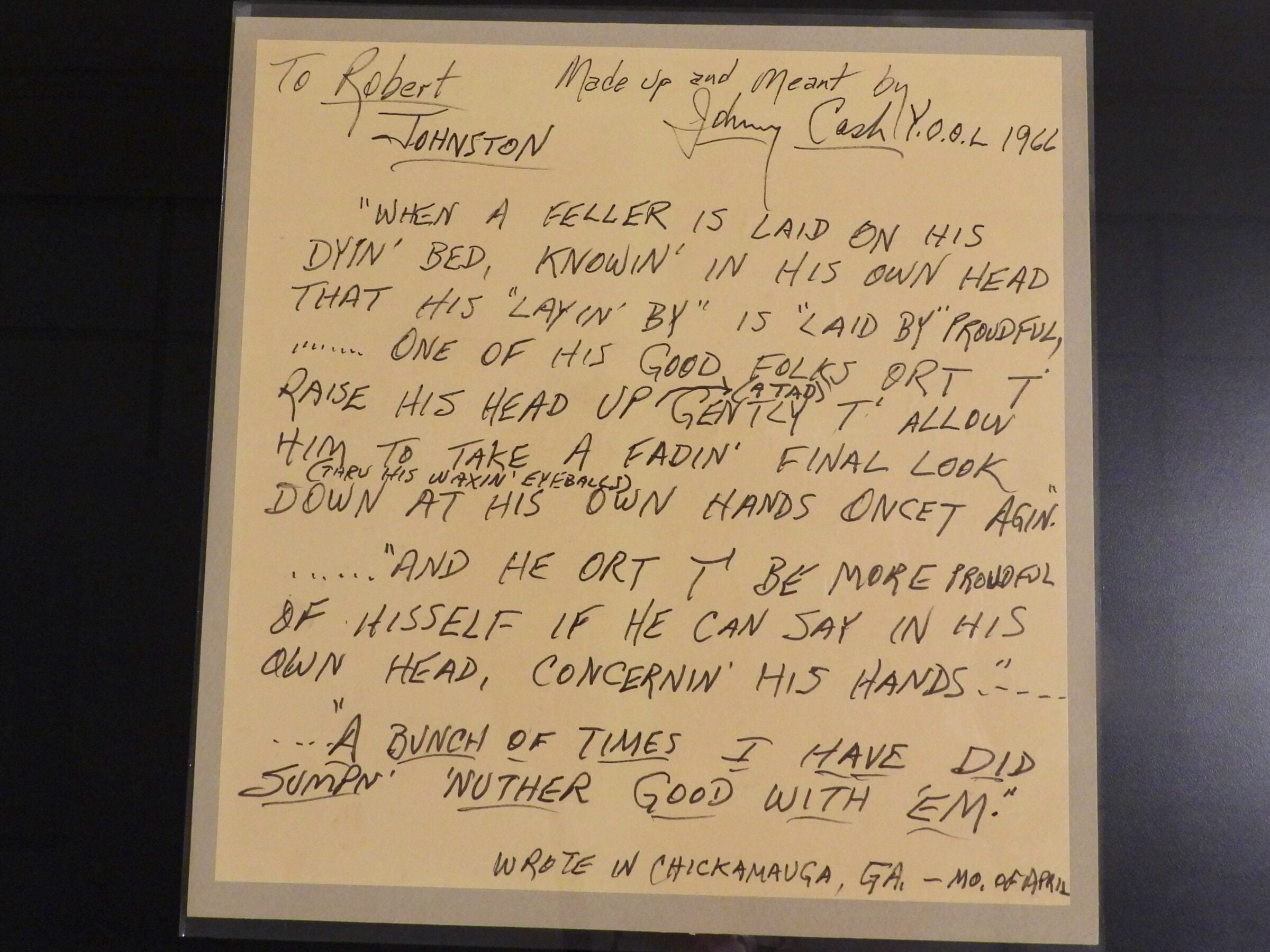
Sharing the display case with Ledbetter’s letter are additional treasures from American pop culture. Two are pulled from the papers of music producer Bob Johnston — one a 1965 photo of Johnston with Bob Dylan and Johnny Cash in a Nashville studio, autographed by Dylan, and another a 1966 “testament” by Cash to Johnston, scrawled in all caps and written in a heavy hillbilly dialect. It is a thought about what a “feller ort” to feel on his deathbed as he looks at his own hands: “A bunch of times I have did sumpn’ ‘nuther good with ’em.”
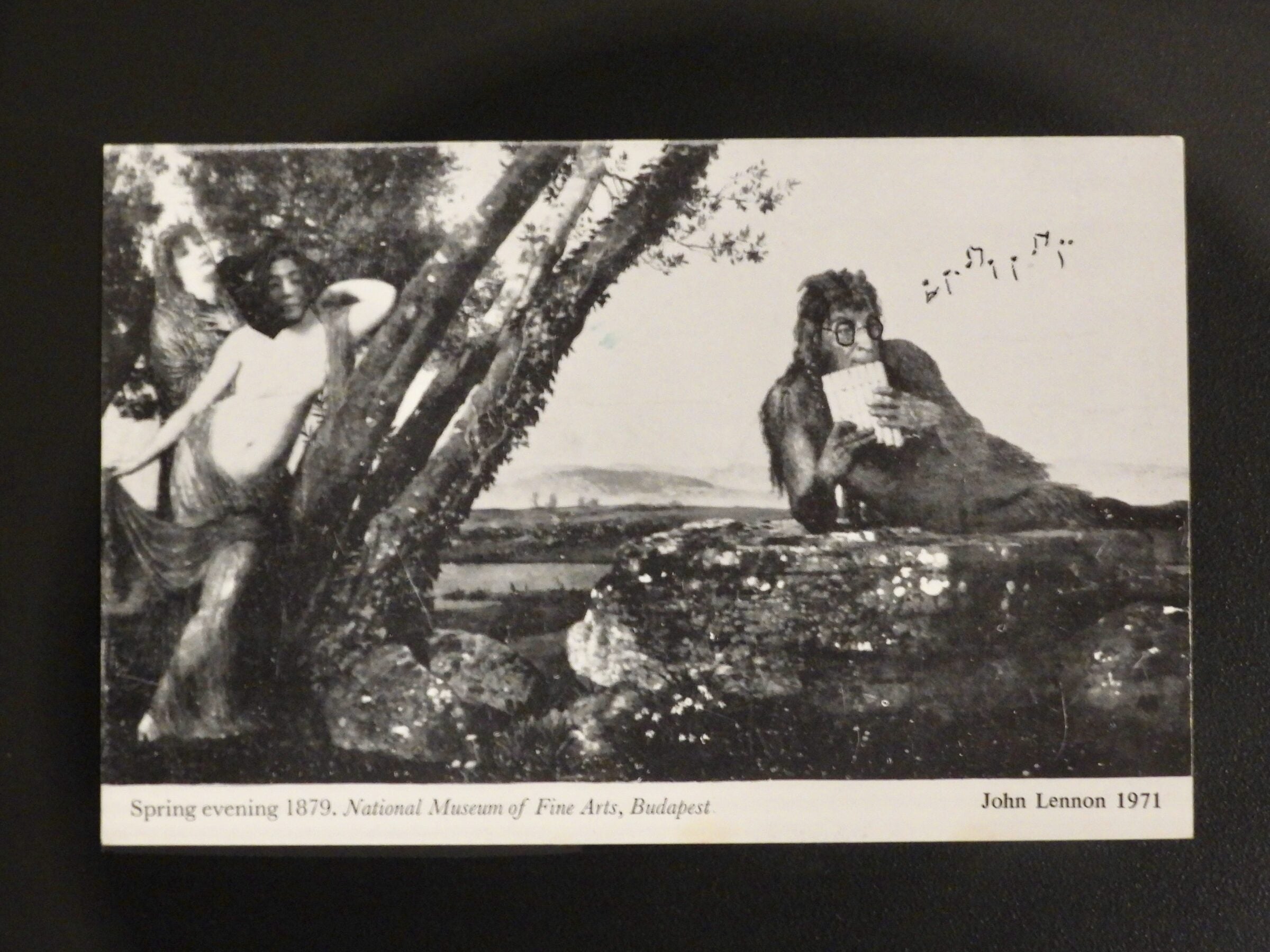
Lastly, we find 1971 postcards from John Lennon and Yoko Ono to activist Abbie Hoffman, from the center’s Abbie Hoffman Papers. One is the 1879 painting “Spring Evening” doctored so that the god Pan is Lennon the woodland nymph is Ono. In another, Lennon scribbles, “P.S. We are joining the Quakers.” While Lennon did visit a Quaker school in Manhattan, he and Ono did not join the Quakers.