Research
-
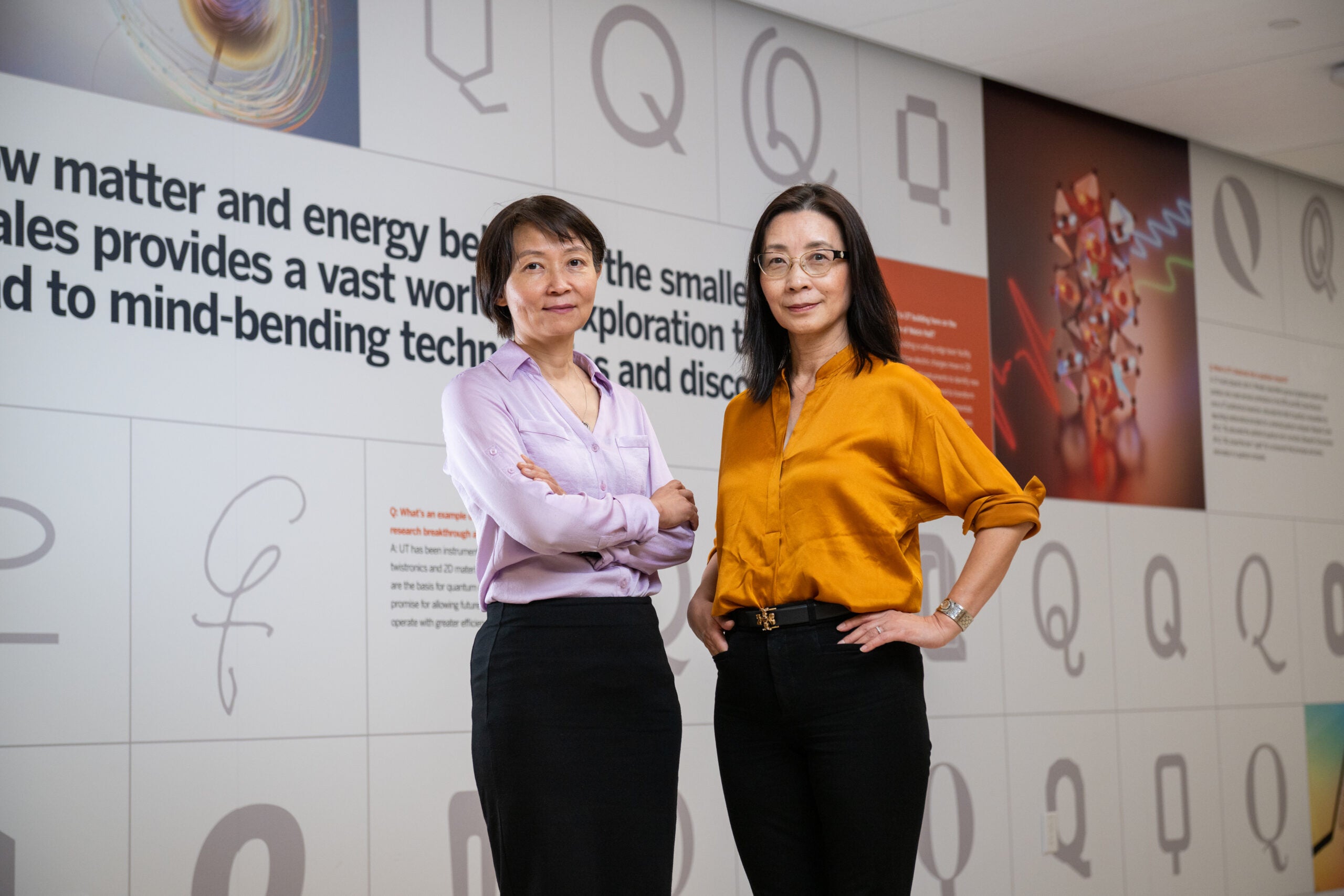
As ‘2nd Quantum Revolution’ Arrives, University of Texas Researchers Stand Ready
From solving specialized problems in quantum computing and developing sensors to training the next generation of quantum researchers, UT experts are meeting the moment.
-
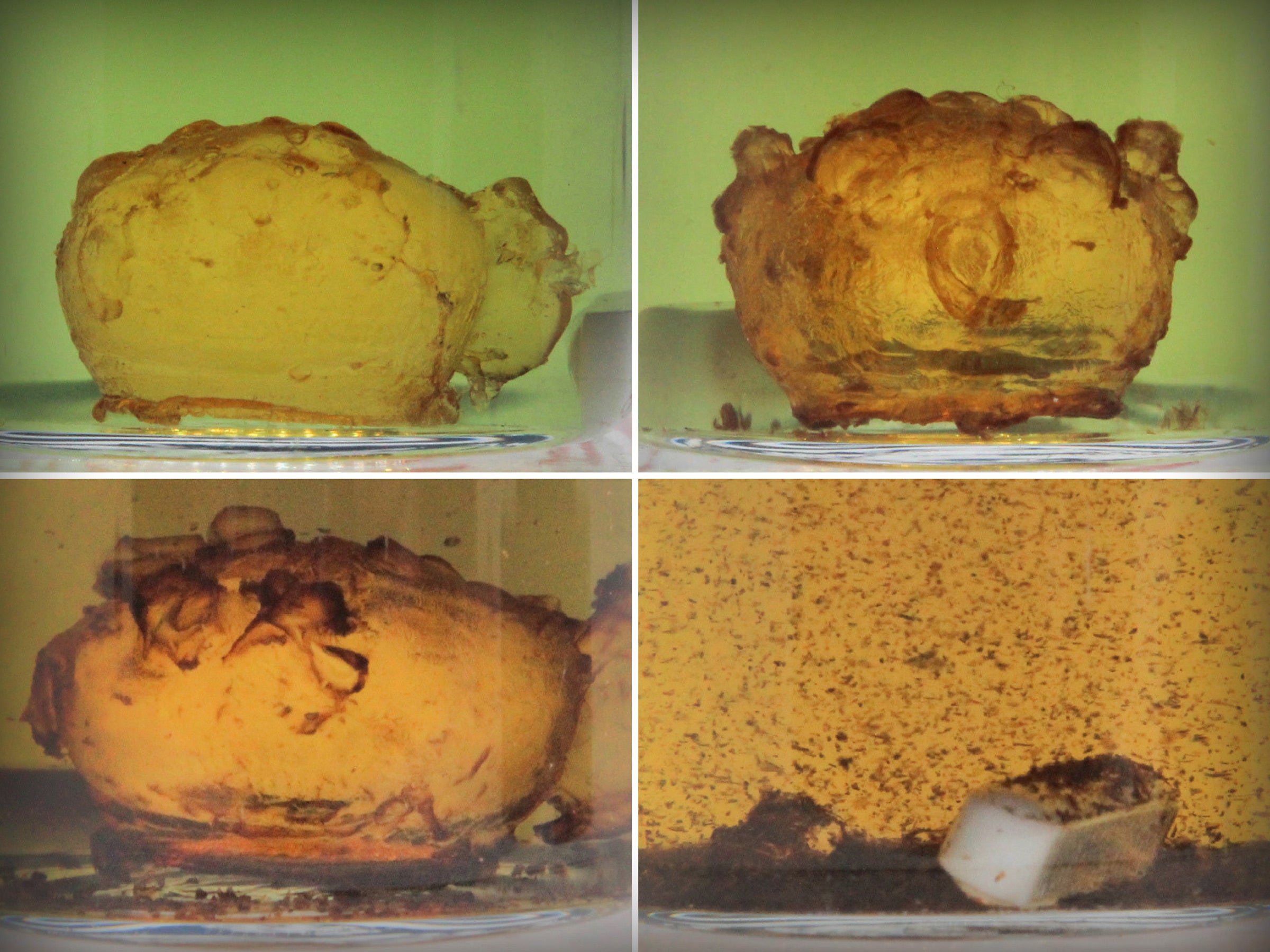
New Low-Waste Chemistry Method Breaks Down Tough-to-Recycle Plastics
The method could help create plastic products with the best of both worlds by combining durability with an eco-friendly life cycle.
-

Most Children Rebounded After COVID-19 Disruptions, Study Finds
Long-term research finds most children recovered from the effects of the pandemic, with lasting challenges concentrated among those already facing hardships.
-

Fusion Energy Seed Grants Launch New Interdisciplinary Collaborations at UT Austin
The projects bridge physics, engineering and computational sciences to tackle big challenges for fusion energy.
-
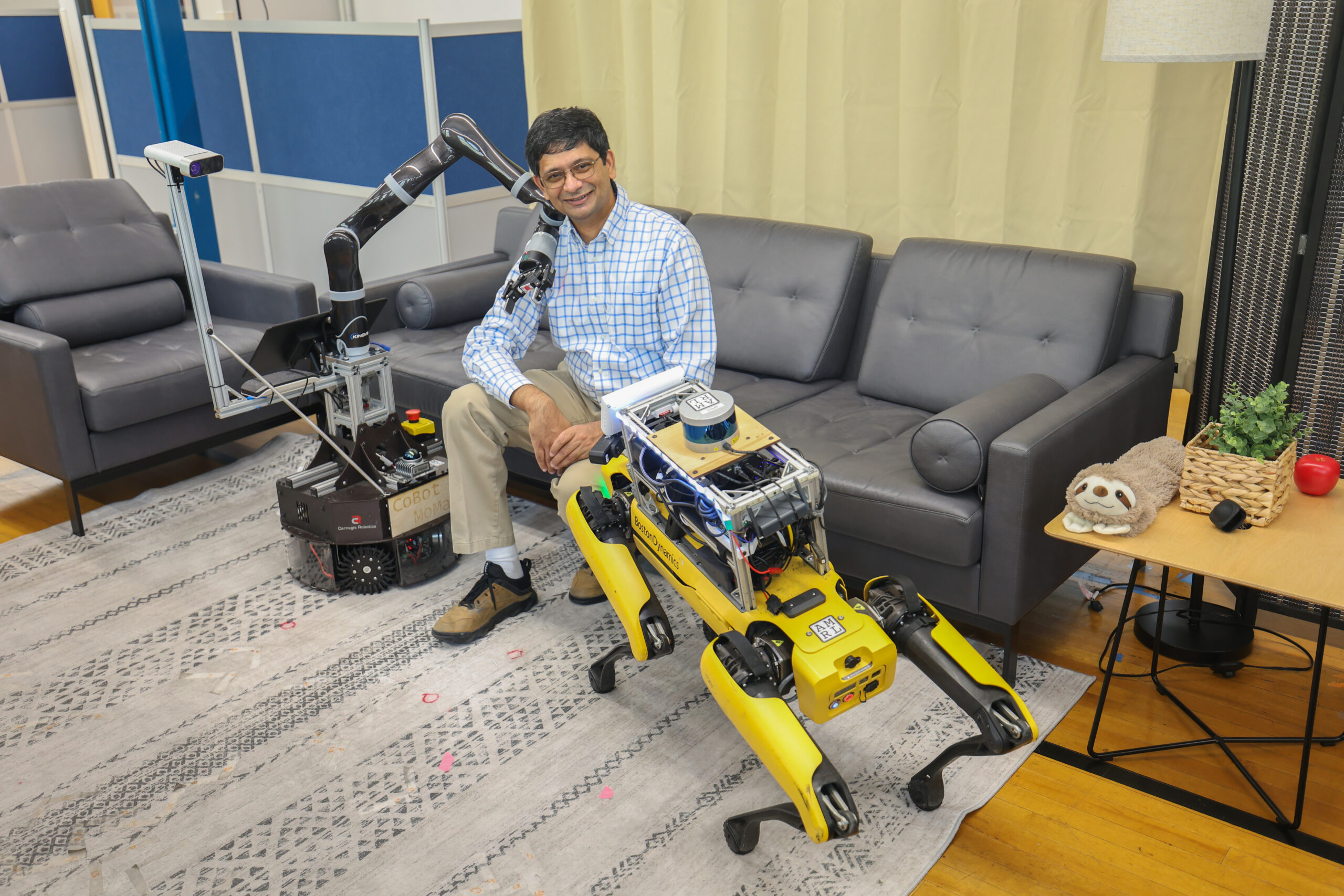
UT To Lead NSF Center That Will Study How Robots and People Learn To Live and Work Together
A 5-Year Collaboration Between 6 Universities and Industry Partners Will Place Assistive Robots in Everyday Human Environments.
-
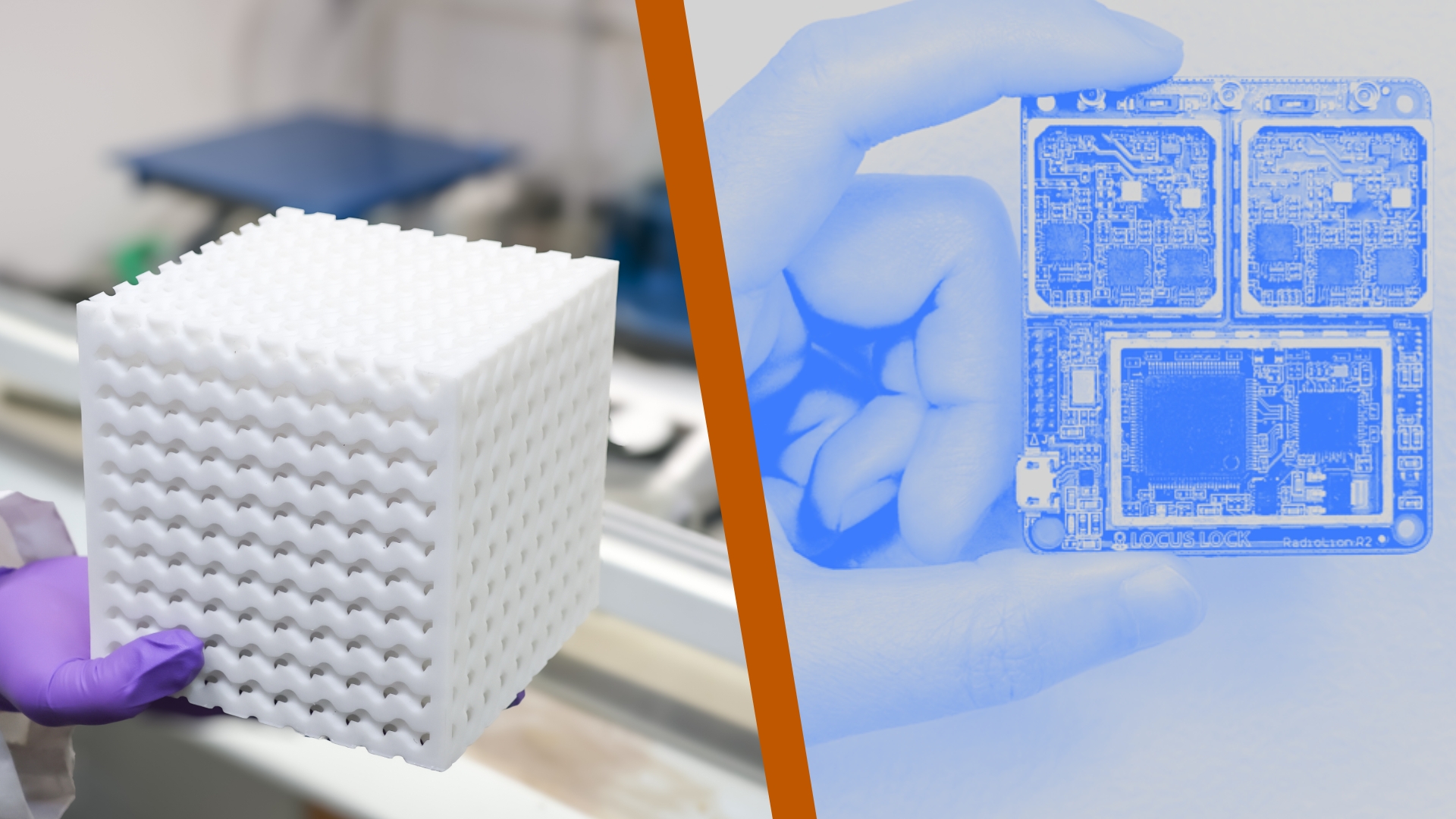
Strengthening U.S. Industrial Independence
UT’s vibrant startup pipeline supports manufacturing at home.
-
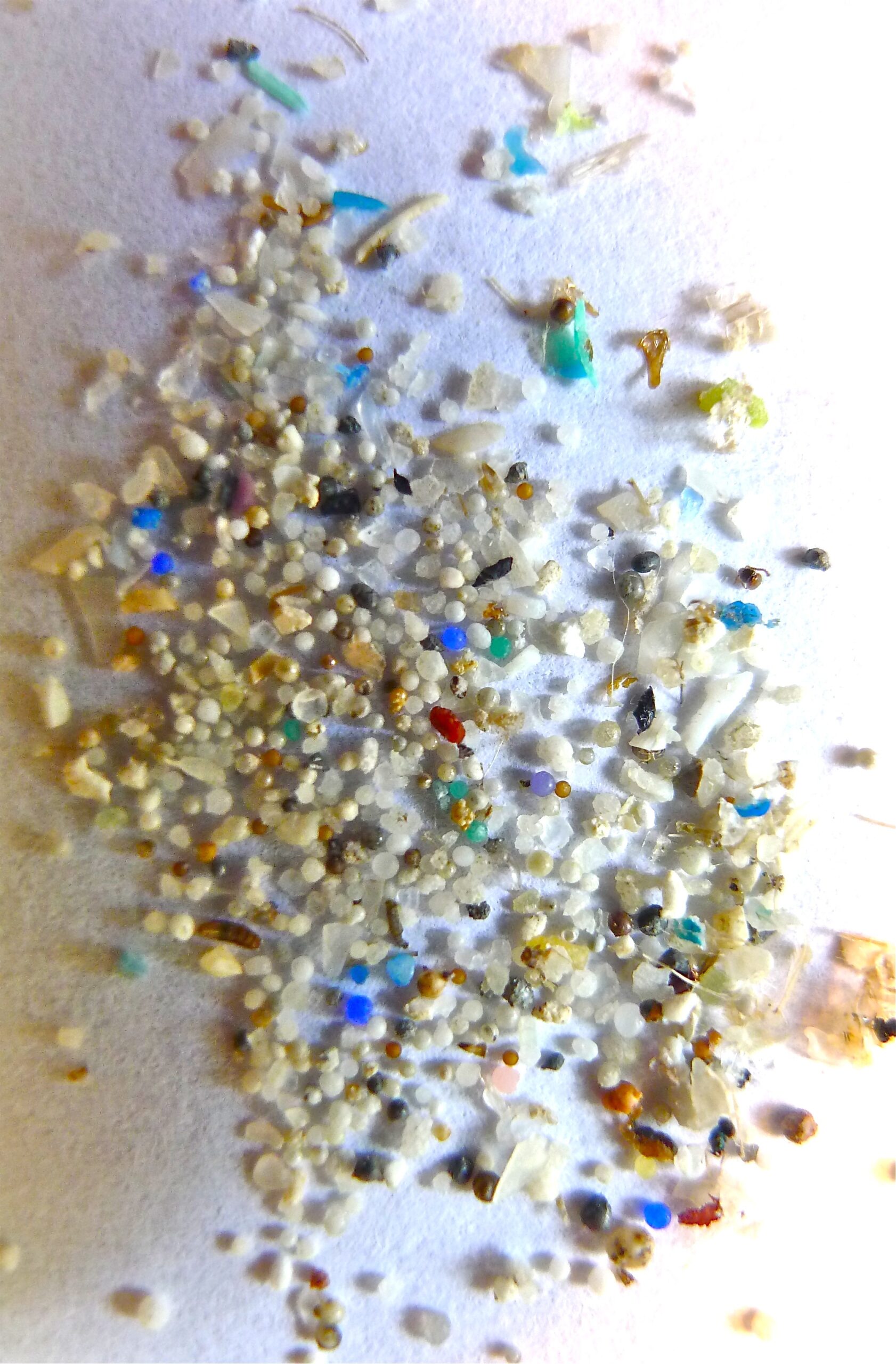
The Microplastics Inside Us: Understanding Their Effects on the Human Body
Researchers from The University of Texas at Austin and The University of Texas MD Anderson Cancer Center are partnering to trace the journey of microplastic particles through the human body and their role in cancer development.
-
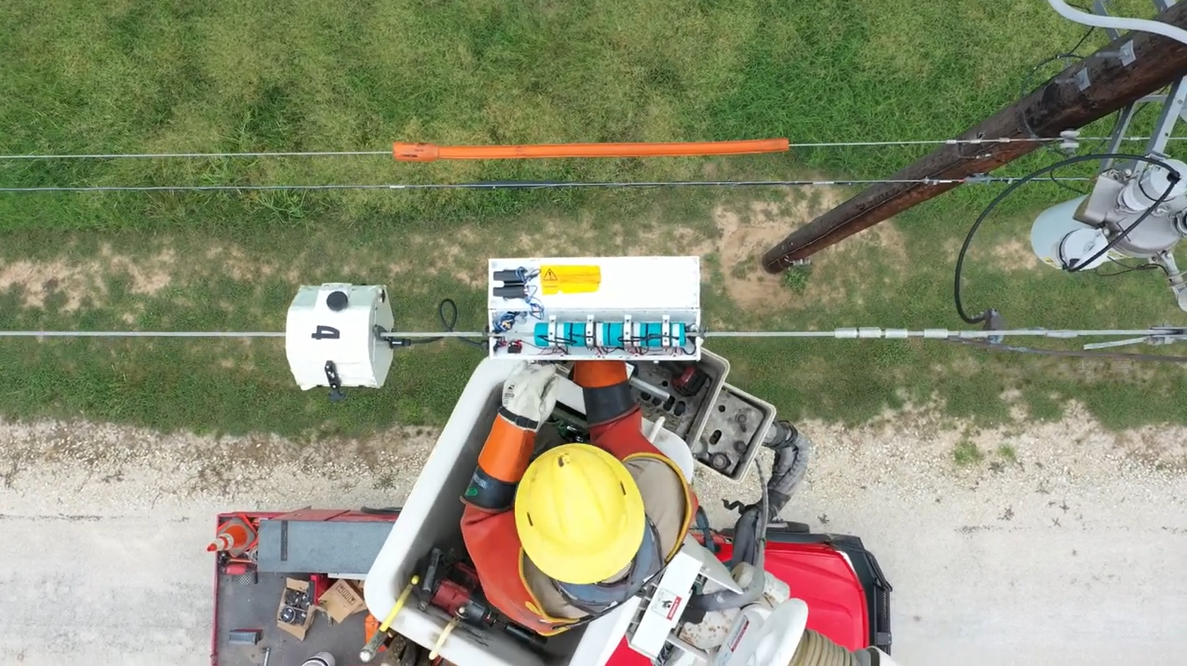
Catching Silent Threats to the Power Grid
Innovative power line sensor spots previously unseen risks to the power grid and monitors new demands from data centers.
-
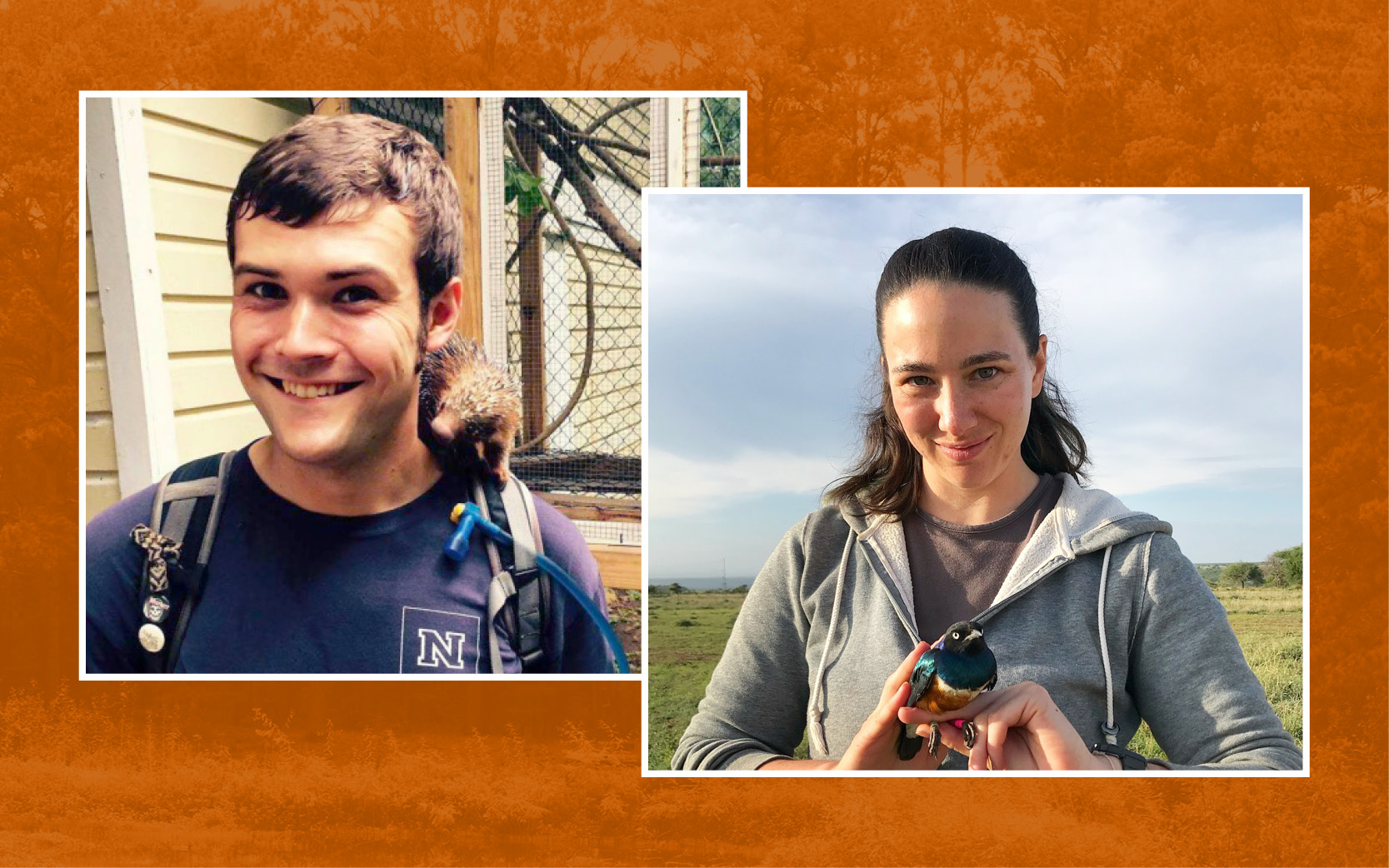
Where Are They Now: Shana Caro and Colin Morrison
The Where Are They Now series revisits students and researchers shaped by opportunities made possible through the What Starts Here campaign.
-
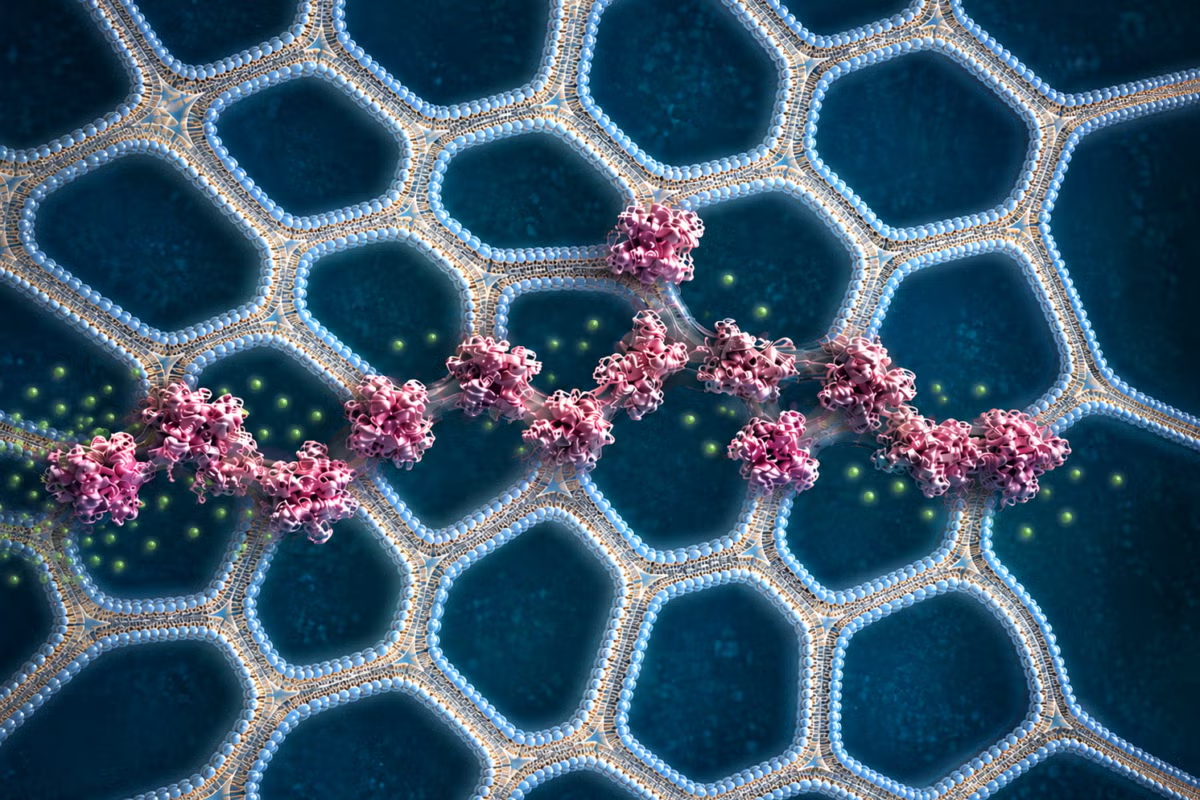
3D-Printable Material Can Heal the Body, Build Better Robots and Recover Critical Minerals
A network of billions of tiny water droplets can form large, tissue-like materials in minutes, creating new opportunities in a variety of fields
-
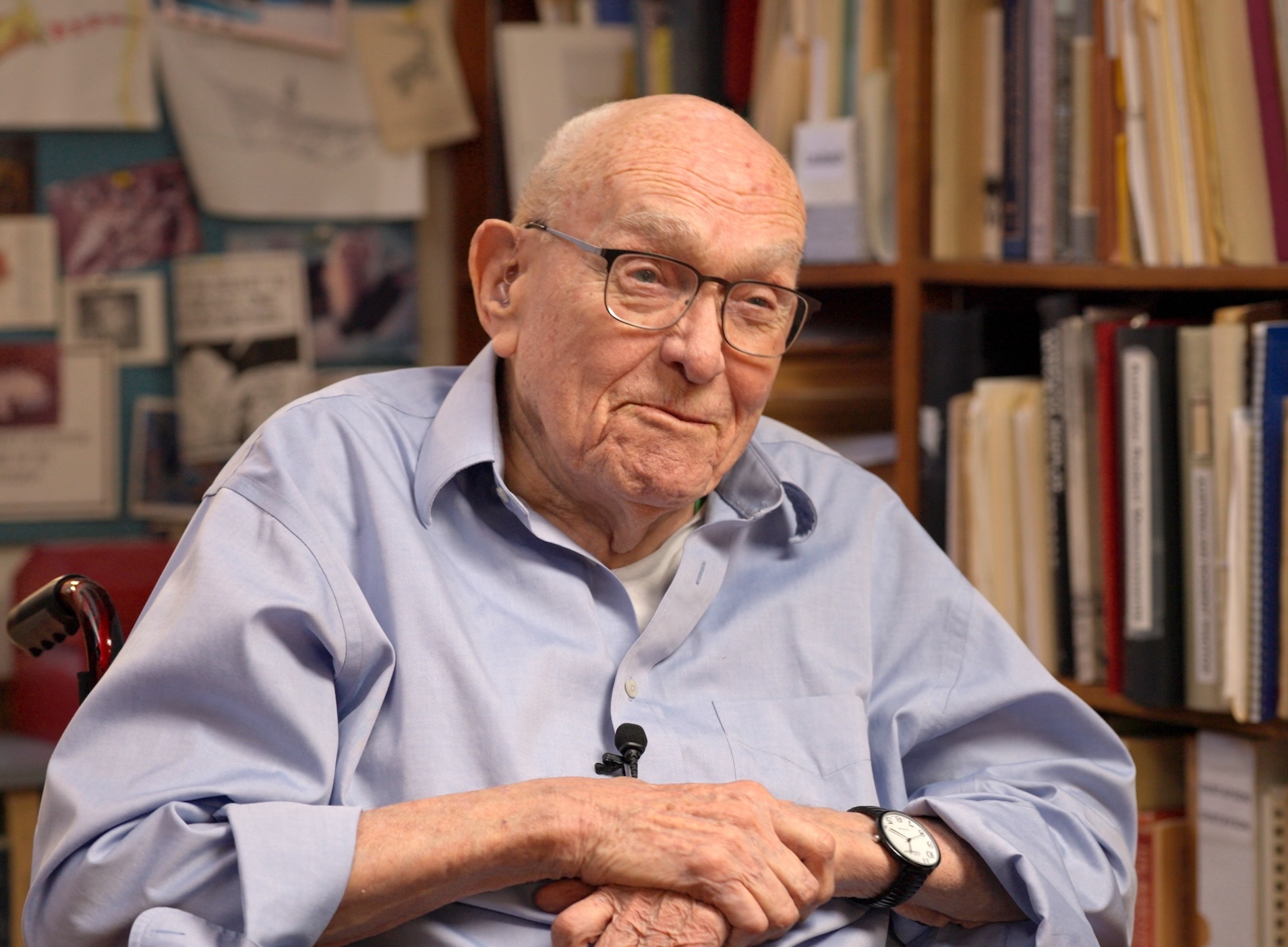
VIDEO: Ernie’s 70-Year Paper
At 98, Ernie Lundelius, professor emeritus of paleontology, is still curious about the world. And with the help of colleague and friend Steve May, he has published yet another paper.