

Research
-

The Brain’s Tug-of-War Between Impulse and Self-Control
A new study could help scientists better understand why people with addiction and obsessive-compulsive disorder struggle to resist urges.
-

Helping Others Linked to Slower Cognitive Decline Among People at Higher Genetic Risk for Alzheimer’s
Researchers found that even modest time spent helping others was associated with cognitive benefits.
-
 College of Natural Sciences
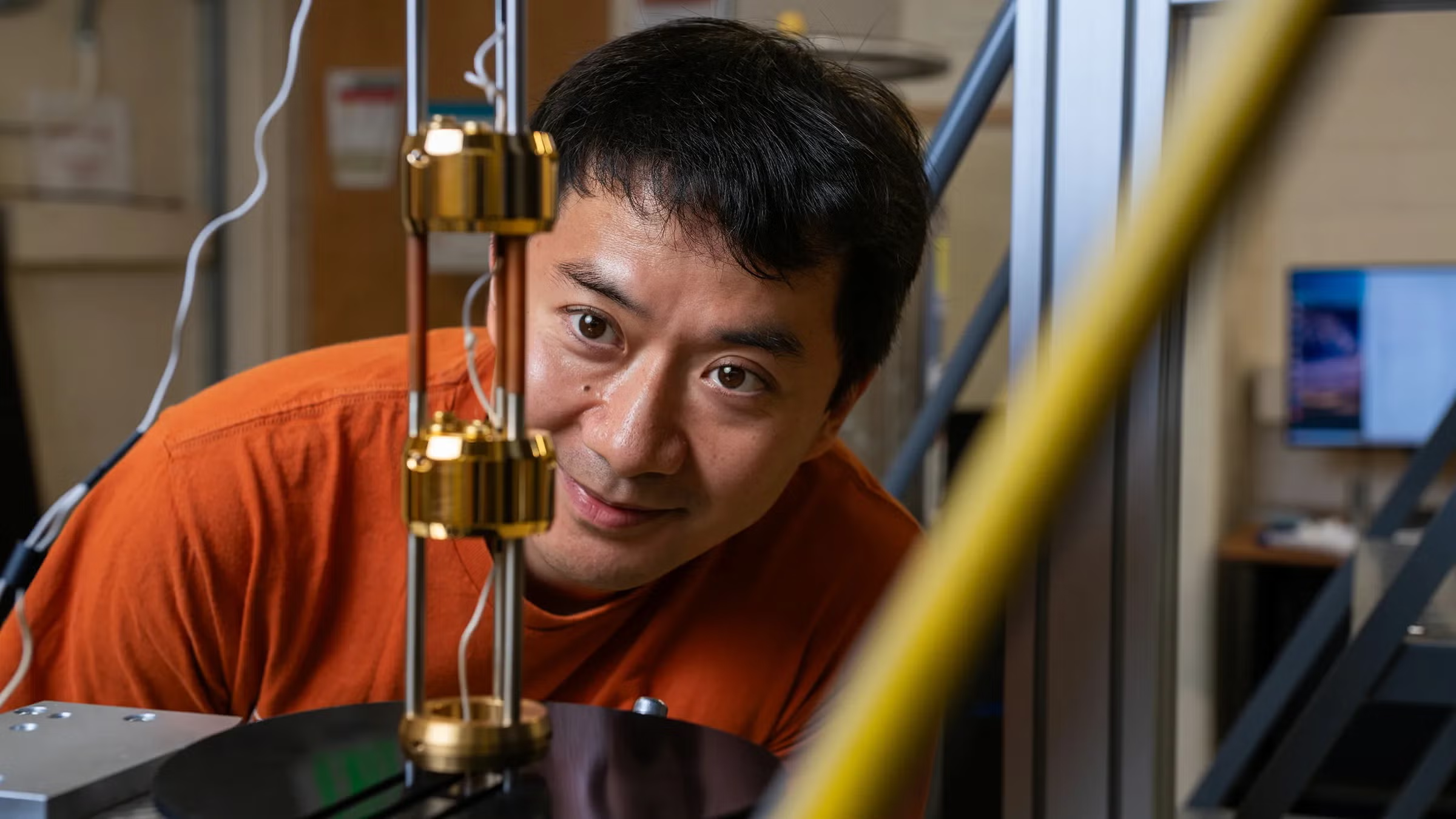
Jia Leo Li Selected as a 2026 Moore Foundation Experimental Physics Investigator
Selected among only 21 scientists nationwide, Li will be exploring quantum phenomena in atomically thin materials.
-
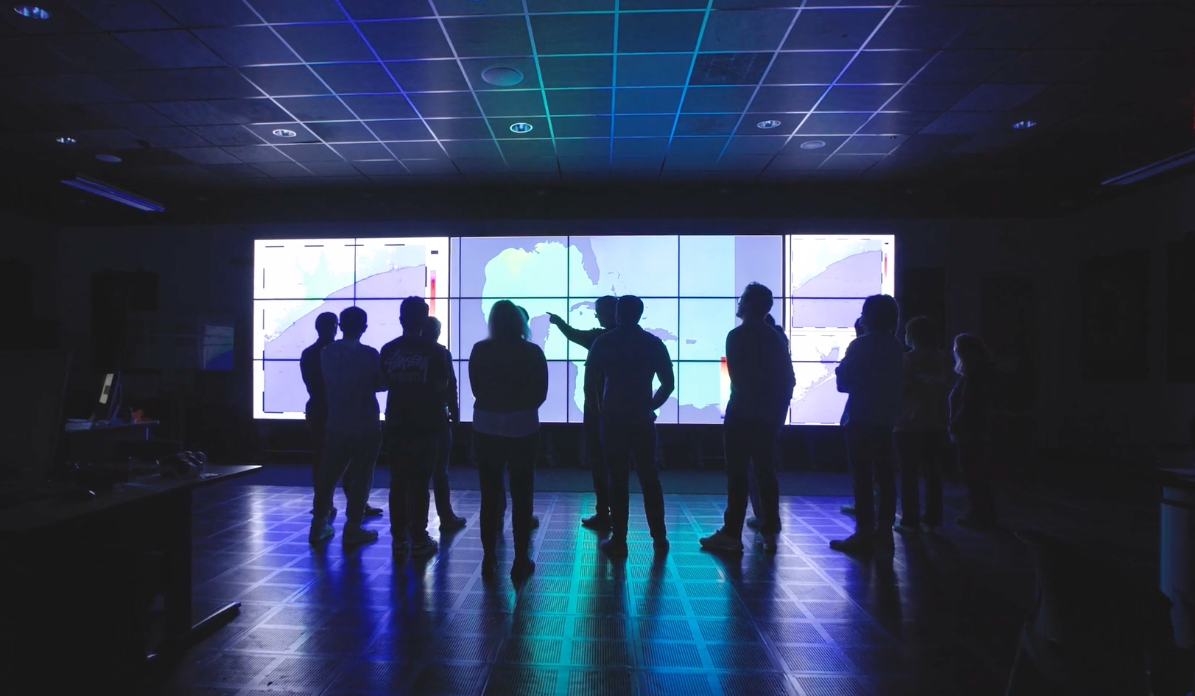
Helping Communities Weather the Storm
Through innovation, UT researchers are transforming hurricane forecasting into life-saving action.
-
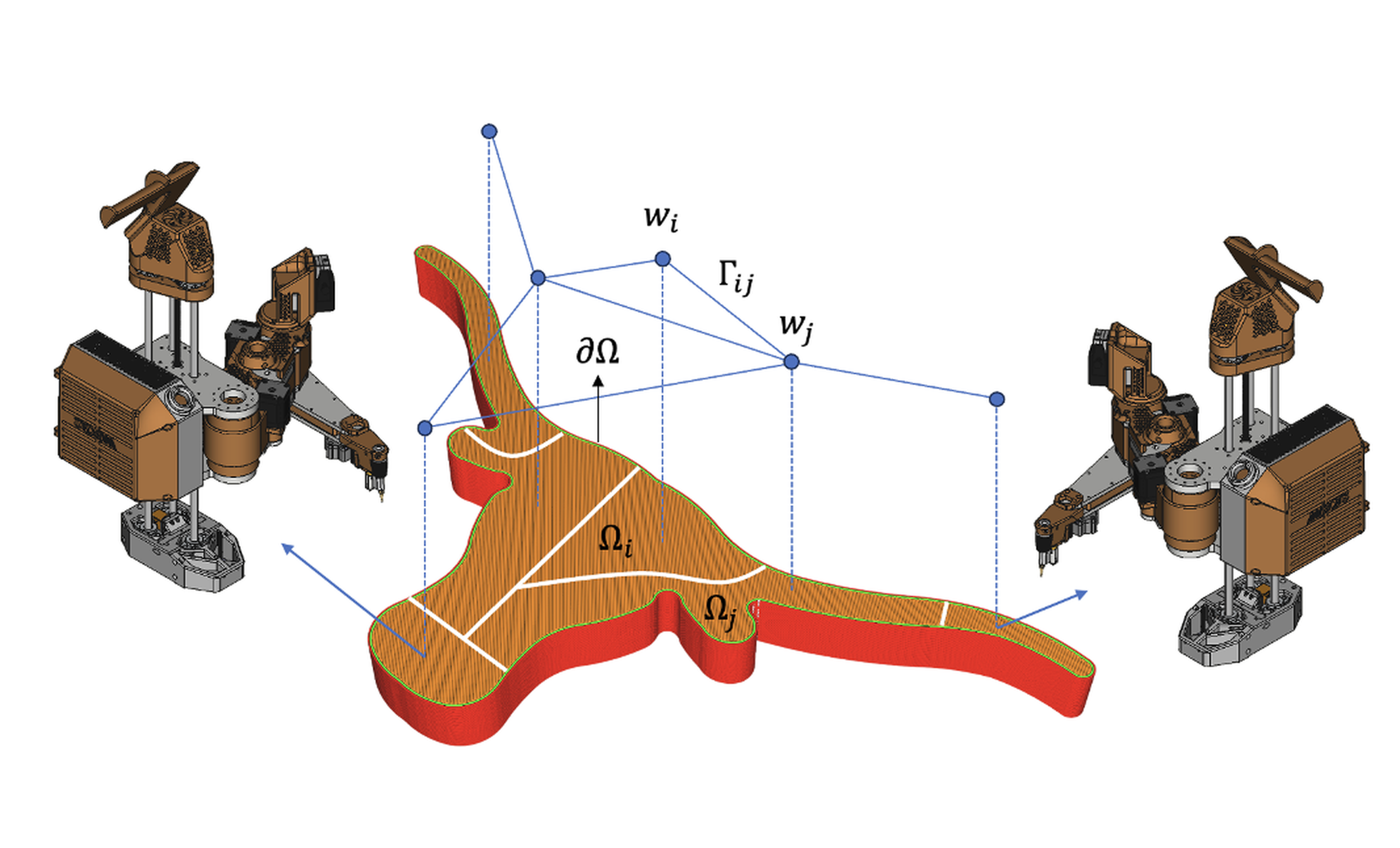
2 UT Faculty Selected for Inaugural Cohort of Navy Research Fellows
Two researchers from UT were recently selected for a new initiative connecting top academic researchers with the Navy and Marine Corps’ most pressing science and technology challenges.
-
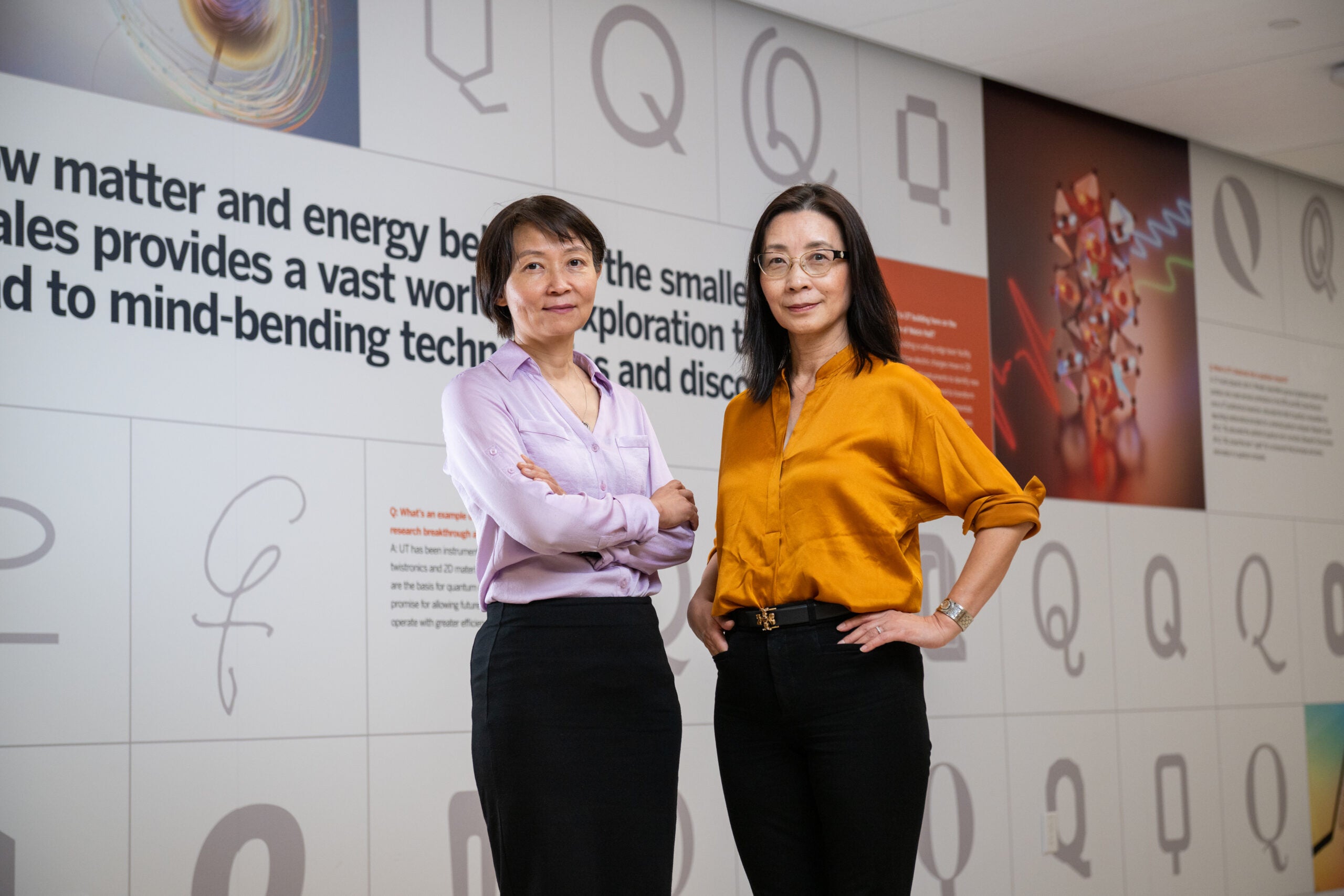
As ‘2nd Quantum Revolution’ Arrives, University of Texas Researchers Stand Ready
From solving specialized problems in quantum computing and developing sensors to training the next generation of quantum researchers, UT experts are meeting the moment.
-
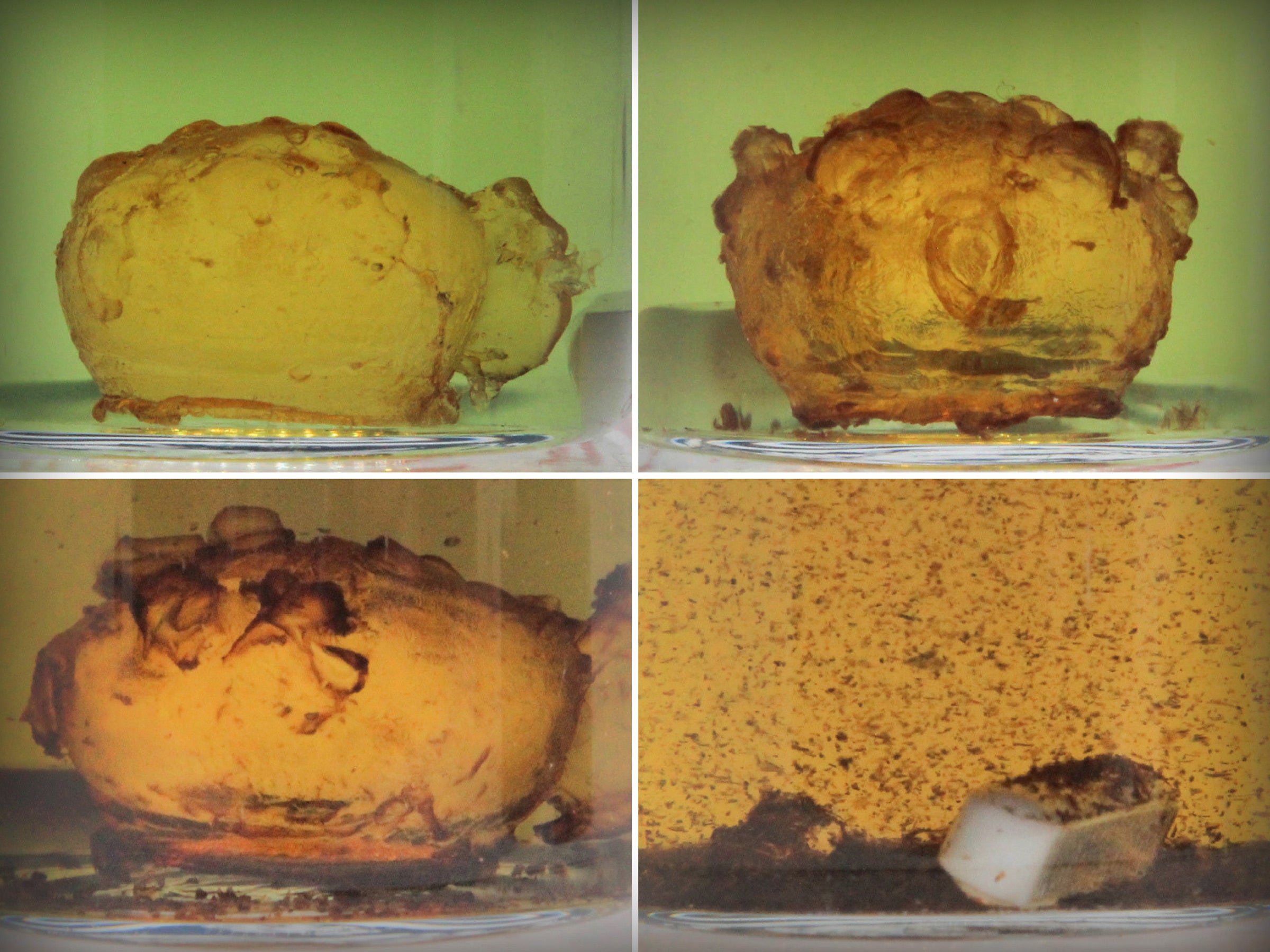
New Low-Waste Chemistry Method Breaks Down Tough-to-Recycle Plastics
The method could help create plastic products with the best of both worlds by combining durability with an eco-friendly life cycle.
-

Most Children Rebounded After COVID-19 Disruptions, Study Finds
Long-term research finds most children recovered from the effects of the pandemic, with lasting challenges concentrated among those already facing hardships.

Latest News

-
College of Natural Sciences
Jia Leo Li Selected as a 2026 Moore Foundation Experimental Physics Investigator