Research
-
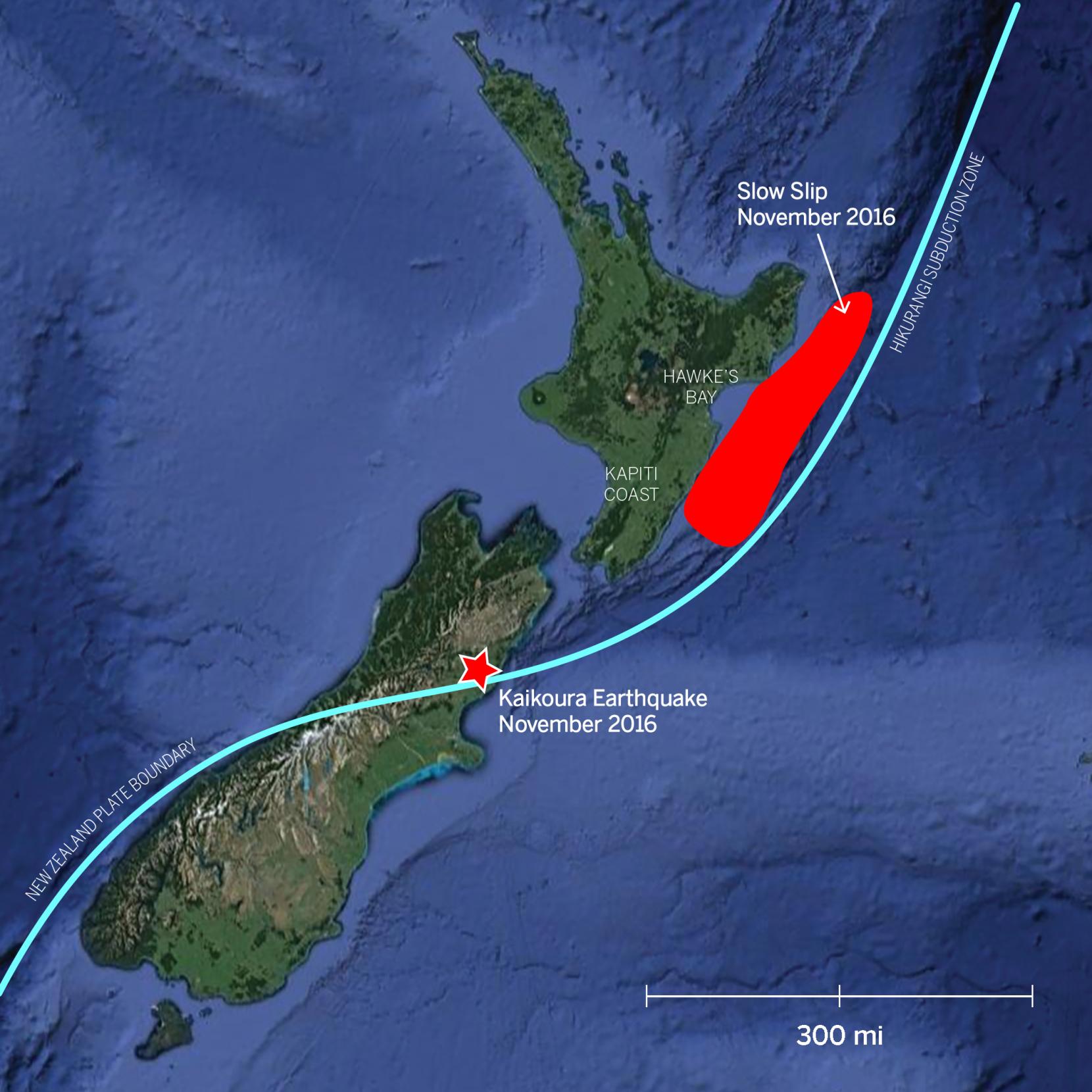
Earthquake Triggers “Slow Motion” Quakes in New Zealand
Slow slip events are thought to be able to trigger earthquakes. In a study led by UT Austin, scientists have found the first instance of the reverse—an earthquake triggering a series of slow slip events.
-

Big Data May Amplify Existing Police Surveillance Practices, Study Shows
With access to more personal data than ever before, police have the power to solve crimes more quickly, but in practice, the influx of information tends to amplify existing practices.
-
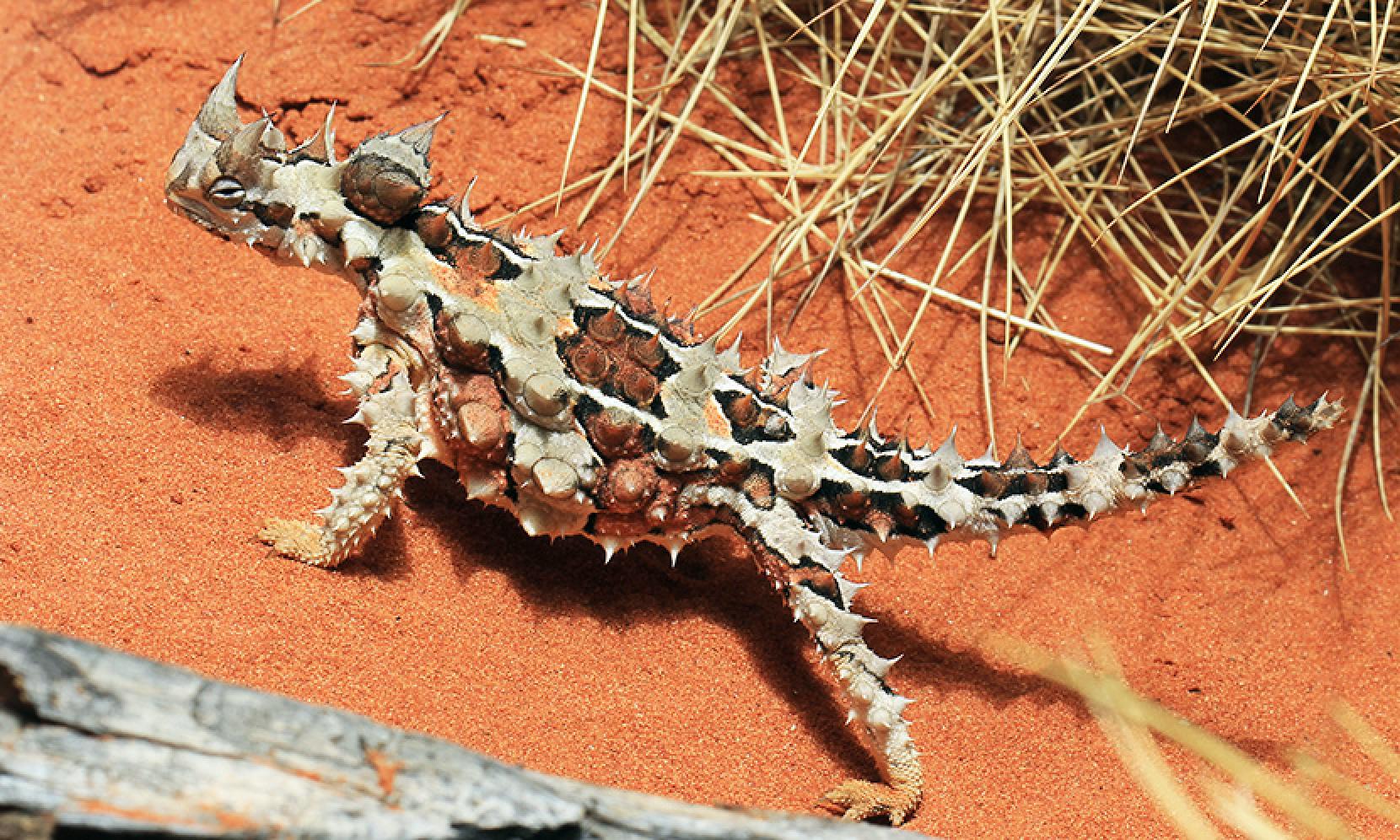
Periodic Table of Ecological Niches Could Aid in Predicting Effects of Climate Change
A new “periodic table” of ecological niches could help scientists understand how a warming climate may be spurring changes in species around the globe
-

Caspian Sea Evaporating As Temperatures Rise, Study Finds
Earth’s largest inland body of water has been slowly evaporating for the past two decades due to rising temperatures associated with climate change, according to a new study led by UT Austin.
-

Explainer: Total Eclipse 101
Facts about the total eclipse you don’t need to be embarrassed to ask about, because we asked about them for you.
-
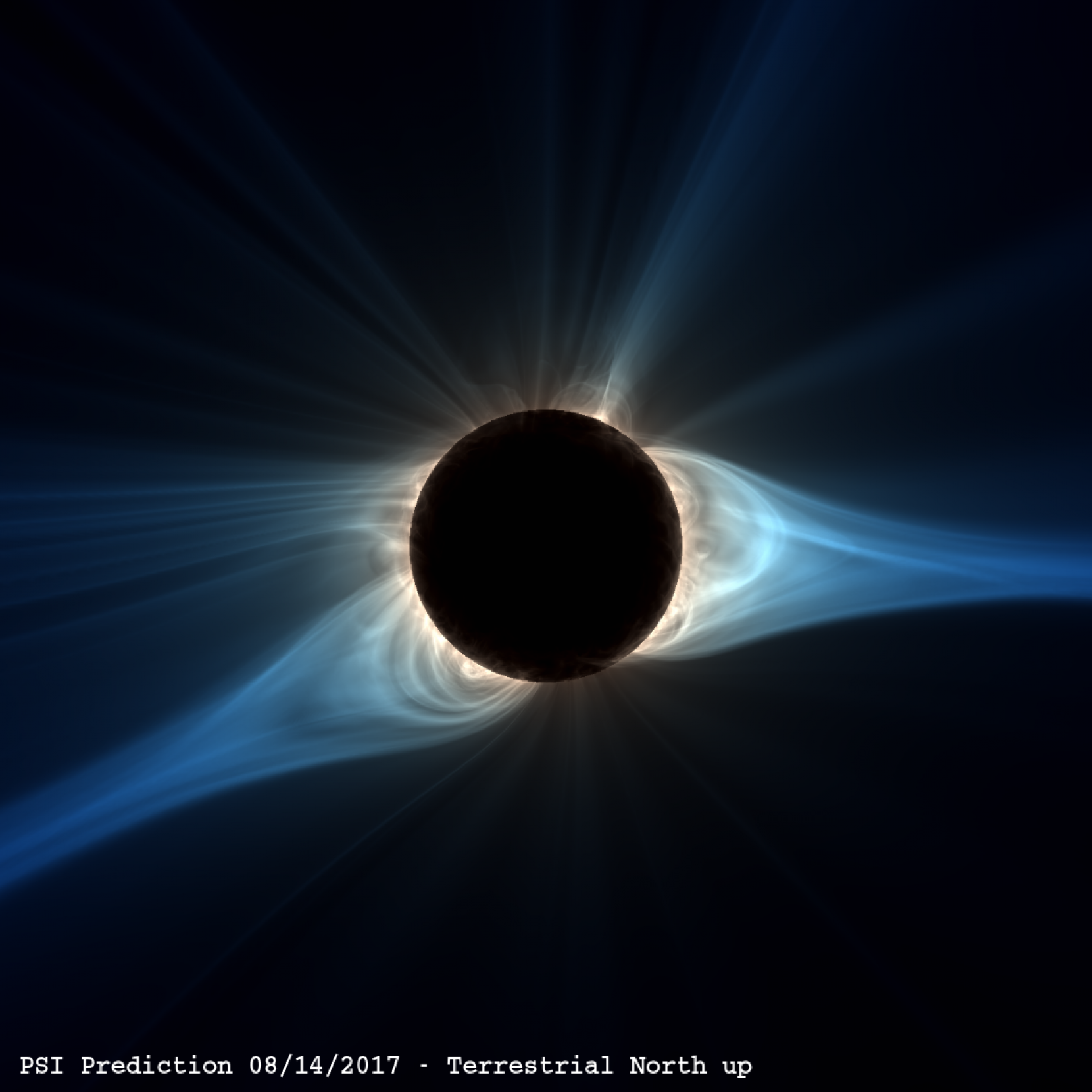
SPOILER ALERT: Computer Simulations Provide Preview of Upcoming Eclipse
A research team used the Stampede2 supercomputer at UT Austin’s Texas Advanced Computing Center (TACC) to forecast what the upcoming eclipse of the sun might look like Aug. 21.
-

Scientists Discover Powerful Potential Pain Reliever
If they can demonstrate the drug is safe, effective and nonaddictive in humans, it could be address one of today’s biggest public health challenges: the opioid abuse epidemic.
-

Neuroscientist Receives Grant to Advance Understanding of Brain Structure
Dr. Kristen Harris receives a $9 million National Science Foundation award to explore the brain in microscopic detail.
-

Welcome Stampede2!
Texas Advanced Computing Center (TACC) changed the world by supporting research from black holes to cures for cancer. Now, TACC introduces its most powerful supercomputer to date — Stampede2! What discoveries will it bring?
-
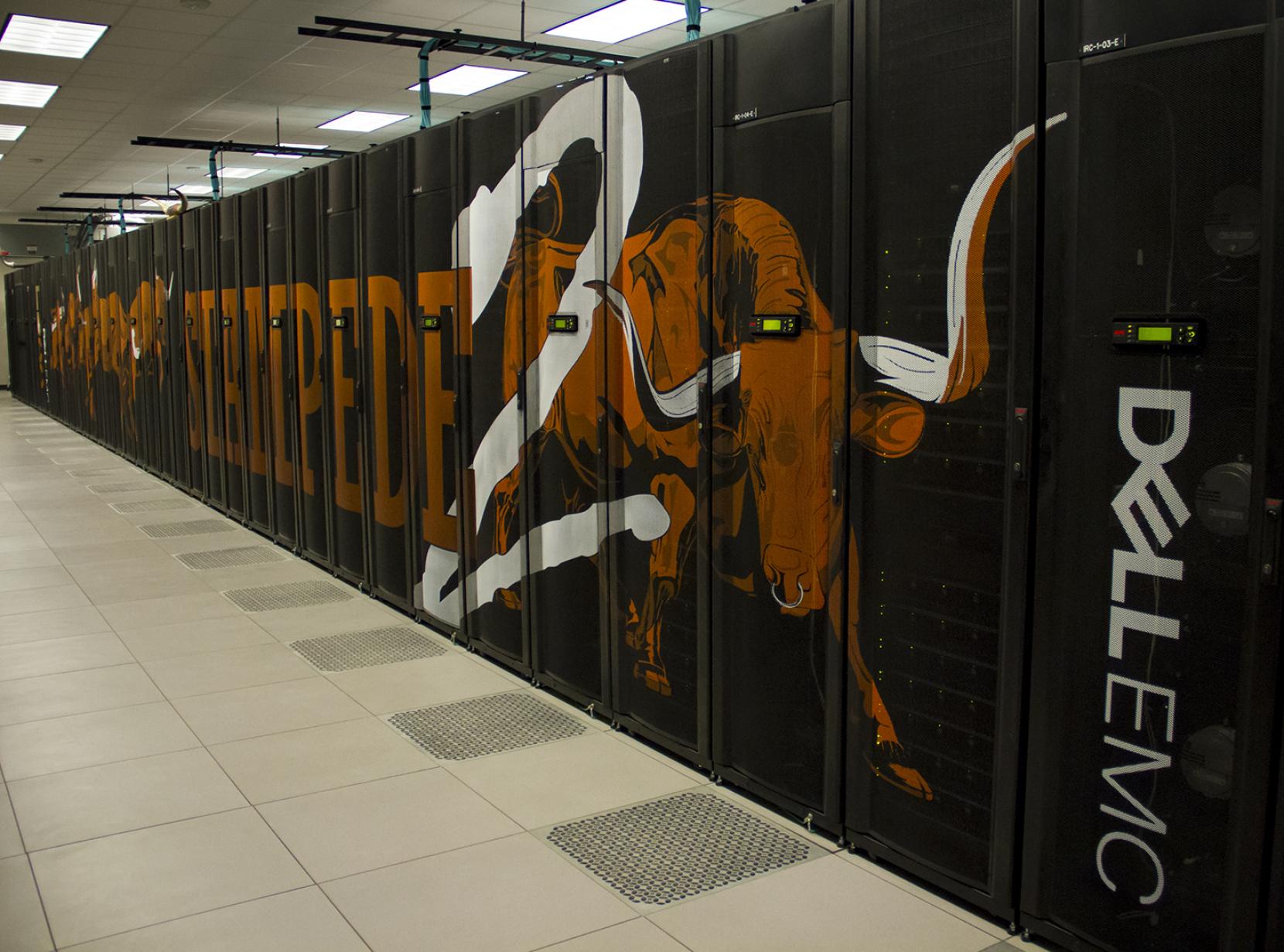
UT Austin’s New Supercomputer Stampede2 Storms Out of the Corral in Support of U.S. Scientists
The Texas Advanced Computing Center (TACC) at The University of Texas at Austin has launched Stampede2, the most powerful supercomputer at any U.S. university and one of the most powerful in the world.
-
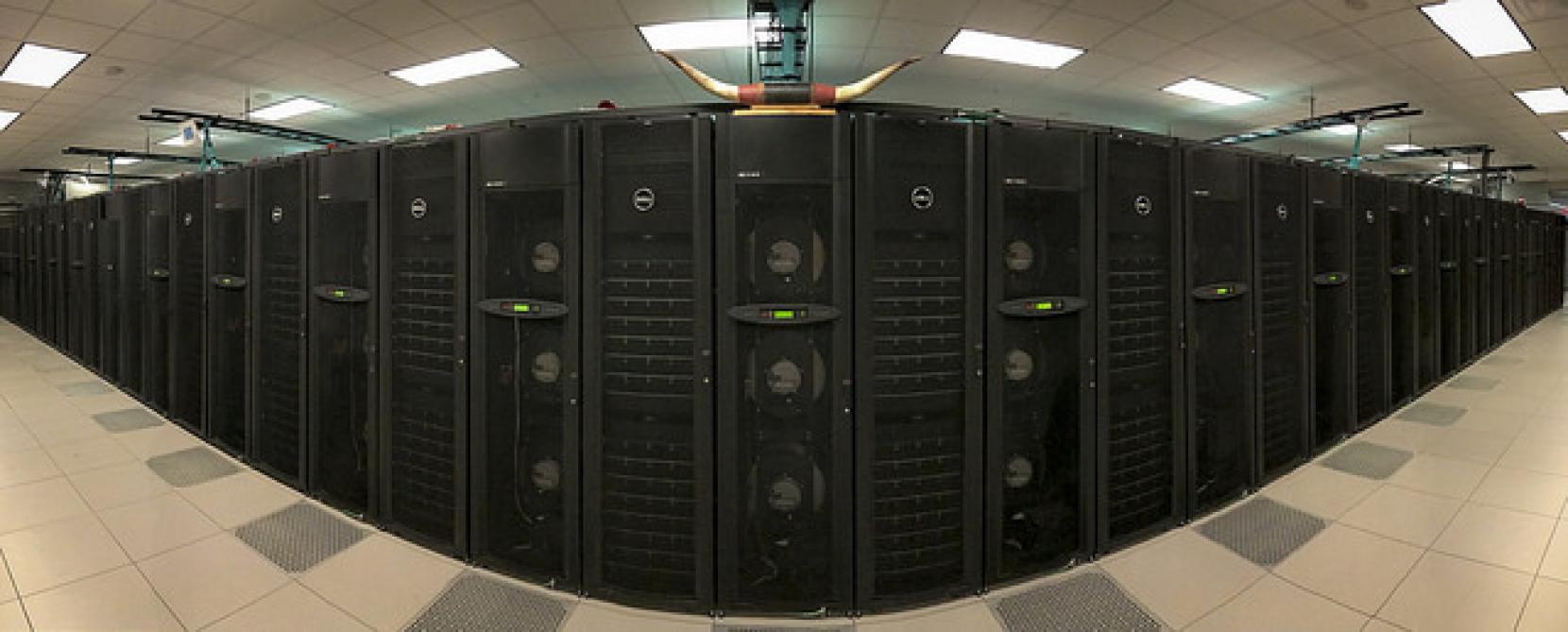
MEDIA ADVISORY: Most Powerful Supercomputer at an Academic Institution in the U.S. – 12th in the World – Coming to UT Austin
TACC dedicates Stampede2, the most powerful supercomputer in the U.S. at an academic institution.
-
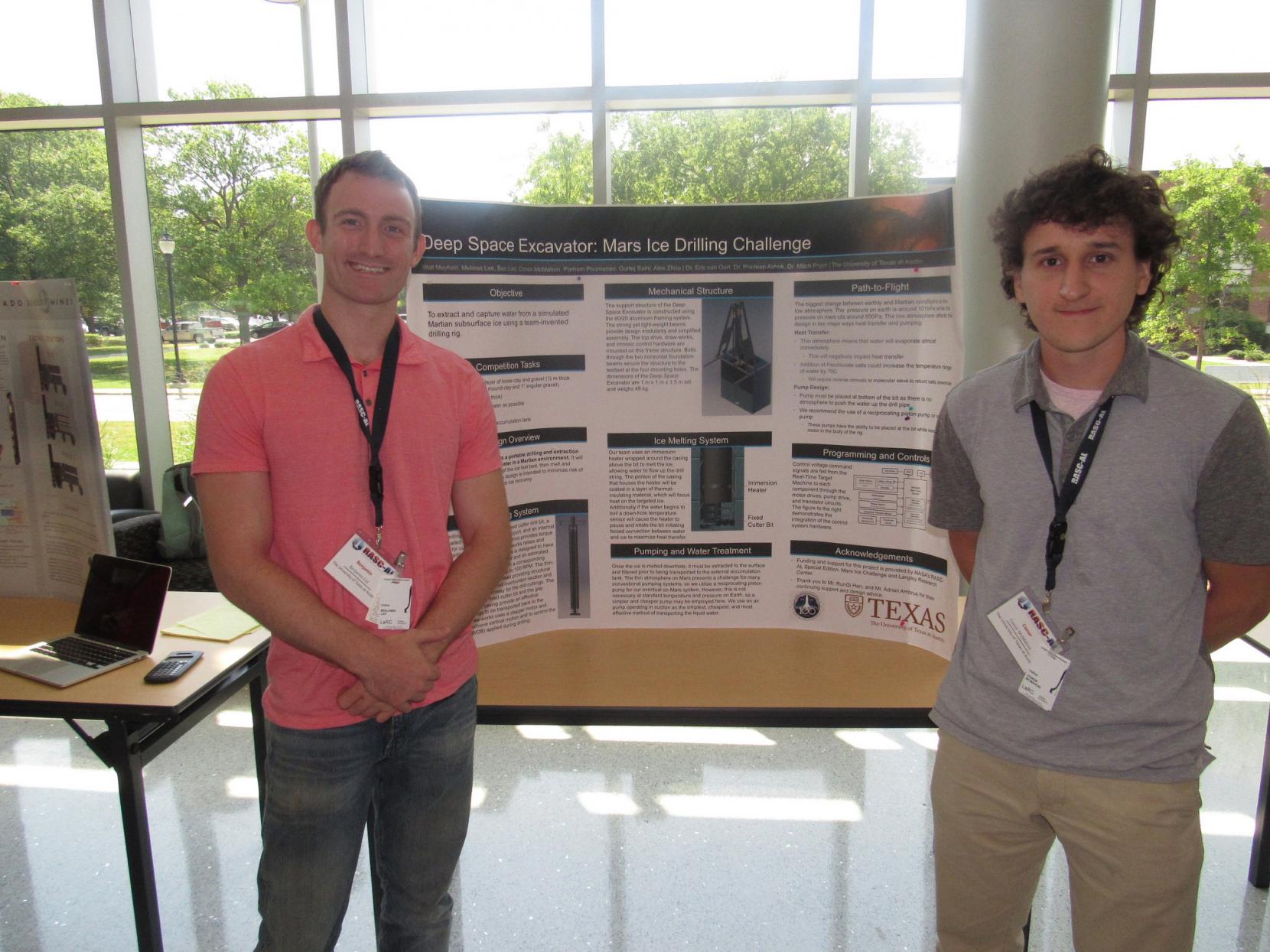
UT Students Make a Plan to Drill for Water on Mars
NASA turns to Texas Engineering students to participate in its first ever Mars Ice Challenge.