

Research
-
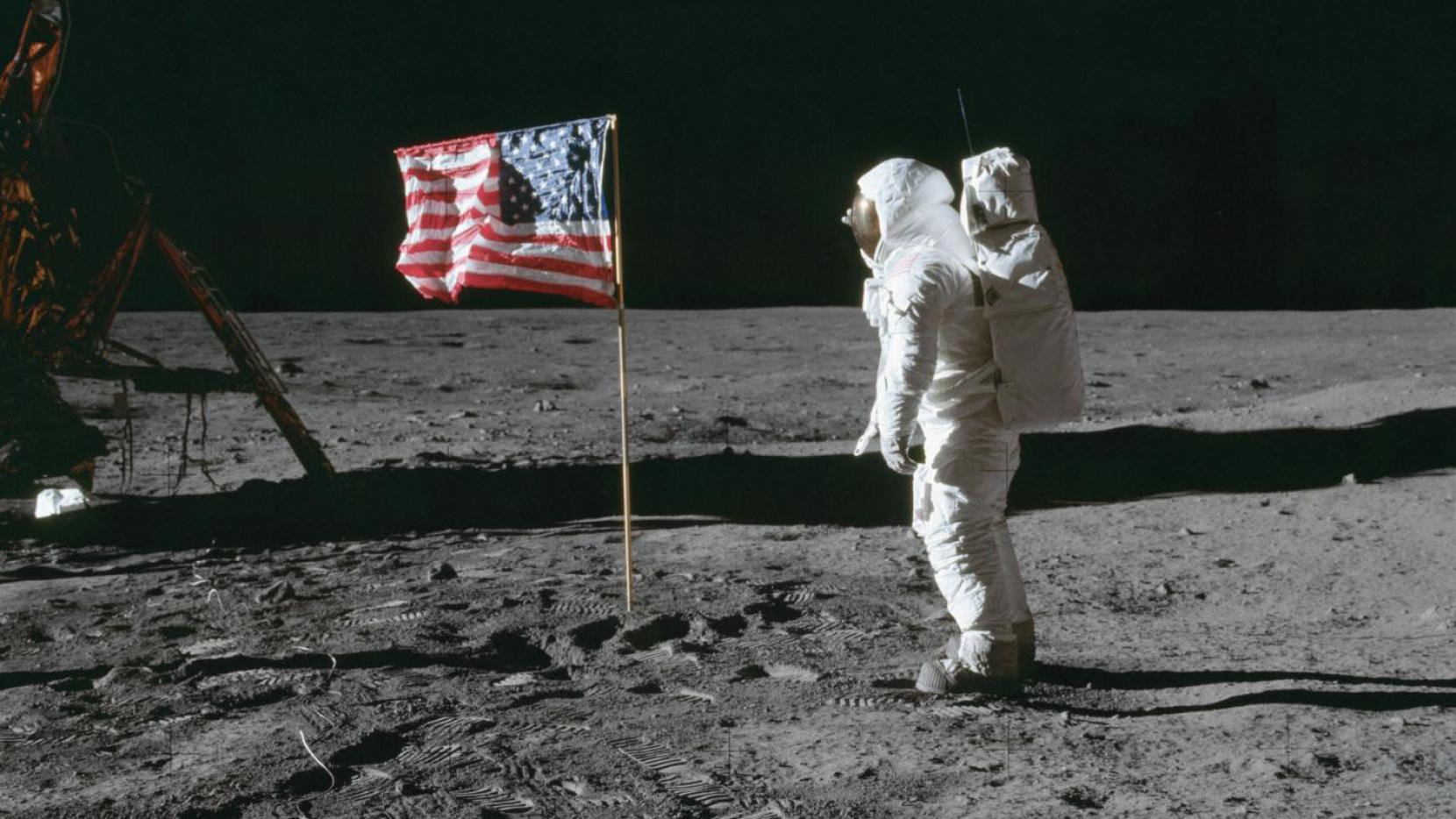
Happy 60th Birthday, NASA!
From walks on the moon to hunts for new planets, The University of Texas at Austin is proud to have partnered with NASA over the years.
-
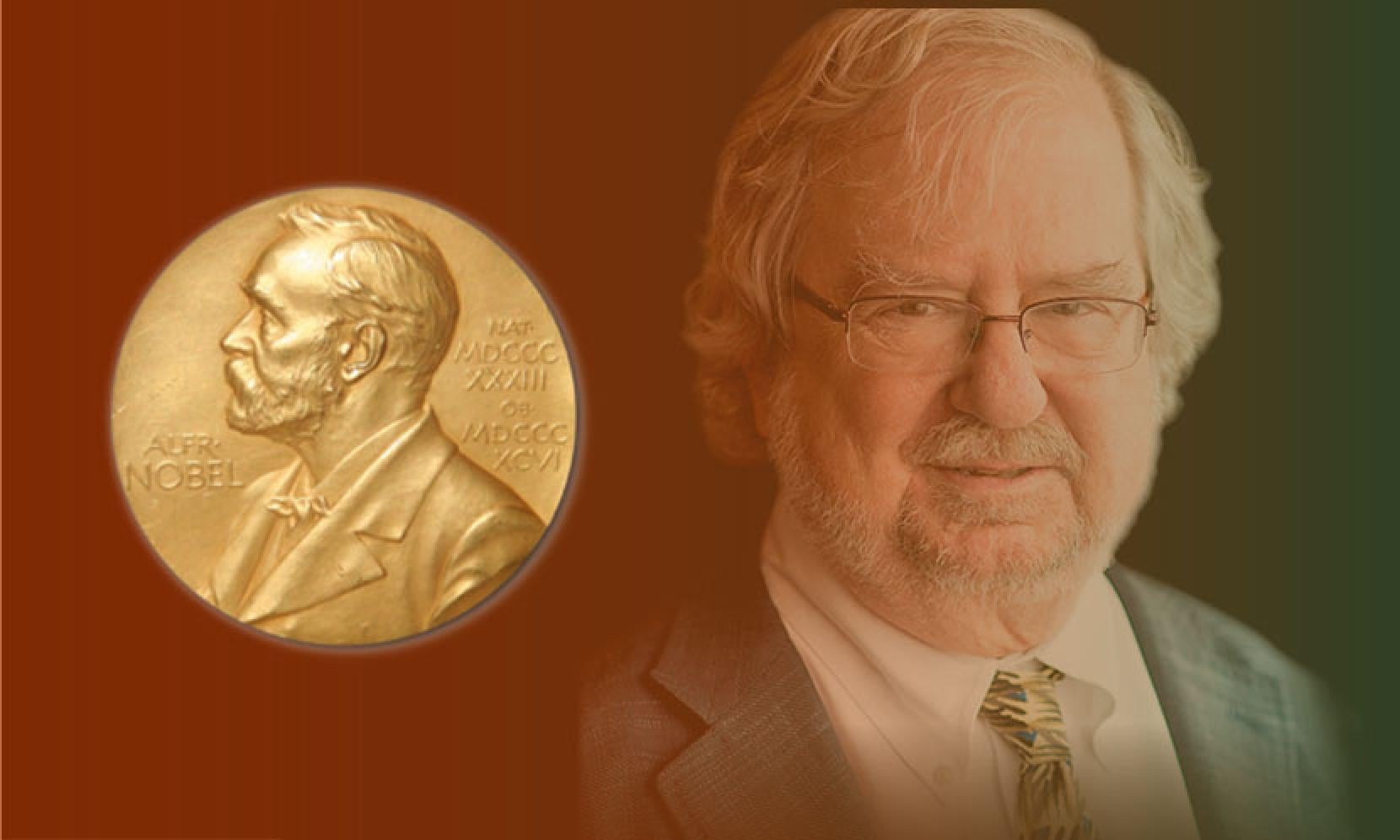
UT Austin Alum James Allison Awarded Nobel Prize
For the second year in a row, an alumnus of UT Austin has won the Nobel Prize in physiology or medicine.
-

Better Water Purification Methods Are Aim of New Research Center
New $10.75M DOE center will focus on developing more creative approaches and new materials for the purification of water, perhaps Earth’s most critical natural resource.
-
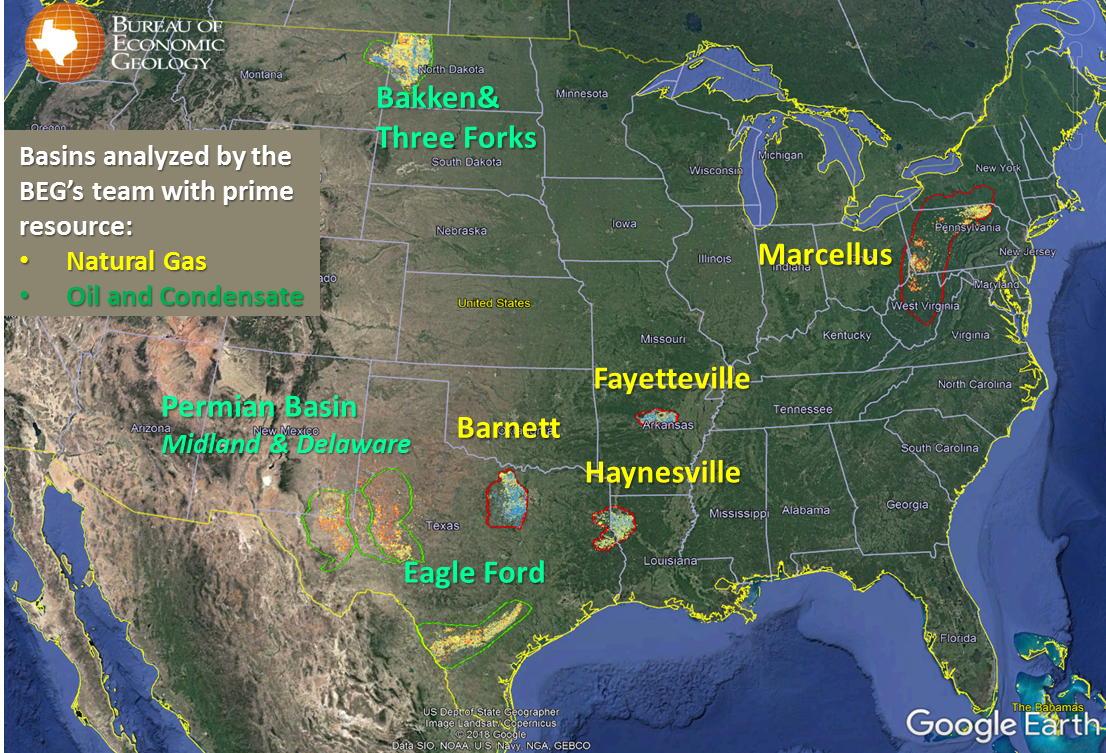
No Link Between Barnett Shale Natural Gas Production and Methane in Groundwater, Studies Conclude
After four years of studies, scientists have found no link between methane present in water wells outside of Fort Worth and nearby gas production activities in the Barnett Shale.
-

Birds Reinvent Voice Box in Novel Evolutionary Twist
Birds tote around two vocal organs inside their bodies, but only one works. New research suggests that this distinct avian anatomy arose because birds opted for building a brand new vocal organ.
-
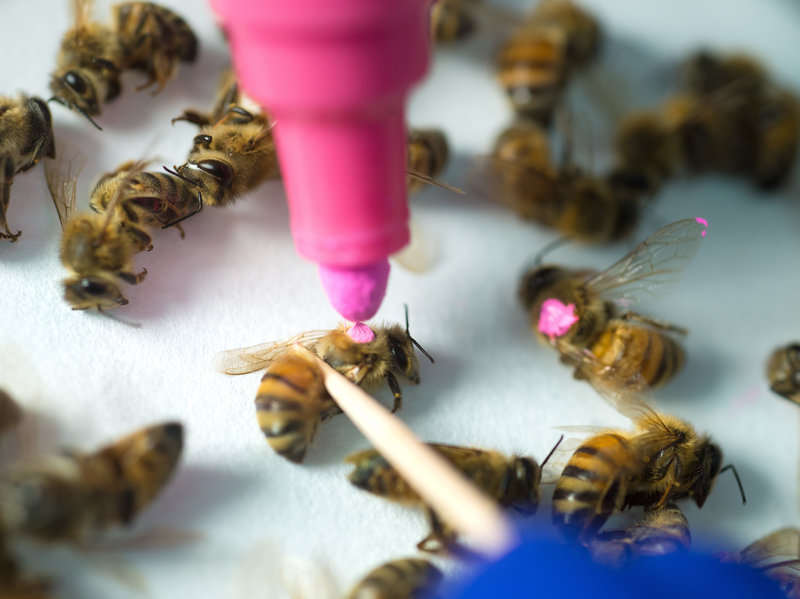
Common Weed Killer Linked to Bee Deaths
The world’s most widely used weed killer, Roundup, causes honey bees to lose some of their beneficial bacteria and are more susceptible to infection and death from harmful bacteria.
-
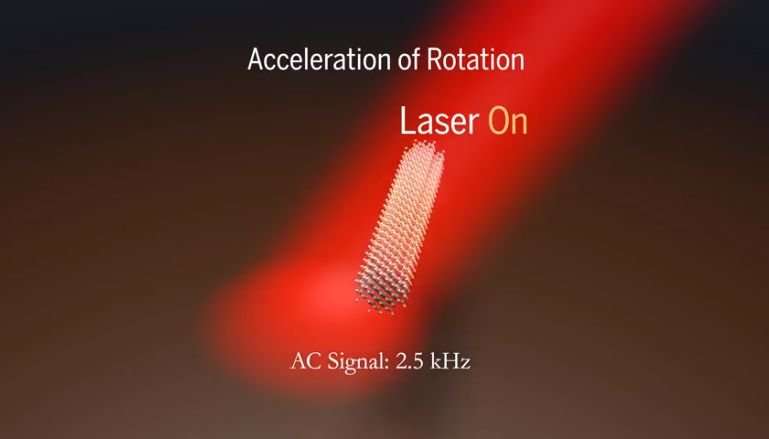
First-Ever Method for Controlling Nanomotors is Developed by UT Engineers
In a breakthrough for nanotechnology, engineers at UT have developed the first method for selecting and switching the mechanical motion of nanomotors.
-

UT Austin Scientists Help NASA With Global Ice-Measuring Satellite
Scientists from UT’s Applied Research Laboratories aid NASA’s latest satellite mission.
-

Business Genius Can Be Taught, Study Says
How did Steve Jobs do it? What about Whole Foods Market and Starbucks? These kinds of “breakout” success stories show what is possible when business leaders imagine into the future rather than re-enacting the past.
-
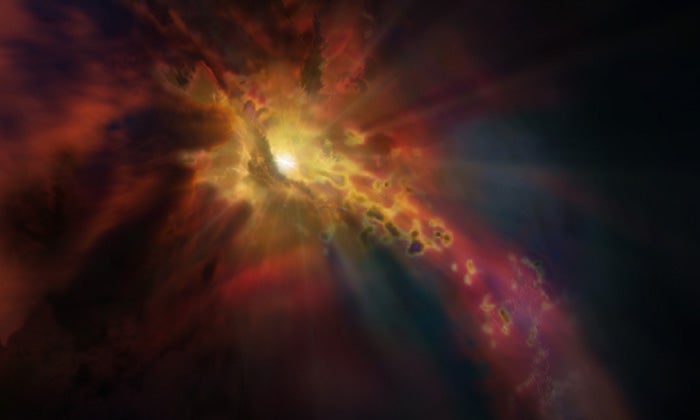
Galactic “Wind” Stifling Star Formation is Most Distant Yet Seen
For the first time, a powerful “wind” of molecules has been detected in a galaxy 12 billion light-years away, showing how the earliest galaxies regulated the birth of stars to keep from blowing themselves apart.
-
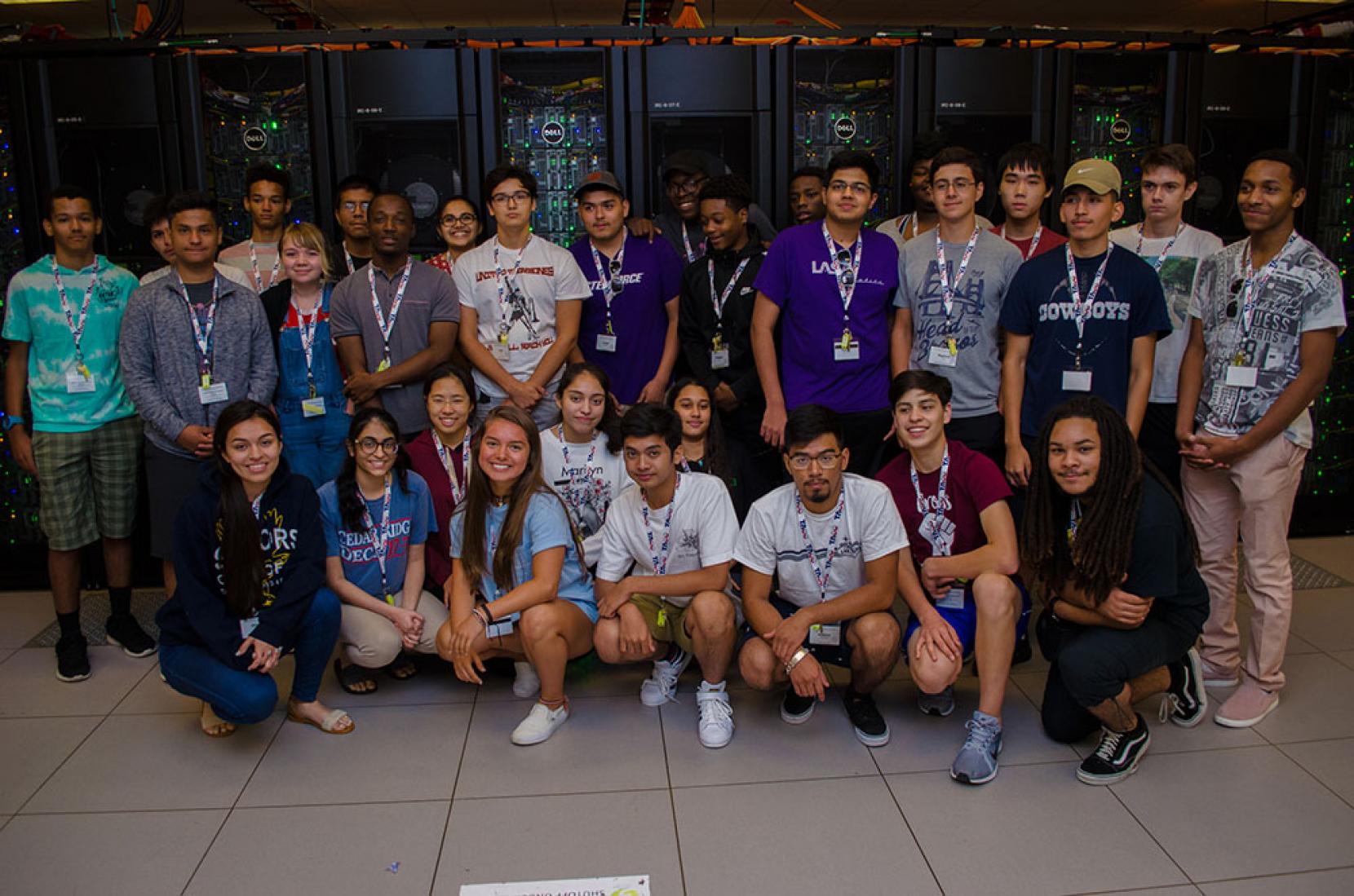
Texas Teens Become Citizen Scientists at UT Coding Camp
100 students came from across Texas to learn to code at UT’s J.J. Pickle Research Campus. They attended camps led by some of the best computer scientists and engineers in the world — most at no cost to them.
Latest News
-

The Brain’s Tug-of-War Between Impulse and Self-Control
-
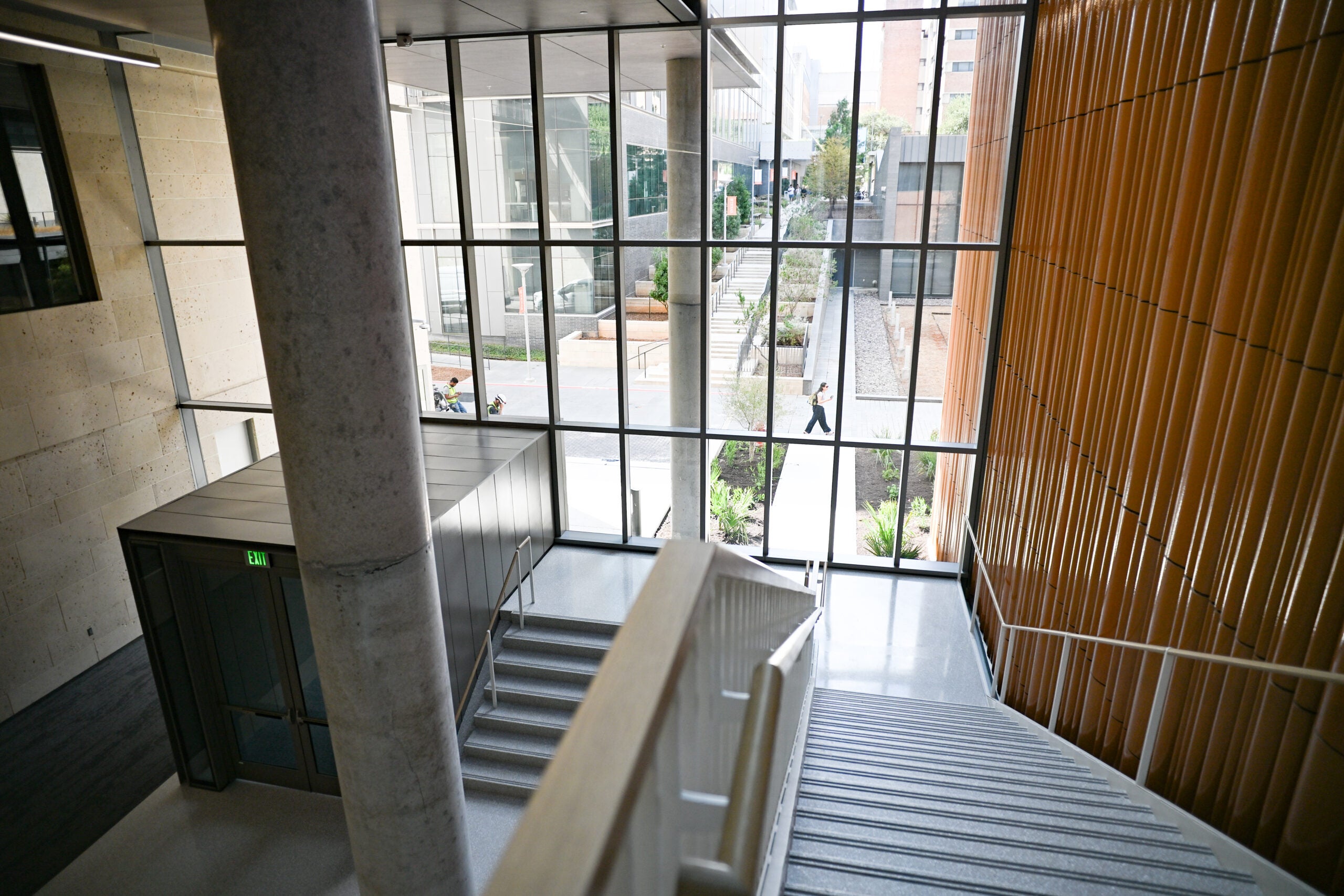
Stephens Greth Foundation Gift Expands Opportunities for West Texas Students and Engineering Innovation at UT Austin
-
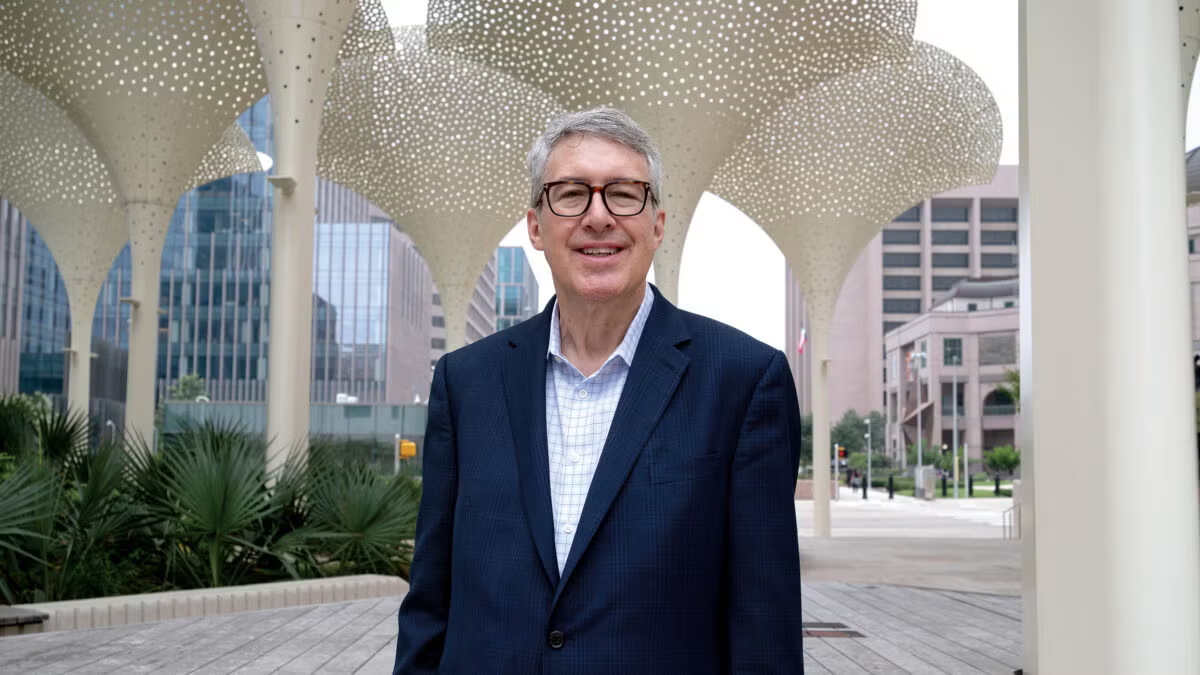 Texas Connect
Development Leaders’ Work With Donors Helps Build the Future of UT
-

Helping Others Linked to Slower Cognitive Decline Among People at Higher Genetic Risk for Alzheimer’s