

Research
-
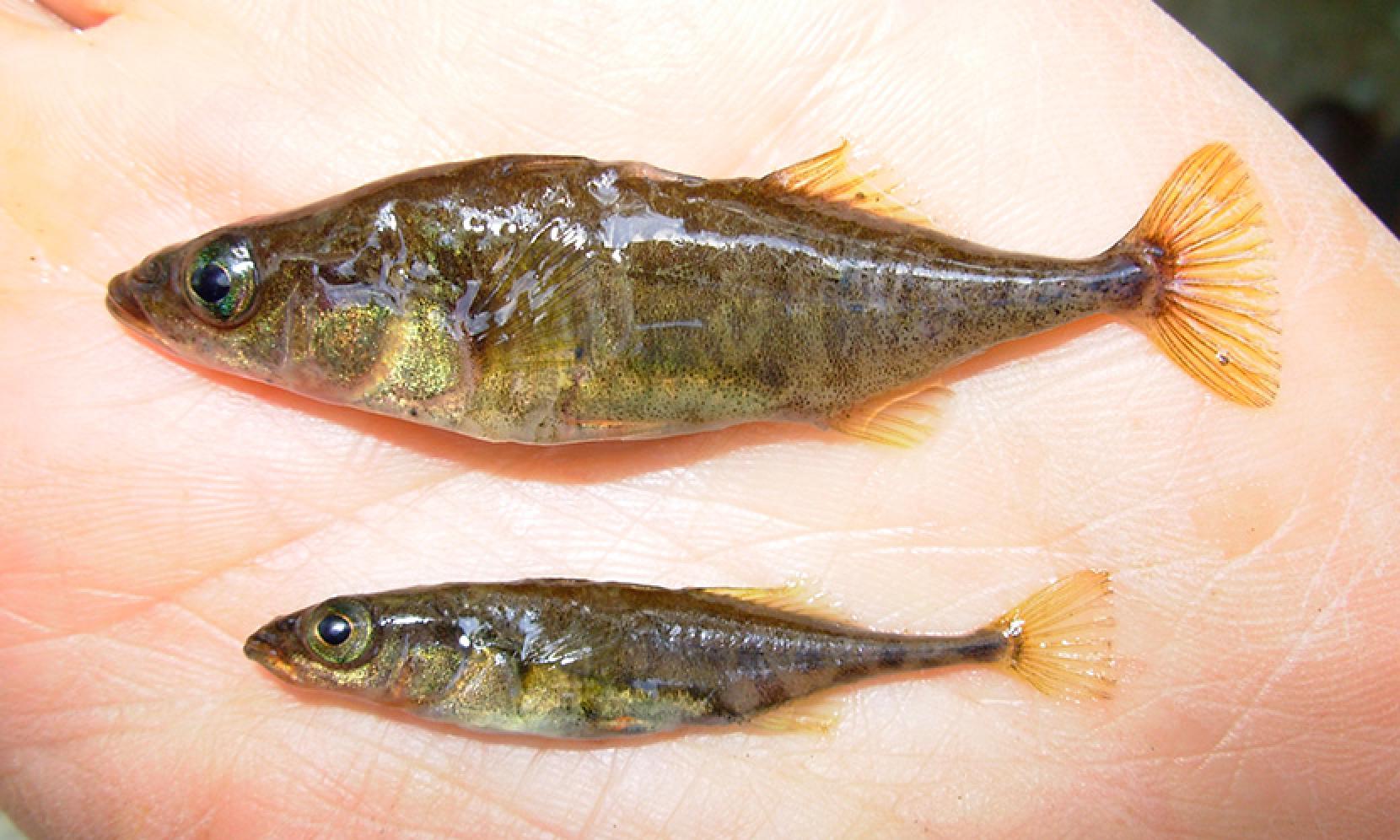
Outnumbered and on Others’ Turf, Misfits Sometimes Thrive
A long-held prediction in evolutionary theory, that misfits are losers, doesn’t always hold.
-

First Step Taken Toward Epigenetically Modified Cotton
New map shows which genes are turned on or off in wild and domesticated cotton, with clues for breeding better cotton varieties.
-

Save the Monarchs: Laura Bush Asks for Help Saving the State Insect of Texas
Former first lady Laura Bush calls for everyone from homeowners to big corporations to join together to help save the state insect of Texas – the monarch butterfly.
-

Do Stars Fall Quietly into Black Holes, or Crash into Something Utterly Unknown?
Astronomers at UT Austin and Harvard have tested a basic principle of black holes, showing that matter completely vanishes when pulled in. Their results constitute another successful test for General Relativity theory.
-
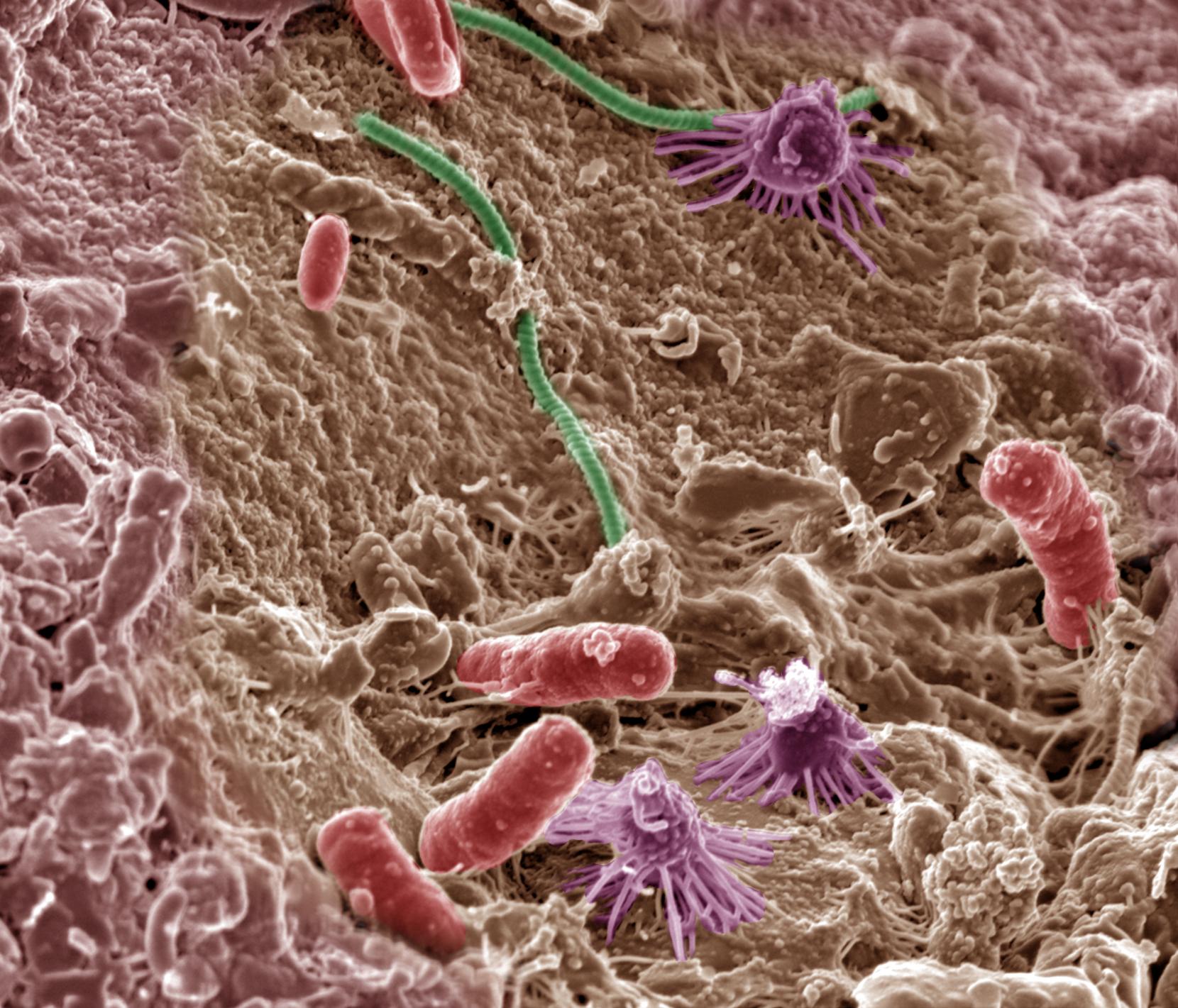
Historical Rainfall Levels Are Significant in Carbon Emissions from Soil
Researchers from UT Austin have found that soil microbes from historically wetter sites emit significantly more carbon than microbes from historically drier regions.
-
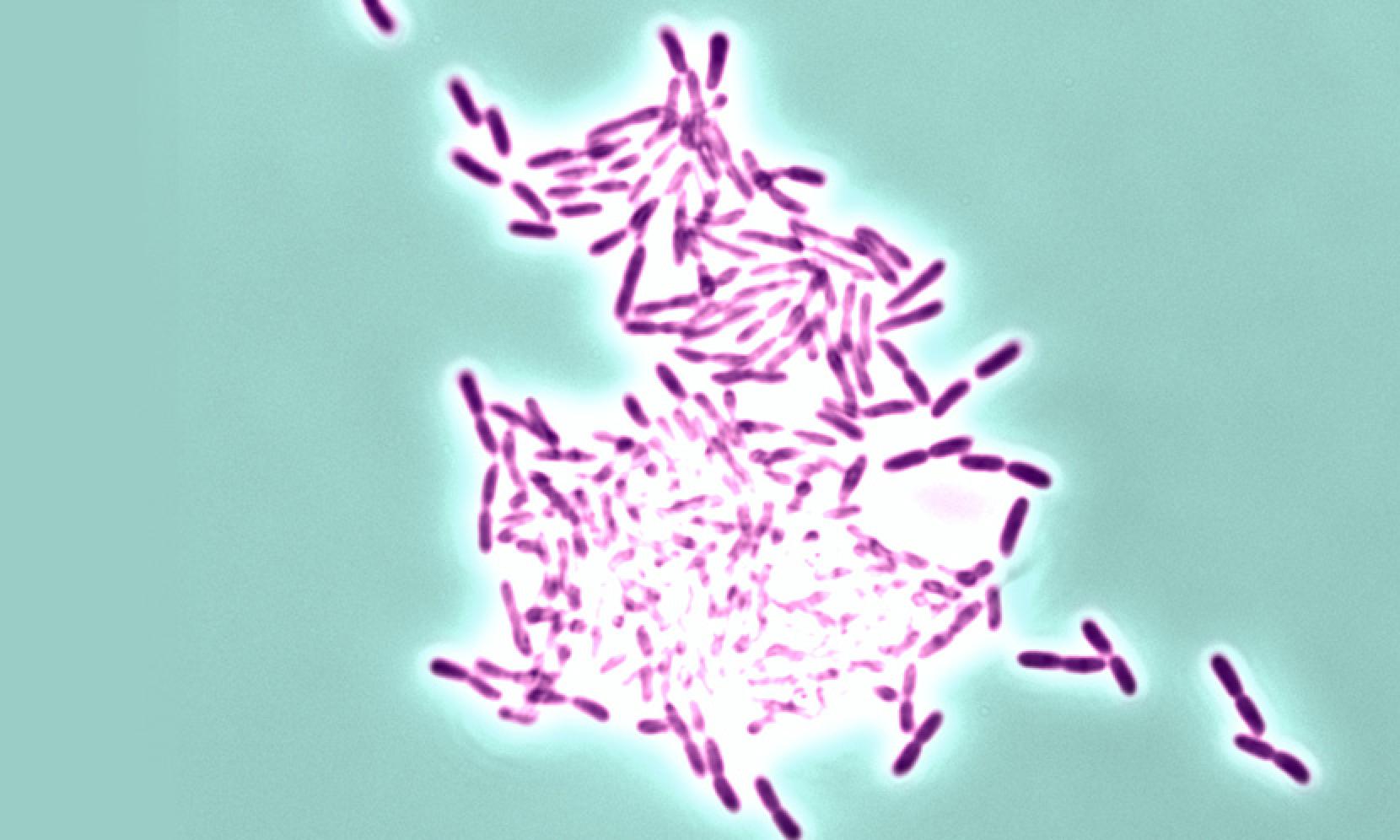
Biofilm Discovery Suggests New Way to Prevent Dangerous Infections
Special coatings on medical devices and hospital surfaces might block dangerous microbial biofilms from forming.
-

8 Tips to Protect Your Identity Beyond the Computer
Identity thieves are on the lookout for human error to make their next move. These eight tips can help keep you from being a victim.
-

MEDIA ADVISORY: UT Austin’s IC² Institute Celebrates 40 Years of Creating Entrepreneurial Wealth in Texas and Globally
Civic leaders and UT Austin celebrate the 40th anniversary of the university’s IC² Institute.
-
Nondigital, Analog Theft is Main Driver in Identity-Related Crimes, New Report Finds
Identity theft through non-digital rather than digitalis the major driver of identity-related crimes, according to new research from the center for Identity at UT Austin.
-

New Radio Program About Our Planet Premieres on Earth Day
The Bureau of Economic Geology at UT Austin will launch a new radio program, “EarthDate” on Earth Day, April 22.
-

Glacier Shape Influences Susceptibility to Thinning
Researchers at The University of Texas at Austin have identified glaciers in West Greenland that are most susceptible to thinning in the coming decades by analyzing how they’re shaped.
Latest News
-
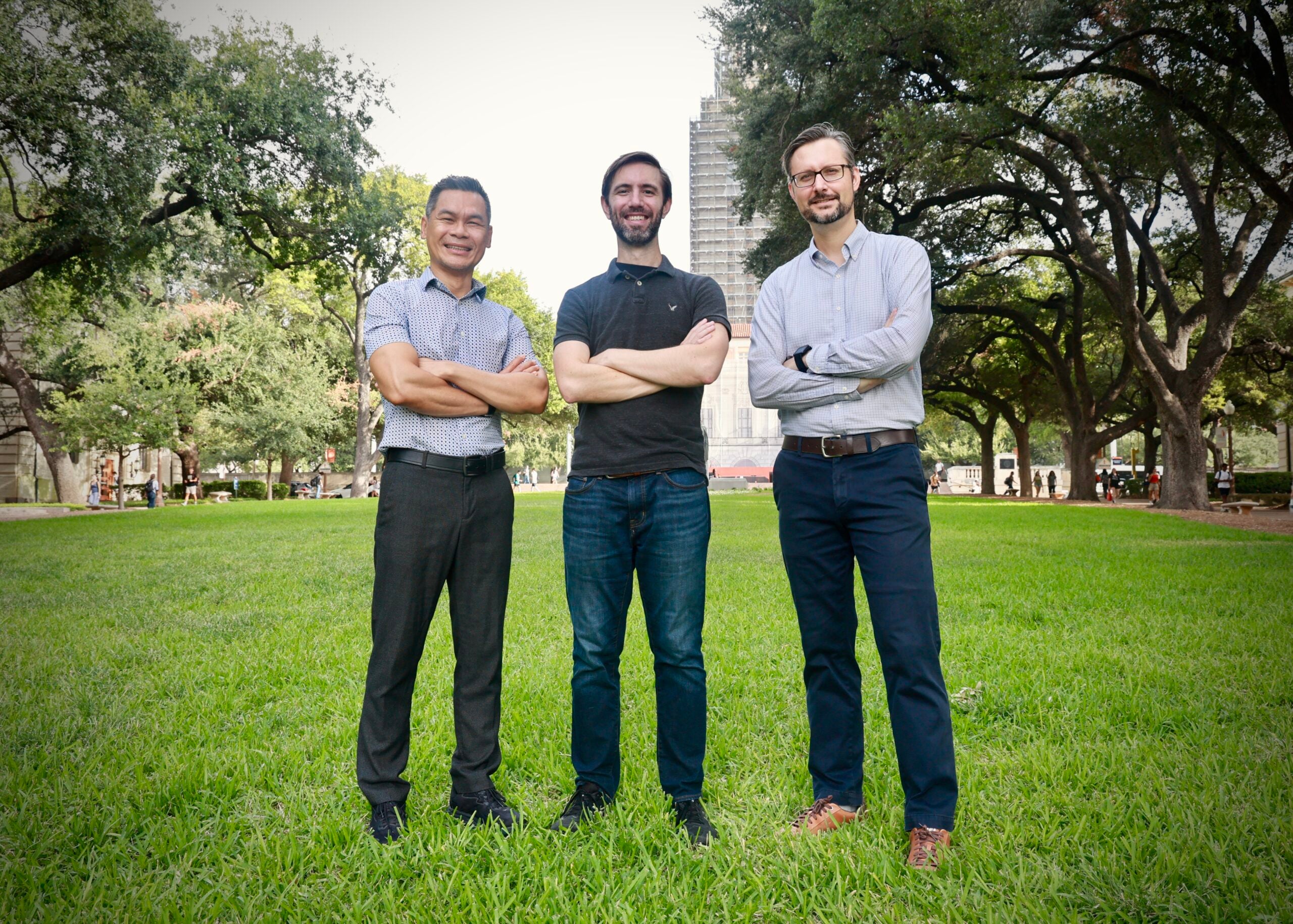
In Brief: UT-Led Fusion Research Team Wins Google.org AI Award
-

The Brain’s Tug-of-War Between Impulse and Self-Control
-

Stephens Greth Foundation Gift Expands Opportunities for West Texas Students and Engineering Innovation at UT Austin
-
 Texas Connect
Development Leaders’ Work With Donors Helps Build the Future of UT