AUSTIN, Texas — Timed to coincide with the 89th Texas Legislature, a coalition of the state’s leading policy institutes has unveiled the Texas Metropolitan Blueprint, an ambitious five-year plan offering actionable strategies in economic development, energy, housing and land use, infrastructure, natural resources, and artificial intelligence (AI) to help policymakers confront challenges tied to the state’s explosive population growth.
The Blueprint is led by the LBJ School of Public Affairs Urban Lab at The University of Texas at Austin, the George W. Bush Institute-SMU Economic Growth Initiative and the Hobby School of Public Affairs at the University of Houston. A bipartisan group of more than 175 leaders from Texas’ business community, government agencies and the nonprofit sector — representing all 26 metropolitan areas — came together to develop research-driven solutions for tackling the state’s growth-related challenges for urban areas.
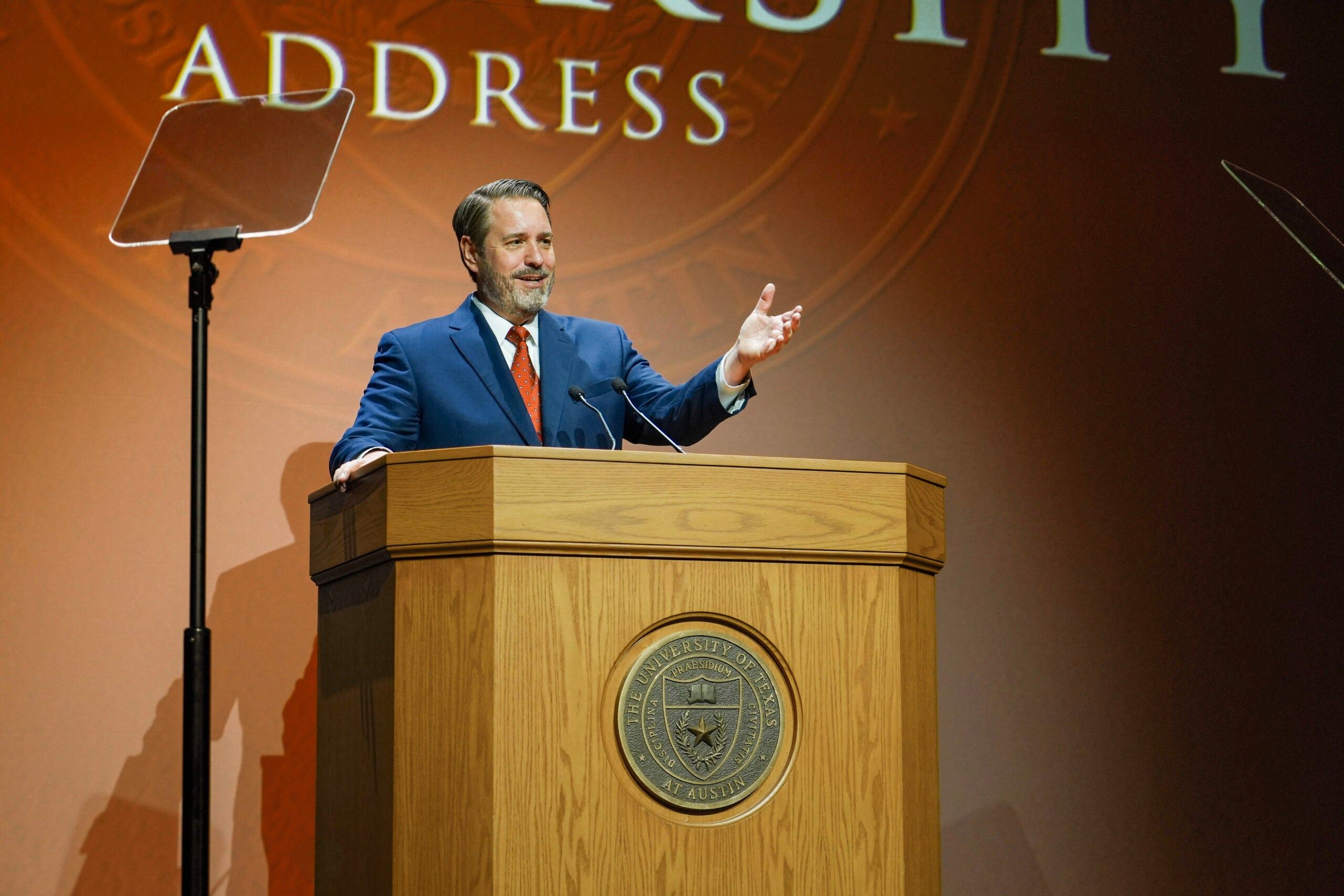
“This collaboration reflects the best of Texas: bold ideas, rigorous research and a shared commitment to keeping our metros as engines of innovation and opportunity,” said Steven Pedigo, faculty director of the LBJ Urban Lab at The University of Texas at Austin. “After 30 years of steady urban population growth, Texas has reached a crossroads, and the decisions we make now will shape the state’s future for generations to come.”
Since 2010, Texas has gained 4 million new residents, and projections indicate another 17 million people will arrive by 2050. While this growth fuels opportunity, it also brings pressing challenges. Outdated land-use policies, rising housing costs, and infrastructure strains — often exacerbated by extreme weather — could threaten the state’s future. Additionally, emerging technologies such as AI and electric vehicles could double energy demand, while workforce and income disparities persist.
With a GDP of $2.6 trillion, Texas ranks among the world’s top 10 economies. A remarkable 90% of that economic output comes from its 26 metropolitan regions, home to nine out of 10 Texans. These metros form the backbone of Texas’ economic engine. For example:
- San Antonio is emerging as a leader in bioscience, aerospace and health care.
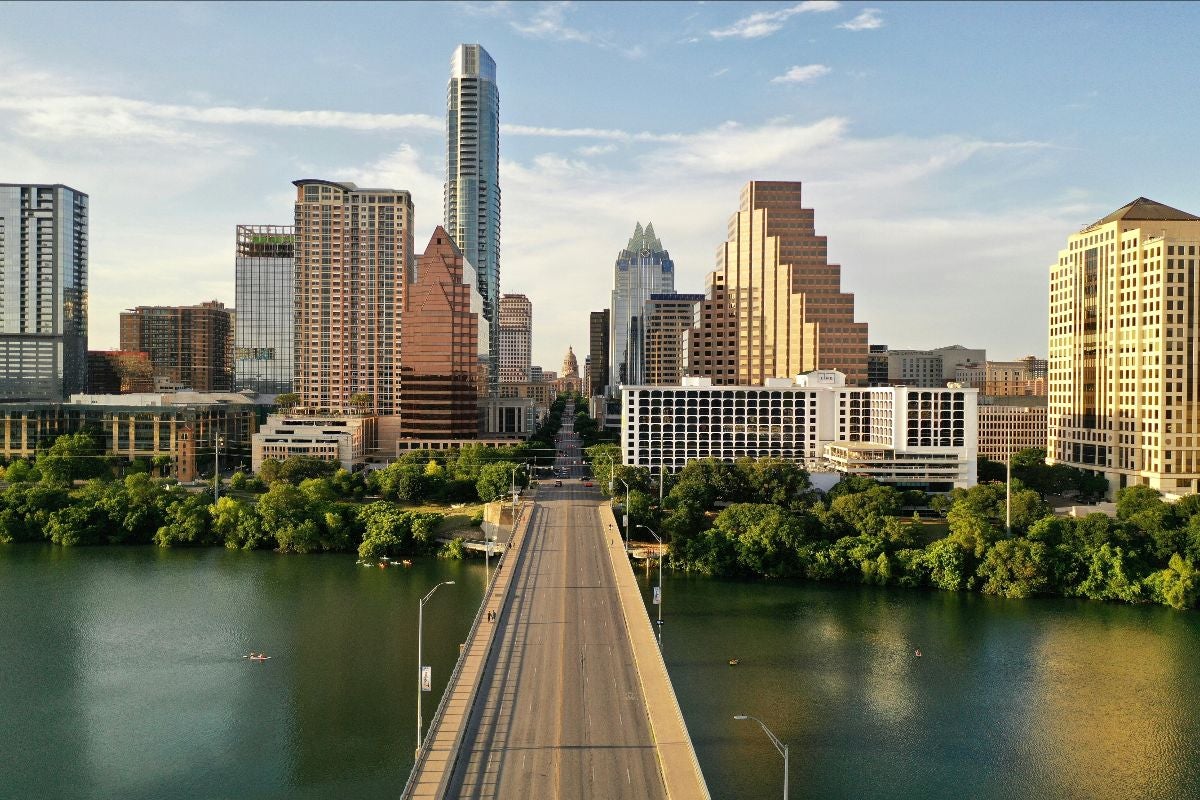
- Austin stands at the forefront of technology and AI development.
- El Paso has established one of the world’s strongest binational economies.
- Dallas-Fort Worth is redefining corporate real estate and logistics.
- Houston and the Permian Basin drive U.S. oil production, while Texas leads the nation in clean energy, including wind, solar, hydrogen and battery storage.
“The Texas Metro Blueprint not only outlines strategies and policies for state, local and business leaders to consider, but also delivers an action-oriented playbook with clear steps and priorities, said Pablo Pinto, director of the Center for Public Policy at the University of Houston’s Hobby School of Public Affairs. “By advancing this plan, we can position Texas metros as leaders in economic and social innovation — both today and in the future.”
The Texas Metropolitan Blueprint outlines 27 recommendations guided by the following core principles:
- Support Local Innovation and End Preemption. Empower communities to prioritize and fund initiatives that align with their unique, local needs versus seeking one-size-fits-all solutions across the state.
- Invest in Infrastructure and Affordable Housing: Strengthen critical infrastructure — water, energy and broadband — and address housing affordability to sustain long-term prosperity.
- Focus on Homegrown Talent-Driven Growth. Shift from recruiting talent from other states to developing homegrown human capital through higher education apprenticeships, skills-based certifications, and fast-tracked STEM doctorates.
- Fully Engage the Private Sector, Nonprofits and Foundations To Solve Texas’ Biggest Challenges. Foster collaboration among businesses, nonprofits and foundations to address challenges such as affordability and resource scarcity.
- Unleash the Market To Create More Opportunities for More Texans. Remove barriers to entrepreneurship and small-business growth. With 3.1 million small businesses in Texas, this sector holds immense potential for economic expansion.
- Leverage Global Challenges. With its existing assets in energy, biotechnology and aerospace, and its international border (Texas exports more than any other state), Texas is uniquely positioned to transform global challenges into local opportunities.
By emphasizing cross-sector collaboration, inclusivity and sustainability, the Texas Metro Blueprint’s recommendations help ensure that metropolitan areas in the Lone Star State will remain dynamic and resilient as hubs of economic growth and opportunity for all Texans.
“Texas’ future hinges on the success of its metros,” said J.H. Cullum Clark, director of the Bush Institute-SMU Economic Growth Initiative. “This Blueprint unites diverse voices and actionable solutions to strengthen our workforce, enhance infrastructure, and prepare for tomorrow’s challenges.”
To access the full 2025 Texas Metropolitan Blueprint, please visit: https://repositories.lib.utexas.edu/items/03a5db10-c88a-485c-9e3b-d89ad23f6cee