

Research
-
Experts Call for Federal Government to Increase Breast Cancer Prevention Efforts
The federal government needs to make breast cancer prevention a priority and place funding for prevention at the same level as other types of research, says a new sweeping report issued today by scientists and breast cancer experts.
-
Goodenough, Bard Win National Medals of Science
President Obama awarded medals to not one but TWO University of Texas at Austin scientists! The tower will be lit Feb. 12 in their honor. Learn more.
-
Nine Massive Open Online Courses to be Offered by The University of Texas at Austin
Students around the globe will have the opportunity to participate in nine dynamic massive open online courses (MOOCs) to be offered by The University of Texas at Austin during the 2013-14 academic year.
-
Two University of Texas Engineering Professors and Two Alumni Elected to National Academy of Engineering
The National Academy of Engineering (NAE) announced today that two professors and two alumni from the Cockrell School of Engineering at The University of Texas at Austin have been elected to the prestigious academy.
-
Provost Appoints Interim Director to Lead Energy Institute
Professor Thomas F. Edgar, a chemical engineer with extensive teaching, administrative, research and industry experience, has been named interim director of the Energy Institute at The University of Texas at Austin.
-
SXSW Interactive Preview: Space Exploration featuring Richard Garriott
Event: The Austin Forum on Science, Technology and Society will host a SXSW Interactive preview: “Space Exploration with Richard Garriott.” When: 5:45 p.m., Tuesday, Feb. 5. This event is free and open to the public.
-
The University of Texas at Austin Wins First Place in National Nanosatellite Competition
The University of Texas at Austin’s Satellite Design Lab has won first place in the national University Nanosatellite Program competition for designing and building a small satellite called ARMADILLO.
-
ARMADILLO Wins National Satellite Prize
The winning team from the university’s Satellite Design Lab will be honored Feb. 4 with a tower lighting. Their satellite, ARMADILLO, will launch in 2014 or 2015.
-
Advertising Professors Rate Super Bowl Ads
Sharing their expertise, advertising professors live-tweeted opinions of Super Bowl ads during the big game, joining millions in an online conversation. #SBAdJudge
-
Former Education Secretary William Bennett to Discuss Education Policy at UT Austin
William Bennett will discuss “Education Policy and the American Future” at a public lecture sponsored by the College of Liberal Arts and the Lyndon B. Johnson School of Public Affairs at The University of Texas at Austin. When: 4 p.m., Monday, Feb. 4
-
Aztec Conquest Altered Genetics among Early Mexico Inhabitants, New DNA Study Shows
For centuries, the fate of the original Otomí inhabitants of Xaltocan, the capital of a pre-Aztec Mexican city-state, has remained unknown. Researchers have long wondered whether they assimilated with the Aztecs or abandoned the town altogether.
-
McCombs Team Wins FanTAXtic Victory
The UT Tower will be lit Wednesday to celebrate a victory in the Deloitte FanTAXtic Case Competition. In winning, the McCombs School of Business team defeated the defending champion.
Latest News
-
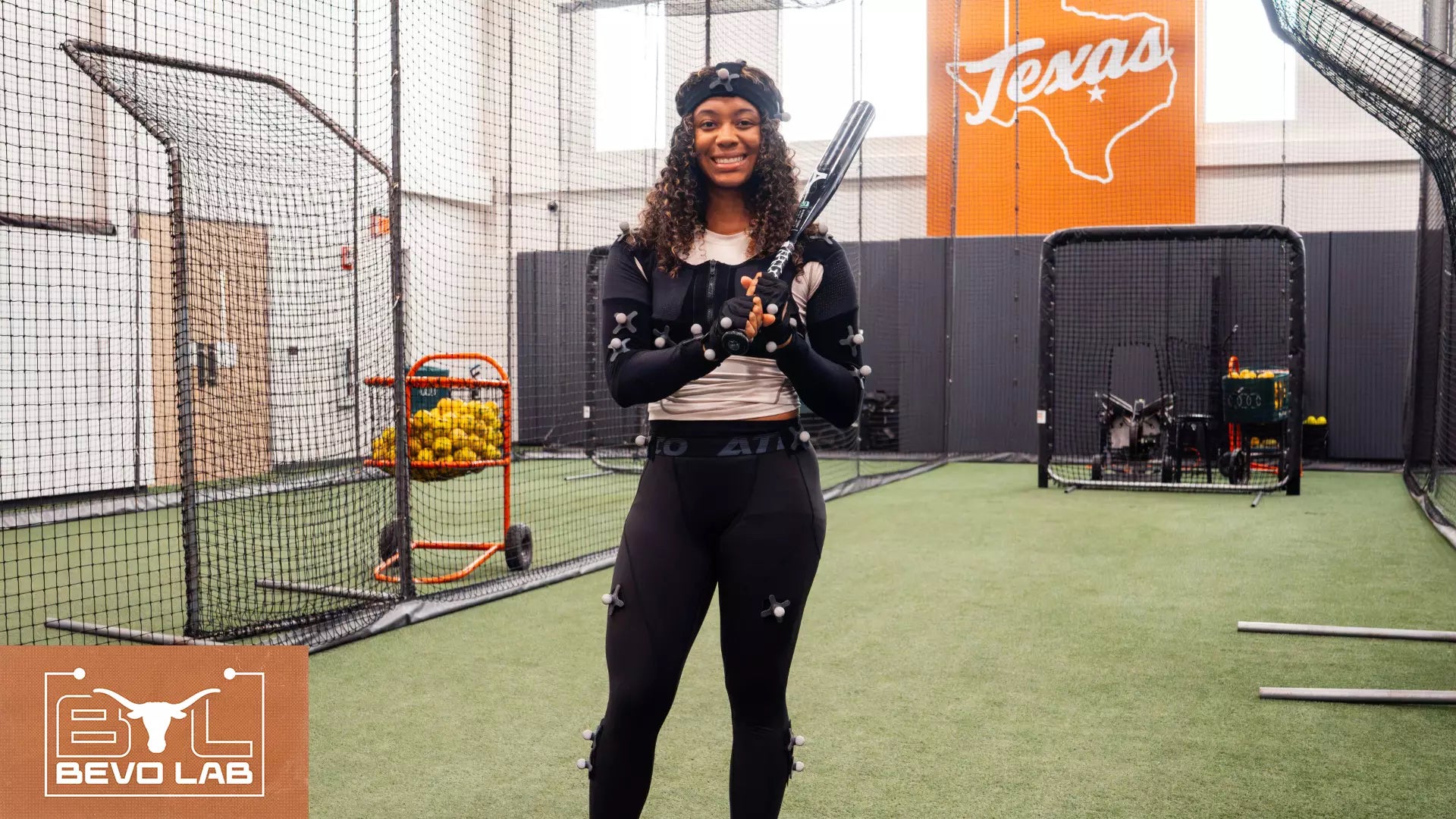 Texas Athletics
Bevo Lab Opens as New Hub for Sports, AI and Analytics
-
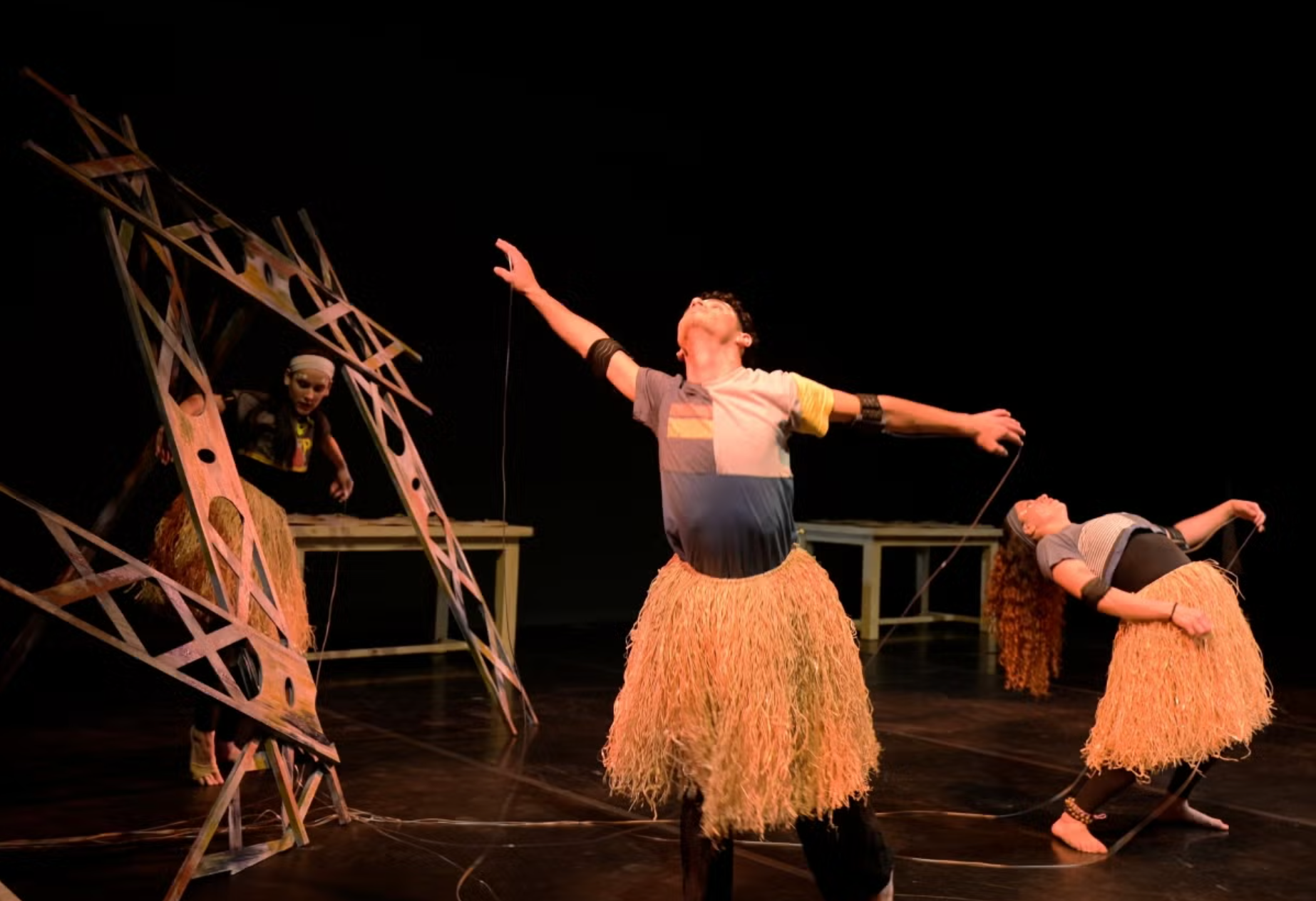
In Brief: Research Award Advances AI Project Exploring Human Movement as Language
-
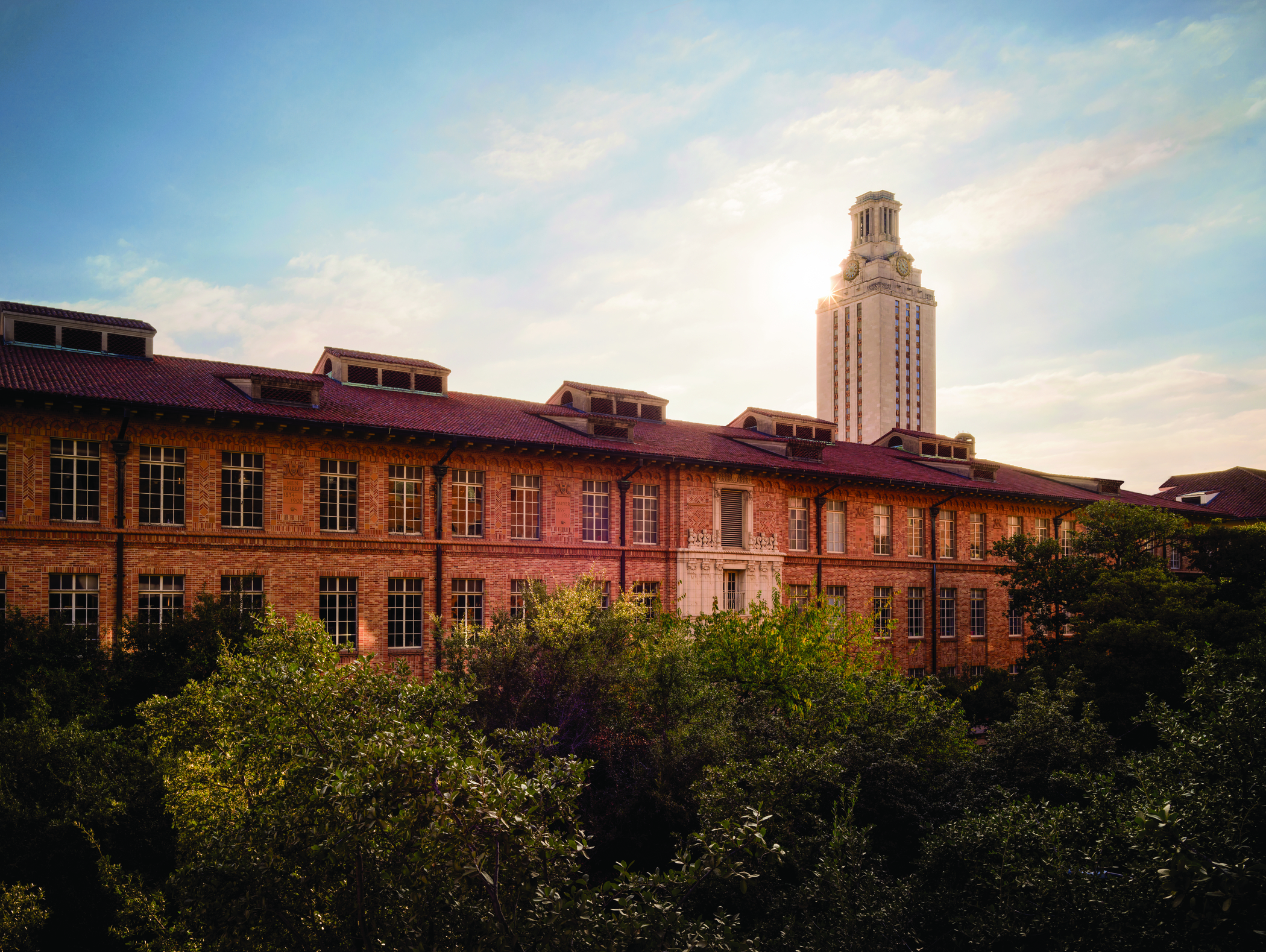
UT Establishes ‘University College’ To Anchor New Core Curriculum, Names Founding Dean
-
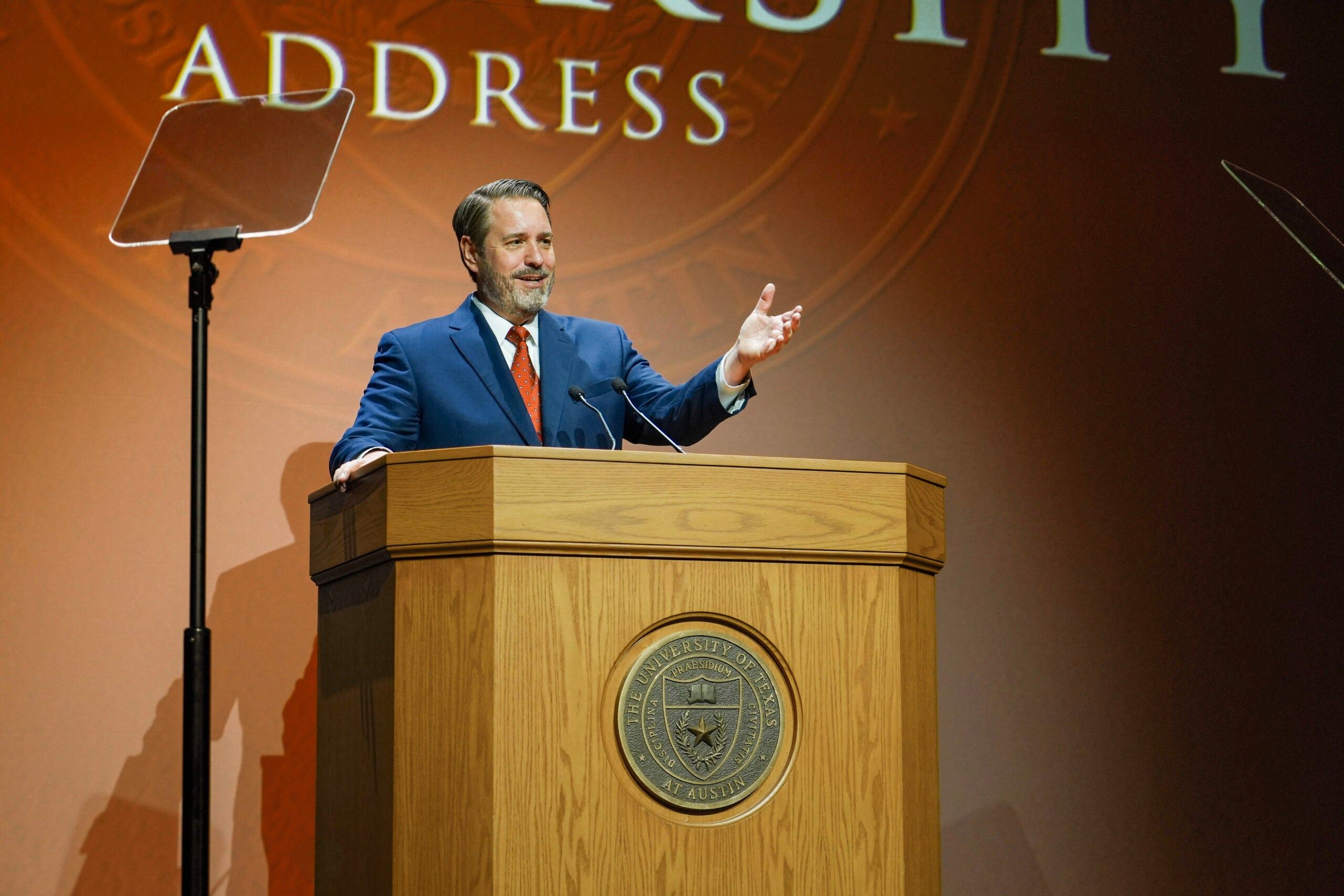
In Annual State of the University Address, President Davis Highlights Position of Strength and Future Plans in Healthcare, Research and Undergraduate Education