

Research
-
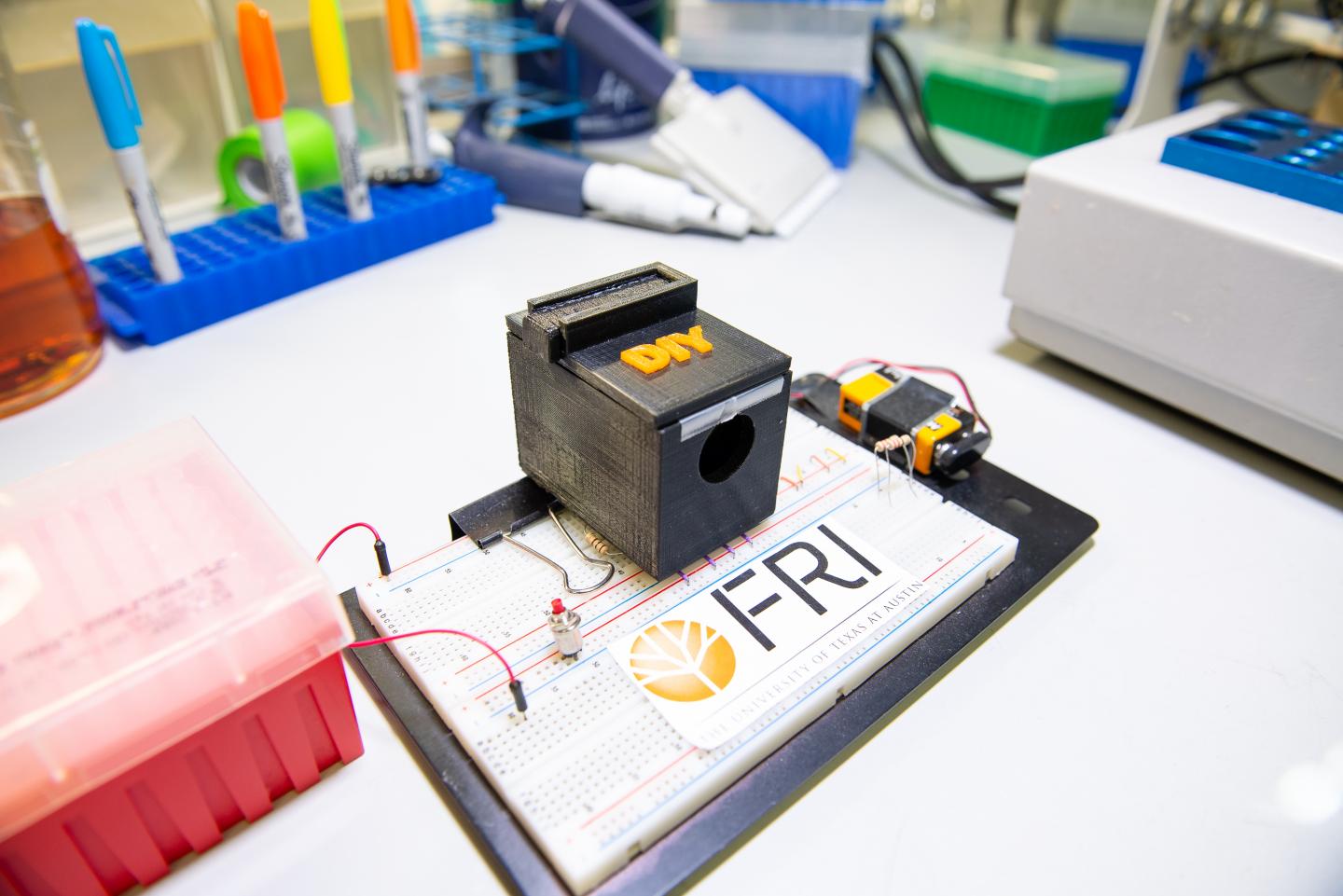
Simple Test Detects Disease-Carrying Mosquitoes, Presence of Biopesticide
A new diagnostic tool can quickly and cheaply identify whether a mosquito belongs to the species that carries dangerous diseases such as Zika virus, dengue, chikungunya or yellow fever.
-
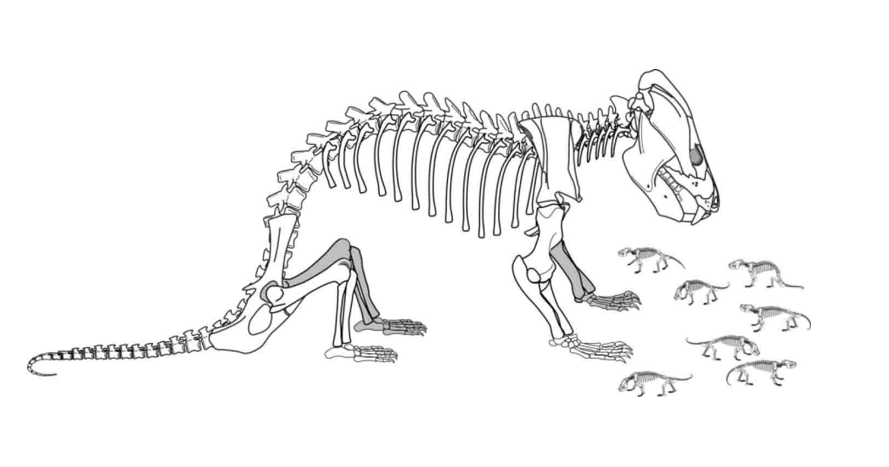
Mammal Forerunner that Reproduced Like a Reptile Sheds Light on Brain Evolution
A newly described fossil of an extinct mammal relative — and her 38 babies — is among the best evidence that a key development in the evolution of mammals was trading brood power for brain power.
-
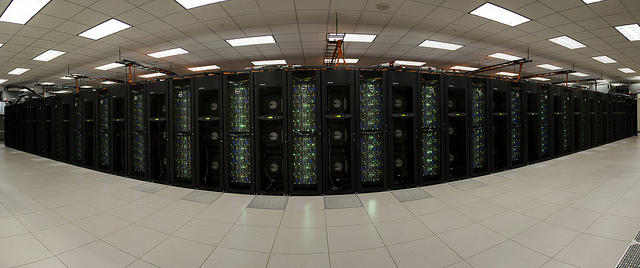
New Texas Supercomputer to Push the Frontiers of Science
The National Science Foundation awards $60 million to the Texas Advanced Computing Center to build a new supercomputer that will be the fastest at any U.S. university and among the most powerful in the world.
-
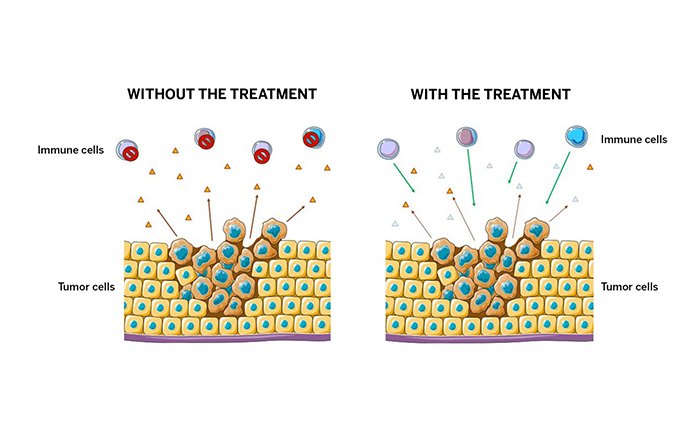
New Cancer Treatment Uses Enzymes to Boost Immune System and Fight Back
Researchers at The University of Texas at Austin have developed a new approach to treating cancer using enzyme therapy.
-
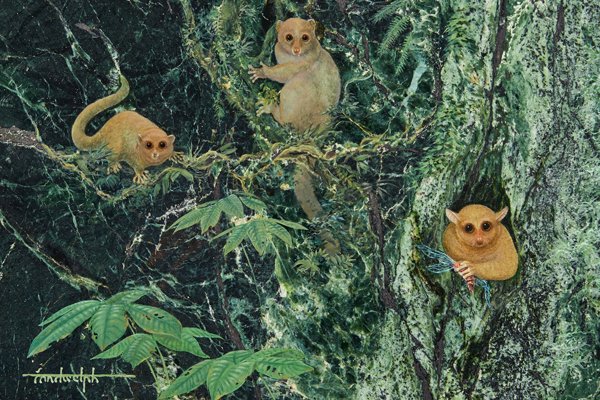
Three Previously Unknown Ancient Primates Identified
UT Austin biological anthropologists have described three new species of fossil primates that were previously unknown to science.
-

Human Trafficking in Harvey’s Wake: UT Study Aims to Disrupt Supply Networks
Scientists with UT Austin are receiving a National Science Foundation grant to explore ways to disrupt human trafficking supply chains related to Hurricane Harvey reconstruction efforts.
-
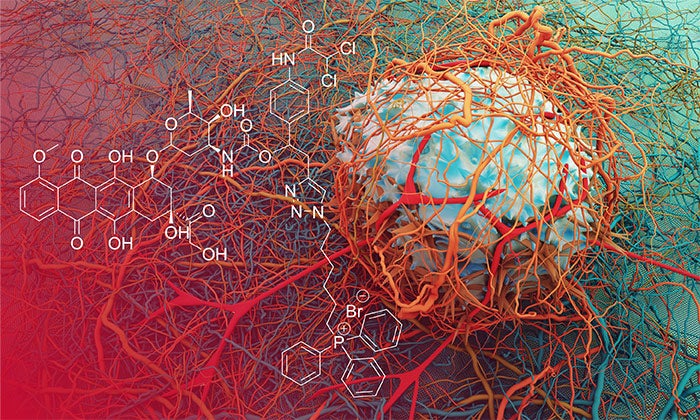
Making Cancer’s Metabolism More Normal Blocks Drug Resistance
A new combination of existing drugs shows promise that it could reduce the size of cancerous tumors much more effectively than current treatments.
-

Air Pollution Reduces Global Life Expectancy by More Than One Year, Study Finds
Air pollution shortens human lives by more than a year, according to a new study led by engineers at UT Austin.
-
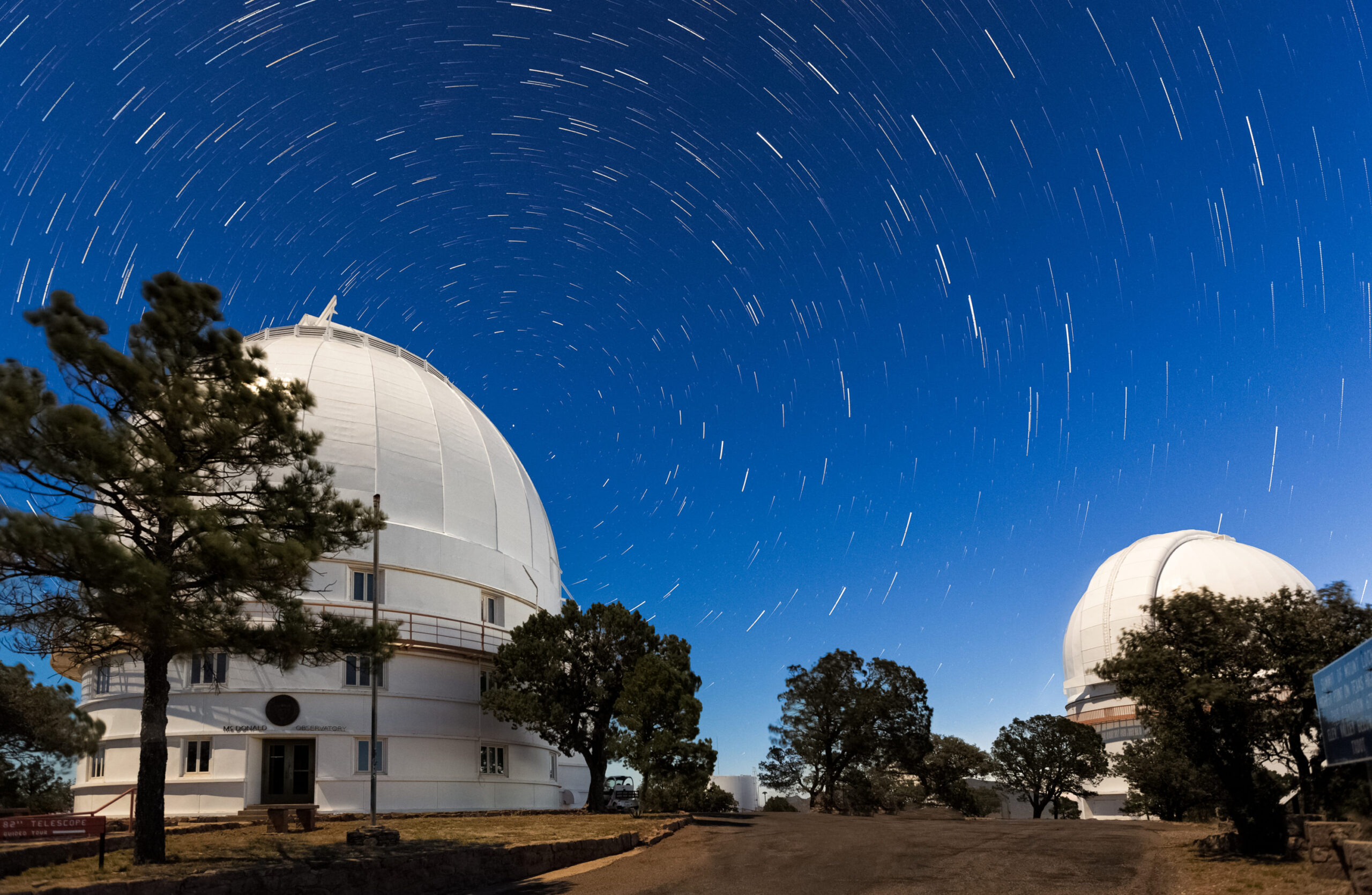
New Geodetic Observatory Coming to UT Austin’s McDonald Observatory
A new scientific facility is under construction at McDonald Observatory that will help scientists better understand Earth and could help minimize the effects of earthquakes and other natural disasters.
-
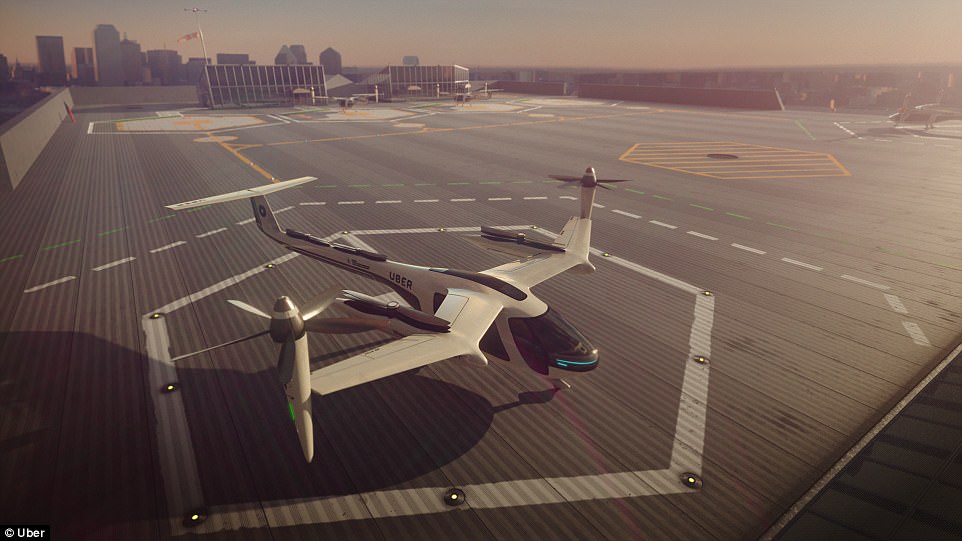
UT Works with Uber and Army Research Labs on New uberAIR Program
Researchers in the Cockrell School of Engineering will work with the U.S. Army Research Labs and Uber Elevate to help develop new rotor technology for vehicles in Uber’s new uberAIR program.

Latest News
-

The Brain’s Tug-of-War Between Impulse and Self-Control
-
Stephens Greth Foundation Gift Expands Opportunities for West Texas Students and Engineering Innovation at UT Austin
-
 Texas Connect
Development Leaders’ Work With Donors Helps Build the Future of UT
-

Helping Others Linked to Slower Cognitive Decline Among People at Higher Genetic Risk for Alzheimer’s