

Research
-

UT Austin Ranks No. 10 Among U.S. Universities for Scientific Research in Nature Index
The latest Nature Index supplement ranks UT Austin No. 10 for scientific research.
-

Are Facebook and Google monopolies?
Figuring out what Washington should do about the huge concentration of power in Silicon Valley is not easy. A law professor explains how antitrust law and economics works.
-

Intensifying Winds Could Increase East Antarctica’s Contribution to Sea Level Rise
Research led by The University of Texas at Austin has found that wind is responsible for bringing warm water to Totten’s underbelly, causing the glacier to melt from below.
-
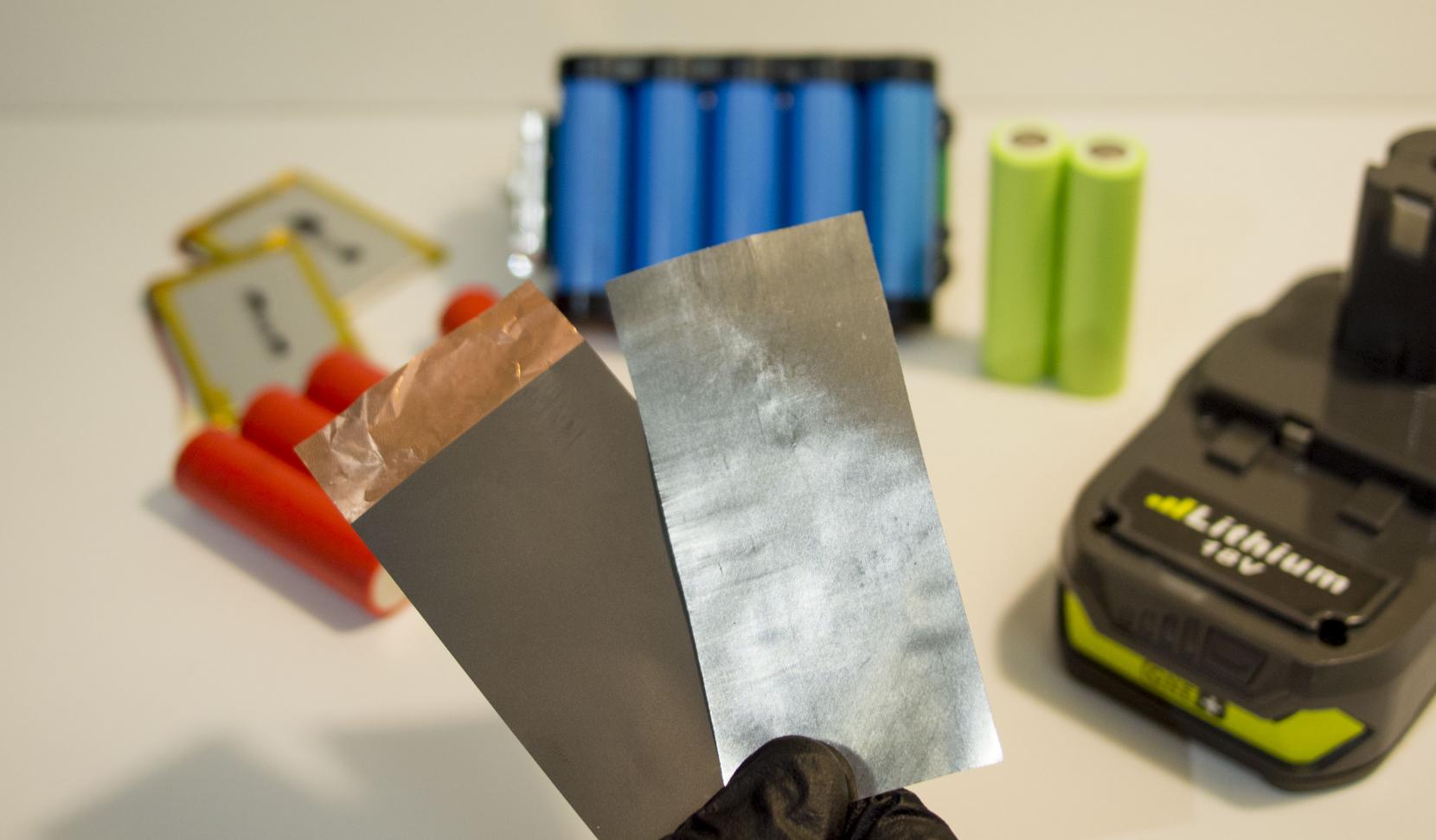
Texas Engineers Develop New Material for Better Lithium-Ion Batteries
New family of anode materials can double the charge capacity of lithium-ion battery anodes.
-

Warning: This Research Might Give You Goosebumps
The season for spooks and scares is here, and faculty members across campus are contributing their share of spooky research and findings.
-
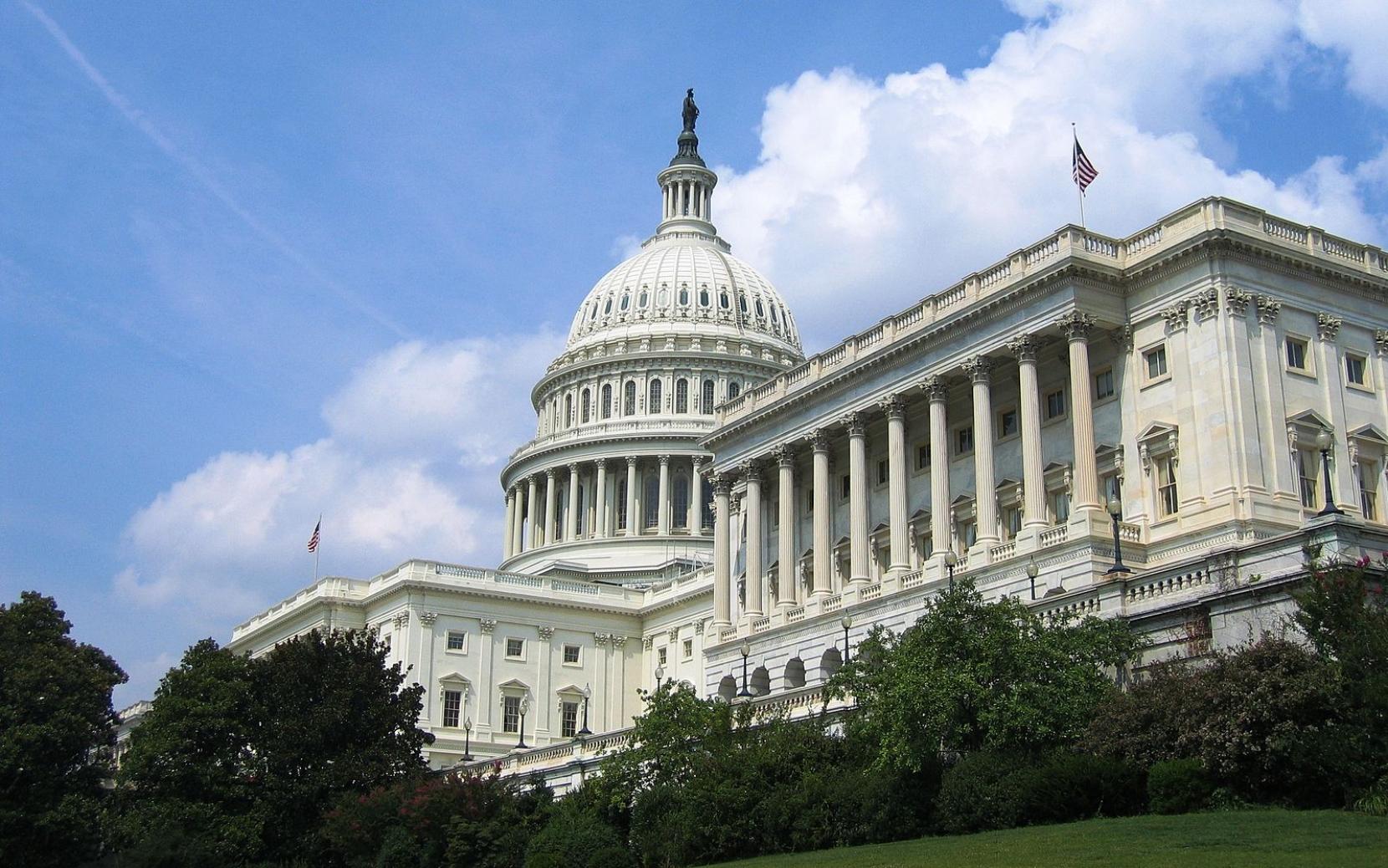
Distrust of Washington and News Media Grows Since 2016 Election
More Americans not only distrust the federal government, but also distrust the news media since the 2016 election.
-

UT/TT Poll: Texans Positively React to Public’s Response to Hurricane Harvey, Divided on Influence of Climate Change on Storm’s Severity
In the wake of Hurricane Harvey’s devastating floods across southeast Texas, Texans give especially high marks to neighbors and fellow Texans for responding to the crisis.
-

UT/TT Poll: Texans Remain Divided on Trump’s Job Performance but Approve of His Handling of Harvey
Texas voters remain divided on his job performance, but give him high marks for his handling of Hurricane Harvey.
-

Securities and Exchange Commission Conference Coming to UT Austin
The Securities and Exchange Commission is partnering with the Herb Kelleher Center for Entrepreneurship, Growth and Renewal at the McCombs School of Business to bring policy dialogue to Austin.
-
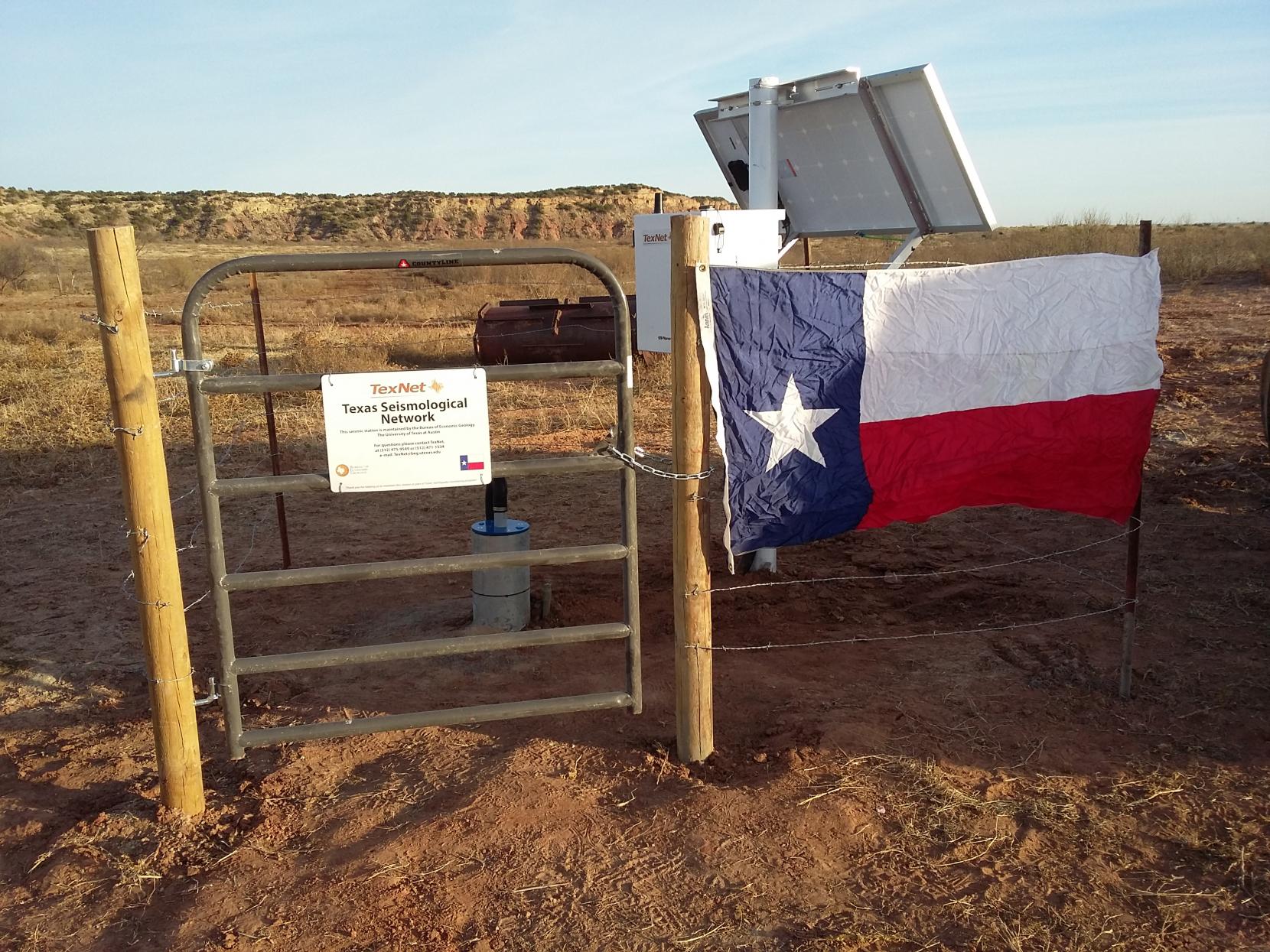
Track Tremors Across Texas With New Website
The Bureau of Economic Geology has finished installing the state’s earthquake monitoring network and completed an interactive website where the public can follow seismic activity in real time.
-

To Drive or Not to Drive?
A new website from UT’s Energy Institute can help consumers decide: Should I own a vehicle or commute using ridesharing services?
Latest News
-
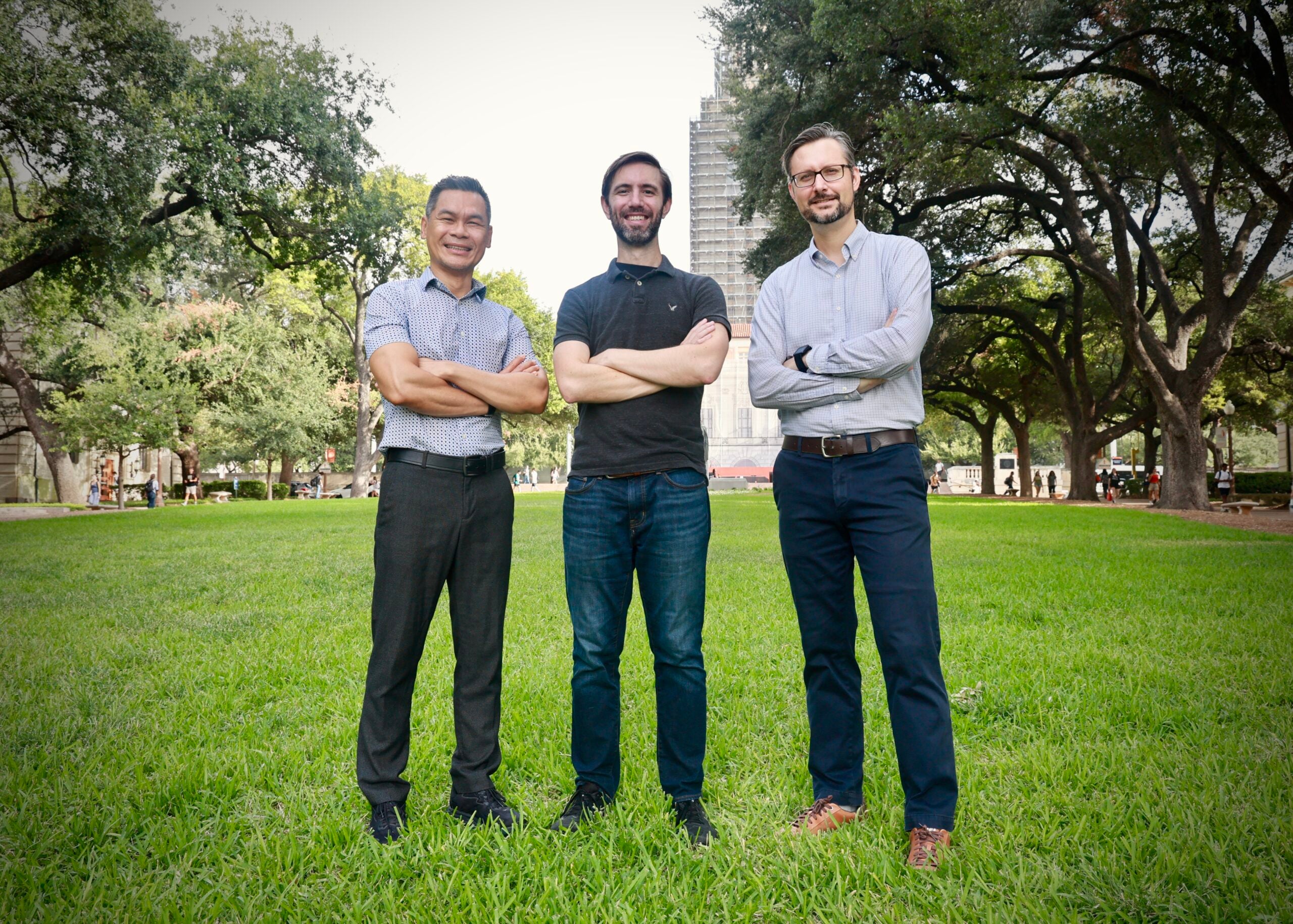
In Brief: UT-Led Fusion Research Team Wins Google.org AI Award
-

The Brain’s Tug-of-War Between Impulse and Self-Control
-
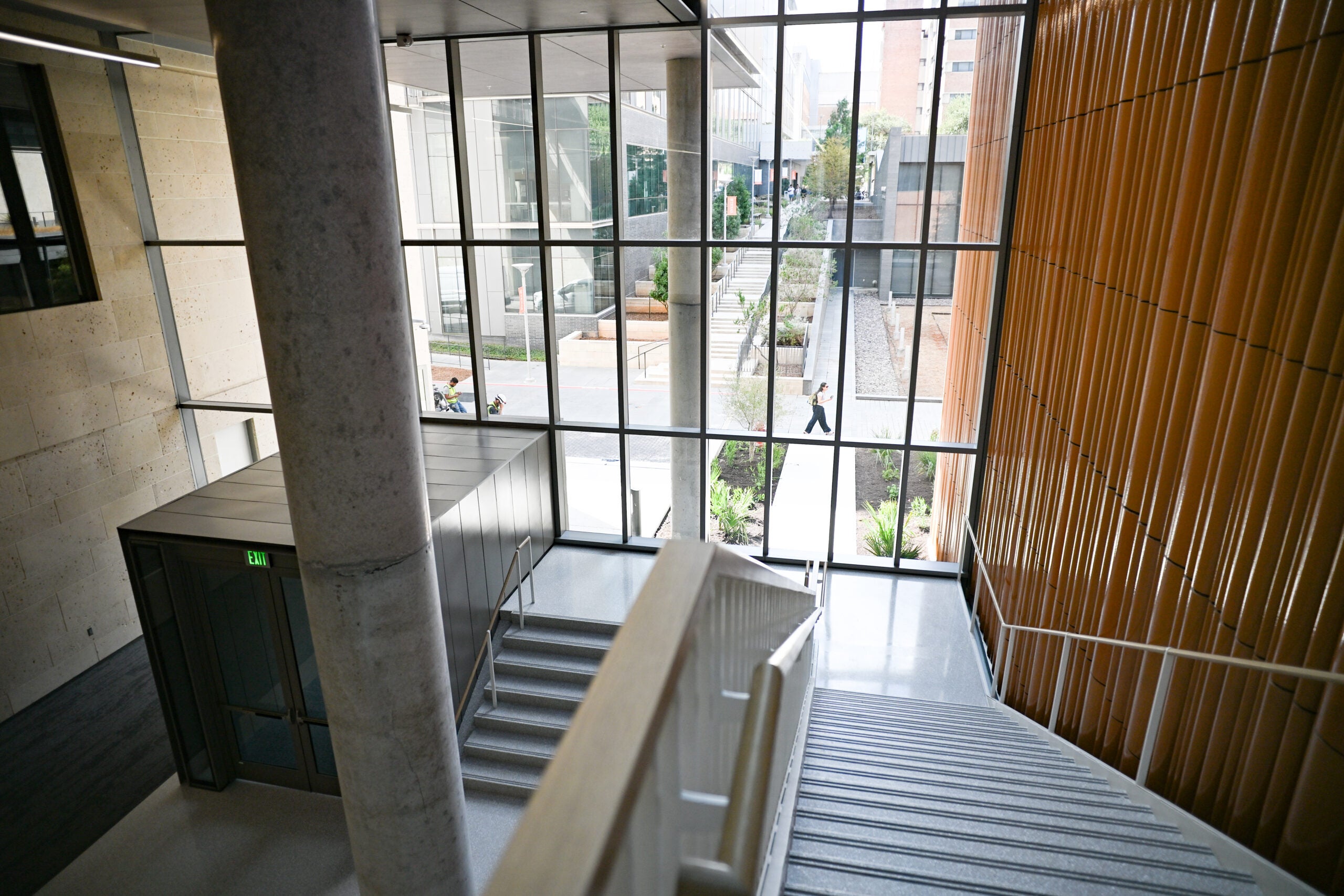
Stephens Greth Foundation Gift Expands Opportunities for West Texas Students and Engineering Innovation at UT Austin
-
 Texas Connect
Development Leaders’ Work With Donors Helps Build the Future of UT