

Research
-
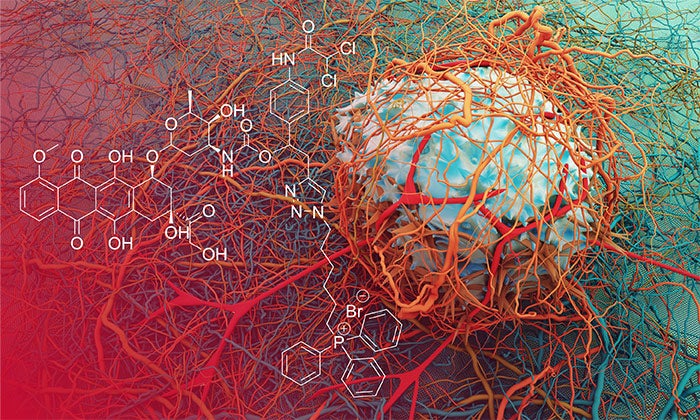
Making Cancer’s Metabolism More Normal Blocks Drug Resistance
A new combination of existing drugs shows promise that it could reduce the size of cancerous tumors much more effectively than current treatments.
-

Air Pollution Reduces Global Life Expectancy by More Than One Year, Study Finds
Air pollution shortens human lives by more than a year, according to a new study led by engineers at UT Austin.
-

New Geodetic Observatory Coming to UT Austin’s McDonald Observatory
A new scientific facility is under construction at McDonald Observatory that will help scientists better understand Earth and could help minimize the effects of earthquakes and other natural disasters.
-

UT Works with Uber and Army Research Labs on New uberAIR Program
Researchers in the Cockrell School of Engineering will work with the U.S. Army Research Labs and Uber Elevate to help develop new rotor technology for vehicles in Uber’s new uberAIR program.
-
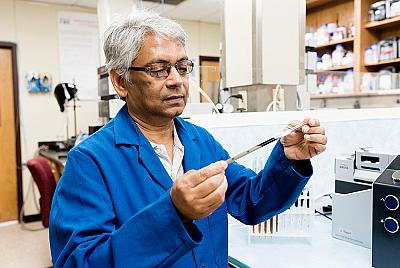
UT Researchers to Play Role in Energizing India
UT Engineers and India’s national oil company collaborate in novel energy recovery technique
-
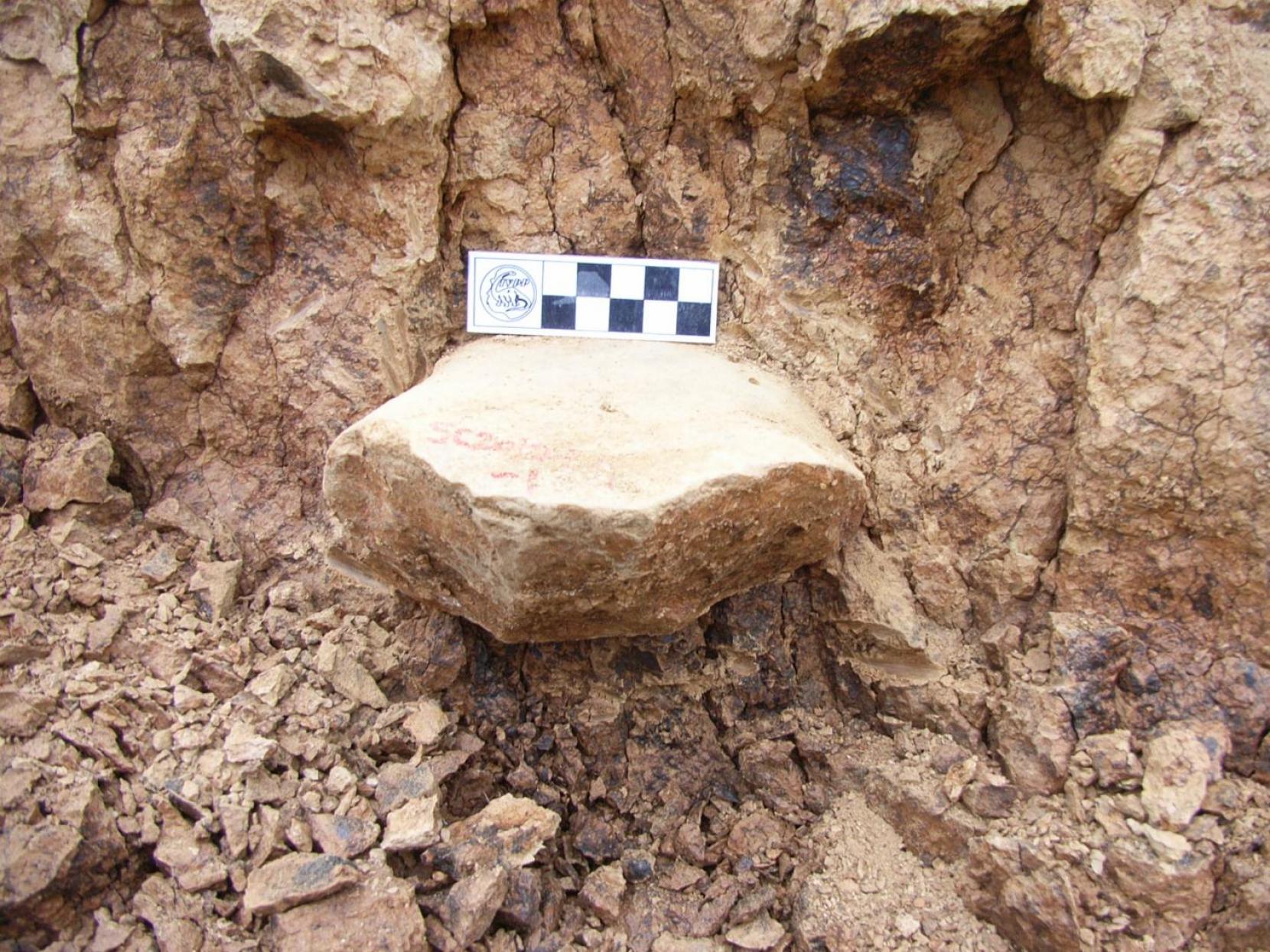
When and Why Did Our Human Ancestors First Leave Africa?
A new discovery in China may help bridge the gap between where humans began and where they are today.
-

Empathetic Police Are Less Effective in the Face of Public Criticism, Study Says
Police officers who endorse an empathetic approach to criminal justice do not perform as well when they sense they are underappreciated, according to new research from The University of Texas at Austin.
-

Family Separations, Guns and Elections: How Do Texas Voters Really Feel?
In the latest edition of the UT/TT Poll, Texas voters weigh in on some of the nation’s most contentious issues — border detention centers, school shootings, NAFTA — and offer insight into the upcoming elections.
-
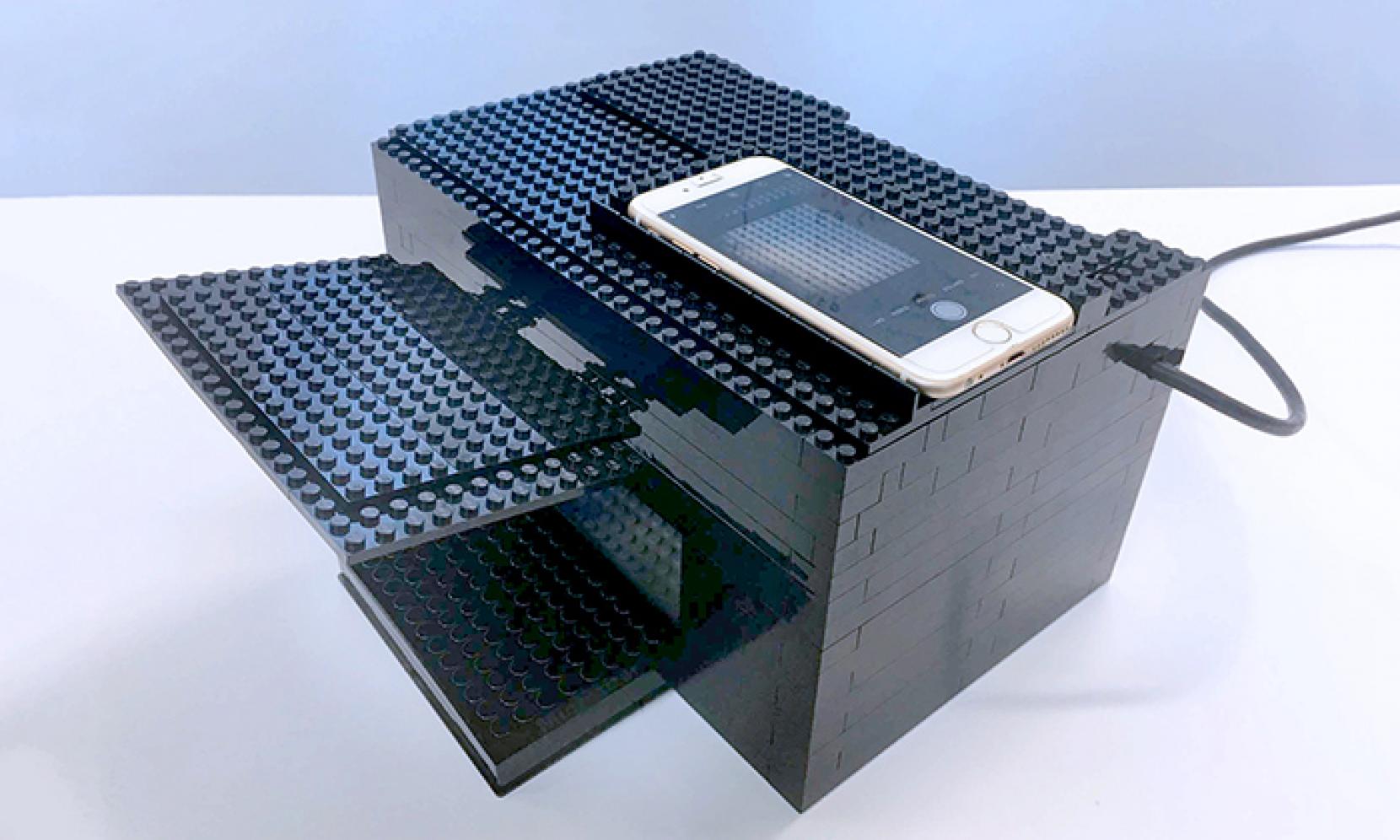
New Nerve Gas Detector Built with Legos and a Smartphone
Researchers at the University of Texas at Austin have developed a way to detect the presence, type and concentration of nerve agents in the field using Legos, a smartphone and a chemical sensor.
-
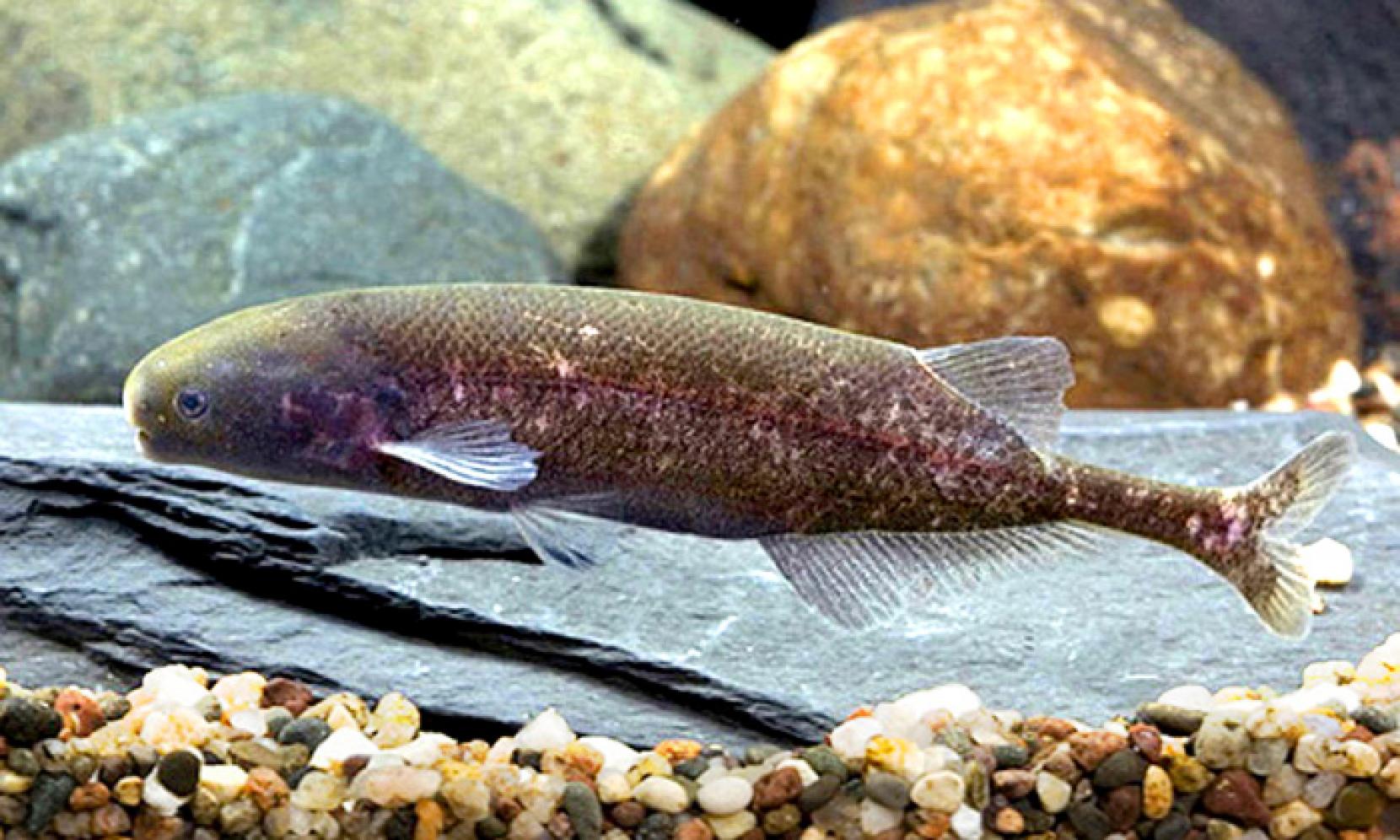
Fish’s Use of Electricity Might Shed Light on Human Illnesses
Weakly electric fish, commonly called baby whales, use brief electrical pulses to sense the world around them and communicate. By studying these fish, scientists may unlock clues about conditions like epilepsy.
-
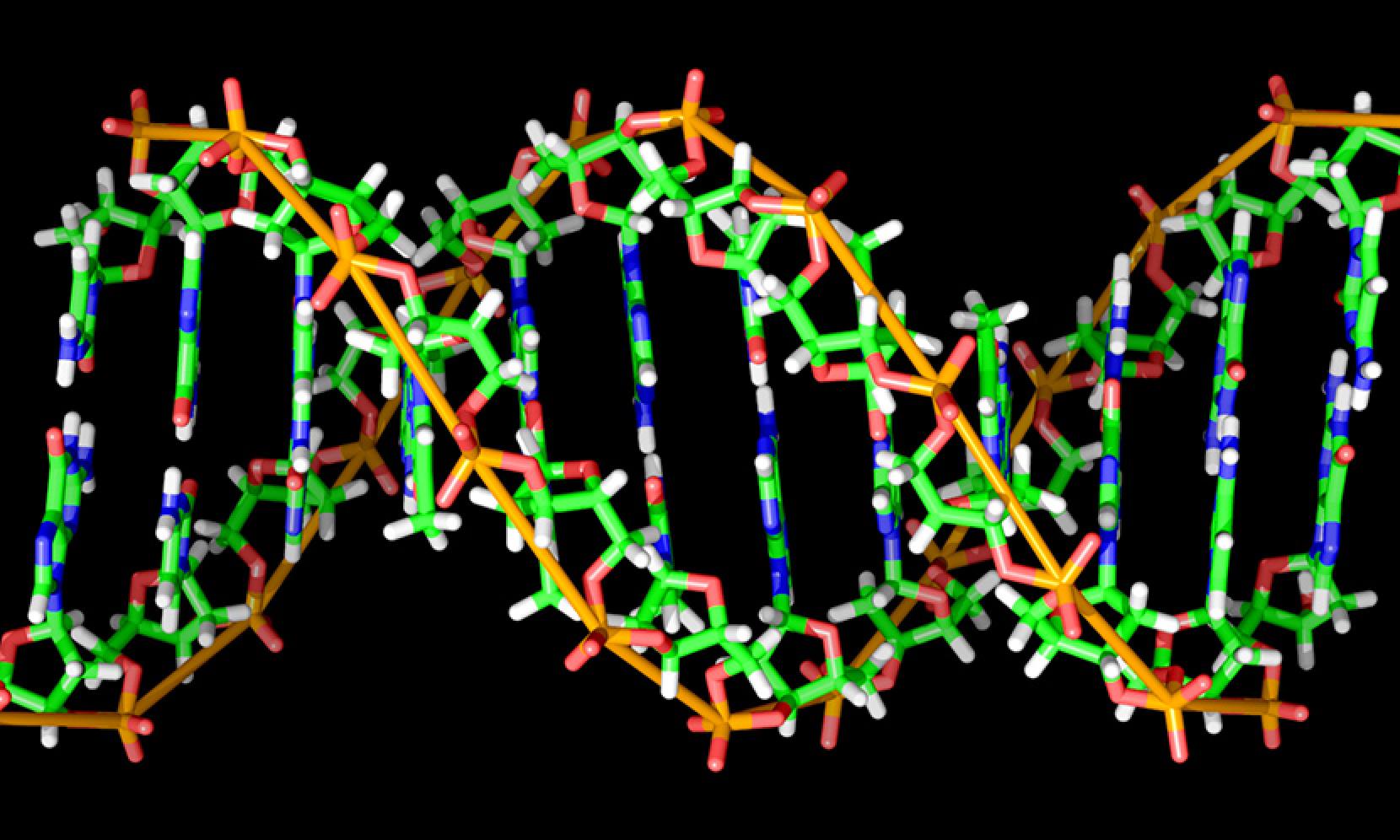
DNA Barcodes That Reliably Work: A Game-Changer for Biomedical Research
A new method for correcting errors that creep into DNA barcodes, labels used in a wide range of biological experiments, yields far more accurate results and paves the way for more ambitious medical research in the future.

Latest News
-
 Cockrell School of Engineering
Texas Engineer Michael Webber Wins McGraw Prize in Education
-

Academic Medicine Raises the Bar for Pediatric Neuroscience Care in Austin
-
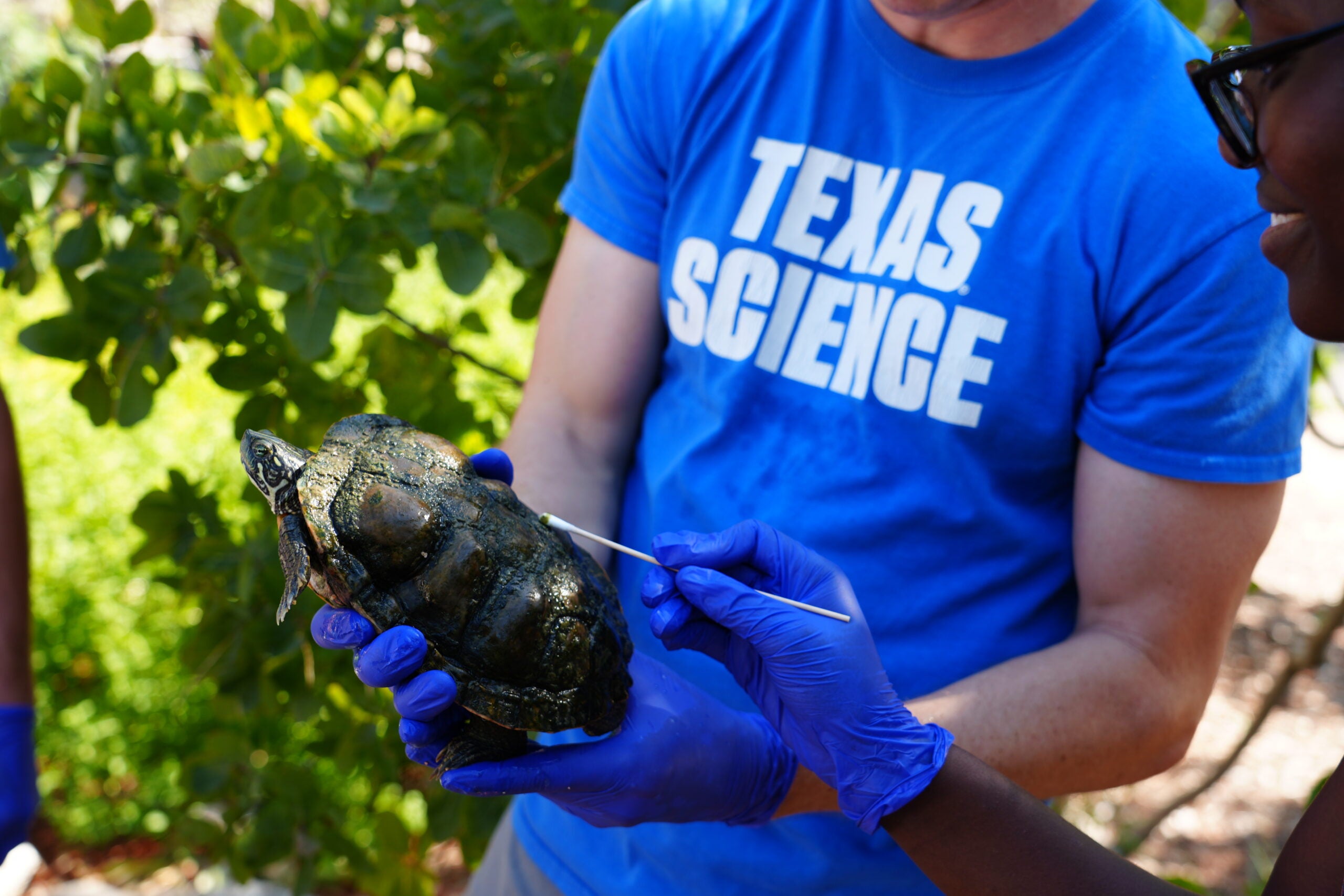
Student Researchers Gain Hands-On Experience in UT’s Turtle Pond
-

2026 Kay Bailey Hutchison Energy Symposium Brings Together University and Industry Leaders