

Research
-

UT/TT Poll: Texans Remain Divided on Trump’s Job Performance but Approve of His Handling of Harvey
Texas voters remain divided on his job performance, but give him high marks for his handling of Hurricane Harvey.
-

Securities and Exchange Commission Conference Coming to UT Austin
The Securities and Exchange Commission is partnering with the Herb Kelleher Center for Entrepreneurship, Growth and Renewal at the McCombs School of Business to bring policy dialogue to Austin.
-
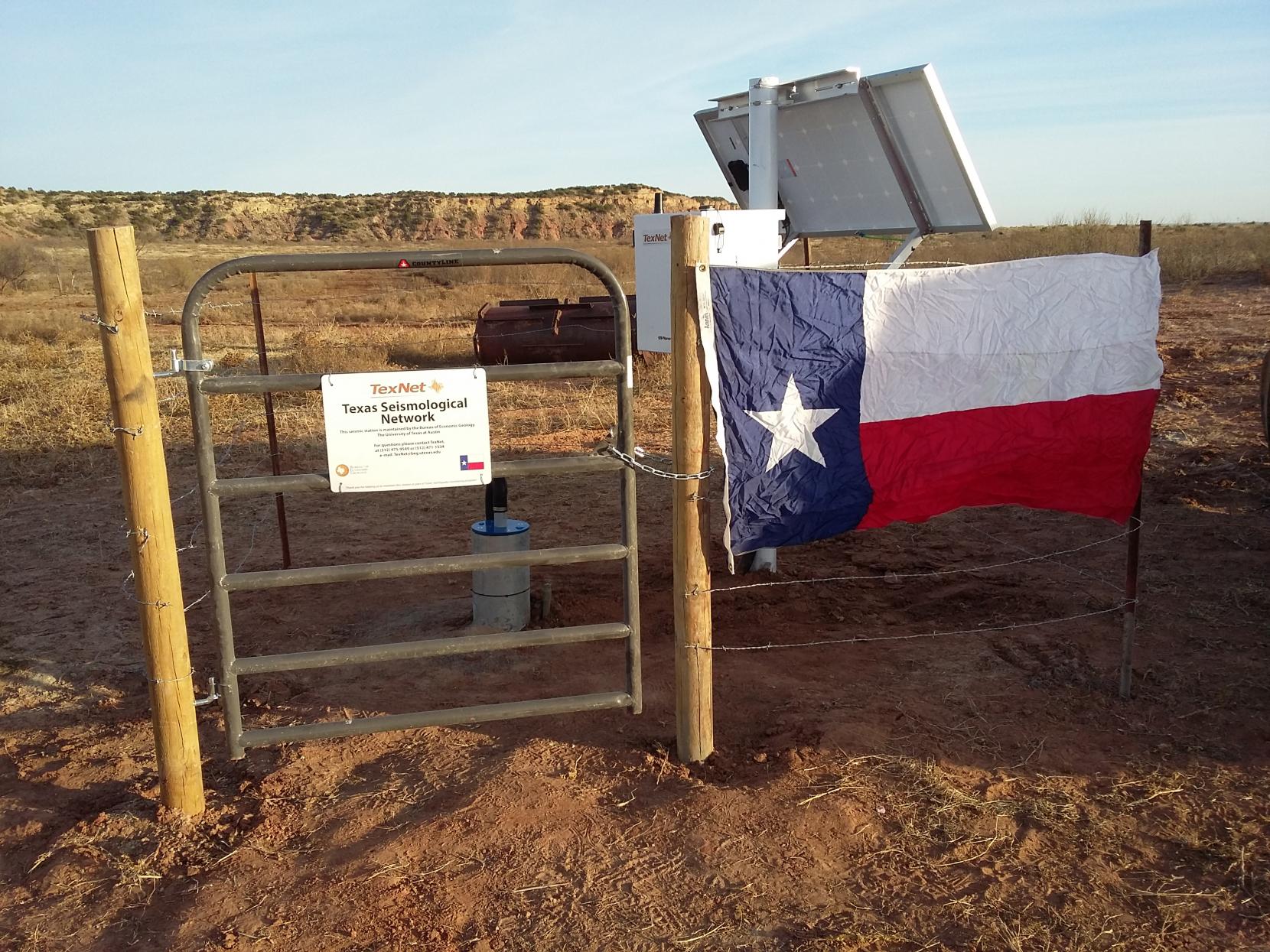
Track Tremors Across Texas With New Website
The Bureau of Economic Geology has finished installing the state’s earthquake monitoring network and completed an interactive website where the public can follow seismic activity in real time.
-

To Drive or Not to Drive?
A new website from UT’s Energy Institute can help consumers decide: Should I own a vehicle or commute using ridesharing services?
-
NIH Awards $4.6 Million to Professors Fighting Diseases Through Innovative Cell Research
The NIH today awarded two research grants of $2.3 million each to faculty members at UT Austin.
-
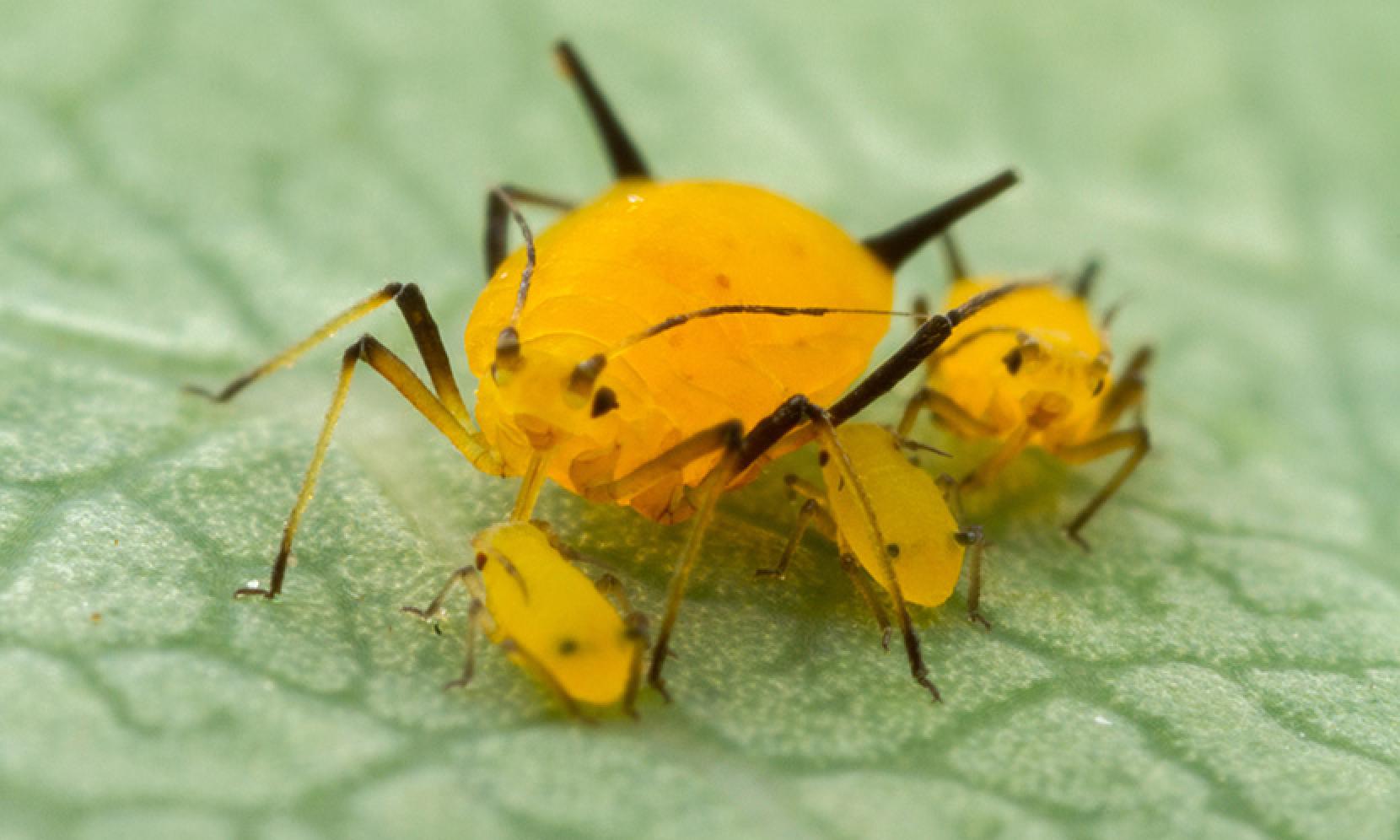
UT Austin and Texas A&M Scientists Seek to Turn Plant Pests into Plant Doctors
Sap-sucking pests could deliver gene therapy to plants under attack from diseases, droughts or floods
-

DOD Awards $1.1 Billion Contract to UT Austin’s Applied Research Laboratories
The U.S. Navy awarded Applied Research Laboratories at UT Austin (ARL:UT) the largest research contract in university history to conduct research and development to improve U.S national security.
-

NSF Backs Research into Role of Social Media “Calls” for Help during Hurricane Harvey
Researchers from the Moody College of Communication at UT Austin have received a grant from the National Science Foundation to study the role of social media in aiding Hurricane Harvey victims.
-
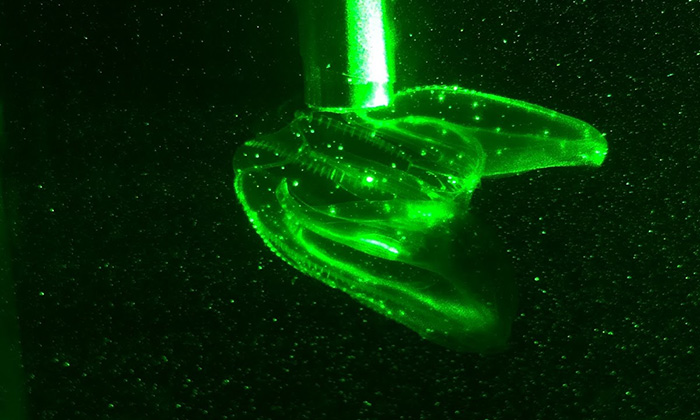 College of Natural Sciences
UT Marine Science Institute Awarded Grant to Complete Gulf Oil Spill Research
-

Why Poison Frogs Don’t Poison Themselves
The answer provide clues for developing better drugs to fight pain and addiction
-
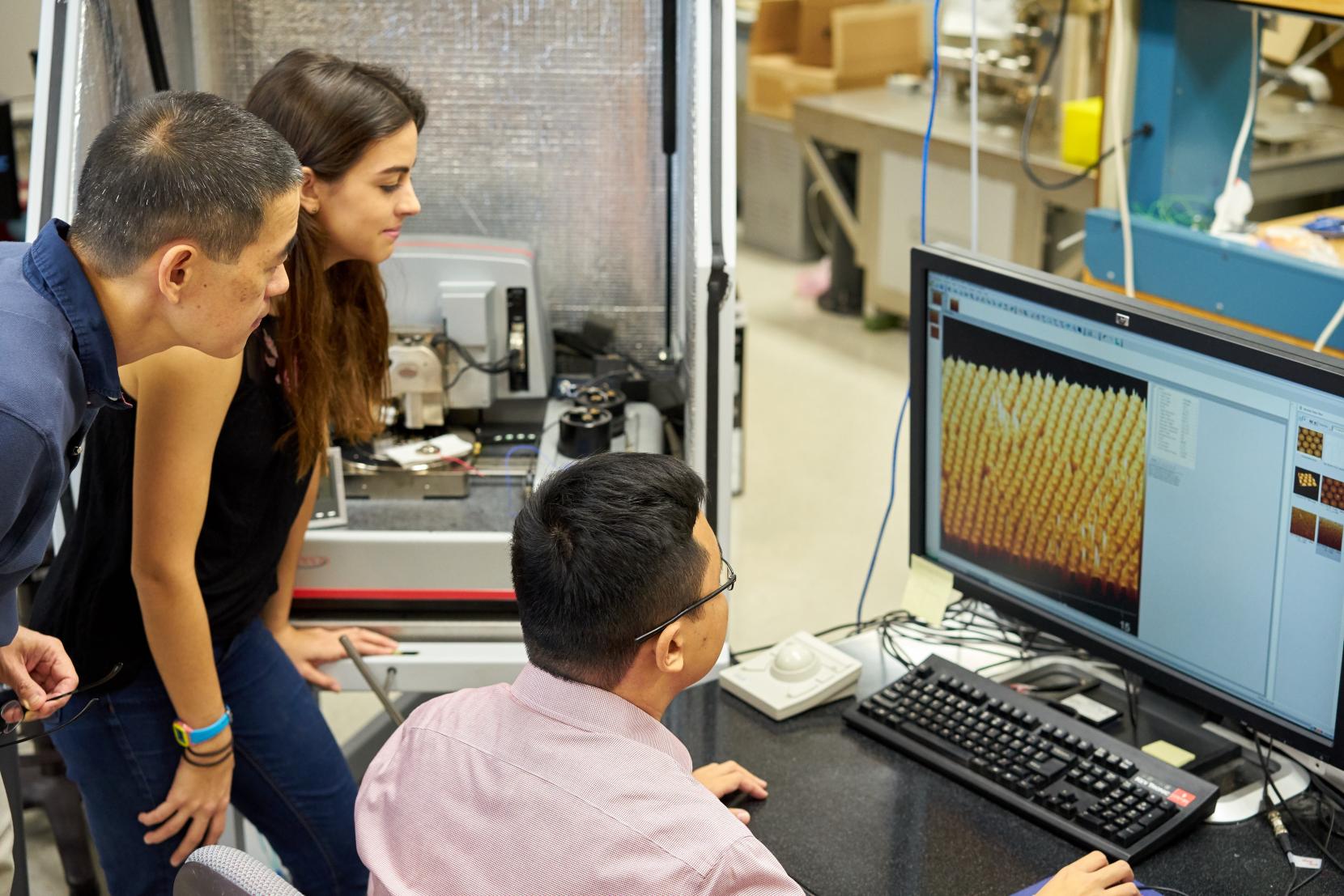
Texas Engineers and Scientists to Launch $15.6 Million Center for Materials Research
Texas engineers and scientists receive $15.6 million for materials research.
-
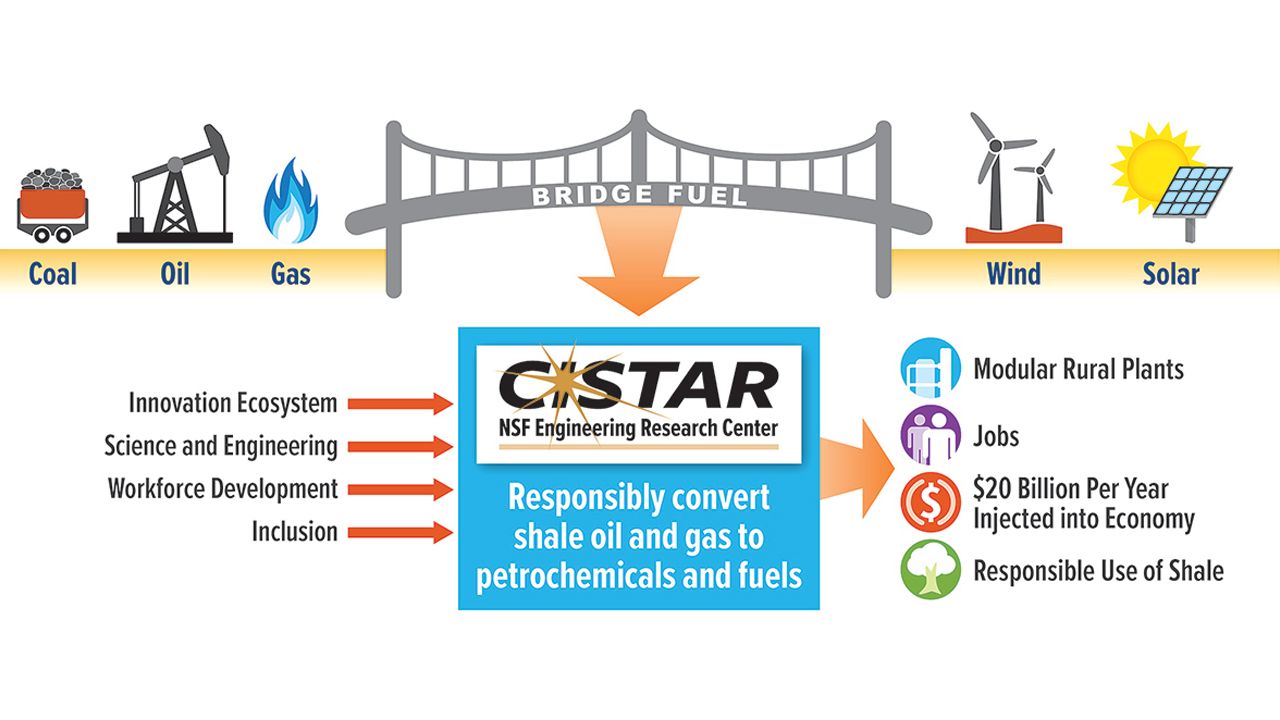
UT Austin to Co-Lead $20 Million NSF Center Aimed at Converting Natural Gas Into Transportation Fuels
Engineers in the Cockrell School of Engineering have been selected to help lead a five-year, $20 million National Science Foundation engineering research center focused on natural gas.
Latest News


-
College of Natural Sciences
UT Marine Science Institute Awarded Grant to Complete Gulf Oil Spill Research