

Research
-

MEDIA ADVISORY: UT Austin’s IC² Institute Celebrates 40 Years of Creating Entrepreneurial Wealth in Texas and Globally
Civic leaders and UT Austin celebrate the 40th anniversary of the university’s IC² Institute.
-

Nondigital, Analog Theft is Main Driver in Identity-Related Crimes, New Report Finds
Identity theft through non-digital rather than digitalis the major driver of identity-related crimes, according to new research from the center for Identity at UT Austin.
-

New Radio Program About Our Planet Premieres on Earth Day
The Bureau of Economic Geology at UT Austin will launch a new radio program, “EarthDate” on Earth Day, April 22.
-

Glacier Shape Influences Susceptibility to Thinning
Researchers at The University of Texas at Austin have identified glaciers in West Greenland that are most susceptible to thinning in the coming decades by analyzing how they’re shaped.
-
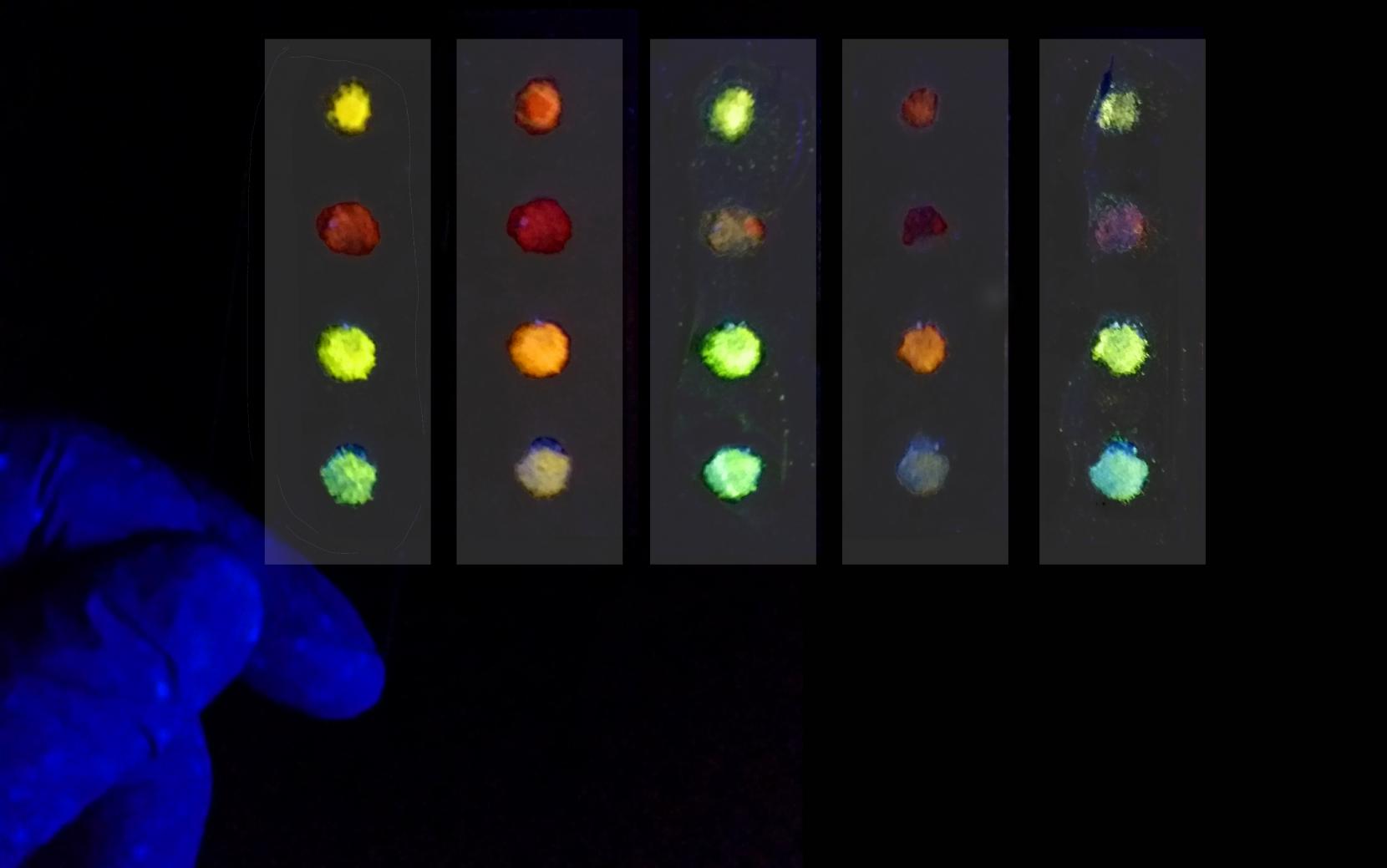
New Material Could Save Time and Money in Medical Imaging and Environmental Remediation
New material enables cheap, fast and portable sensors for a wide range of chemicals that right now cost government and industries large sums to detect.
-
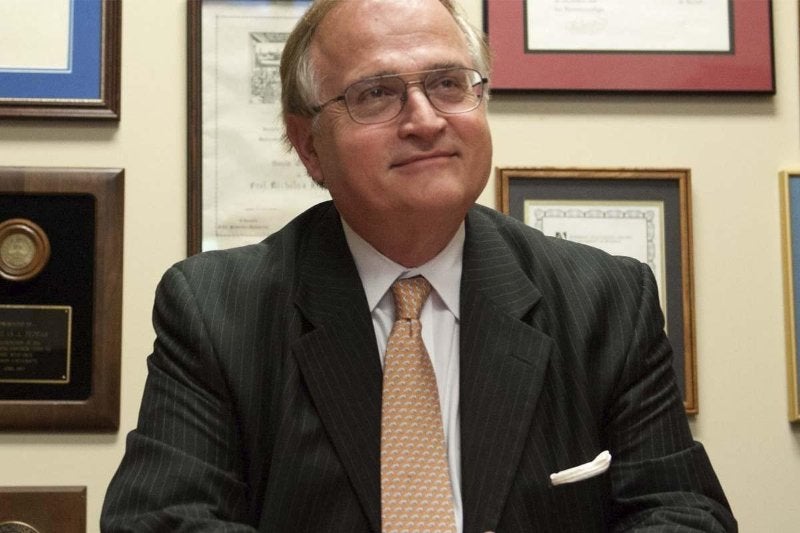
Professor and Biomaterials Expert Nicholas Peppas Elected to American Academy of Arts and Sciences
Professor Nicholas Peppas has been elected to the American Academy of Arts and Sciences
-
New Center Introduces Entrepreneurship to Wider Population at UT Austin
The Blackstone LaunchPad at UT Austin will be a cross-campus effort to introduce entrepreneurship as a career path for all students.
-
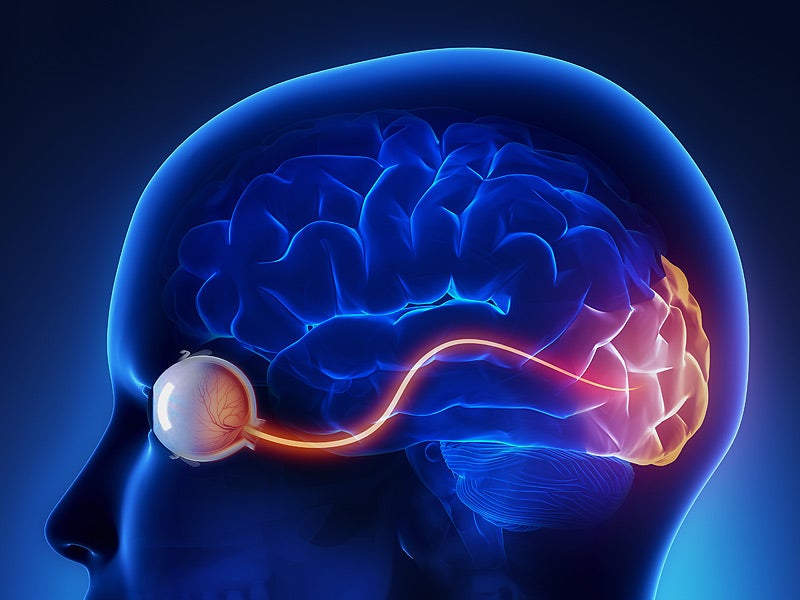
Human Cognitive Map Scales According to Surroundings
A study published in Proceedings of the National Academy of Sciences refines our understanding of a human skill — the ability to instantaneously assess a new environment and get oriented.
-
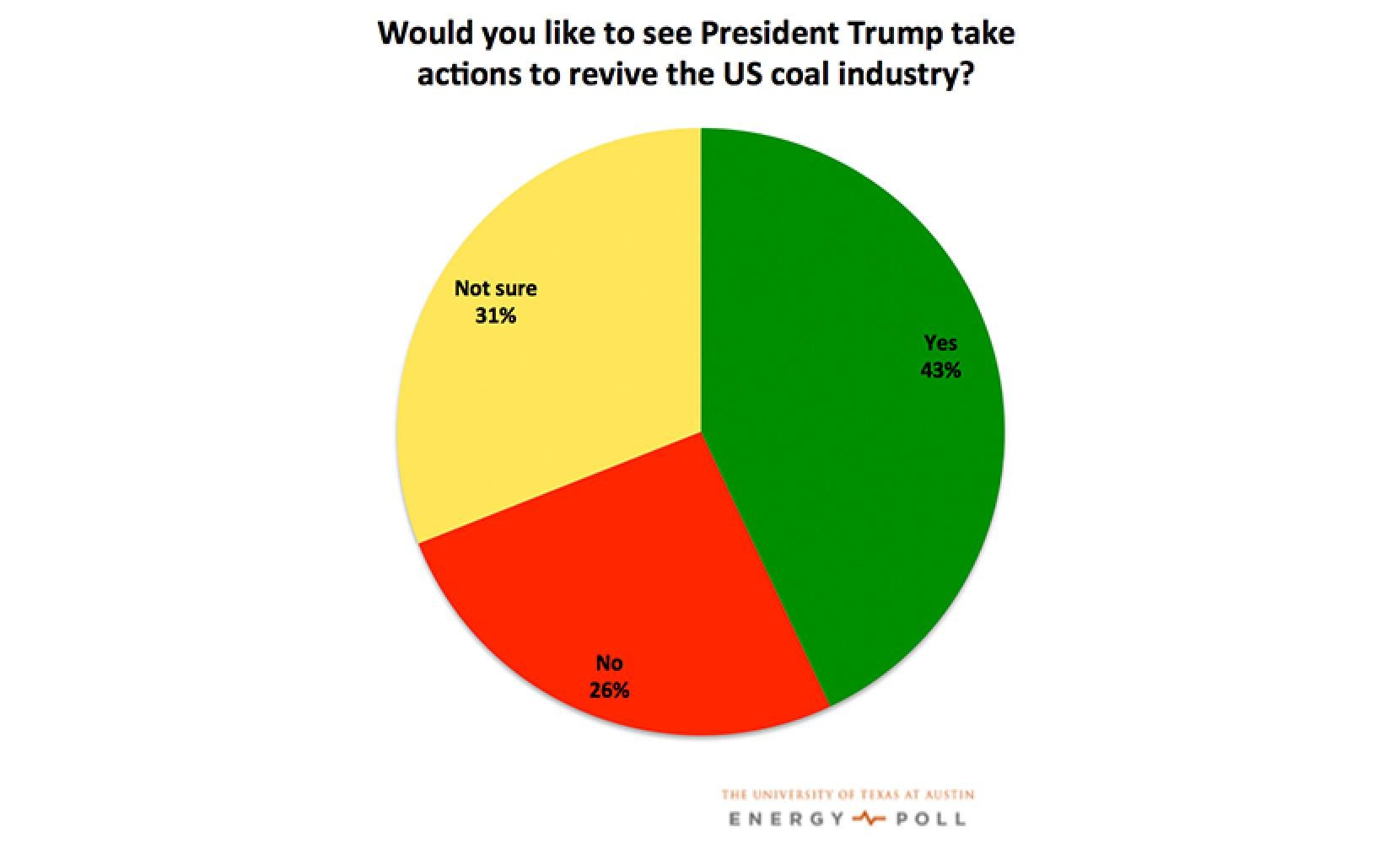
UT Energy Poll Shows Support for Efforts to Revive U.S. Coal Industry
New UT Energy Poll shows support for efforts to revive U.S. coal industry.
-
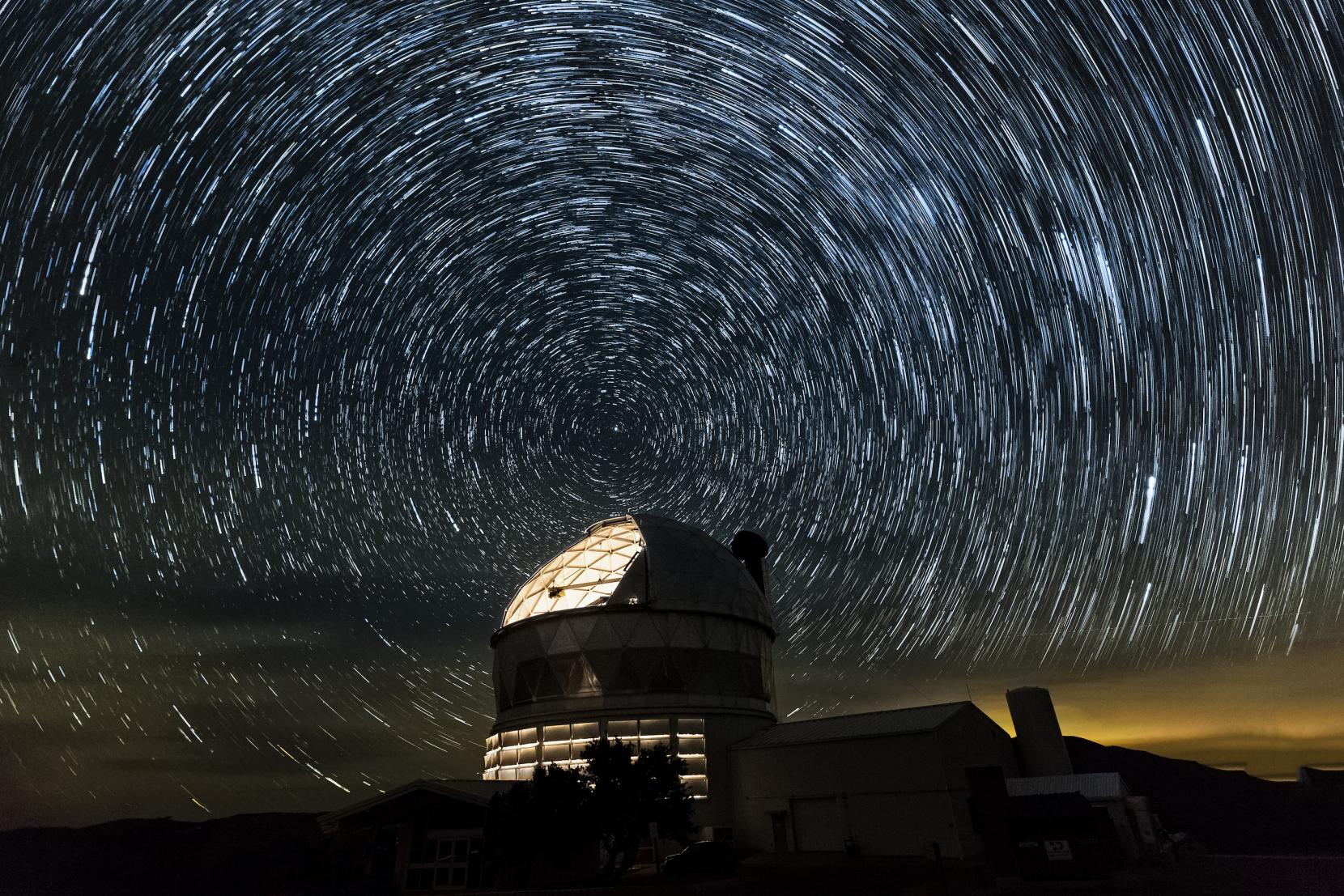
Upgraded Hobby-Eberly Telescope Dedicated; Dark Energy Survey To Begin
The Hobby-Eberly Telescope at McDonald Observatory has completed a multiyear $40 Million upgrade to enable it to take on the biggest challenges in astronomy today.
-

National Science Foundation Honors Eight UT Austin Professors with Early CAREER Awards
Eight faculty members from The University of Texas at Austin have been selected by the National Science Foundation (NSF) to receive Faculty Early Career Development (CAREER) Awards.
-
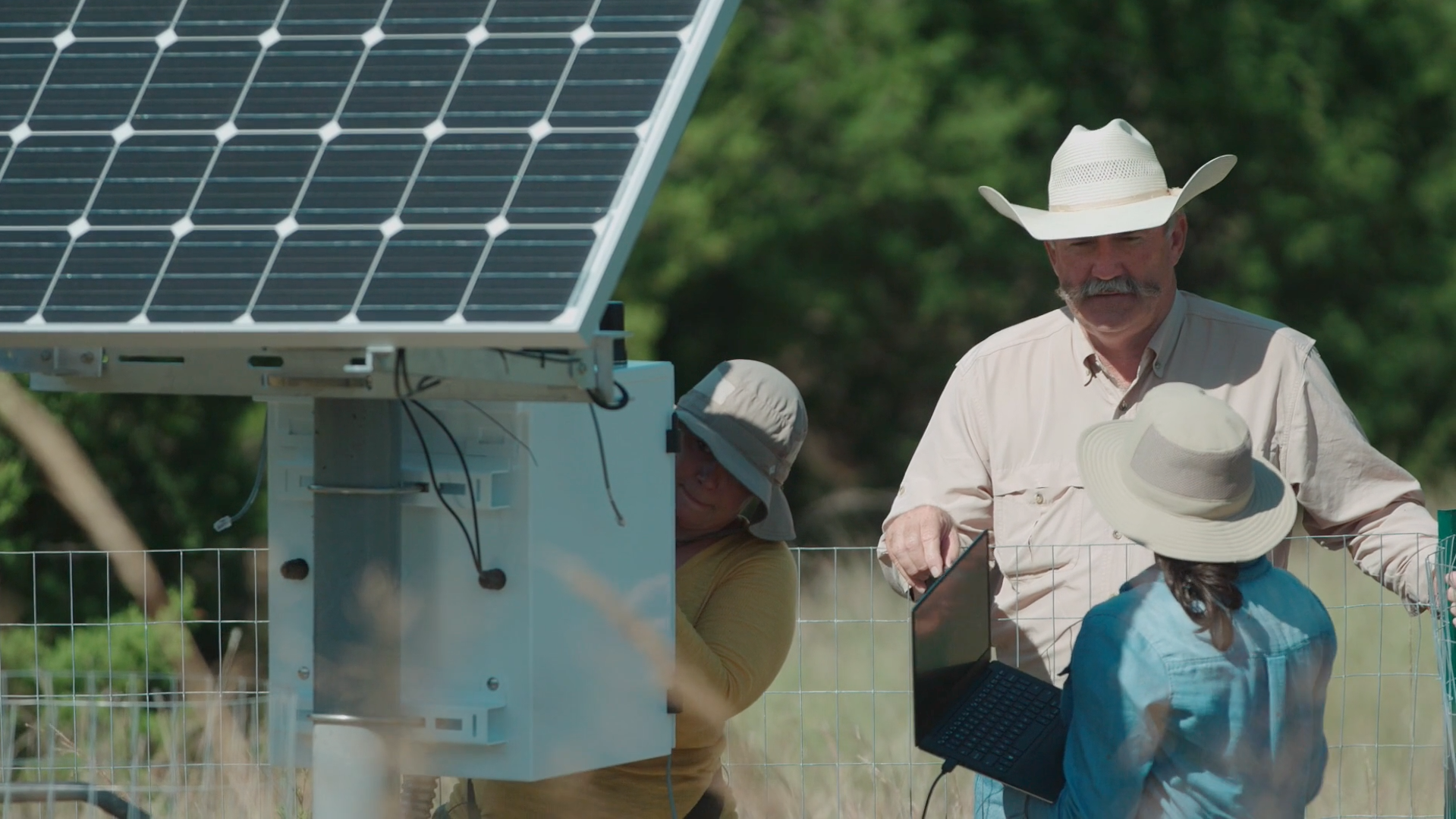
Why is Texas Shaking?
UT is leading a state-funded seismic monitoring program to identify the sources of Texas earthquakes.
Latest News
-

Alumni Exhibit Marks 60 Years of UT’s Photography Program
-
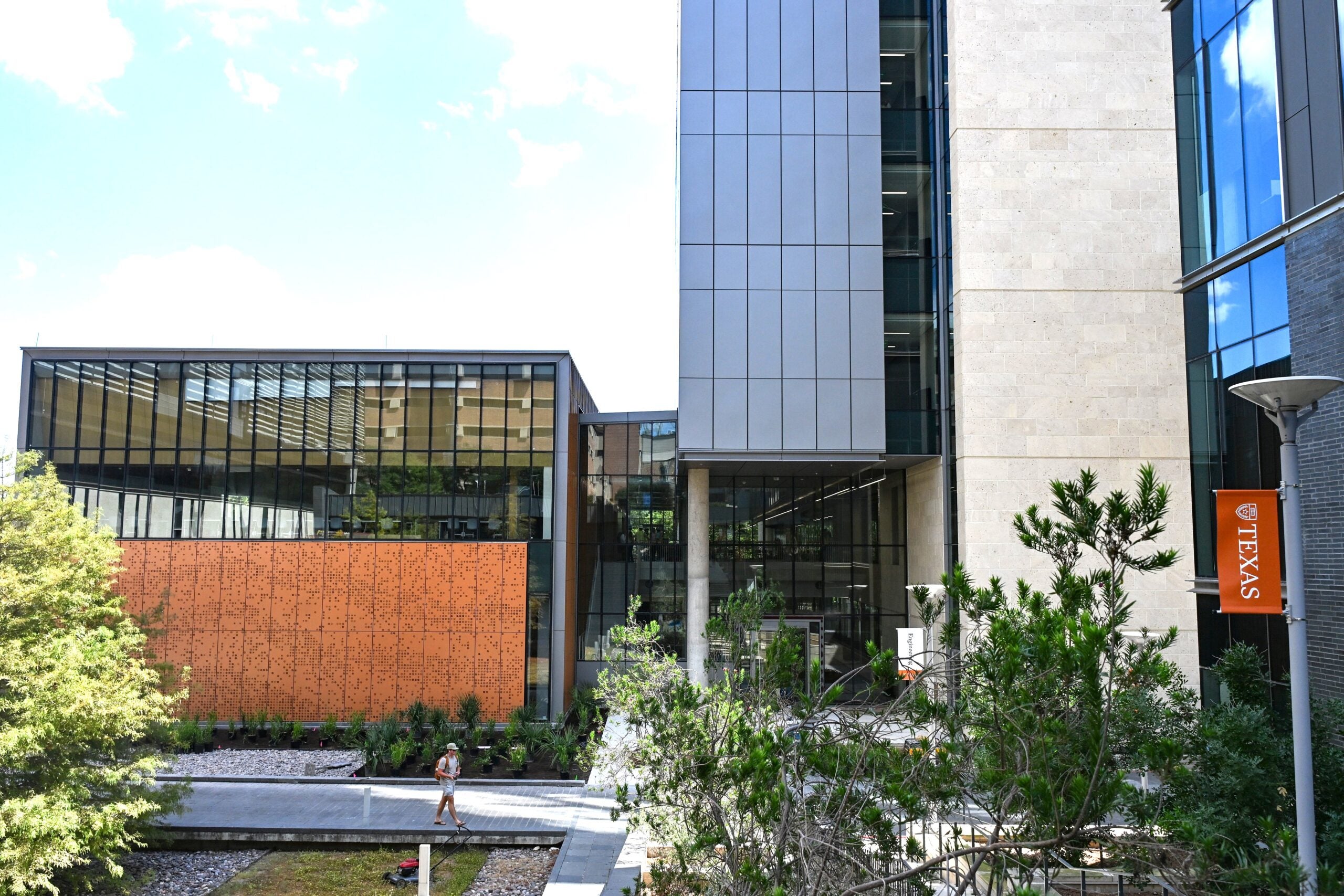
New Engineering Discovery Building To Prepare Future Leaders for Texas Industries
-
 Cockrell School of Engineering
Texas Engineer Michael Webber Wins McGraw Prize in Education
-

Academic Medicine Raises the Bar for Pediatric Neuroscience Care in Austin