

All News
-
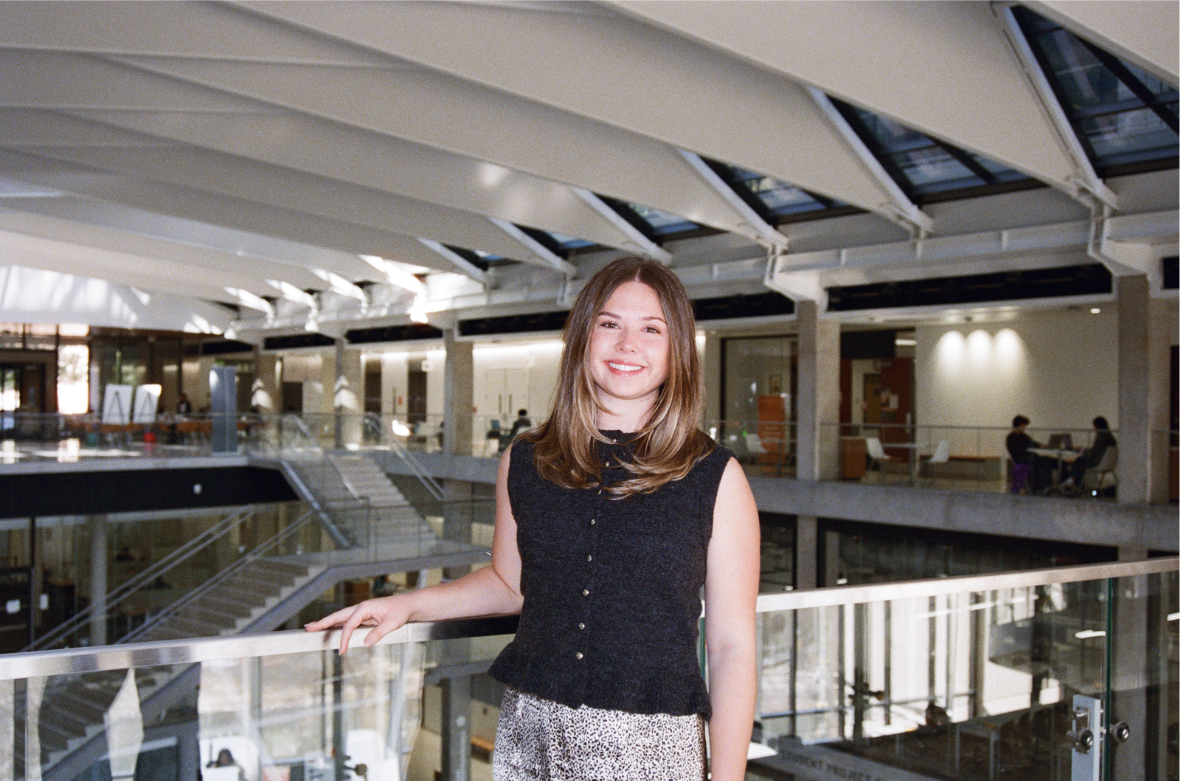
Making Waves on the Forty Acres
Civil engineering senior Cambry Stratton took every opportunity – in and out of the water
-
 Cockrell School of Engineering
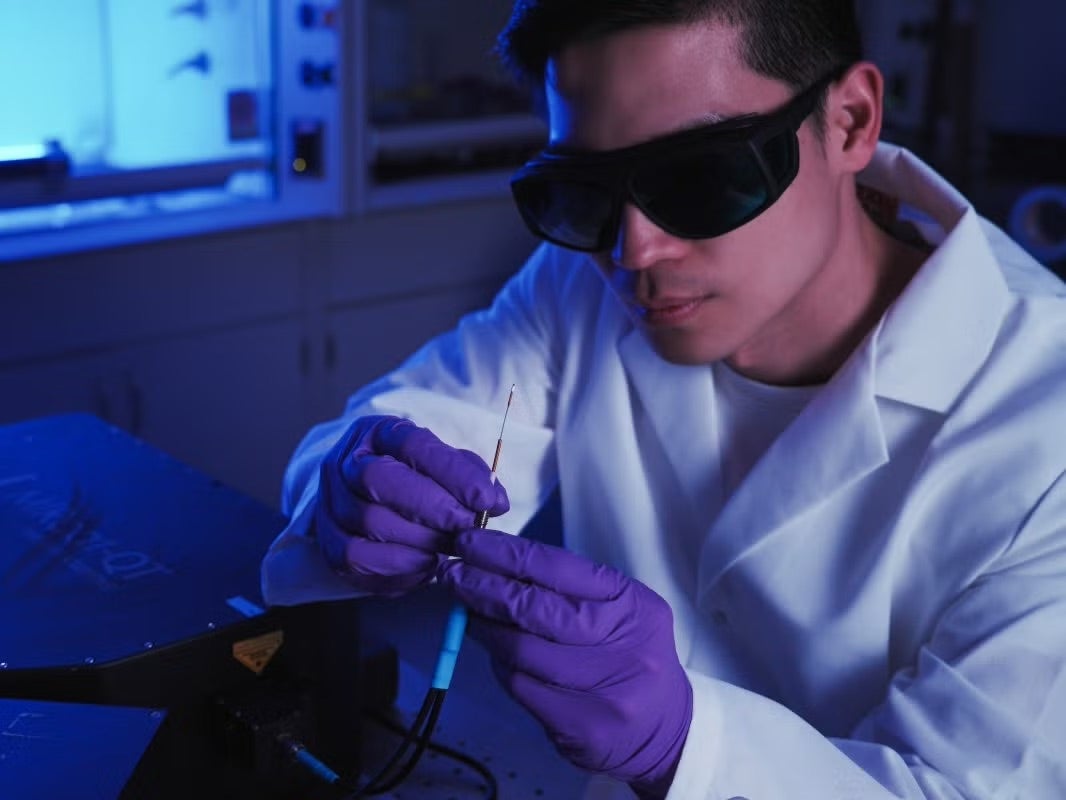
Tiny Probe Tracks Key Health Signals Simultaneously
The smallest-of-its kind probe can monitor glucose, lactate and ethanol levels.
-

3 UT Professors Will Join American Academy of Arts and Sciences
College of Liberal Arts and College of Natural Sciences faculty members to be inducted in one of the oldest learned societies for independent policy research
-
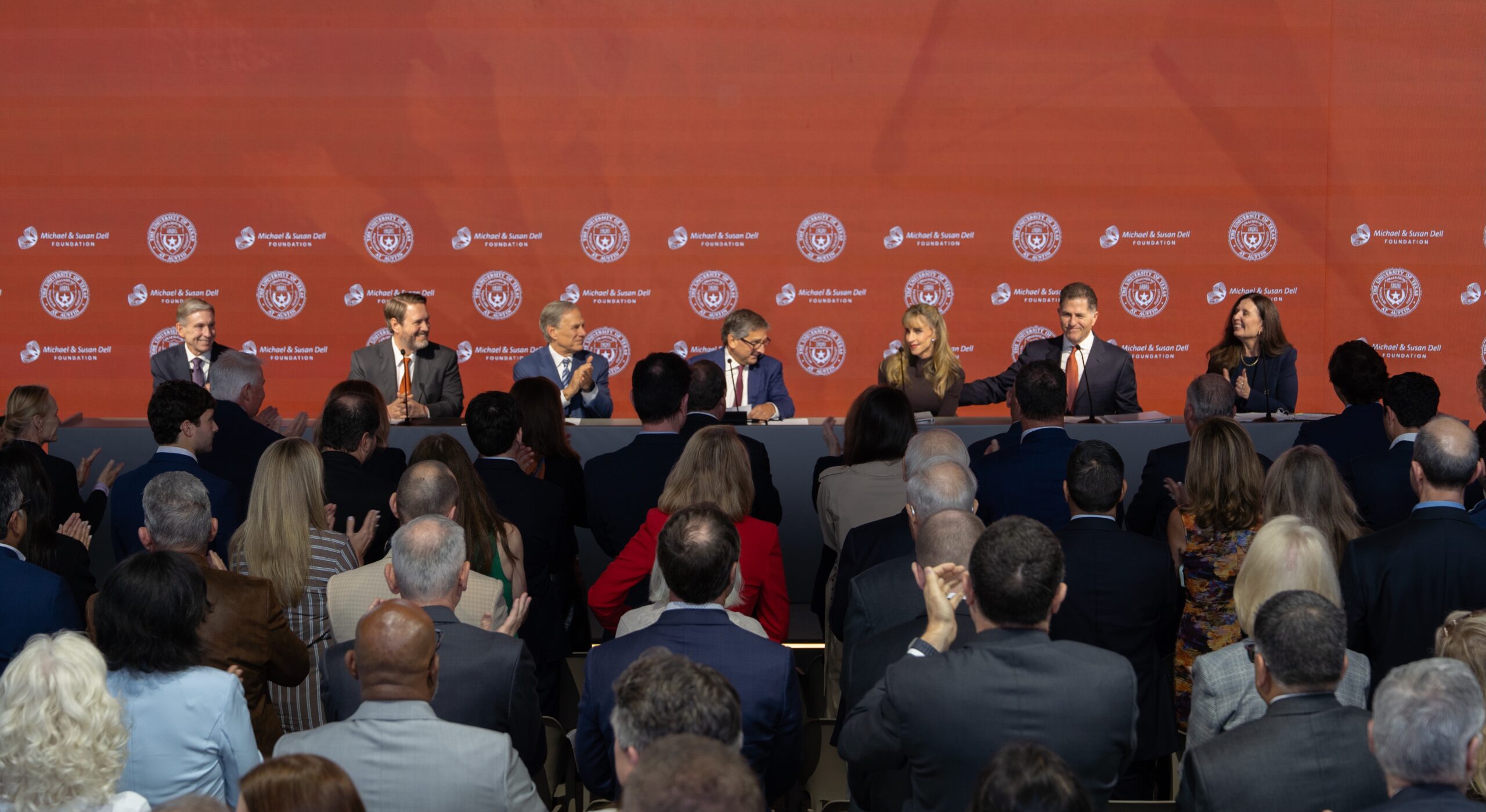
Michael and Susan Dell Surpass $1 Billion in Giving to UT Austin
New Investments Will Launch Advanced Research Campus and AI-Native Medical Center, While Expanding Supercomputing, Scholarships and Student Housing
-
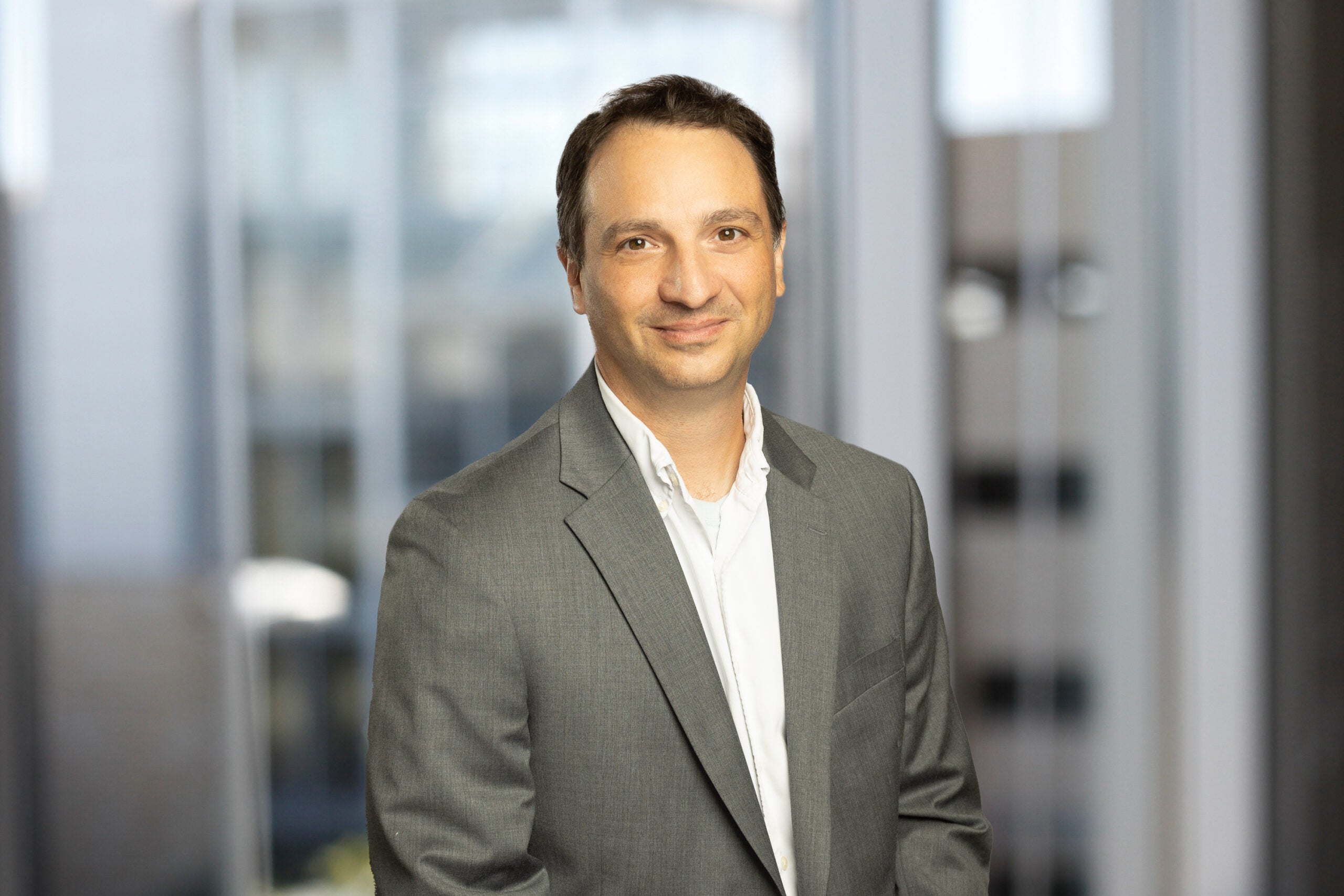
Transforming Cancer Treatment Through Digital Innovation
Tom Yankeelov develops digital twins of breast cancer tumors using medical imaging — models that predict how tumors respond to different treatments
-
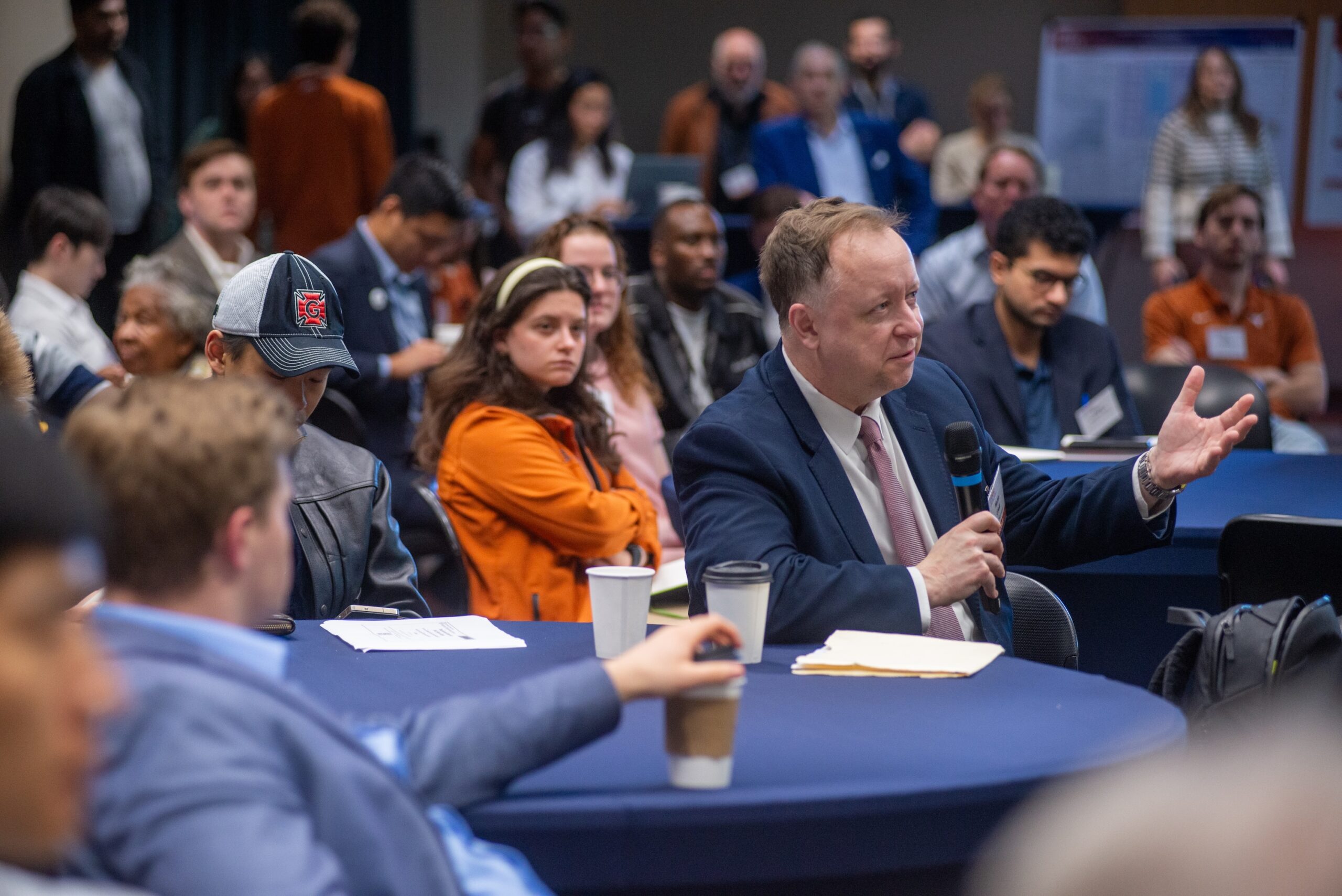
Next-Generation Nuclear Innovation
At the annual Texas Nuclear Symposium, held as part of UT Energy Week, faculty members and students presented work contributing to national security, medical and energy advancements.
-
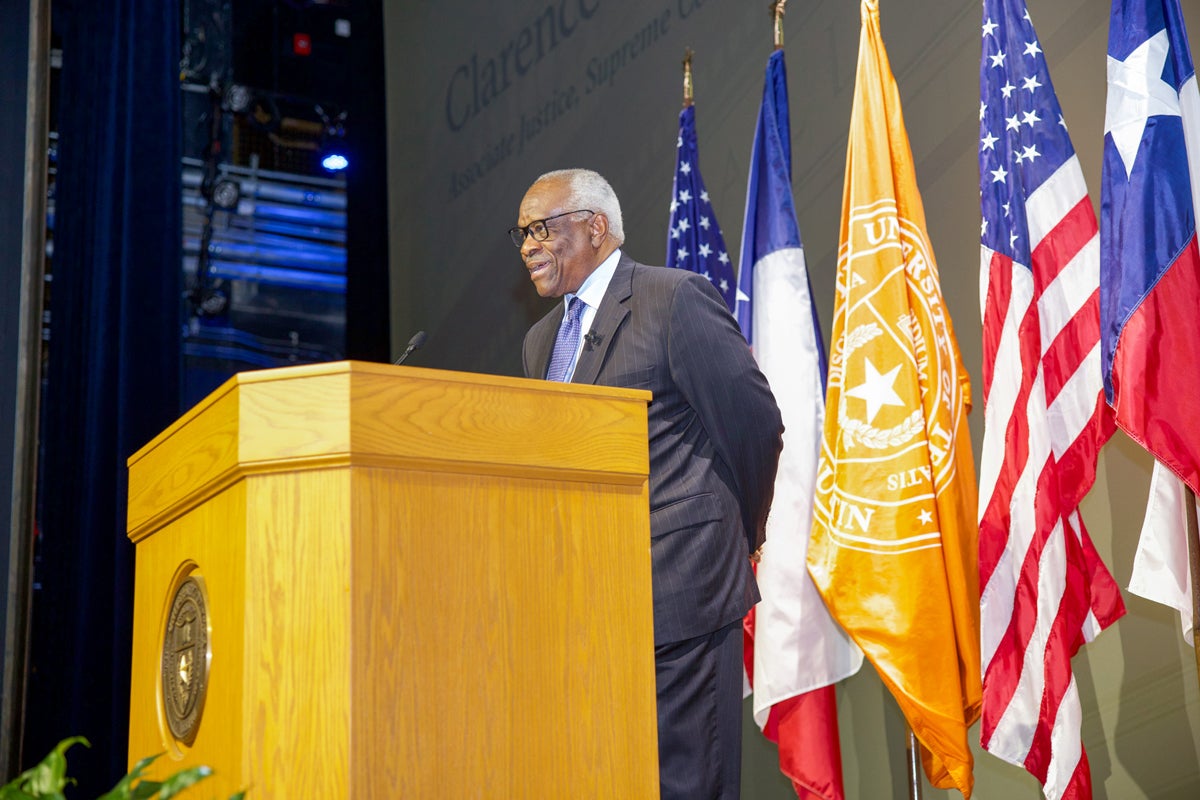
Video: U.S. Supreme Court Justice Clarence Thomas Delivers Special Lecture at UT Austin
Justice Thomas’ lecture commemorated the 250th anniversary of the signing of the Declaration of Independence.
-
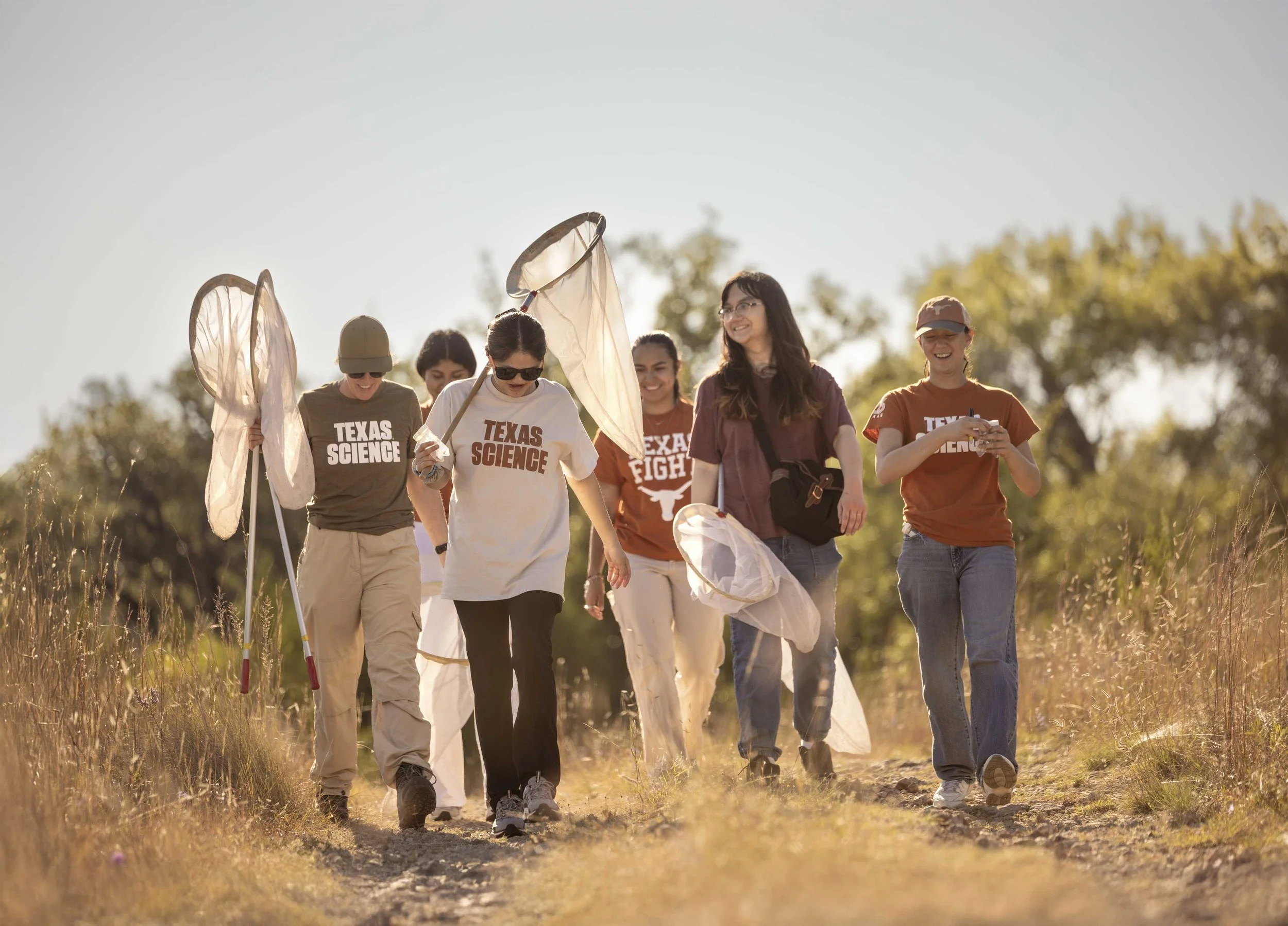
For 20 Years a UT Initiative Has Put First-Year Students at the Forefront of Discovery
Launched in 2006, the Freshman Research Initiative has become a national model for teaching hands-on STEM to undergraduates.
-
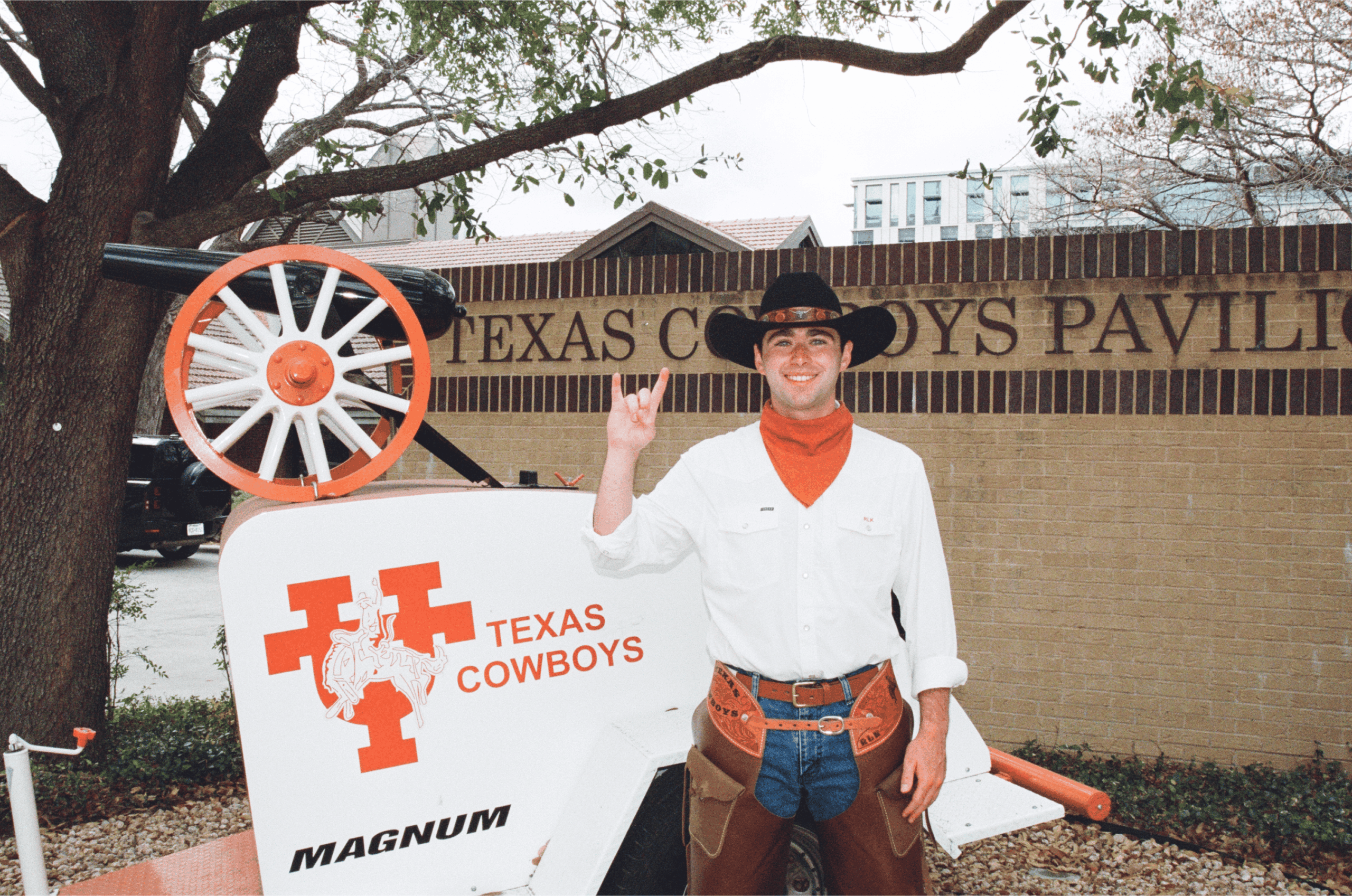
A Smokey Send-off for Ryan Karkowsky
The senior triple major reflects on his time at UT as a Forty Acres Scholar and Texas Cowboy
-
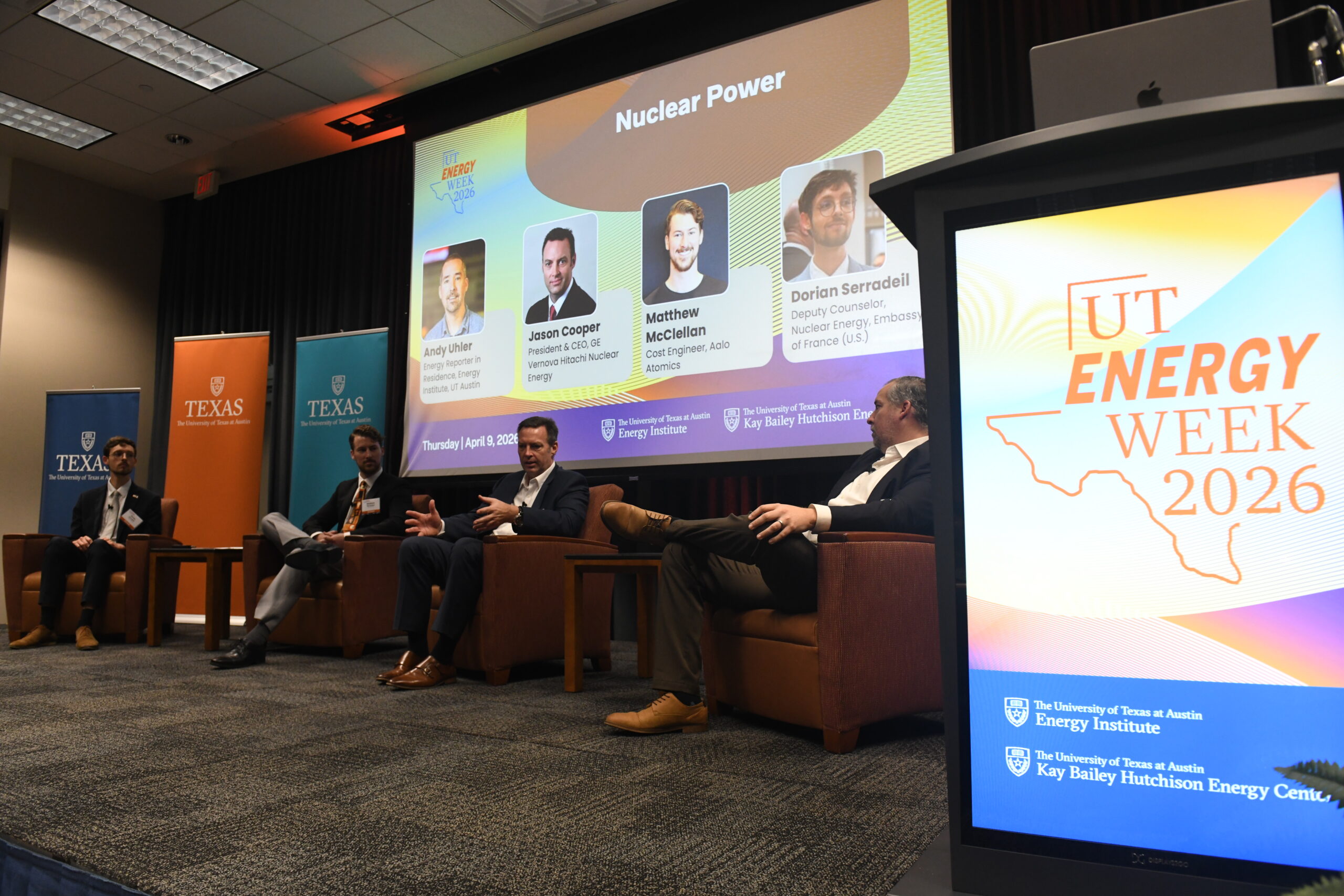
Preparing for the State’s Future Energy Needs
At UT Energy Week 2026, researchers and energy leaders from across campus and industry led five days of panels and presentations on the future of energy in Texas.
-
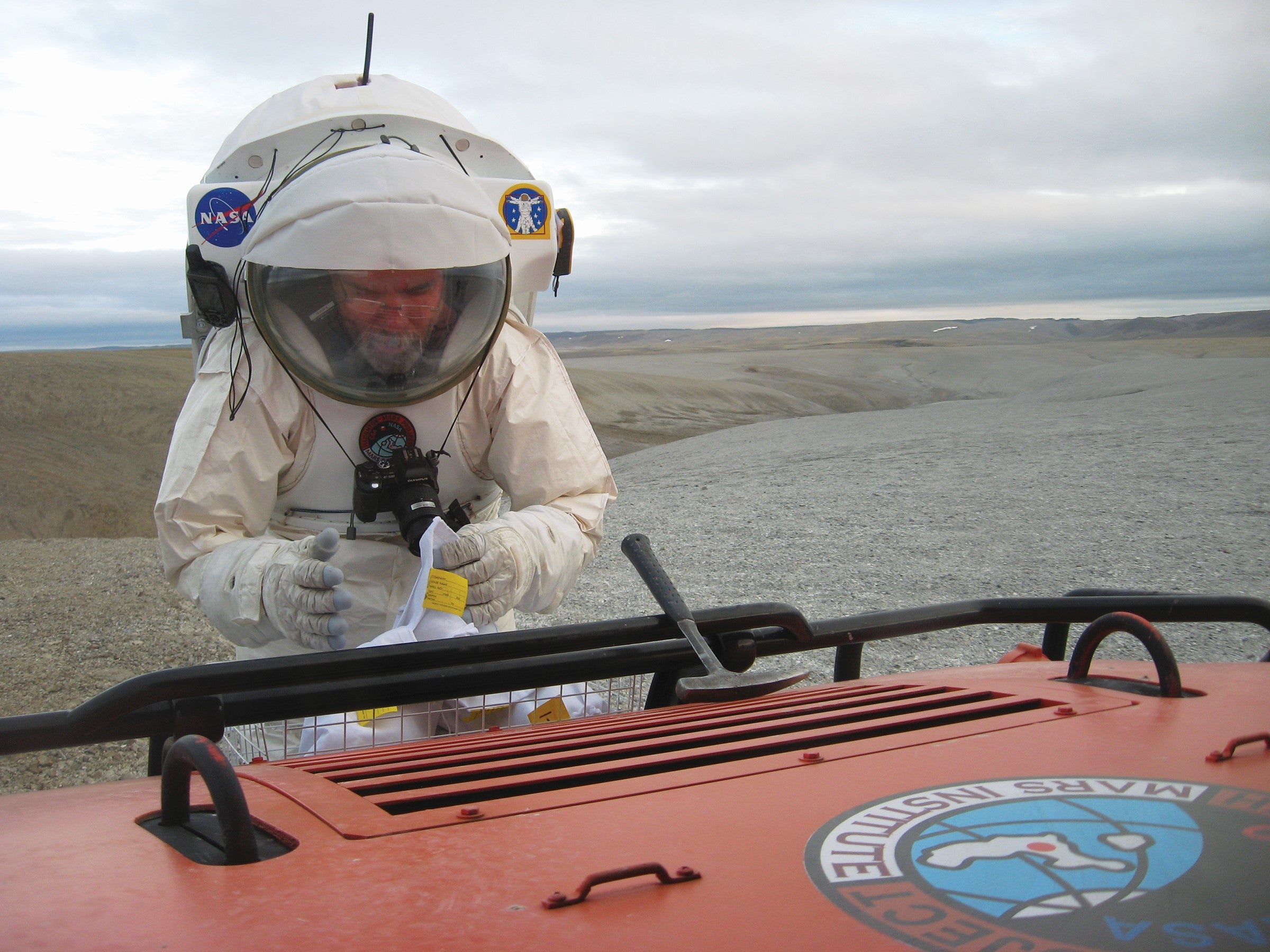
Artemis Astronauts Showcase UT Geology Roots
Jackson School of Geosciences emeritus distinguished senior lecturer helped train every new class of NASA astronaut hopefuls since 2009, including all four of the moonfaring Artemis II crew.

Latest News
-
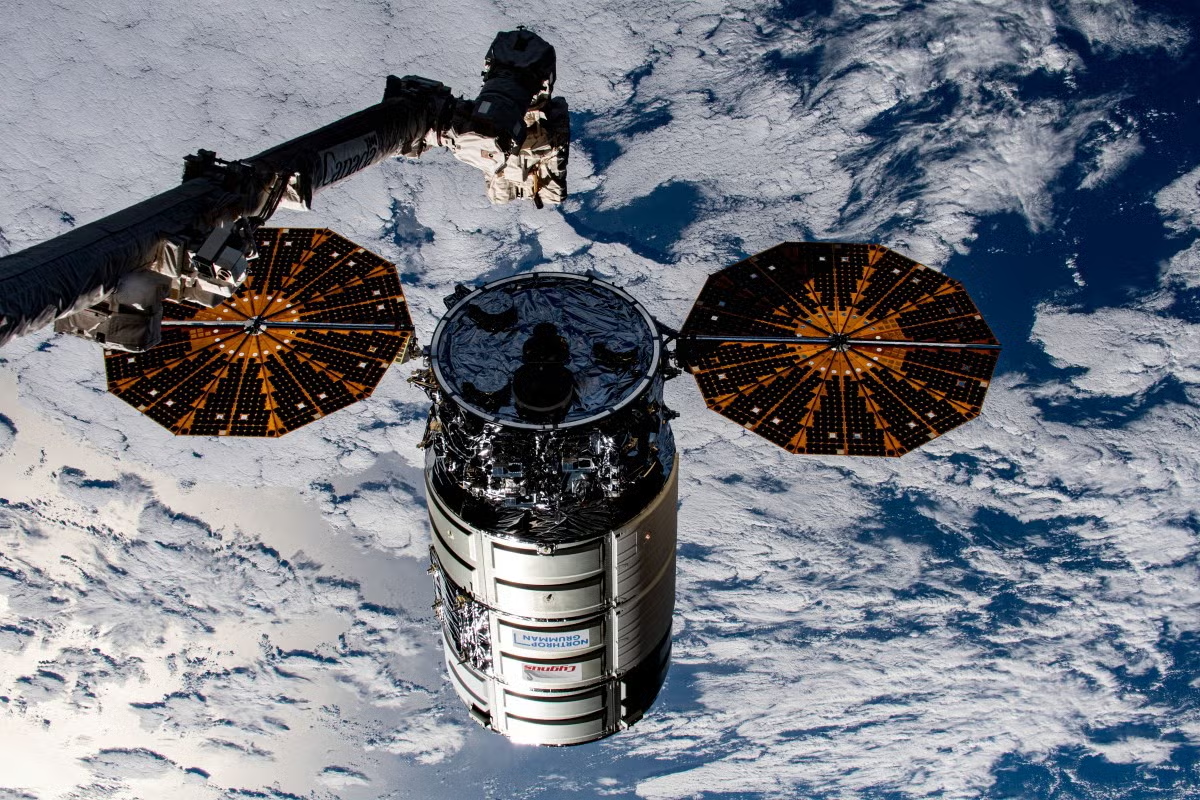 Cockrell School of Engineering
Texas Engineer Joins Effort to Land New Space Academy
-
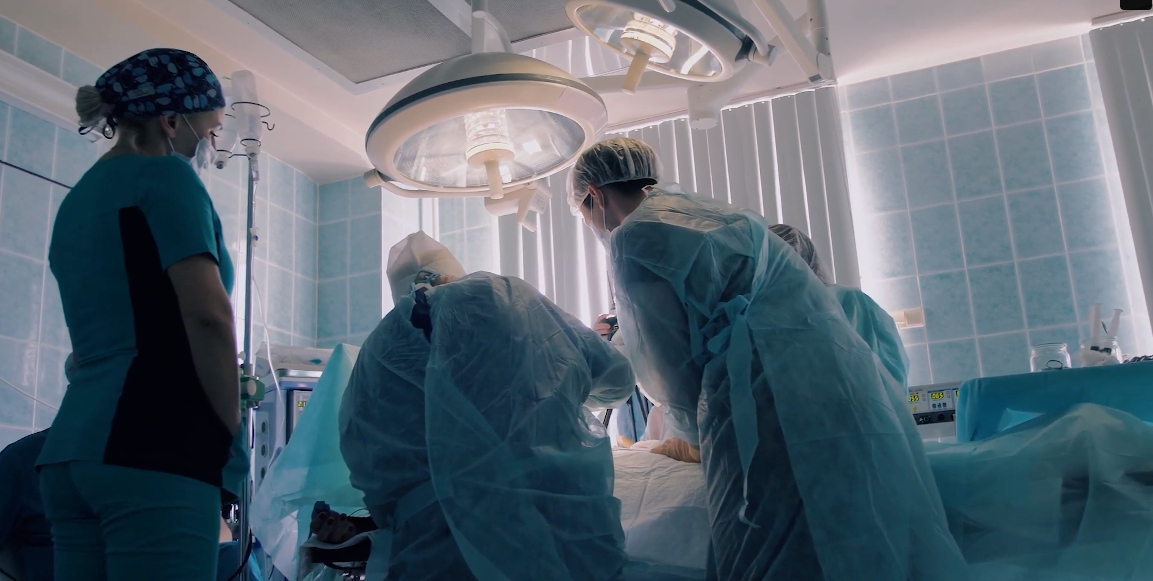
Powering the Next Breakthrough
-
 College of Natural Sciences
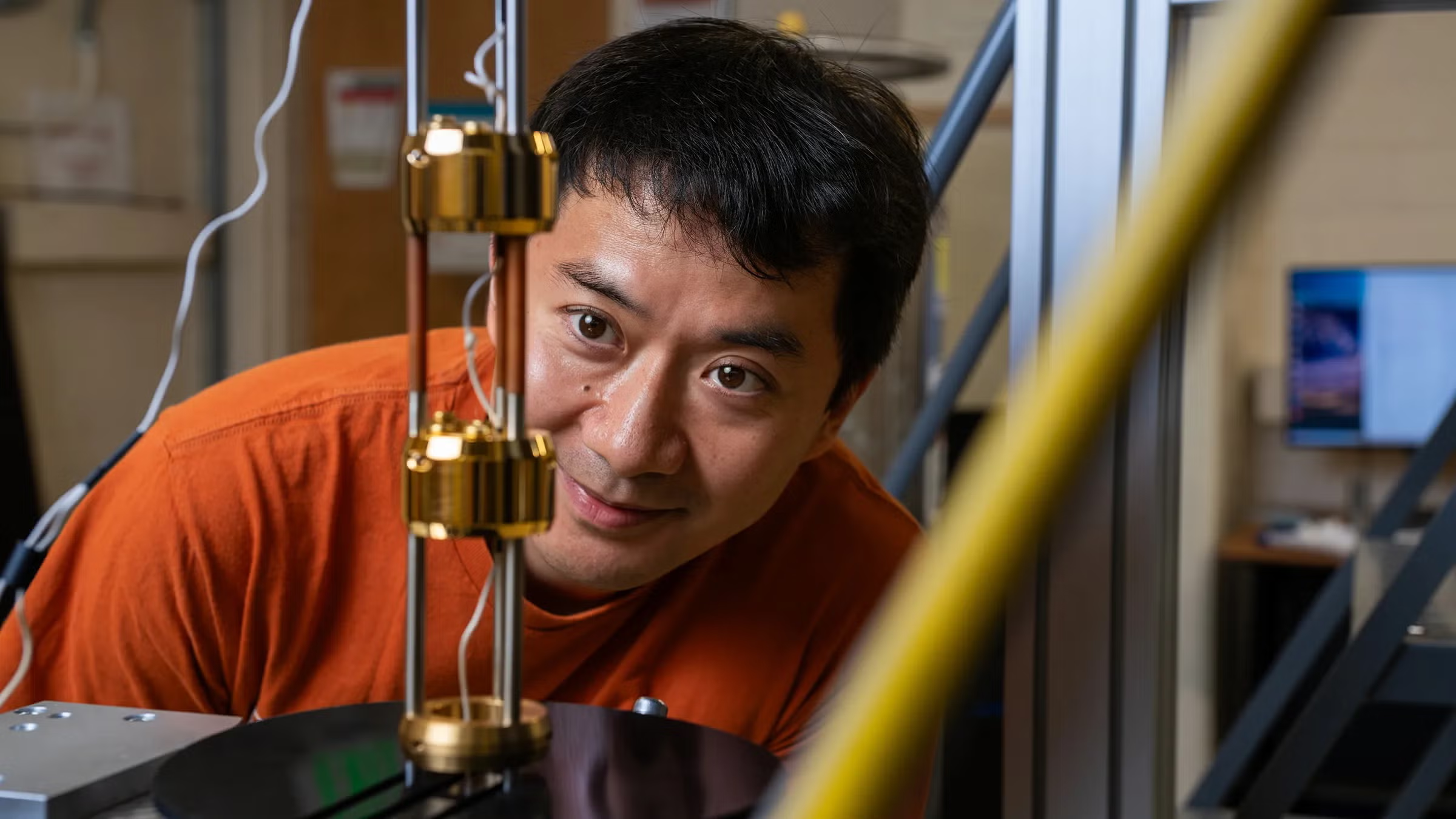
Jia Leo Li Selected as a 2026 Moore Foundation Experimental Physics Investigator
-
UT Takes Leading Role in National Effort To Modernize Clinical Trials