

Research
-
Fossil Shows Ostrich Relatives Lived in North America 50 Million Years Ago
Fossils dating back 50 million years represent a species of a previously unknown relative of the modern-day ostrich, and could be key for understanding birds that once lived in North America.
-
Researchers Determine Fundamental Limits of Invisibility Cloaks
Researchers have been able to quantify limitations on the performance of cloaking devices which allow objects to become invisible or undetectable to electromagnetic waves.
-
Texas Voters Embrace Border Wall, Muslim Bans in Latest UT/Texas Politics Project Poll
A majority of Texas voters support stricter immigration laws, including building a wall on the Mexico border and disallowing Muslims from entering the U.S., according to the latest UT poll.
-
UT Texas Politics Poll: A Vote for Trump is a Vote Against Clinton
Texas voters support Donald Trump over Hillary Clinton, though many describe their choice as a vote against the opposing candidate rather than a vote for their chosen candidate..
-
Fix for 3-Billion-Year-Old Genetic Error Could Dramatically Improve Genetic Sequencing
New research published in Science could dramatically increase accuracy in genetic sequencing.
-
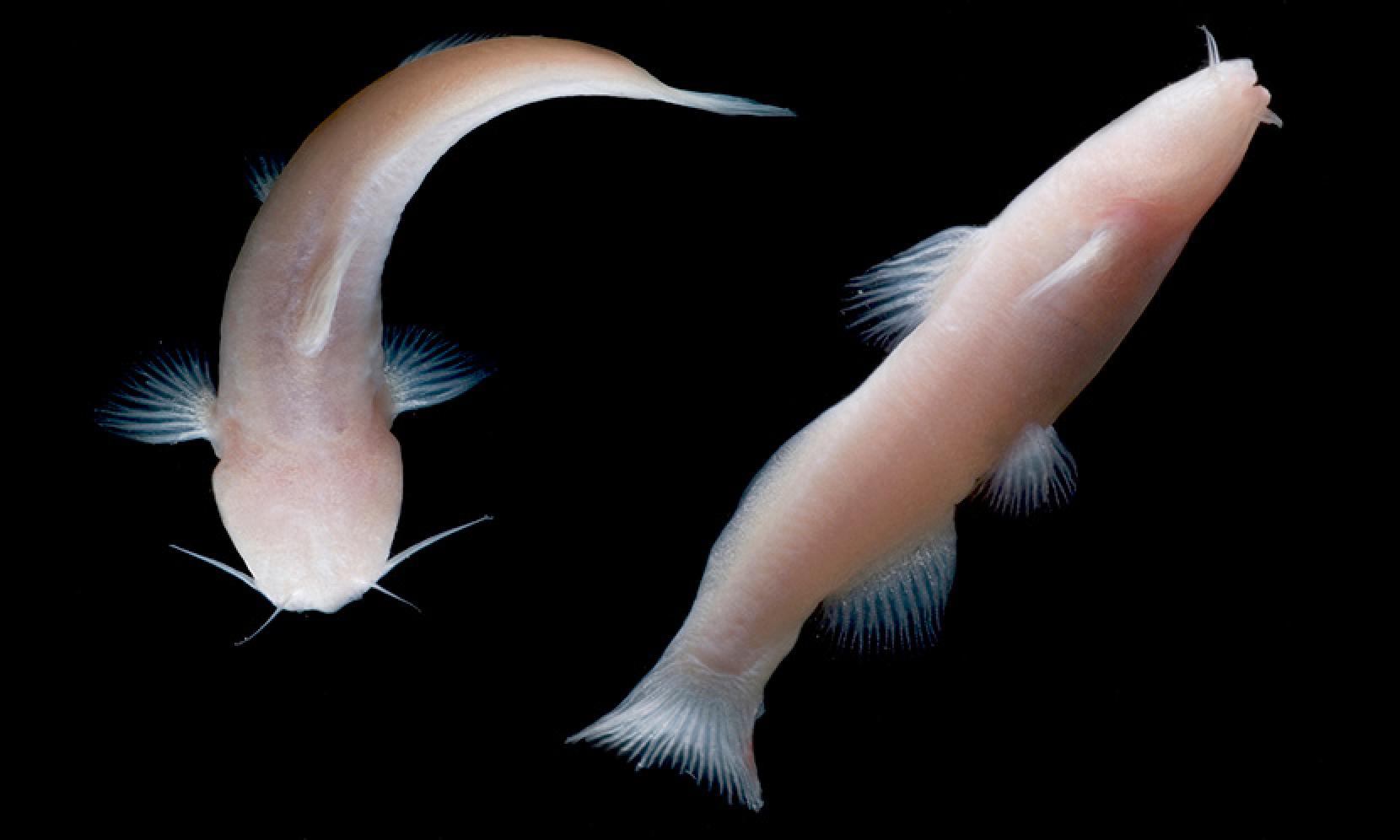
Rare, Blind Catfish Never Before Found in U.S. Discovered in National Park Cave in Texas
An extremely rare eyeless catfish species previously known to exist only in Mexico has been discovered in Texas.
-
New “GreenWeb” Tools Aim to Create an Energy-Efficient Web
Researchers have developed a new, open-source computer programming framework for websites to become more energy efficient and reduce battery usage on mobile devices.
-
Aerosols Strengthen Storm Clouds, According to New Study
Aerosol particles can increase the lifespans of large storm clouds by delaying rainfall, making the clouds grow larger, and producing more extreme storms when rain finally does come, according to new research.
-
Stampede 2 Supercomputer Drives the Frontiers of Science and Engineering Forward
NSF award to UT Austin builds on success of Stampede supercomputer system and provides additional advanced computational capacity to thousands of researchers
-
New Measurement Technique Shows Link Between T-cells and Aging
Researchers discovered a correlation between aging and the effectiveness of T-cells, which could be used in developing more patient-tailored medical treatments.
-
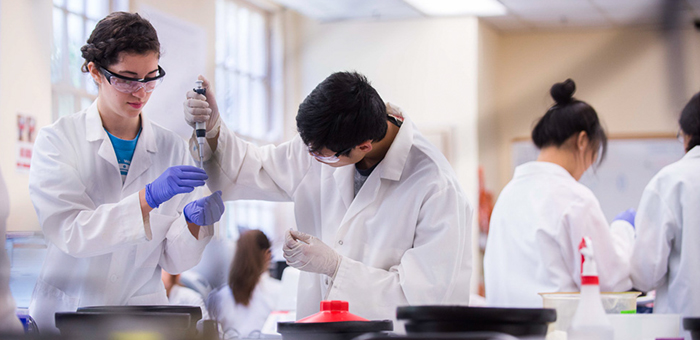
Hands-On Science Courses Boost Graduation Rates and STEM Retention
Courses that engage students in scientific research early in college dramatically increase students’ odds of completing a science, technology, engineering or math (STEM) degree, analysis of UT Austin’s Freshman Research Initiative shows.
Latest News
-
 Texas Athletics
Bevo Lab Opens as New Hub for Sports, AI and Analytics
-
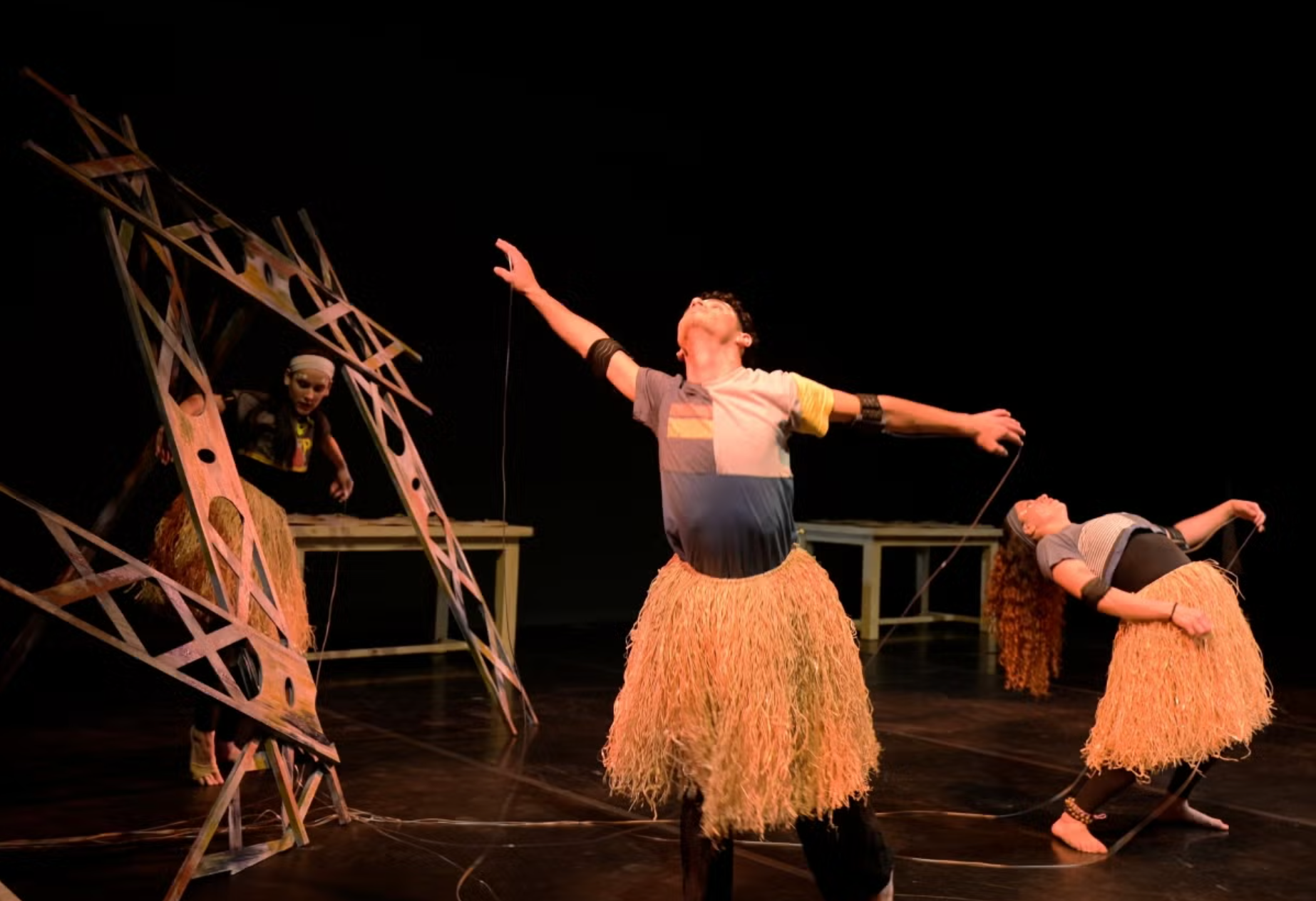
In Brief: Research Award Advances AI Project Exploring Human Movement as Language
-
UT Establishes ‘University College’ To Anchor New Core Curriculum, Names Founding Dean
-
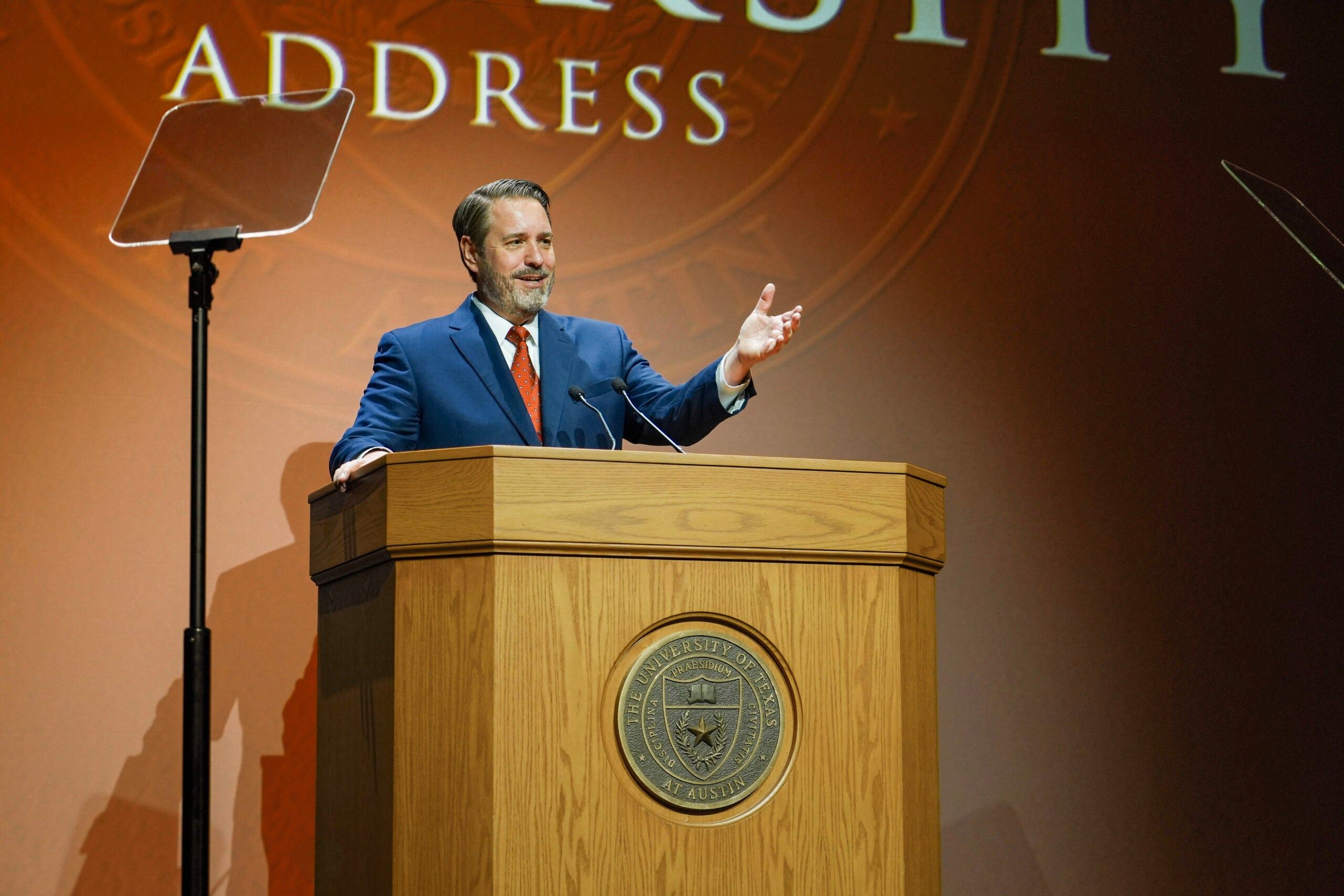
In Annual State of the University Address, President Davis Highlights Position of Strength and Future Plans in Healthcare, Research and Undergraduate Education